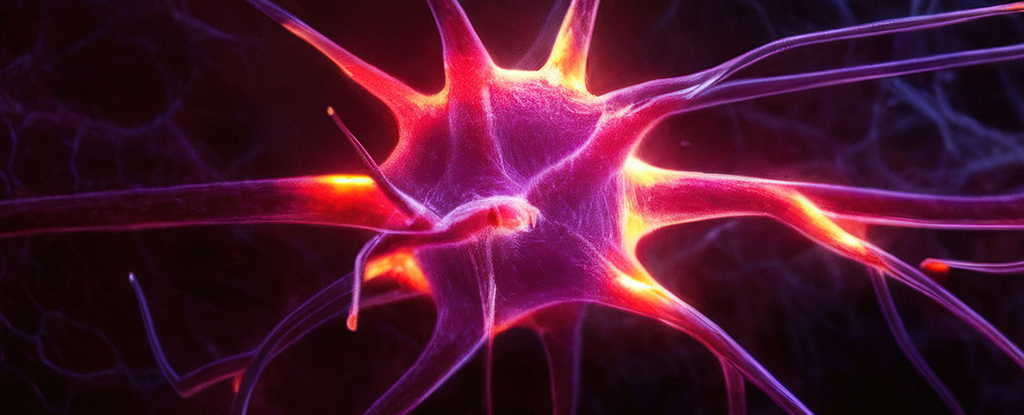
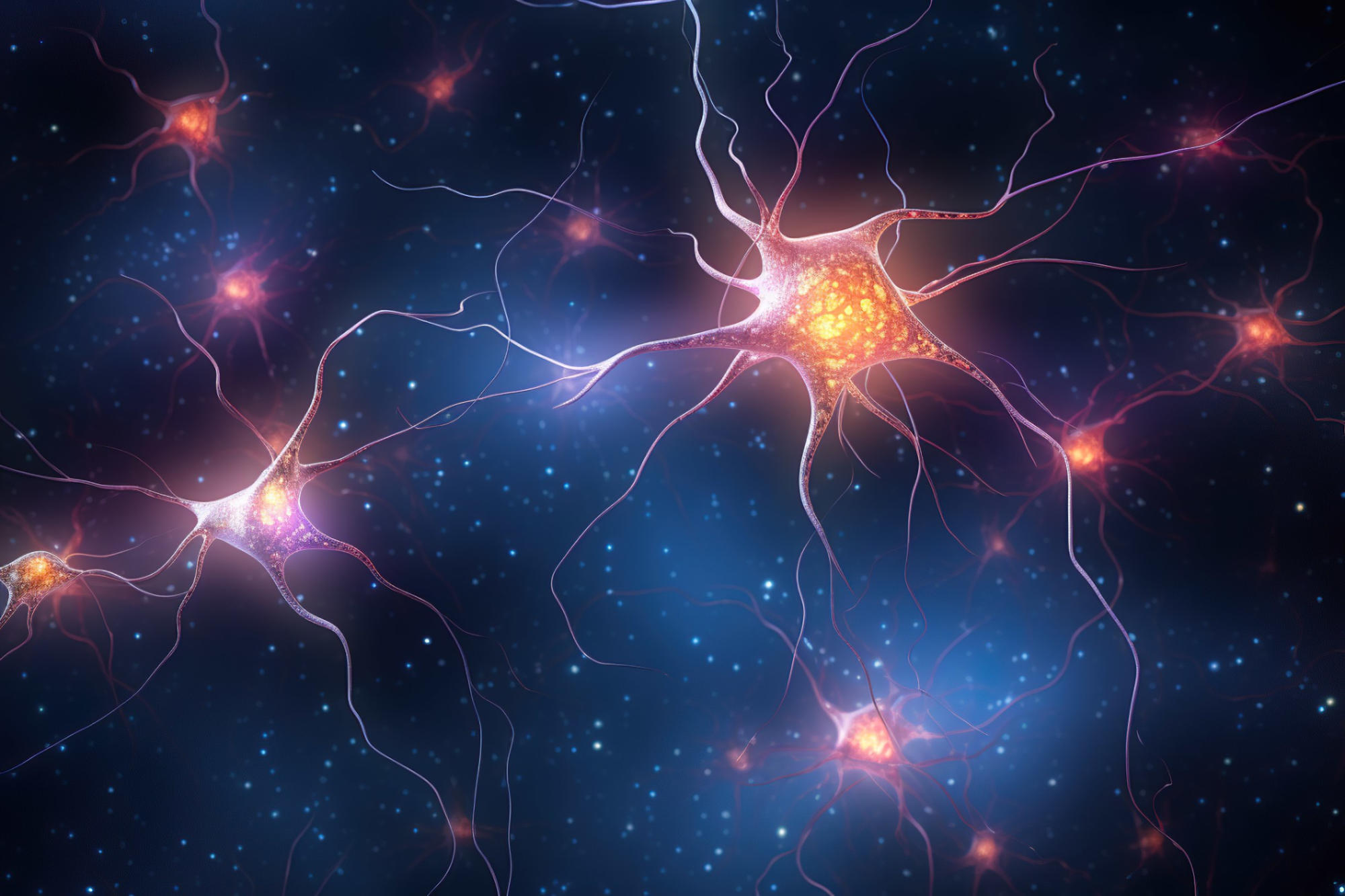
Research suggests that overactivity and stress in dopamine-producing neurons may contribute to their death in Parkinson's disease, with findings indicating that excessive stimulation leads to calcium changes and cell degeneration, potentially opening new avenues for treatment to protect these neurons and slow disease progression.
Research reveals that dopamine neurons in the brain encode complex maps of potential future rewards, including timing and size, mirroring advanced AI strategies like distributional reinforcement learning, which could reshape understanding of decision-making and impulsivity.
Researchers at Duke University have discovered a link between the immune gene regulator STAT1 and hyperactive behaviors in mice, which may provide insights into neurodevelopmental disorders like autism and ADHD. Prolonged STAT1 signaling in dopamine neurons led to hyperactivity and reduced neural activity in brain regions associated with learning and reward. This study suggests that targeting STAT1 could be a potential therapeutic approach for neurobehavioral disorders.
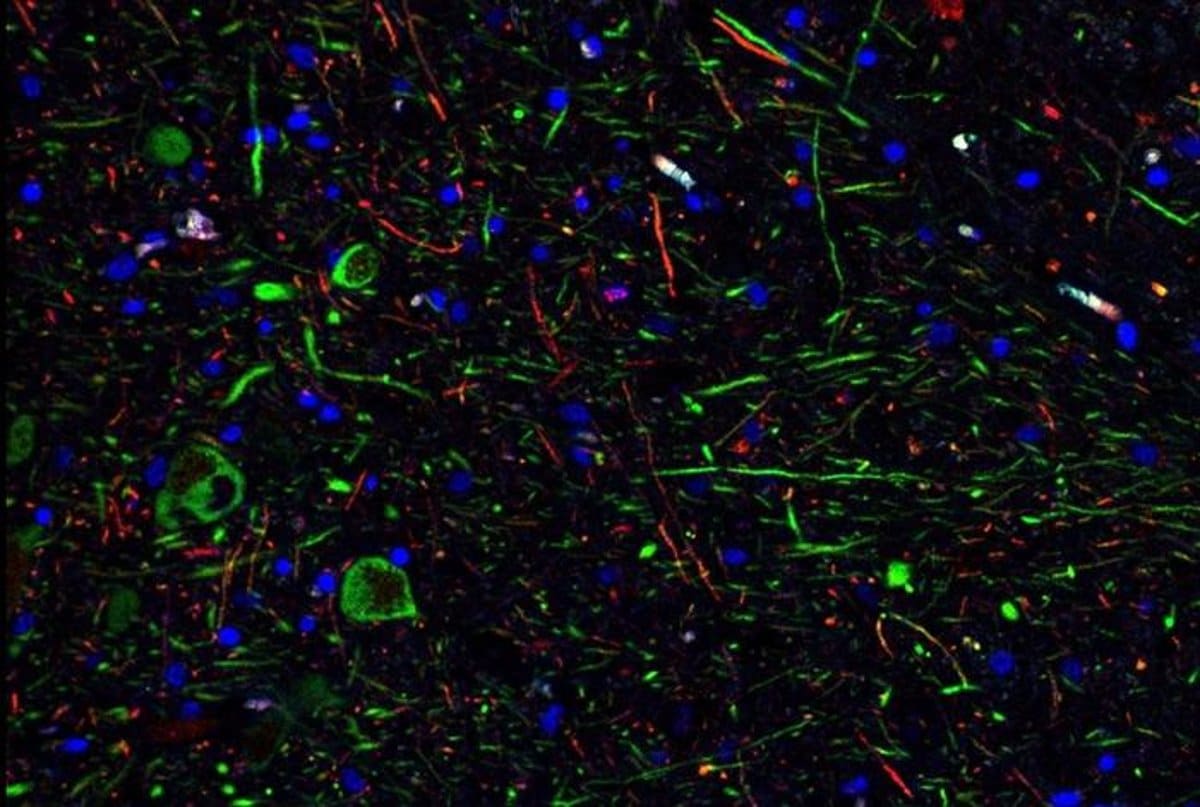
A study reveals that SARS-CoV-2 can infect dopamine neurons, leading to senescence and inflammation, potentially contributing to long COVID symptoms like brain fog and depression. Approximately 5% of dopamine neurons can be infected, and three drugs have been identified as potential protectors against SARS-CoV-2 infection in these neurons. The findings suggest the need for careful, long-term monitoring of neurological problems in COVID-19 patients and may shed light on the risk of developing Parkinson's-related symptoms.
A study reveals that SARS-CoV-2 can infect dopamine neurons in the brain, leading to senescence, which may contribute to neurological symptoms associated with long COVID. The infected neurons stop functioning and trigger inflammation, potentially impacting feelings of pleasure, motivation, and movement. The research suggests that certain drugs may prevent the virus's attack on the brain, and long COVID patients should be monitored for an increased risk of developing Parkinson's-related symptoms. This study was a collaboration between Weill Cornell Medicine, Memorial Sloan Kettering Cancer Center, and Columbia University Vagelos College of Physicians and Surgeons, and was supported by various grants from the National Institutes of Health.
Researchers at Northwestern University have discovered a subtype of dopamine neurons that are involved in movement rather than reward signaling. This finding challenges the widely accepted belief that dopamine neurons primarily respond to rewards. The discovery could have implications for understanding and treating Parkinson's disease, which involves the loss of dopamine neurons and motor issues. The study sheds new light on the diversity of dopamine neurons and opens up new research directions in the field of neurology.
Researchers have discovered that the stimulation of dopamine neurons in the ventral tegmental area (VTA) triggers orofacial movements in mice. They found two distinct types of these movements during reward-based learning tasks: transient actions upon reward expectation and active, sustained movements upon receiving a reward. These findings provide insights into animal emotions and could lead to improved diagnostic and treatment strategies for mental health conditions, as well as enhance animal welfare.