Researchers at the Karlsruhe Institute of Technology have developed a new glass-like material called Polymer-based Micro-photonic Multi-functional metamaterial (PMMM) that is more transparent, better at keeping out heat, and self-cleaning. This material can be used in windows, roofs, and walls to create bright, glare-free, and privacy-protected indoor spaces while keeping rooms cooler by up to six degrees through radiative cooling.
Experts advise against using cotton swabs to clean out your ears as they are self-cleaning organs. Earwax serves important functions such as protecting the ear canal, blocking foreign particles, and preventing bacterial and fungal growth. The texture of earwax varies based on genetics, with wet earwax more common in people of African and European descent, and dry earwax more common in those of East Asian and Native American descent. Under normal circumstances, manual cleaning of the ears is not necessary as the ear's natural self-cleaning system works effectively. However, if there is discomfort or excessive build-up, using mineral oil or carbamide peroxide at home can help soften and loosen excess wax. Seek medical attention if experiencing hearing loss, severe ear pain, vertigo, or ear drainage, as these symptoms may indicate a more serious condition.
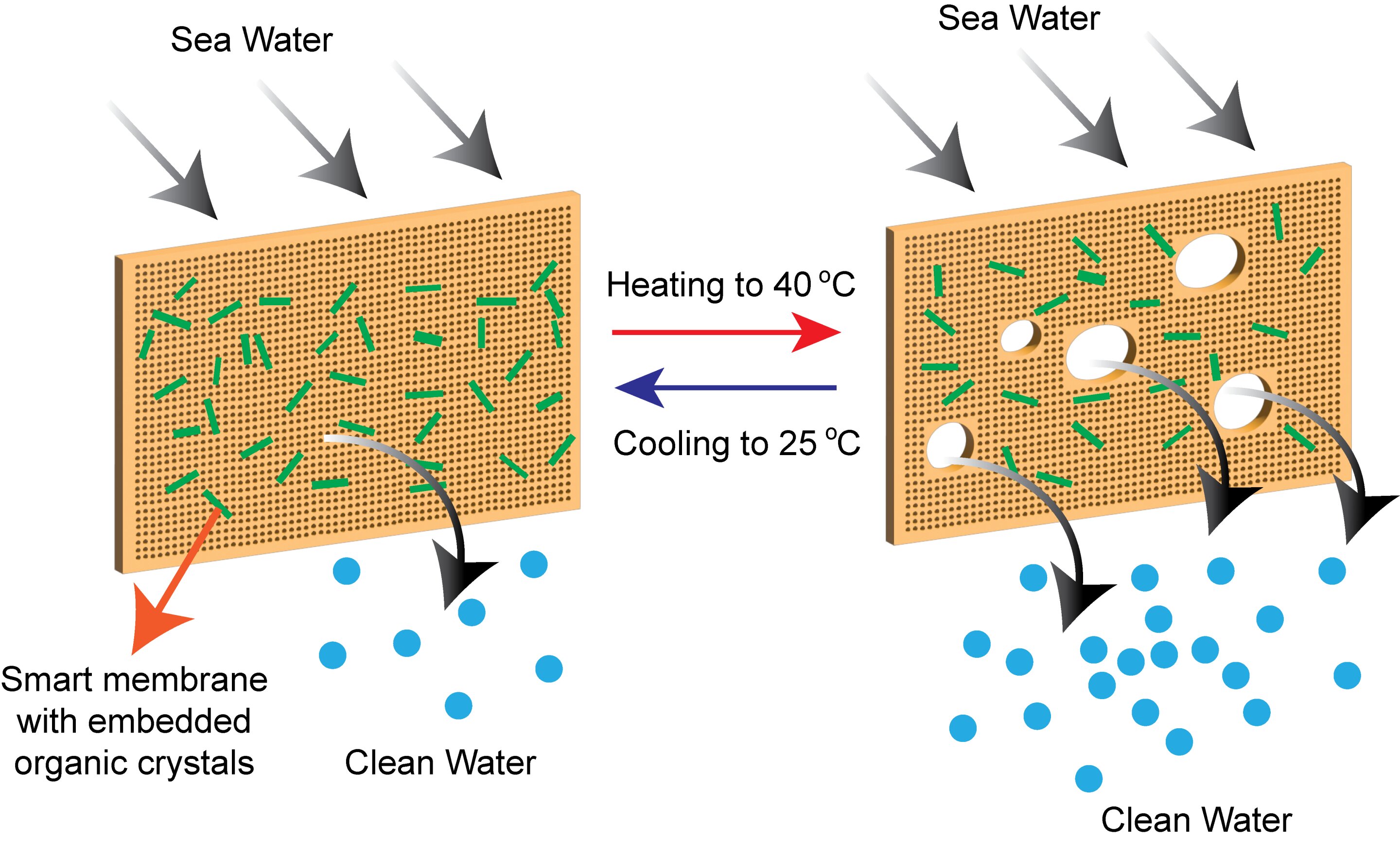
Researchers at NYU Abu Dhabi have developed a new hybrid membrane for desalination technologies that incorporates stimuli-responsive materials, called thermosalient organic crystals, embedded in polymers. This "smart" membrane can self-modulate its pore size and surface properties in response to temperature changes, effectively removing contaminants and increasing the flow of desalinated water by over 43%. The self-cleaning capability of the membrane minimizes fouling, extending its operational lifetime and improving the cost-effectiveness of water production. This development could enhance the efficiency of desalination technologies and address water scarcity issues globally.