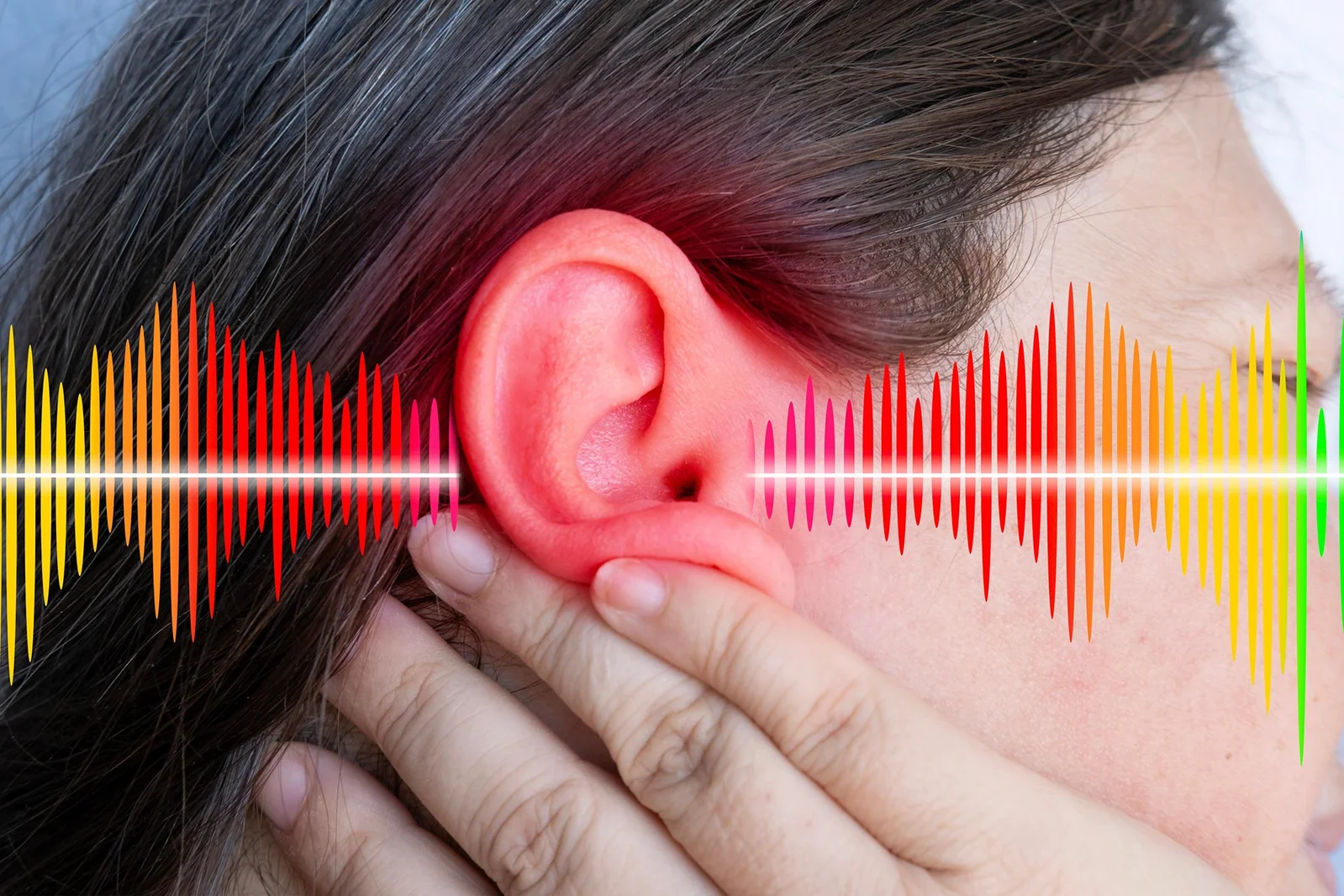
The article discusses personal experiences with tinnitus, including its causes, coping strategies, and the importance of acceptance, with some sharing hope that it can become less bothersome over time. It highlights various potential treatments, the impact of hearing damage, and the psychological aspects of living with tinnitus.
This article offers various health tips including practicing Japanese walking for cardiovascular benefits, eating dark chocolate for fiber, doing Sunday chores to reduce stress, avoiding mosquito bites, dancing for mental health, eating rhubarb, choosing resveratrol-rich foods, avoiding Q-tips, stopping plastic microwave containers, and using clean plates to prevent contamination, all aimed at improving overall well-being for the week ahead.
Hearing your heartbeat in your ears, known as pulsatile tinnitus, can be caused by various factors such as Eustachian tube dysfunction, earwax buildup, or elevated blood pressure. While it is often not a sign of a serious medical issue, it is advisable to consult a physician to rule out any potential cardiovascular problems or other underlying conditions.
Hearing your heartbeat in your ears, known as pulsatile tinnitus, can be caused by ear issues like wax buildup or Eustachian tube dysfunction, and less commonly by elevated blood pressure or certain medications. While often not a sign of a serious medical problem, persistent or new-onset symptoms should be discussed with a physician to rule out cardiovascular issues or other underlying conditions.
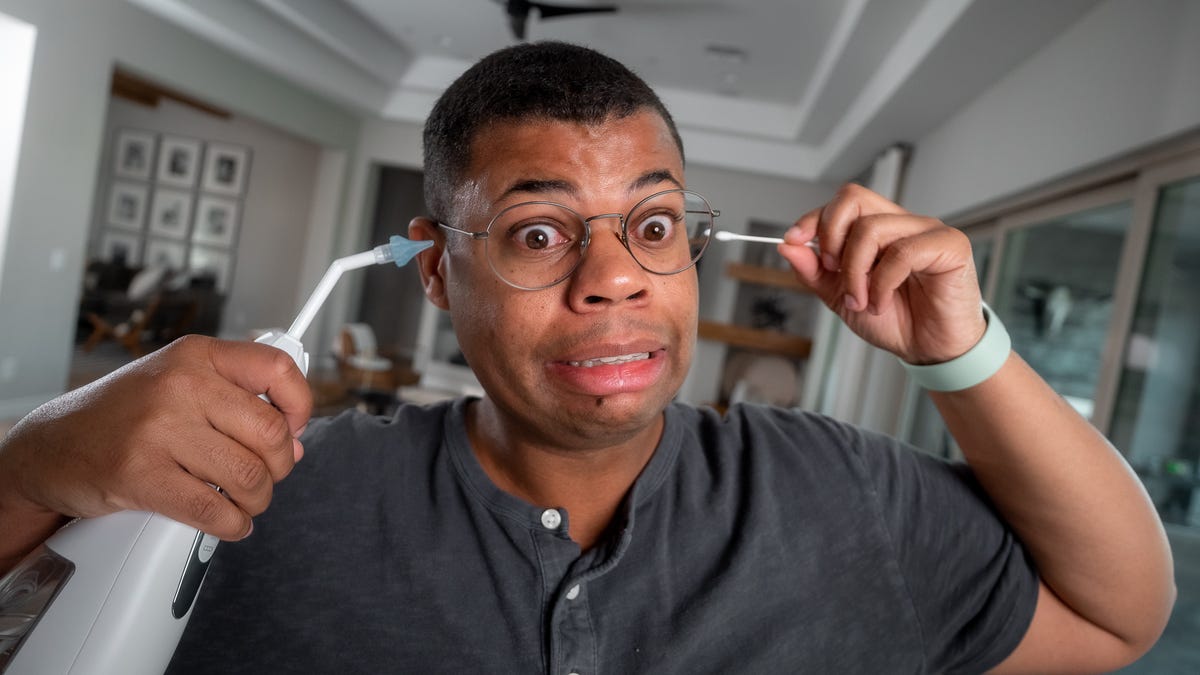
Dr. Tonia L. Farmer, an Ohio-based ear, nose, and throat surgeon, advises against using cotton swabs for ear cleaning as they push wax deeper into the ear canal, causing impaction. Instead, she recommends using a moist washcloth to clean the outer ear and suggests wax-softening agents like mineral oil or hydrogen peroxide for stubborn buildup. She warns against trendy earwax removal tools and emphasizes the importance of professional cleanings to prevent ear issues.
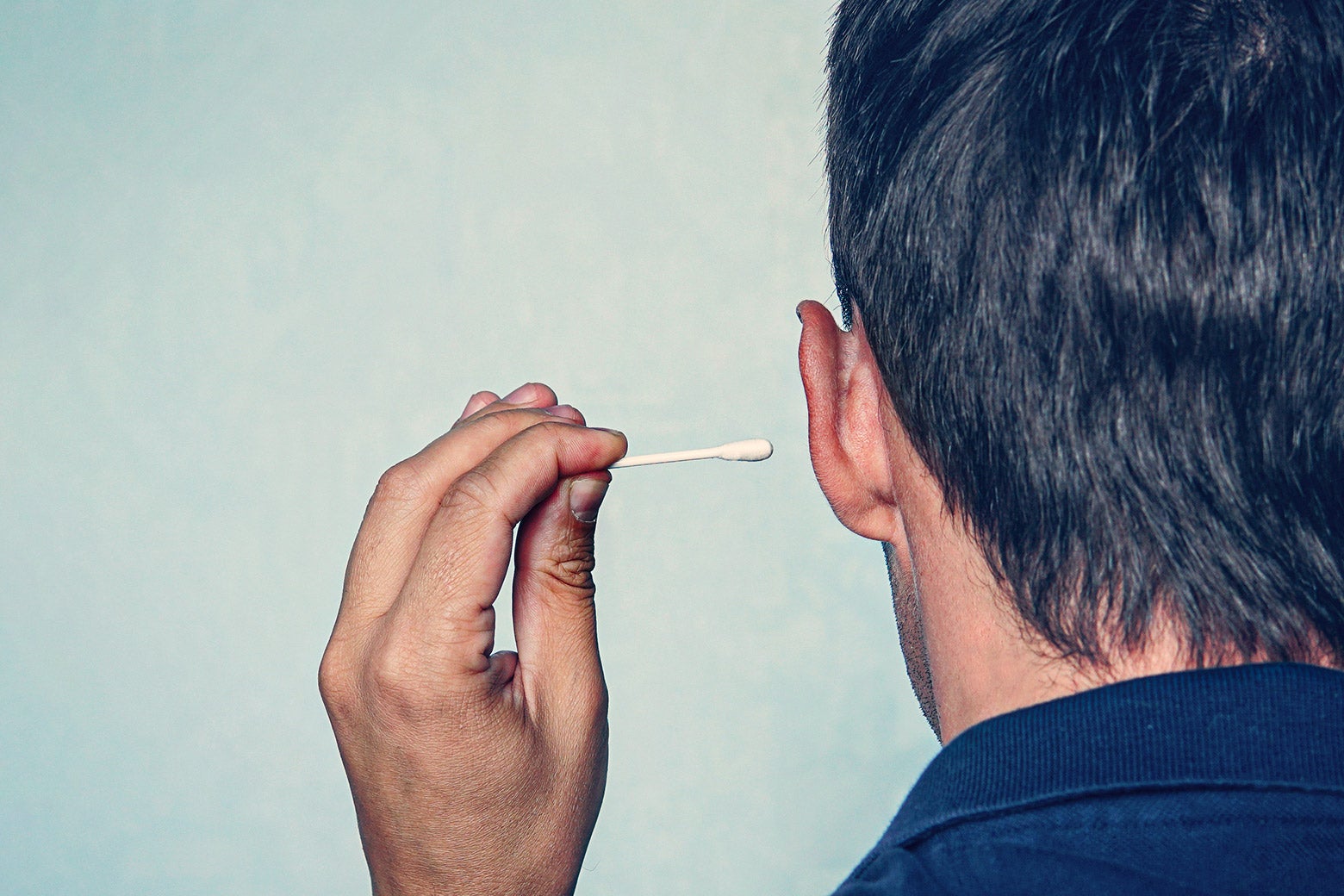
Experts advise against using cotton swabs to clean out your ears as they are self-cleaning organs. Earwax serves important functions such as protecting the ear canal, blocking foreign particles, and preventing bacterial and fungal growth. The texture of earwax varies based on genetics, with wet earwax more common in people of African and European descent, and dry earwax more common in those of East Asian and Native American descent. Under normal circumstances, manual cleaning of the ears is not necessary as the ear's natural self-cleaning system works effectively. However, if there is discomfort or excessive build-up, using mineral oil or carbamide peroxide at home can help soften and loosen excess wax. Seek medical attention if experiencing hearing loss, severe ear pain, vertigo, or ear drainage, as these symptoms may indicate a more serious condition.
Despite warnings against using Q-tips to clean ears, many people still do. While there is no clear data on the frequency of injuries caused by Q-tips, some doctors argue that with proper education on safe usage, the risks can be minimized. However, experts advise against using Q-tips to clean wax out of the ears, as wax naturally makes its way out of the ear canal. If wax becomes a problem, it is best to seek professional help for safe removal.