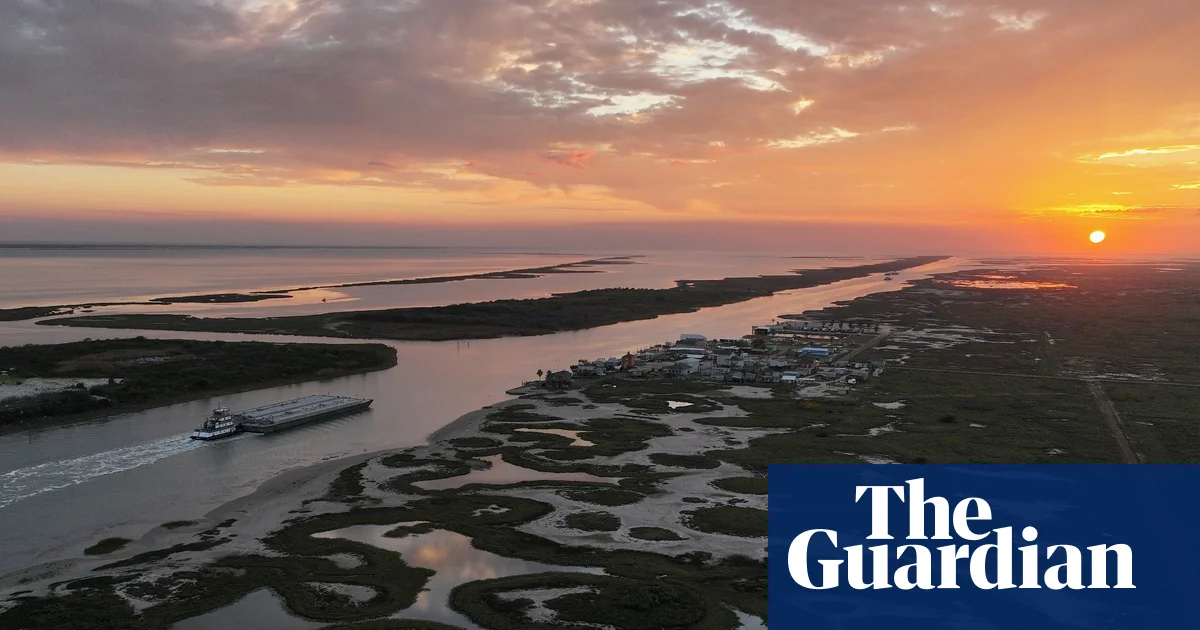
The article highlights how the climate crisis has increasingly impacted Americans' lives through record heat, wildfires, water shortages, shrinking growing seasons, and loss of biodiversity, with individuals sharing personal experiences of these changes and efforts to adapt.
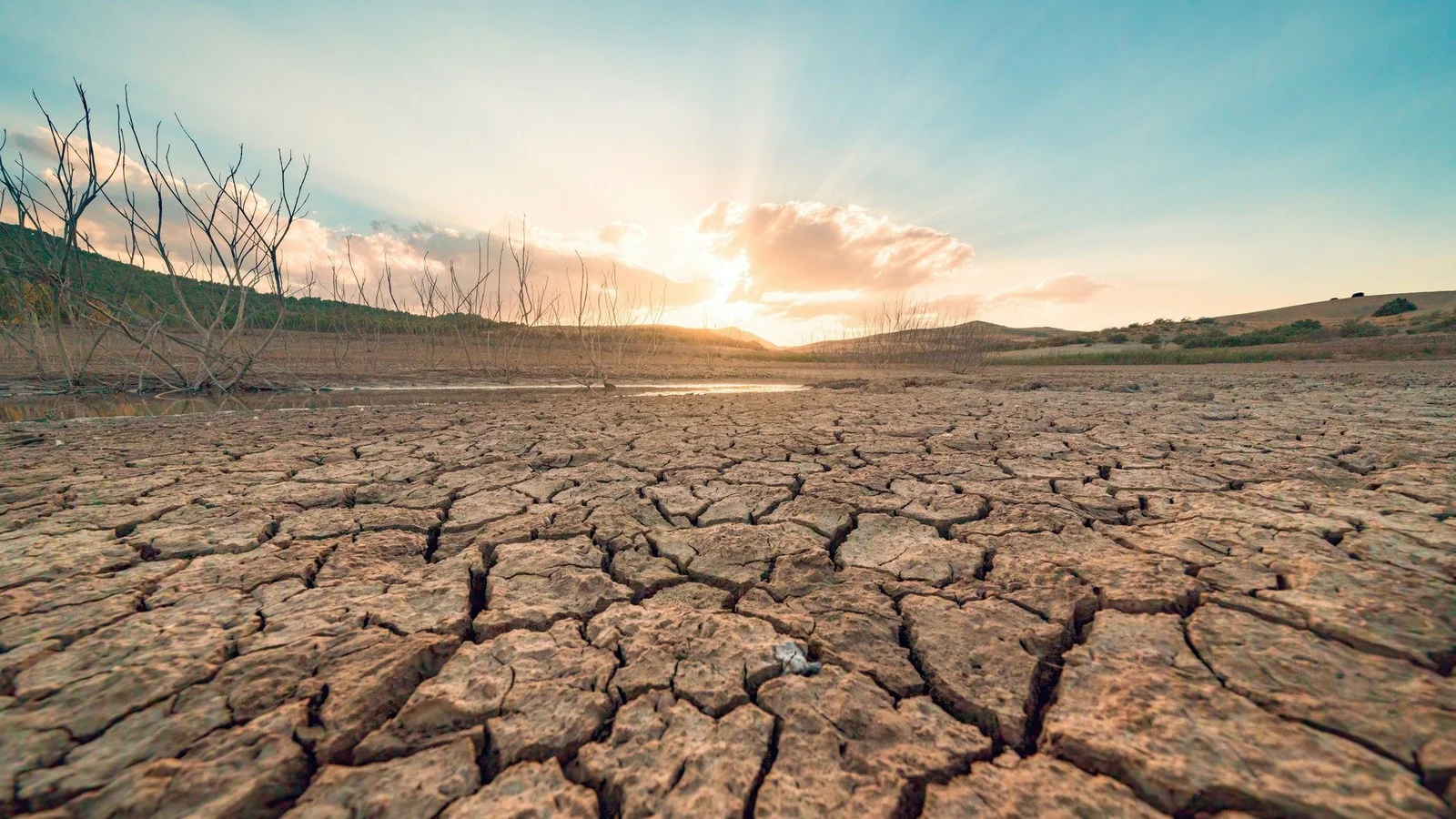
A new report highlights the alarming loss of freshwater from Earth's continents, amounting to enough water annually to meet the needs of 280 million people, primarily caused by groundwater extraction and climate change. It emphasizes the importance of improved water management, efficient agricultural practices, and global water trade to combat this crisis and ensure sustainable water use worldwide.
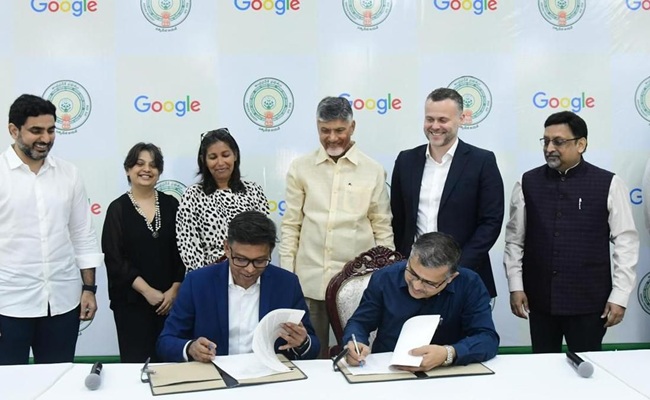
The announcement of a Google data center in Visakhapatnam aims to transform the city into an AI hub, but raises concerns about actual job creation, local benefits, and the environmental impact of high water and energy consumption, especially given the region's water scarcity and the substantial incentives offered by the government.
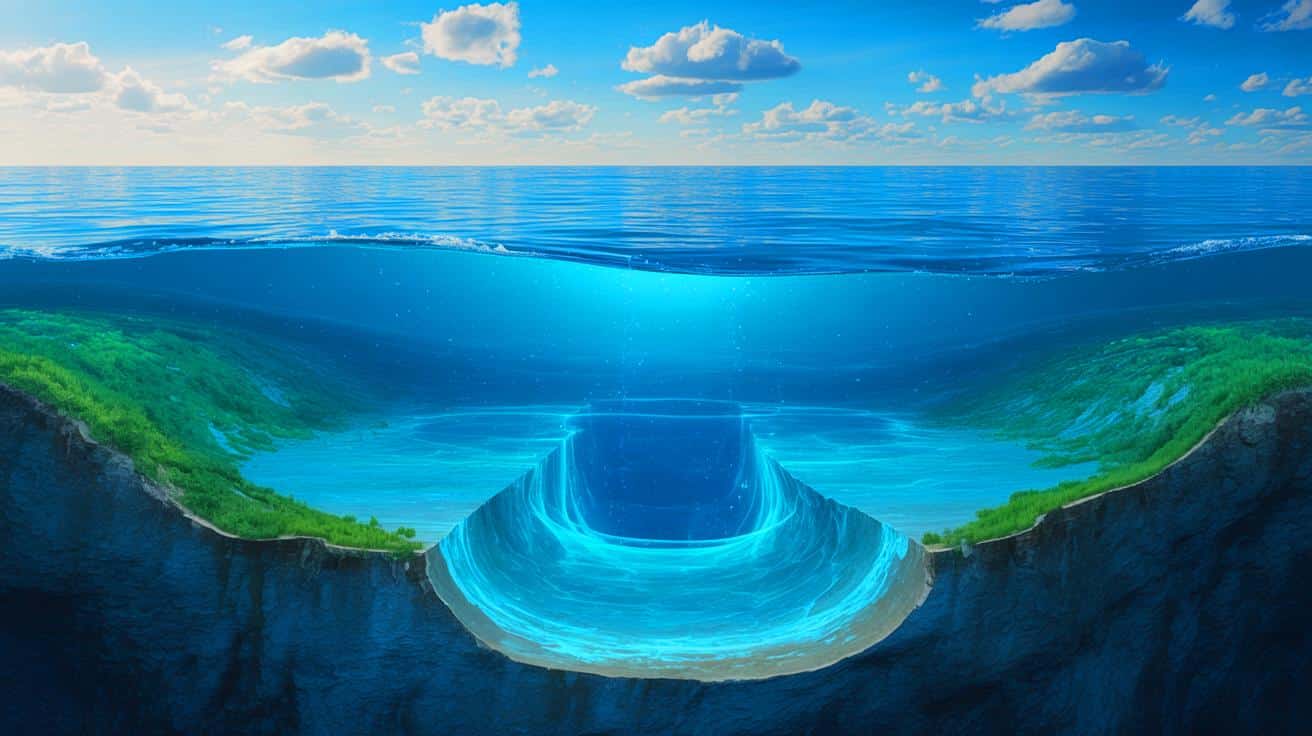
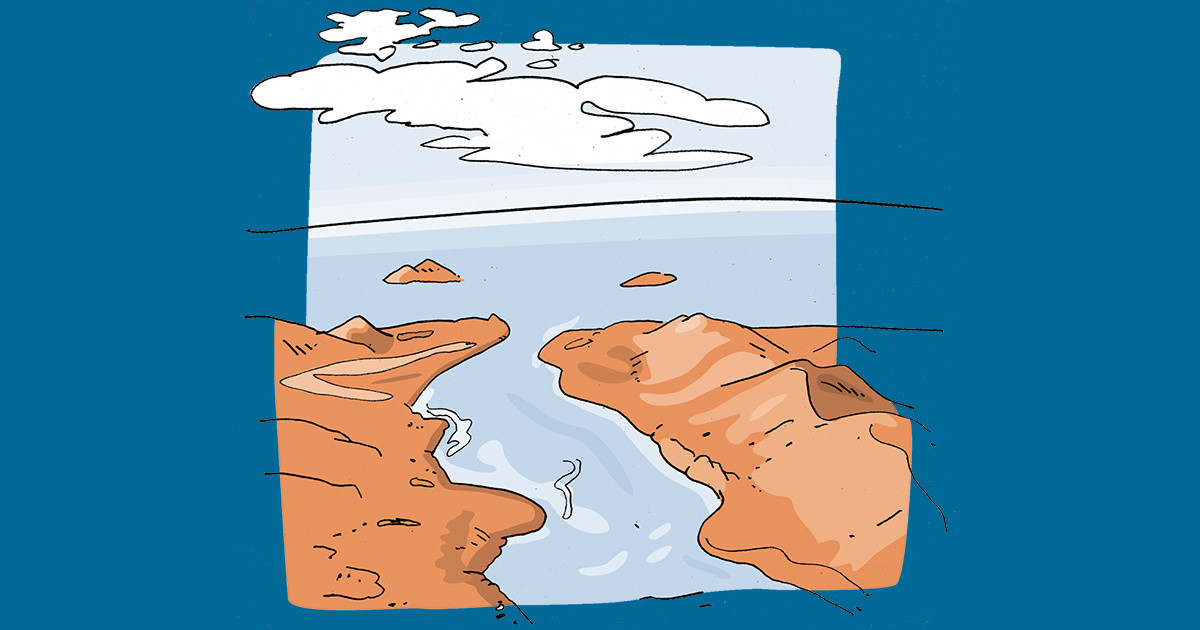
Scientists have discovered a massive low-salinity aquifer beneath the Atlantic Ocean off the U.S. coast, which could provide a sustainable freshwater source for millions and revolutionize future water management strategies, though environmental and technological challenges remain.
A groundbreaking study has discovered a vast undersea aquifer with 'secret fresh water' stretching from New Jersey to Maine, which could potentially help address global water shortages, though challenges remain in its extraction and management.
Satellite data from NASA reveals that Earth's continents are drying at an unprecedented rate since 2002, driven by groundwater over-extraction and exacerbated by climate change, with 75% of the global population now living in water-stressed areas, threatening agriculture, sanitation, and regional stability.
A NASA-backed study reveals that global groundwater extraction and climate change are causing widespread continental drying, threatening freshwater resources for 75% of the world's population, accelerating sea level rise, and increasing risks of conflict and instability worldwide.
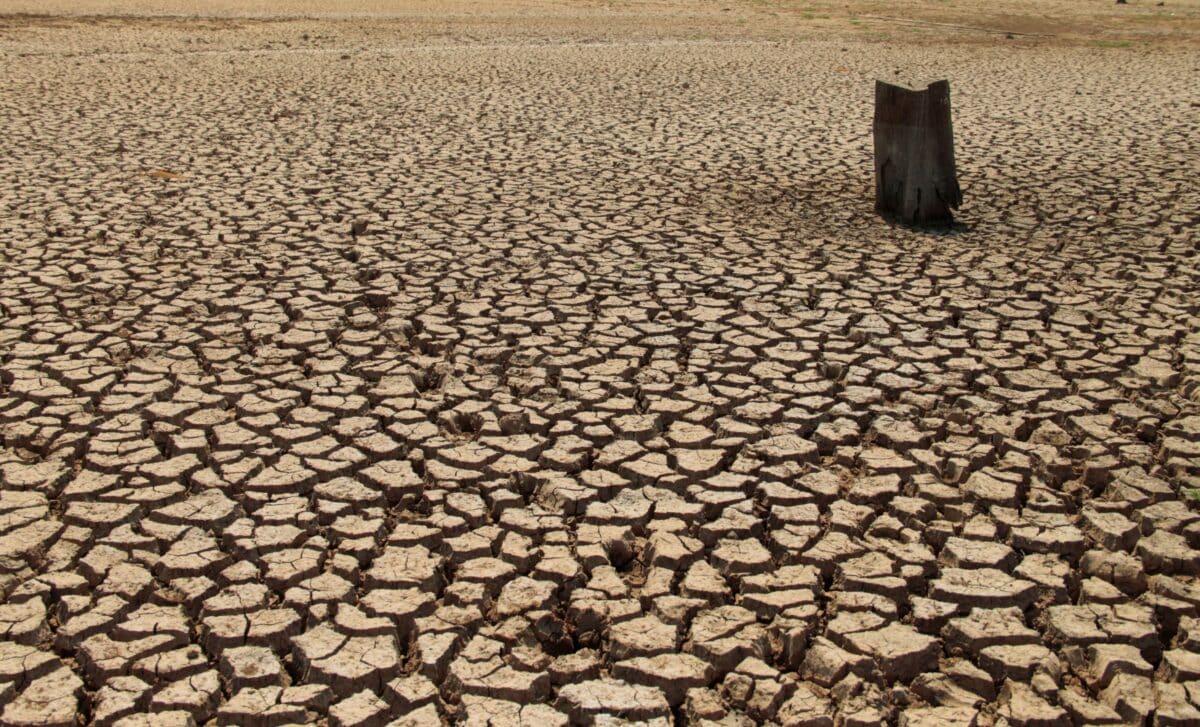
A UN-backed report describes recent severe droughts worldwide, worsened by climate change and El Niño, as a slow-moving catastrophe impacting millions through food insecurity, ecosystem collapse, and social crises, emphasizing the need for better preparedness and monitoring.
A UN report warns that climate change has made 77.6% of Earth's land permanently drier over the past three decades, expanding drylands to cover 40.6% of the planet's land area. This trend threatens to affect up to five billion people by the century's end, leading to soil depletion, dwindling water resources, and ecosystem collapse. The report highlights the urgent need for global action to reduce carbon emissions, improve land and water management, and foster resilience to prevent widespread hunger, displacement, and economic decline.
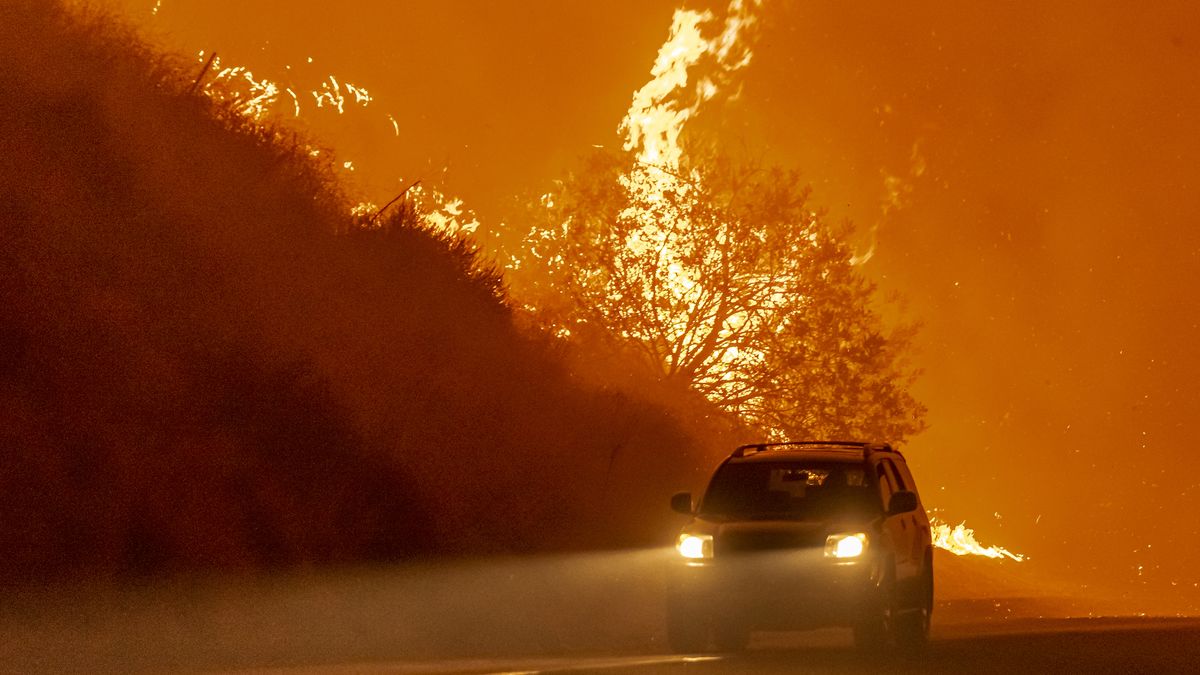
Unseasonably hot and dry conditions have led to wildfires in the Northeast US, including a small blaze in Brooklyn's Prospect Park and a larger one on the New York-New Jersey border. These fires are part of a broader pattern of drought affecting the entire country, exacerbated by climate change and warmer temperatures extending into typically cooler months. The situation highlights the increasing unpredictability of weather patterns and the need for water conservation as drought conditions persist.
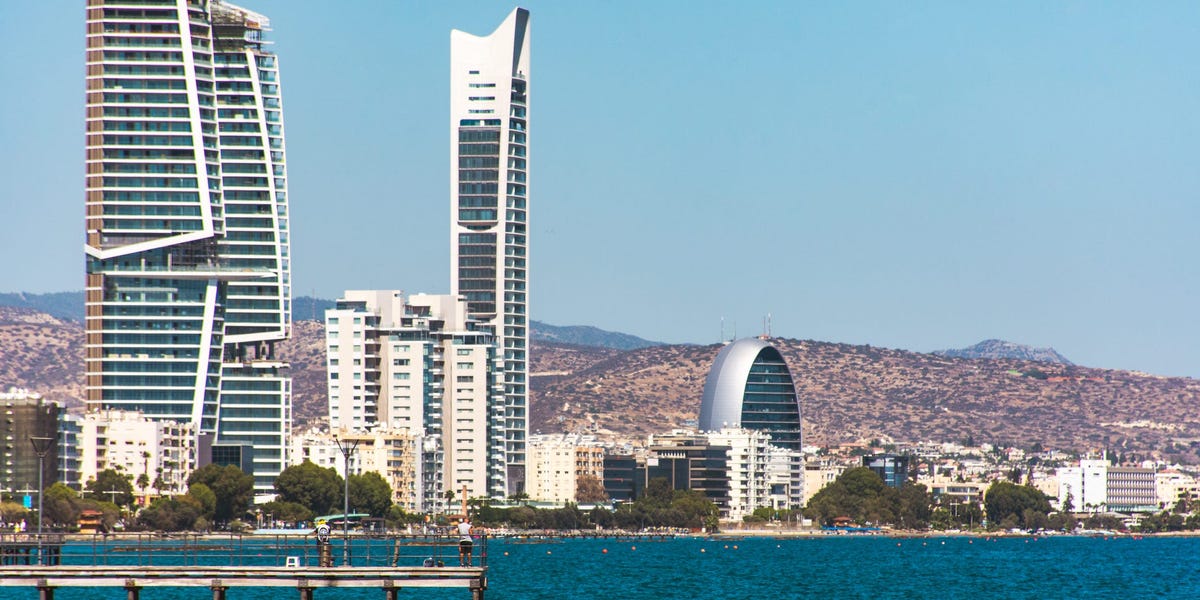
Mexico City is on the verge of running out of drinking water, highlighting a global issue of water scarcity exacerbated by poor water management and climate change. Other cities at high risk include Delhi, Beijing, Limassol, Muscat, Beirut, and Kuwait City, where factors such as droughts, outdated infrastructure, and reliance on costly desalination plants contribute to the crisis. Effective water management and policy reforms are crucial to addressing these challenges.
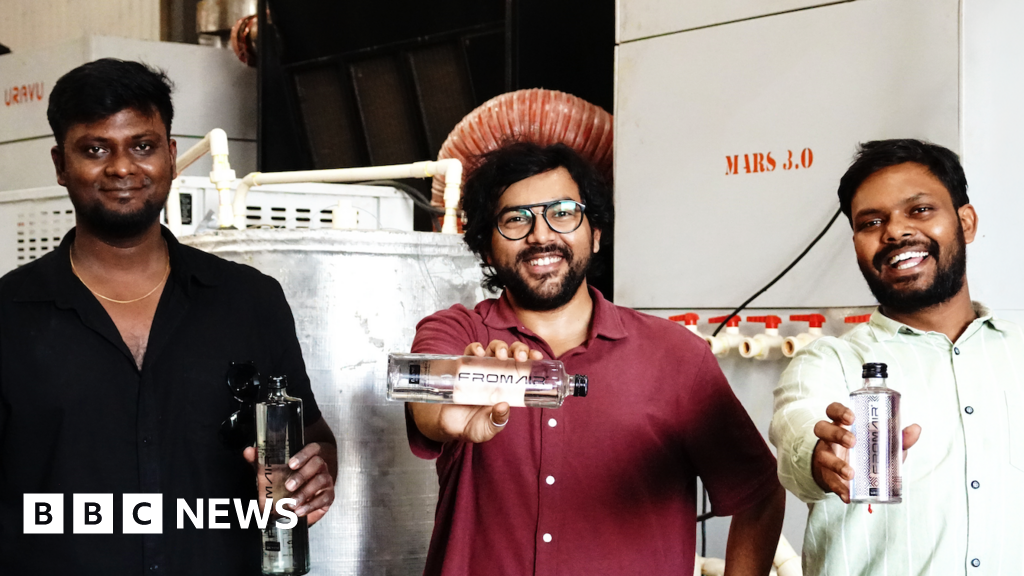
Uravu Labs, a Bangalore-based startup, has developed a system that converts air to water using atmospheric water generators and renewable energy. Despite initial challenges in scaling and cost, they now supply water to the hospitality industry. The technology, inspired by 'Star Wars,' offers a potential solution to global water shortages, though it remains expensive. Other companies like Majik Water in Kenya are also exploring similar technologies, highlighting the growing market and need for innovative water solutions.
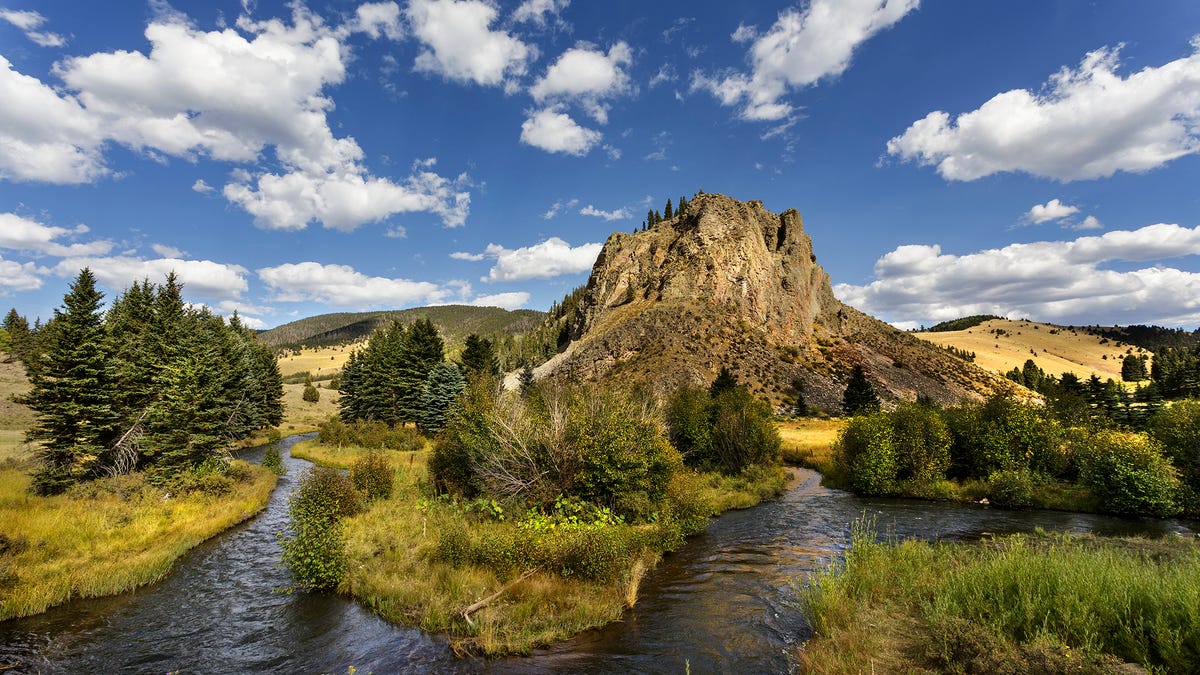
American Rivers has released its 39th annual "most endangered rivers" list, highlighting 10 waterways facing threats such as sewage, toxic algae, and construction. New Mexico's rivers top the list due to a Supreme Court decision limiting the Clean Water Act's enforcement, leaving 96% of the state's streams vulnerable. Other imperiled rivers include the Big Sunflower and Yazoo Rivers in Mississippi, the Duck River in Tennessee, and the Santa Cruz River in Arizona. Advocates urge action to protect these rivers and press for stronger clean water protections.
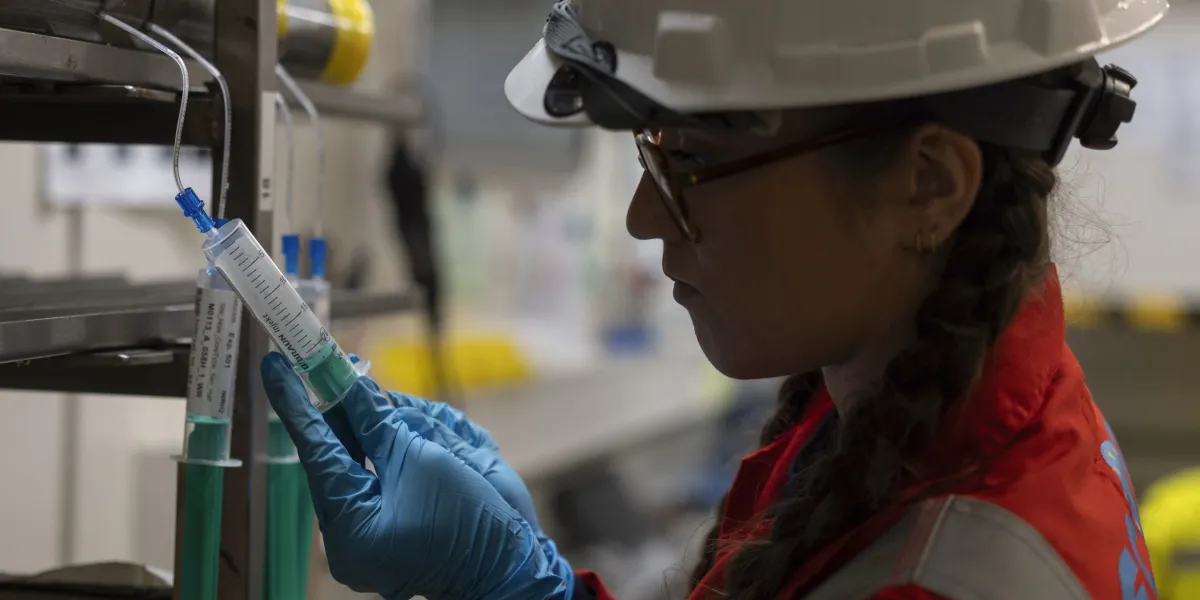
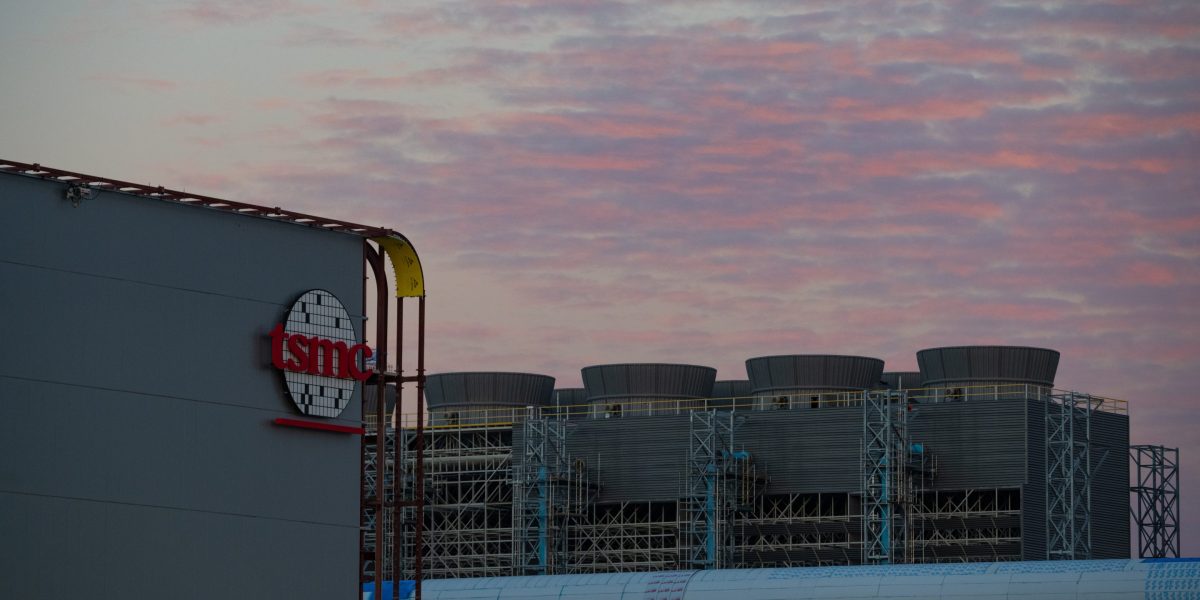
The Commerce Department has pledged up to $6.6 billion to TSMC for a new chip manufacturing facility in Arizona, raising concerns about water usage in the drought-plagued region. While Phoenix officials claim there is enough water for TSMC and potential future projects, experts warn of the risks associated with the water-intensive semiconductor industry. TSMC's increasing water usage and wastewater production have drawn skepticism, despite its commitment to recycling and reducing discharge. With the facilities not expected to come online until 2028, concerns about water scarcity and environmental impact in the region persist as Arizona positions itself as a semiconductor manufacturing hub.
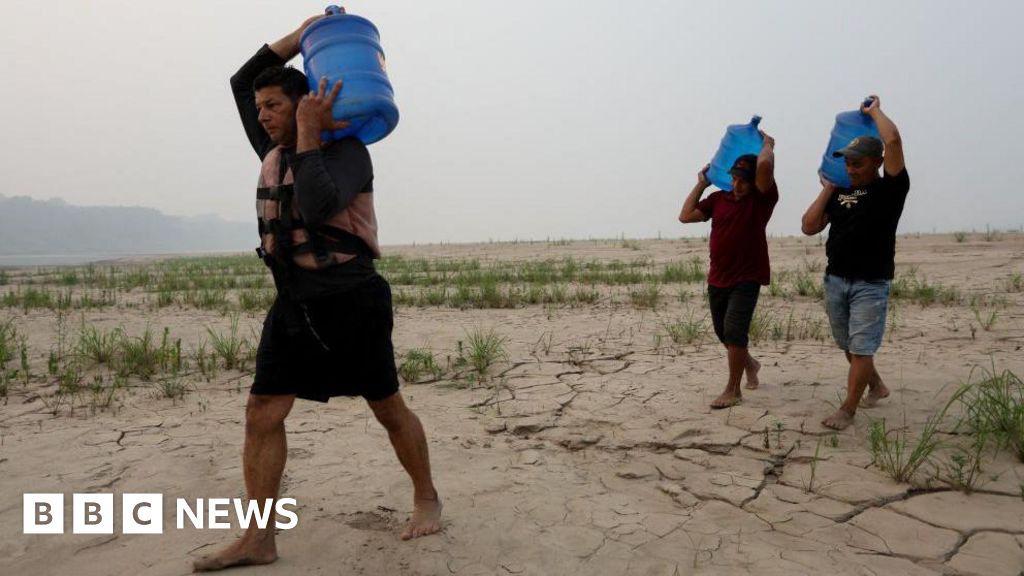
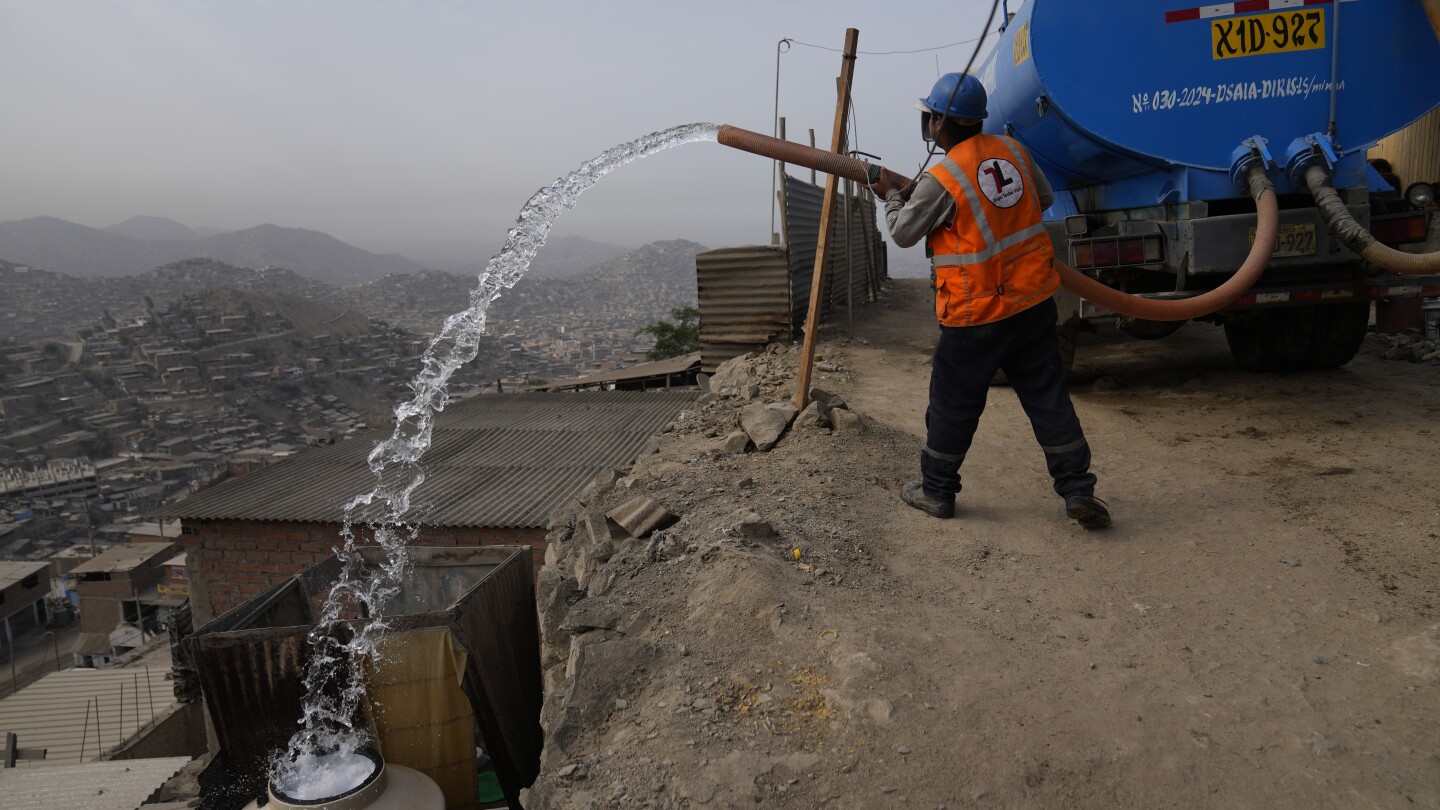
As the world grapples with the effects of climate change, access to clean water is becoming increasingly difficult for millions of people due to erratic rainfall patterns, extreme heat, and poor water management. From Lima, Peru to Jakarta, Indonesia, and rural areas in Morocco and California, individuals are struggling to obtain safe drinking water, resorting to buying from vendors or facing the consequences of dried-up wells. The global water crisis is exacerbating disparities in access to water resources, highlighting the urgent need for sustainable water management and conservation efforts.