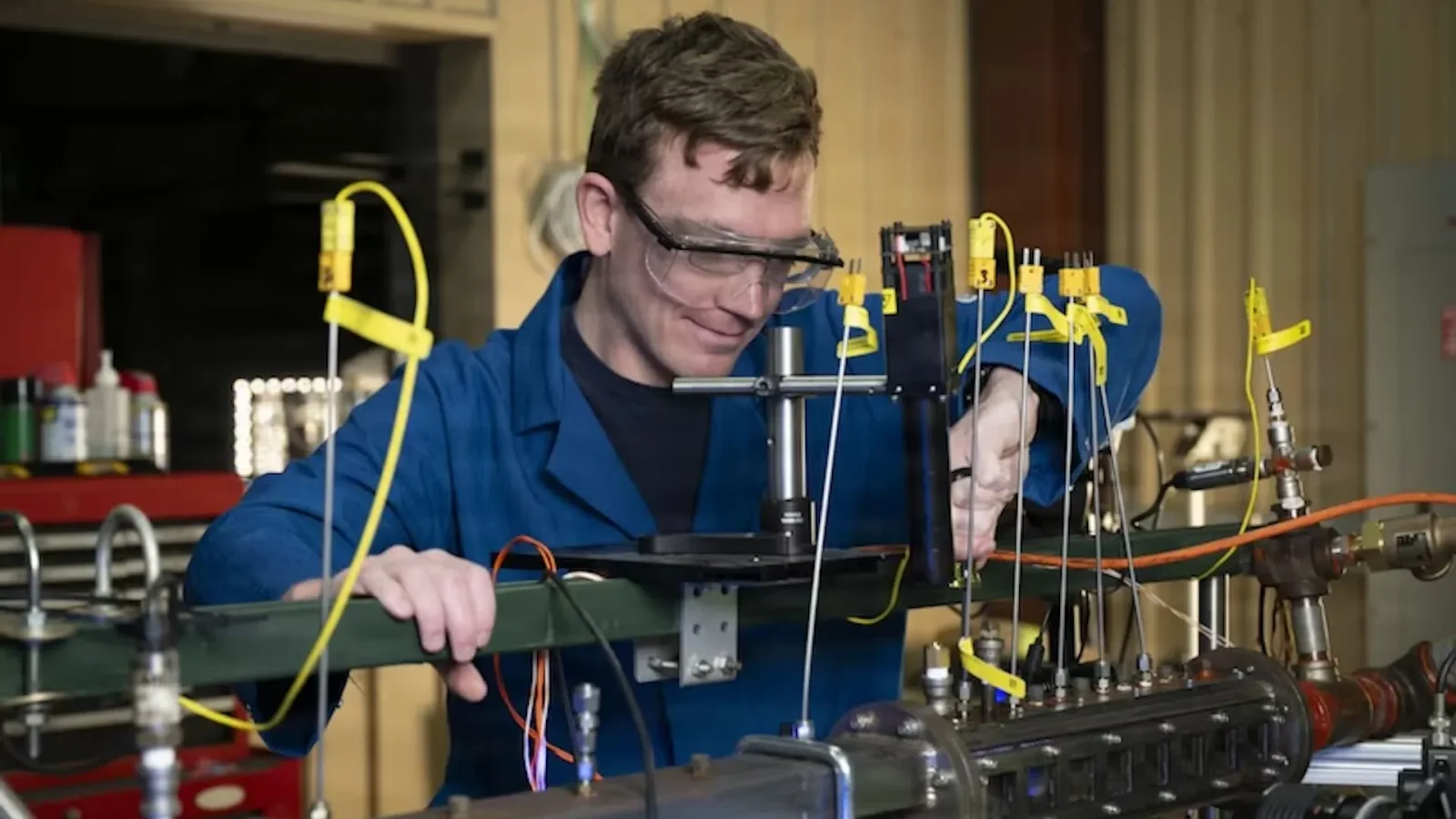
Very Low Earth Orbit (VLEO) satellites, orbiting 60 to 250 miles above Earth, offer advantages like higher resolution images and faster communication, but face challenges from atmospheric drag and corrosion. Researchers are developing innovative propulsion systems, such as air-breathing microwave plasma thrusters, to maintain VLEO satellites, which could revolutionize Earth observation, weather forecasting, and communications. Significant investments are driving this emerging space frontier closer to reality.
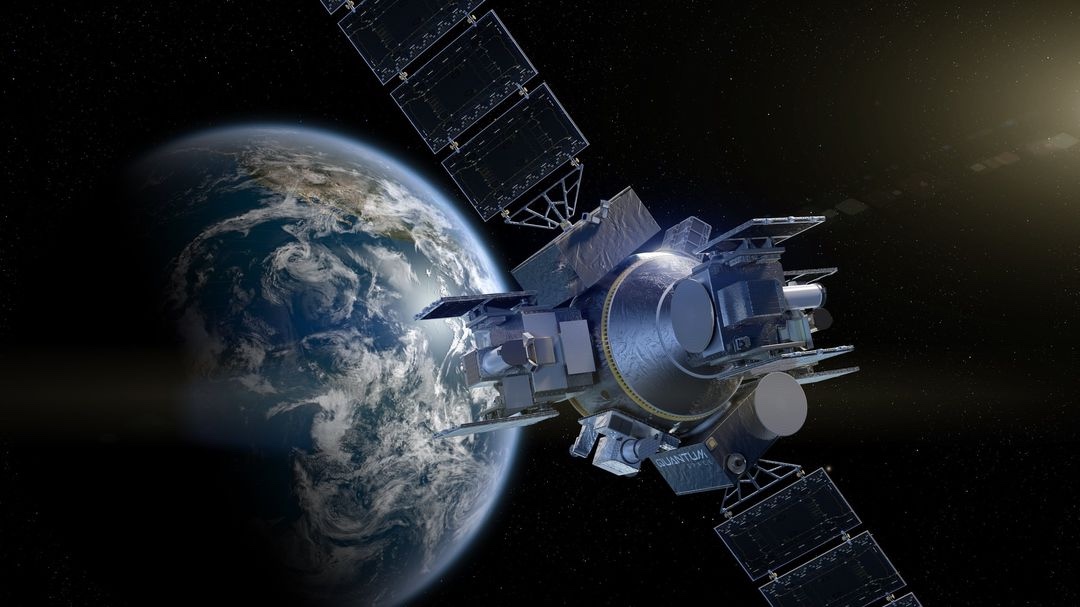
Quantum Space is acquiring propulsion assets from Phase Four to enhance its Ranger spacecraft, aiming to support national security and commercial missions with advanced multi-mode thruster technology, including facilities for rapid development. The deal signifies a strategic move to improve space mobility capabilities, especially for defense applications, amid Phase Four's recent operational uncertainties.
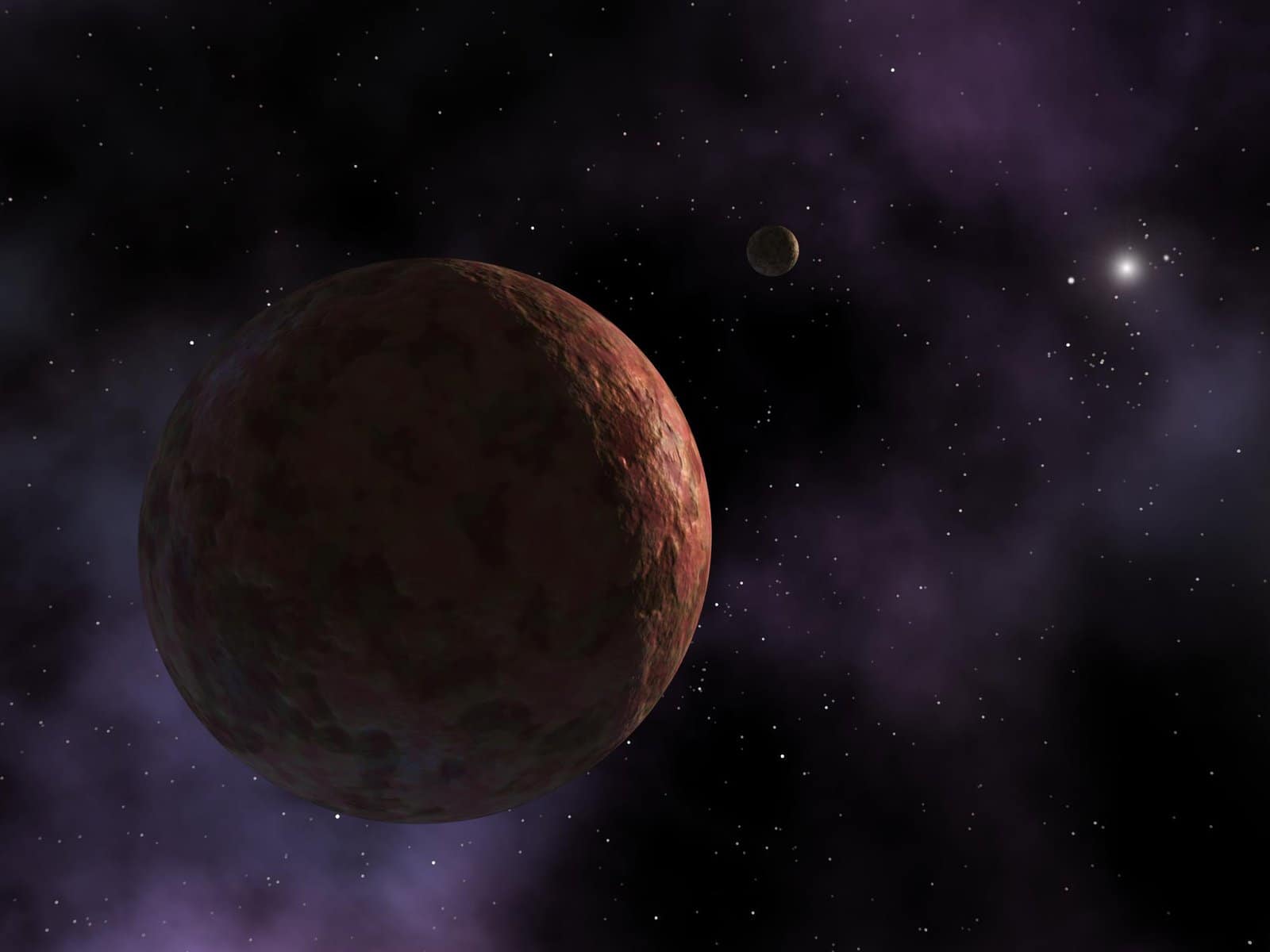
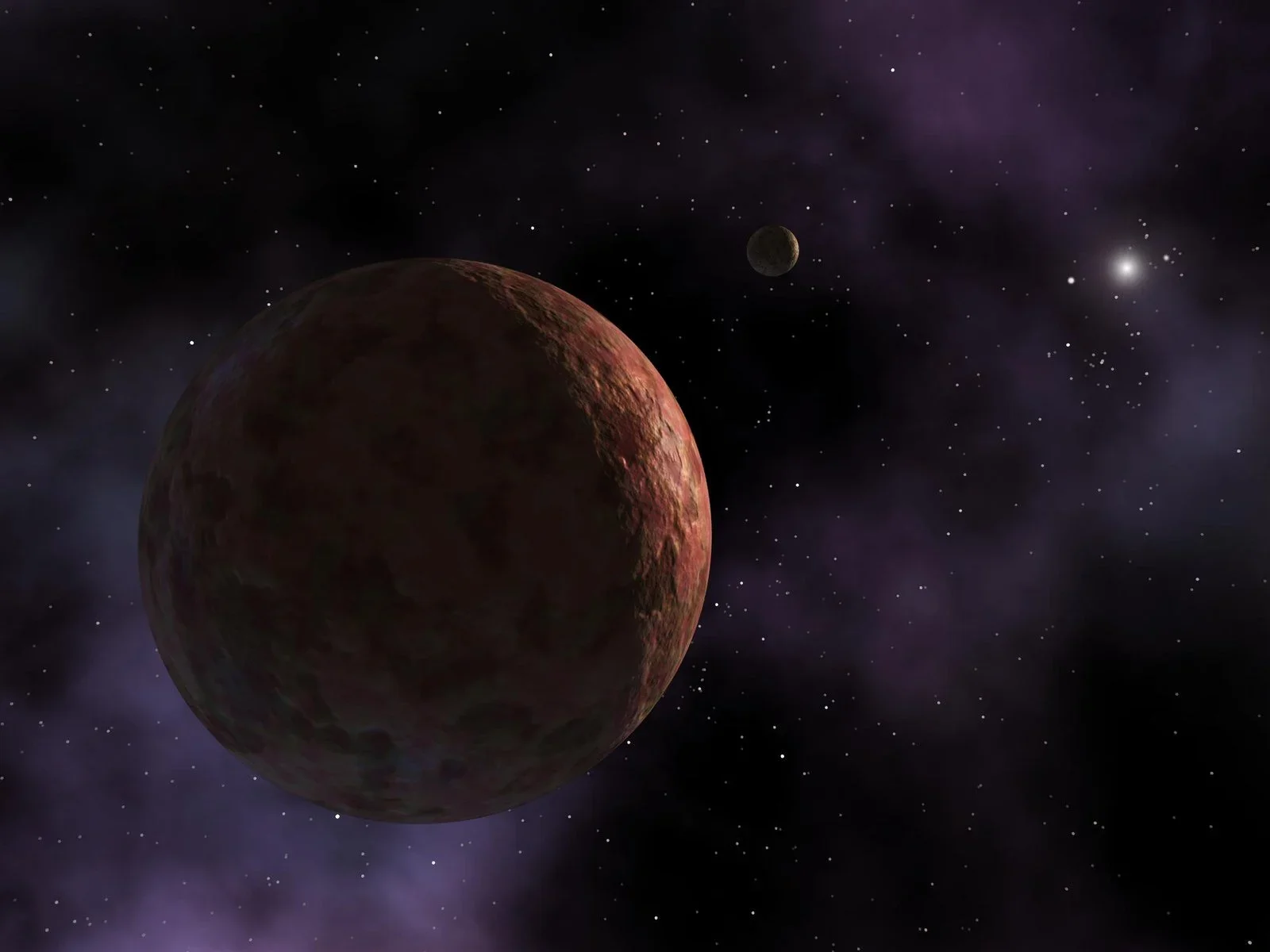
Scientists are racing to send a spacecraft to Sedna, a distant dwarf planet on an elongated orbit that will be closest to the Sun in 2076, to study its composition and origins before it moves away again. Due to the extreme distance, innovative propulsion methods like solar sails or fusion drives are being considered, but both face significant technical challenges. A successful mission could provide valuable insights into the early Solar System and potentially extraterrestrial material, but timing and technological development are critical.
Scientists are exploring new propulsion methods, including nuclear fusion engines and advanced solar sails, to reach the distant dwarf planet Sedna within its upcoming perihelion window, potentially enabling extended study of this mysterious object and its implications for understanding the early solar system.
Scientists are exploring new propulsion methods, including a nuclear fusion engine and advanced solar sailing, to send a mission to Sedna, a distant dwarf planet in the outer Solar System, with potential travel times of 7 to 10 years, enabling detailed study of this mysterious object.
Originally Published 6 months ago — by Hacker News
The article discusses the feasibility and challenges of interstellar travel, emphasizing the need for advanced propulsion systems like solar sails and Dyson Swarms, while also debating the environmental and economic justifications for space exploration, and advocating for sustainable resource use on Earth.
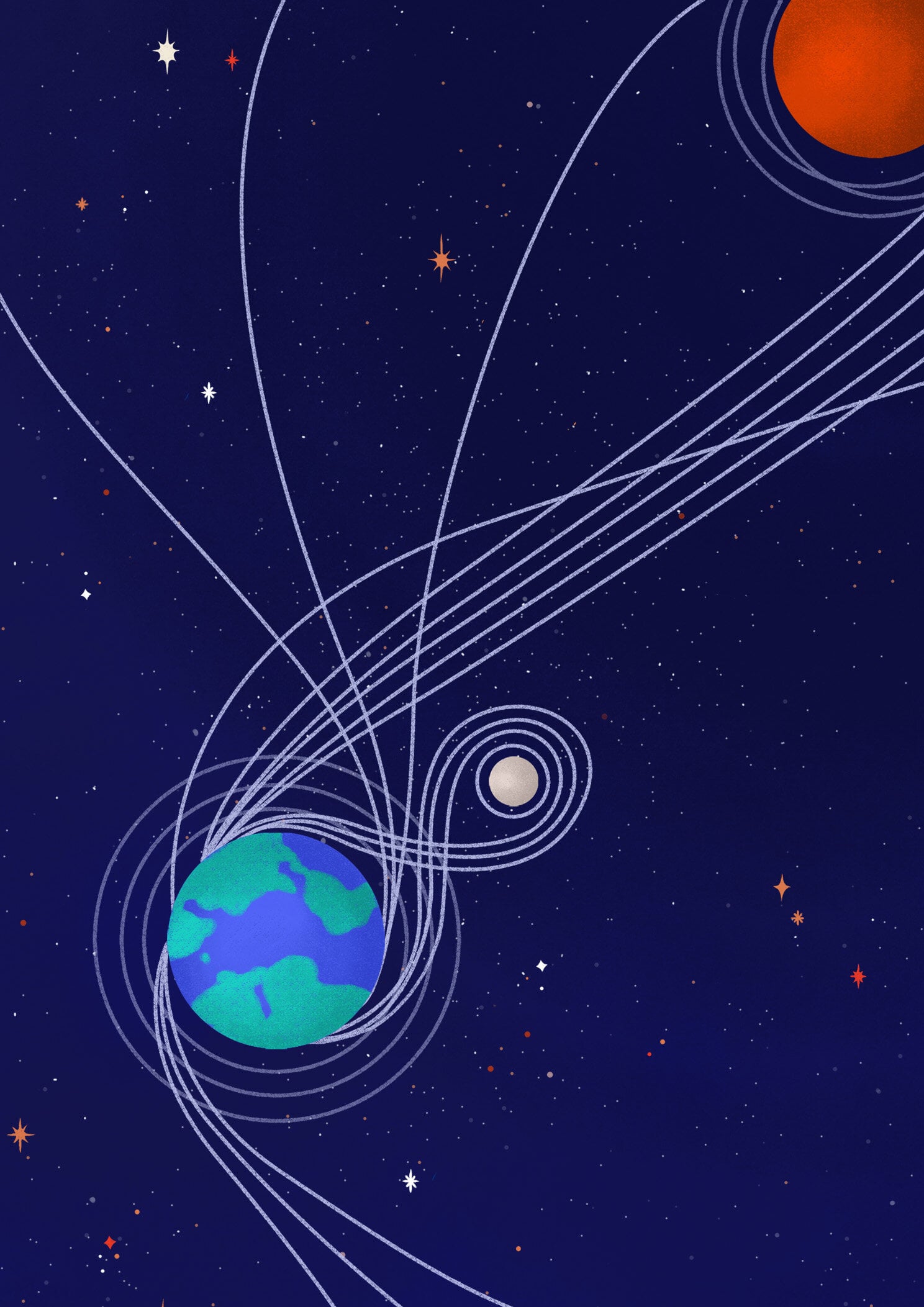
The European Space Agency's Juice spacecraft is taking a long time to reach Jupiter due to various factors, including the amount of fuel used, the power of the rocket, the mass of the spacecraft, and the geometry of the planets. To conserve fuel and achieve the desired trajectory, the spacecraft takes a scenic route and utilizes gravity-assist maneuvers by flying close to Earth, the Earth-moon system, and Venus. Once it arrives at Jupiter in 2031, Juice will conduct a series of flybys of Jupiter's moons, including Ganymede, making it the first spacecraft to orbit a moon other than Earth's.
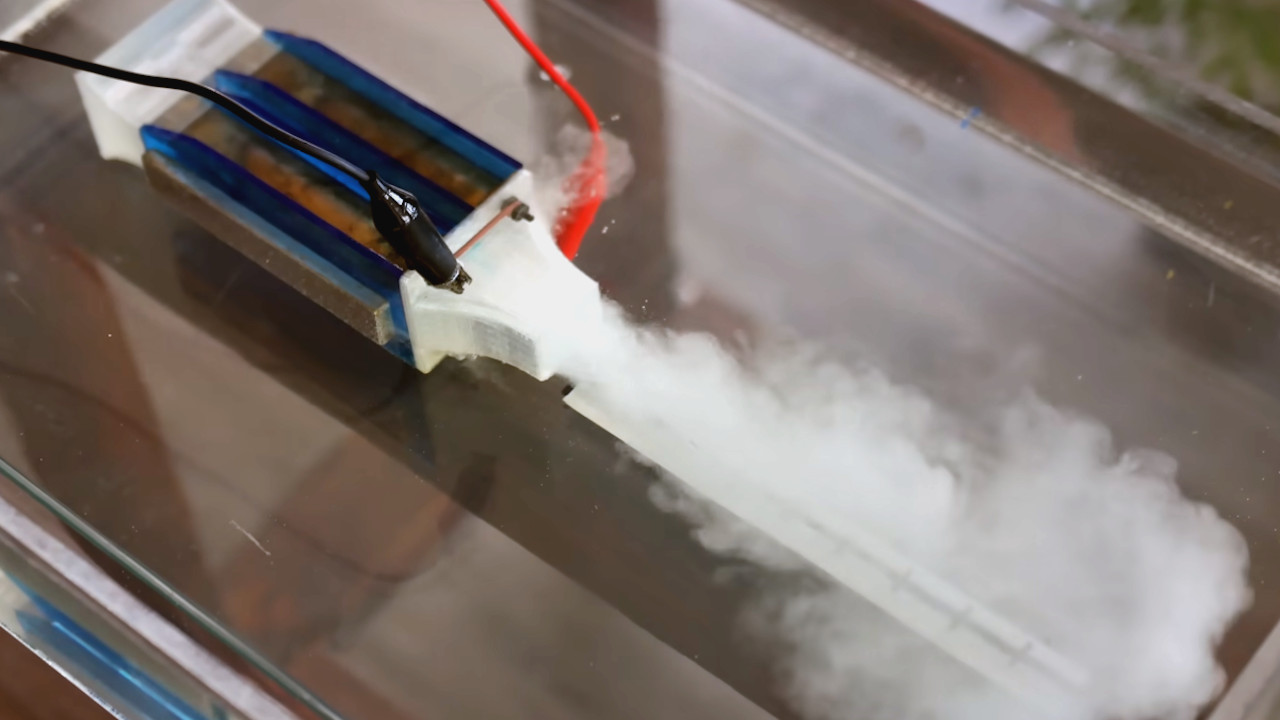
A YouTuber named Jay Bowles has successfully experimented with a magnetohydrodynamic (MHD) drive, a propulsion technology that uses magnets and electrodes to silently propel a craft through water. By using a pair of electrodes and a single magnet, he achieved measurable results with just a standard bench supply. Through various experiments, he found that the MHD drive is forgiving in terms of design specifics, with more power and bigger magnets resulting in higher velocity. However, the brass electrodes showed signs of wear and tear, raising questions about the drive's long-term durability.
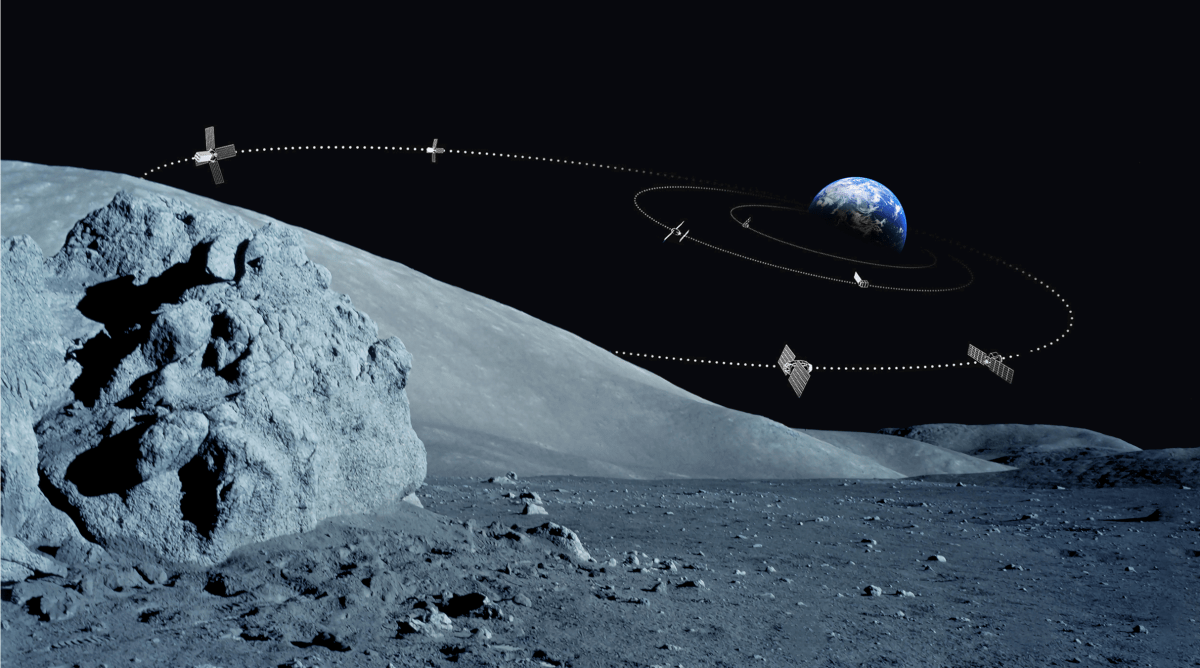
Argo Space Corporation, founded by three SpaceX veterans, plans to build reusable spacecraft propelled by water harvested from the moon to create an in-space transportation network. The company's first spacecraft, the Argonaut, is designed to perform energy-intensive transfers to geosynchronous and beyond, and will depend on lunar water harvested and stored in-space for refueling. Argo recently closed a $2 million funding round to continue development on its technology. The company plans to generate revenue from in-space transportation services until it can get hardware on the moon and prove out its plan.