Tag

Propulsion

All articles tagged with #propulsion

technology6 months ago

Europe advances hypersonic and spaceplane technology with INVICTUS and ESA projects

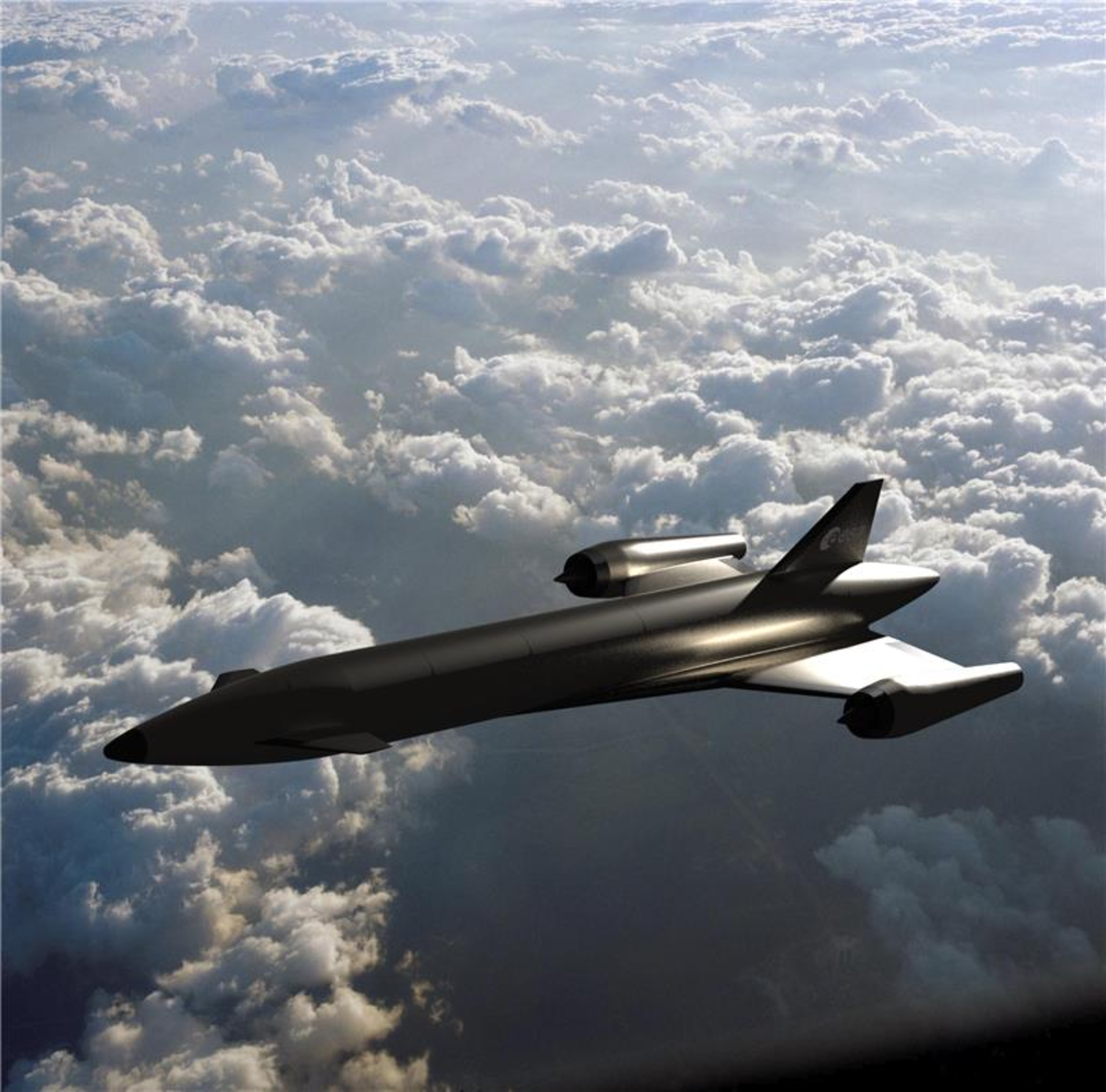
INVICTUS is a European research program led by ESA and Frazer-Nash to develop hypersonic technologies for reusable vehicles capable of Mach 5 flight, focusing on advanced propulsion systems and spaceplane capabilities, with industry and academic collaboration to test and demonstrate key technologies for future aerospace applications.

space-exploration1 year ago

"Sun Slingshot Could Propel Fastest Spacecraft Ever"

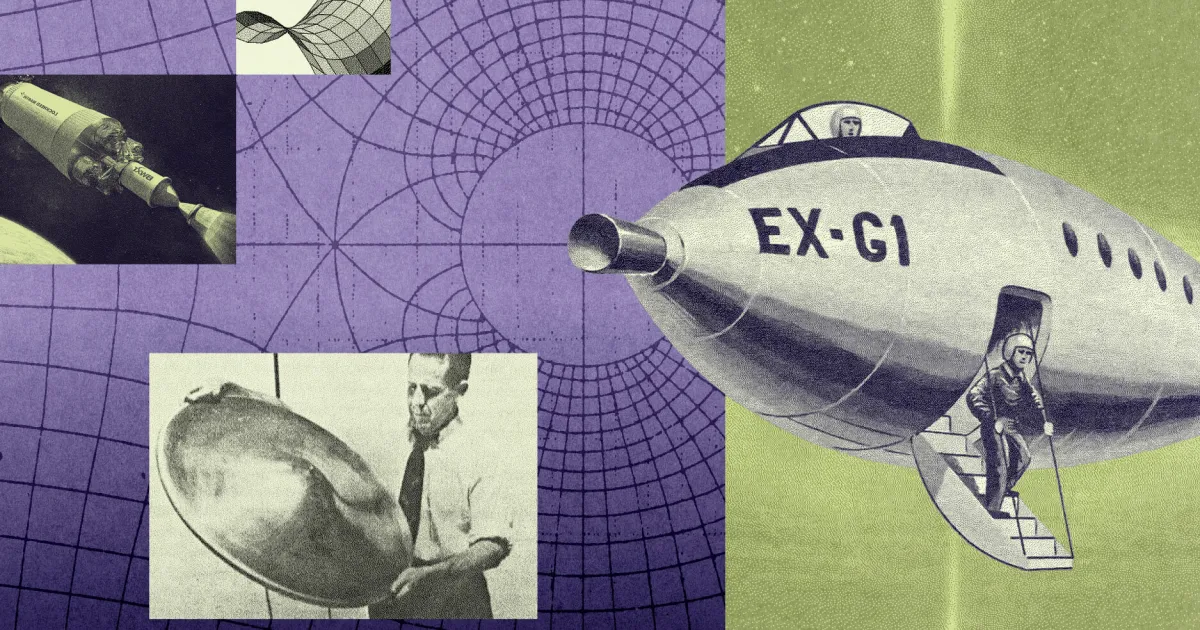
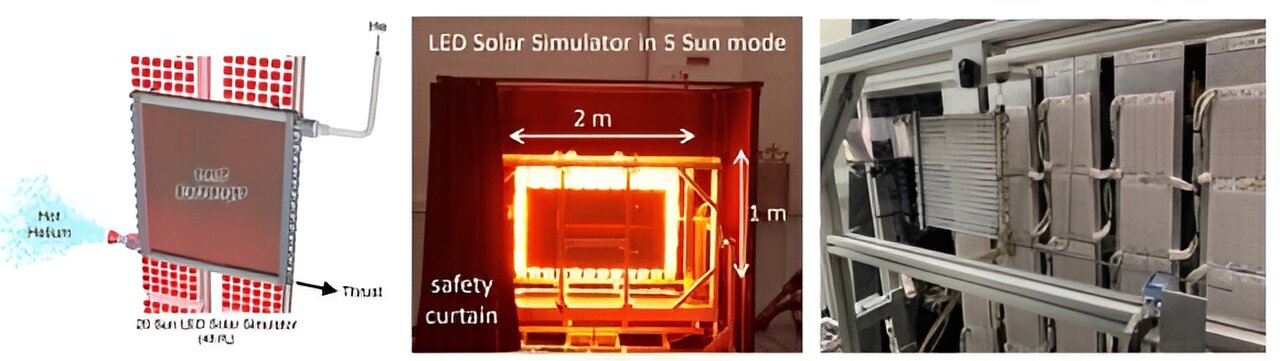
NASA is exploring a new propulsion method involving a heat shield and solar thermal propulsion system to enable spacecraft to perform an Oberth maneuver around the sun, potentially making them the fastest ever. The project, led by Jason Benkoski, has developed a material capable of withstanding high temperatures and identified methane as the most practical fuel. However, further research is needed, and the project has not yet advanced to Phase II.

space1 year ago

"NASA Successfully Deploys Basketball-Court-Sized Solar Sail for Deep Space Propulsion"

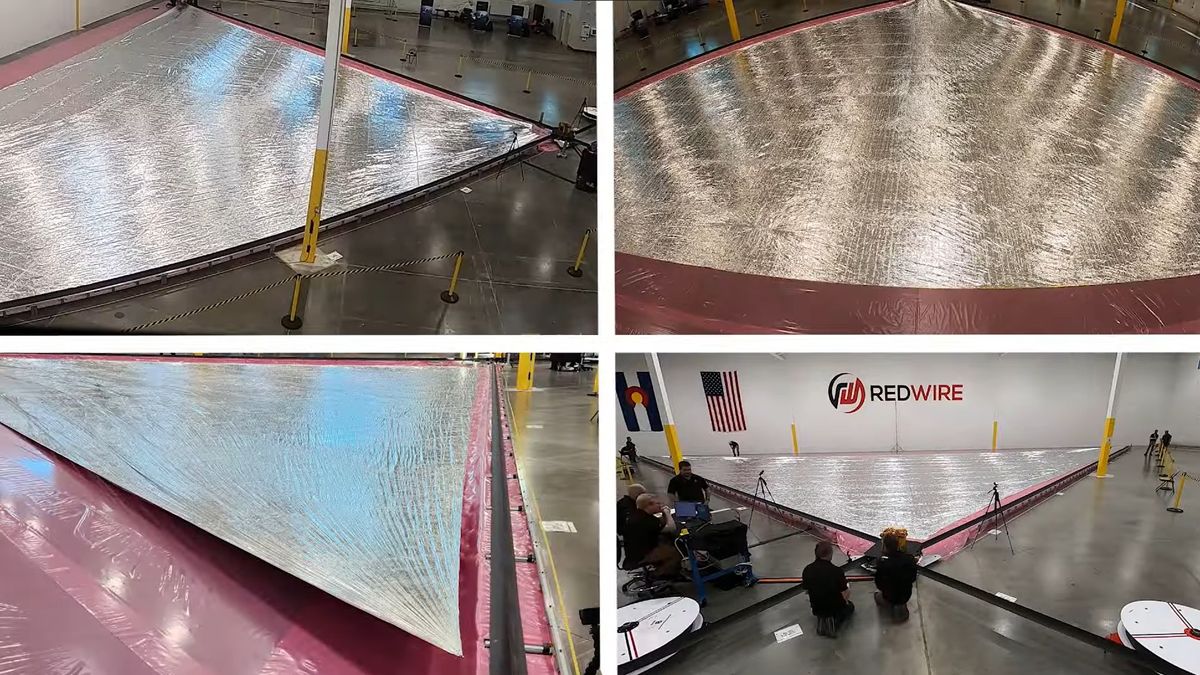
NASA successfully deployed one quadrant of a huge solar sail at Redwire Space's facility in Colorado, marking a significant milestone in experimental spacecraft propulsion using solar radiation. Solar sails harness and reflect sunlight to generate propulsion, making them suitable for low-mass missions in novel orbits without the need for fuel. The technology, now at TRL 6, could soon propel low-cost, long-duration space missions and even accelerate missions beyond the solar system, with potential future use of lasers to accelerate the sails to high speeds.

space-technology1 year ago

"NASA's Innovative Solar Sail Propulsion System Ready for Deep Space Missions"

NASA's solar sail technology has reached Technology Readiness Level 6, making it available for inclusion in mission proposals. The sail, developed over 25 years, is designed to provide precision navigation through space and could enable missions close to the Sun. Solar sails work by reflecting sunlight and offer an efficient, fuel-free propulsion method for uncrewed space missions. The technology has been successfully demonstrated in previous missions, and proposals for its use in upcoming missions are now being sought.

space-technology2 years ago

"Scottish Scientists Showcase Self-Consuming Rocket Engine"

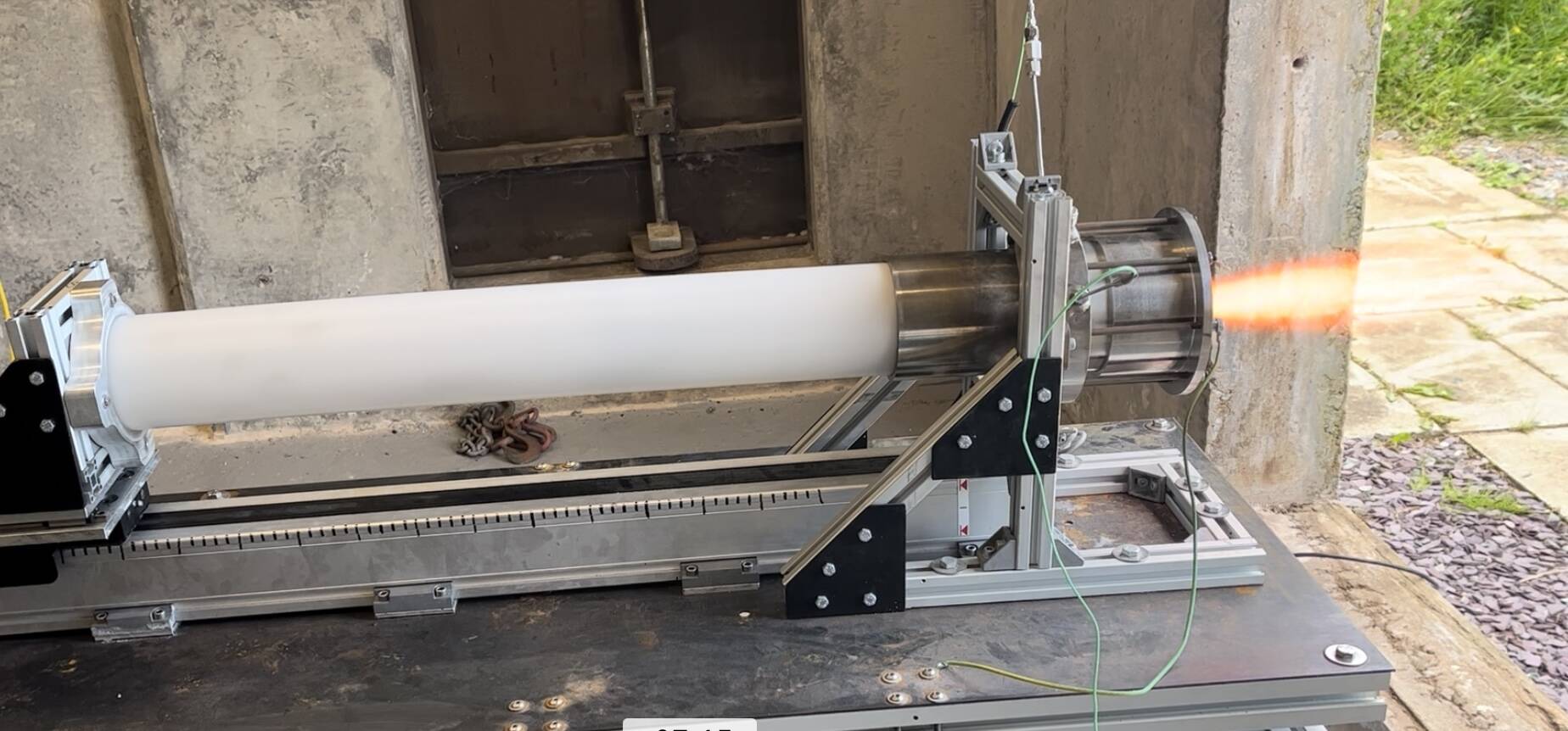
Engineers at the AIAA SciTech Forum showcased the Ouroborous-3, a self-eating rocket engine prototype that generated 100 newtons of thrust in Scotland. The concept involves the rocket consuming its own fuselage, allowing for the use of more energetic liquid propellants and potential for smaller launch vehicles. The team aims to conduct a suborbital test flight by 2027 and has received funding from the UK Space Agency and UKRI for further development.

space-technology2 years ago

"ESA Develops Revolutionary Pinhole Propulsion System for Satellites"

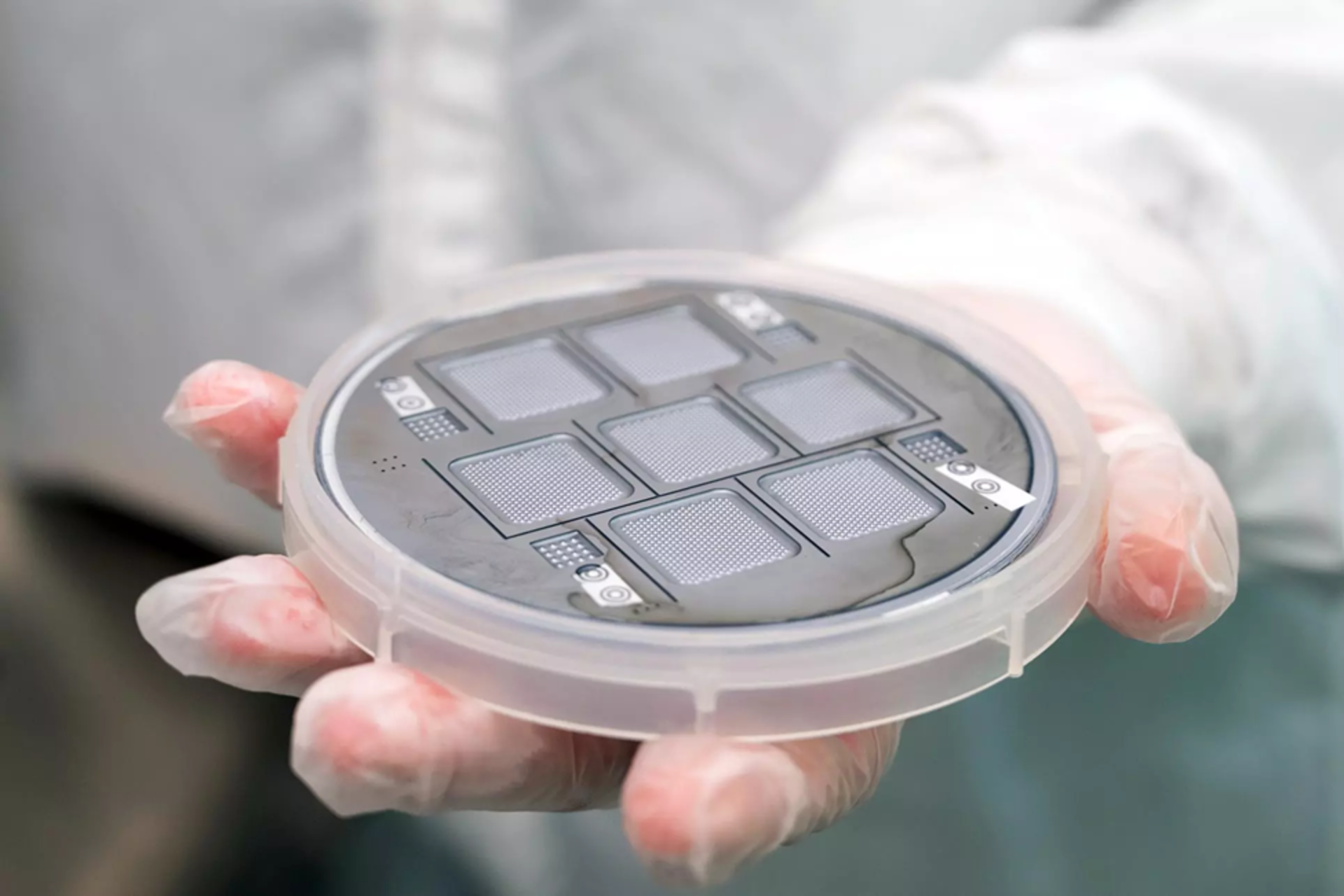
European Space Agency (ESA) is developing a palm-sized propulsion system called ATHENA, which uses electrospray technology to propel CubeSats and small satellites. The system, based on ionic-liquid salts as fuel, achieved over 400 hours of continuous operation and offers highly customizable thrust. The micro-fabricated ATHENA system uses non-toxic propellants and can be clustered together to provide thrust for satellites up to 50kg in mass. The project is expected to be completed by the end of next year.

science-and-technology2 years ago

Internet Debunks Magnet Truck's Viability

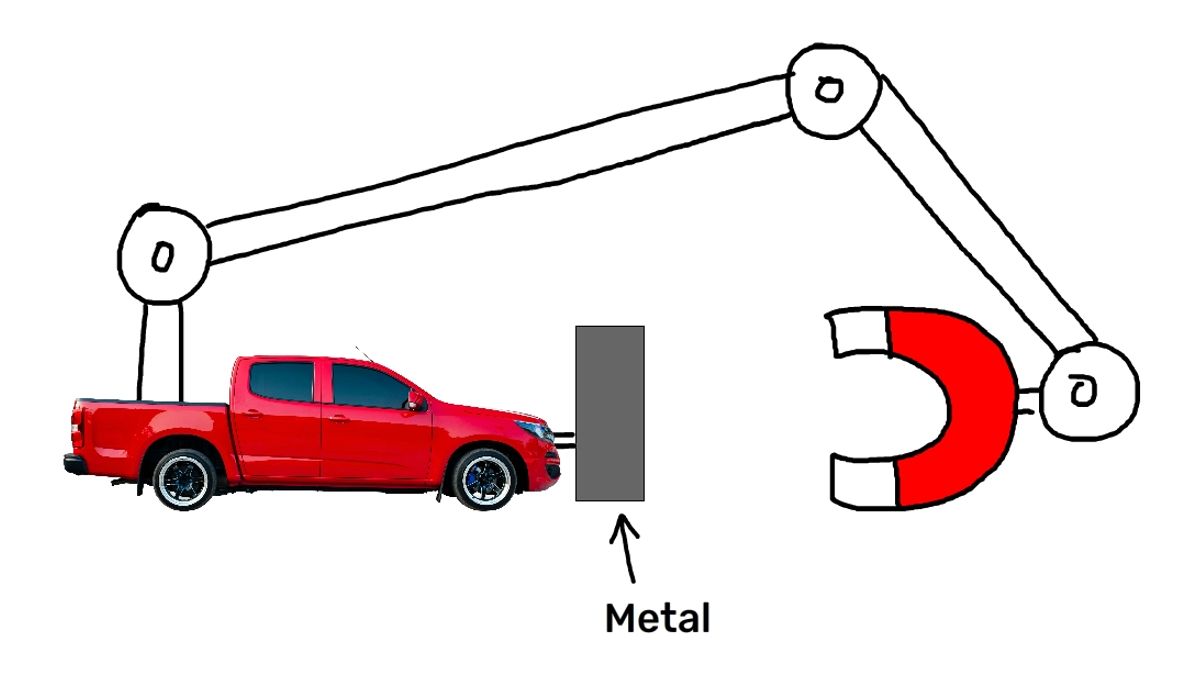
A person invited the internet to give one good reason why a magnet truck wouldn't work, but the laws of physics provide several reasons. The magnet truck would violate fundamental laws such as Newton's First Law of Motion and Newton's Third Law of Motion. The magnet and the truck are part of the same system, canceling out any force and resulting in no propulsion. The idea of using a magnet to power a vehicle is not feasible and would create a perpetual motion machine, which is not possible according to the laws of physics.

space-exploration2 years ago

"Revolutionary Magnetic Fusion Plasma Engines: Propelling Humanity to Interstellar Space"

A recent paper by Leiden Professor Florian Neukart proposes the use of a novel propulsion concept called the Magnetic Fusion Plasma Drive (MFPD) for future space missions. The MFPD combines aspects of fusion propulsion, ionic propulsion, and other concepts to offer high energy density and fuel efficiency greater than conventional methods. It utilizes controlled nuclear fusion reactions to generate thrust and potential electric power, providing high specific impulse, energy-dense fuel, and the ability to adjust thrust and specific impulse for different mission phases. The MFPD has the potential to revolutionize spacecraft design, reduce travel time to distant destinations, and mitigate risks associated with long-duration space missions. However, challenges remain in achieving and maintaining stable fusion reactions in space.

science-and-technology2 years ago

New Study Shows Solar Sails as Potential Interplanetary Guides.

Scientists have proposed merging miniature satellite units with solar sails to create a fast, inexpensive, and lightweight mode of travel for interplanetary missions. Solar sails obtain thrust by using highly reflective, lightweight materials that reflect sunlight to propel a spacecraft while in space. The Sundiver Concept, as the researchers refer to it, combines solar sails and miniaturization to enable affordable missions to reach farther and faster into the outer regions of our solar system, with great promise for heliophysics, planetary science, and astrophysics.

space2 years ago

Revolutionary Rocket Technology May Enable Interstellar Travel in Record Time.

North Dakota-based wireless power company IVO Ltd. has developed an all-electric propulsion system for satellites, the IVO Quantum Drive, which will fly to space for the first time on June 10th, 2023. The system relies on the theory of Quantized Inertia (QI), which posits that Unruh radiation is the origin of inertia. If validated, the Quantum Drive could revolutionize commercial space by providing extreme efficiency, modularity, and eliminating the need for propellants, reducing a spacecraft's overall mass and increasing its payload capacity.

space2 years ago

"Revolutionary Pellet-Beam Propulsion Could Cut Voyager 1 Travel Time by 5 Years"

A new spacecraft propulsion system that uses pellets accelerated by a laser beam could reach speeds of up to 480,000 km/h, making it 10 times faster than traditional rocket propulsion systems. The system could potentially overtake Voyager 1, the farthest human-made spacecraft from Earth, in just five years. The concept, which has received $175,000 in funding from NASA's NIAC program, is still in the early stages of development and relies on significant advances in laser design.