Tag

Seafood Industry

All articles tagged with #seafood industry

science-and-environment1 year ago

Scientists Urge Ban on Boiling Crabs Alive Due to Pain Sensitivity

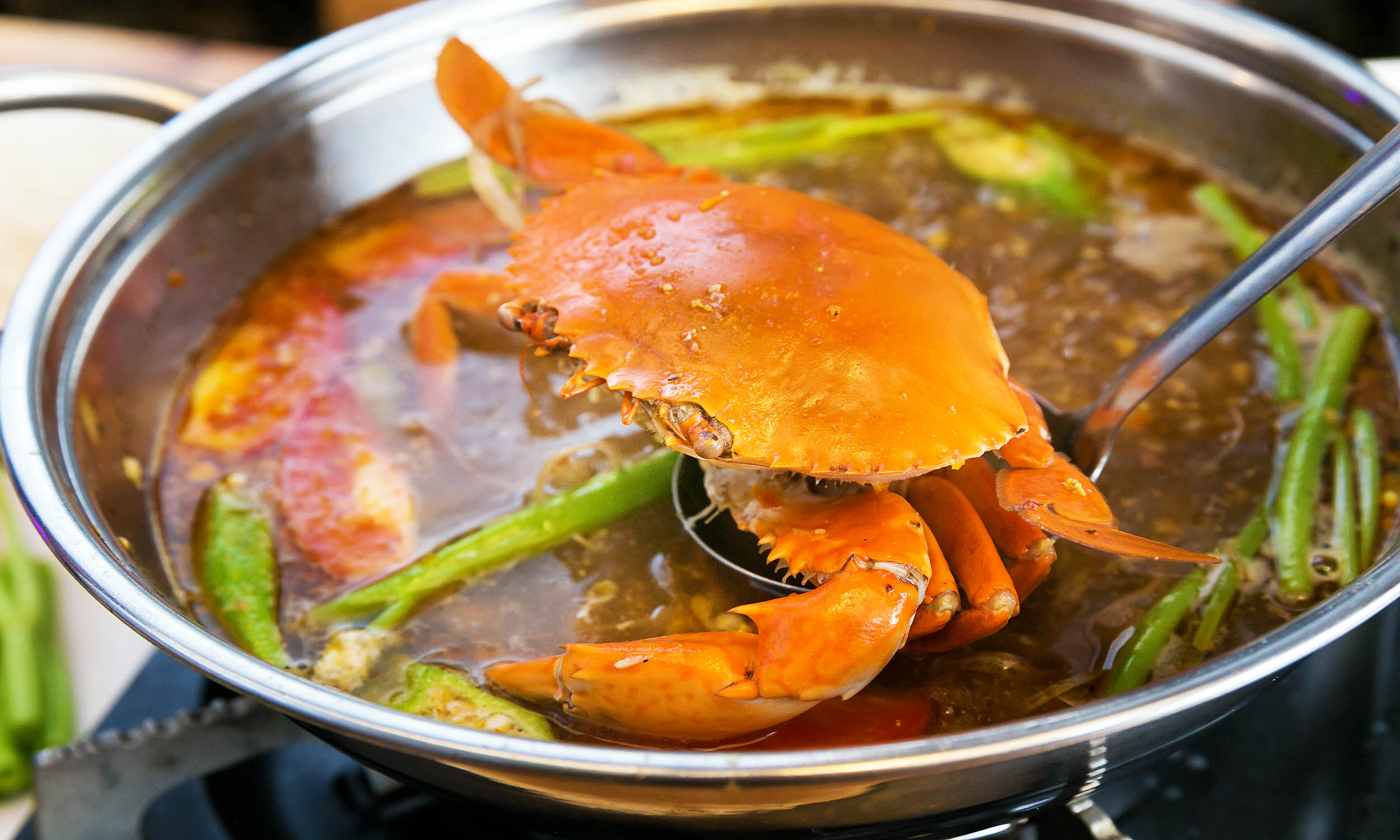
A recent study led by the University of Gothenburg suggests that crabs and potentially other crustaceans like lobsters can feel pain, prompting calls for more humane methods of killing these animals. The research, which recorded increased brain activity in crabs when exposed to harmful stimuli, indicates a need to reconsider current practices in the seafood industry. As crustaceans play crucial ecological and economic roles, the study advocates for better regulations and consumer support for humane treatment to prevent unnecessary suffering.

business1 year ago

"Red Lobster's Collapse: A Tale of Bankruptcy and Industry Shifts"

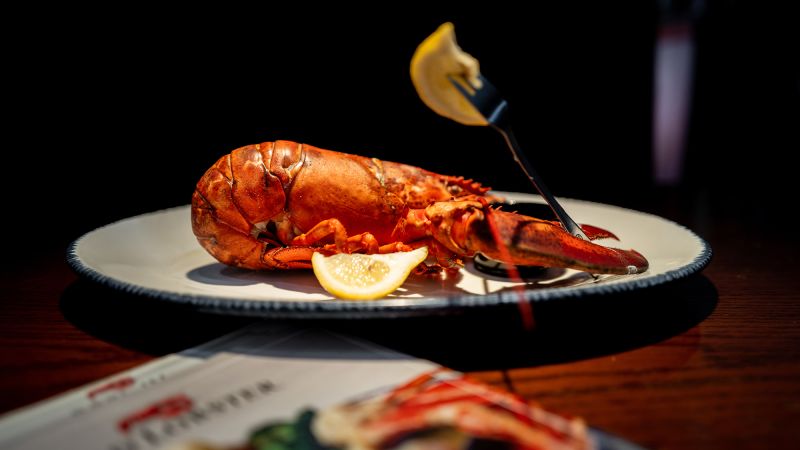
Red Lobster has filed for Chapter 11 bankruptcy and plans to sell its business to lenders, citing damaging decisions by its leading shareholder, Thai Union Group. Despite initial promises not to interfere, Thai Union embedded executives in Red Lobster's operations, leading to supply chain disruptions, management turnover, and poor strategic decisions, including a disastrous $20 endless shrimp promotion. Former employees and analysts argue that Thai Union's mismanagement, rather than external factors like the pandemic, was the primary cause of Red Lobster's decline.

environment2 years ago

The Fallout of Fukushima: Seafood Sales Plummet as Radiation Fears Persist

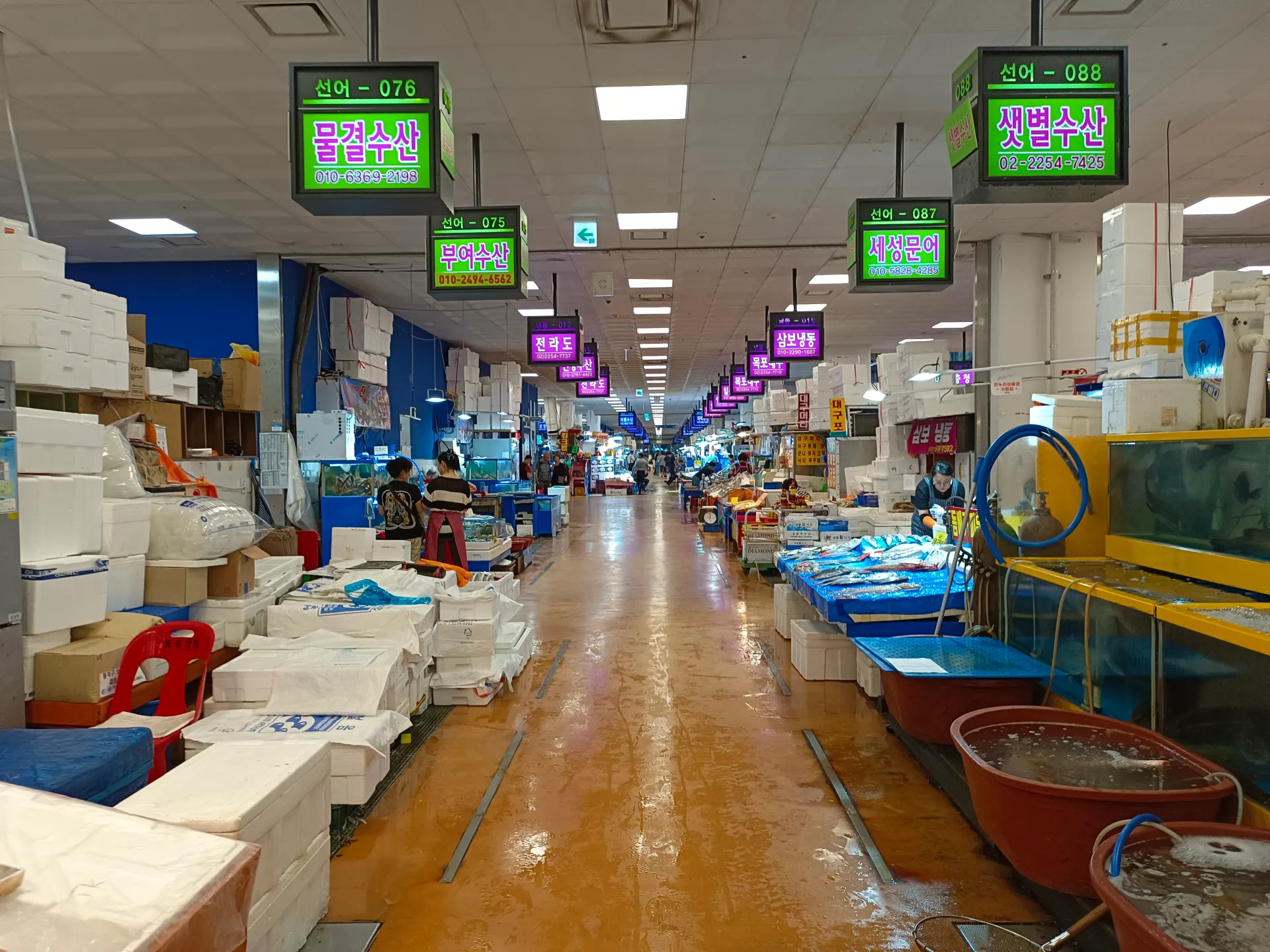
South Korean seafood sellers are facing economic uncertainty as public concerns persist over the safety of seafood following Japan's decision to release treated water from the Fukushima nuclear power plant. Despite scientific consensus that the plan poses minimal risk, a recent survey showed that 92.4% of respondents would reduce their seafood consumption. Seafood merchants are already struggling due to the pandemic, and the ongoing safety concerns could further impact the industry. The South Korean government has implemented precautionary measures and conducted tests to ensure the safety of seafood, but critics, including Greenpeace, argue that the radiological risks have not been fully assessed. The issue has become politically charged, with opposition parties using it to criticize the government ahead of parliamentary elections.

environment2 years ago

"Fukushima's Water Release Sparks Concerns for Business Setbacks"

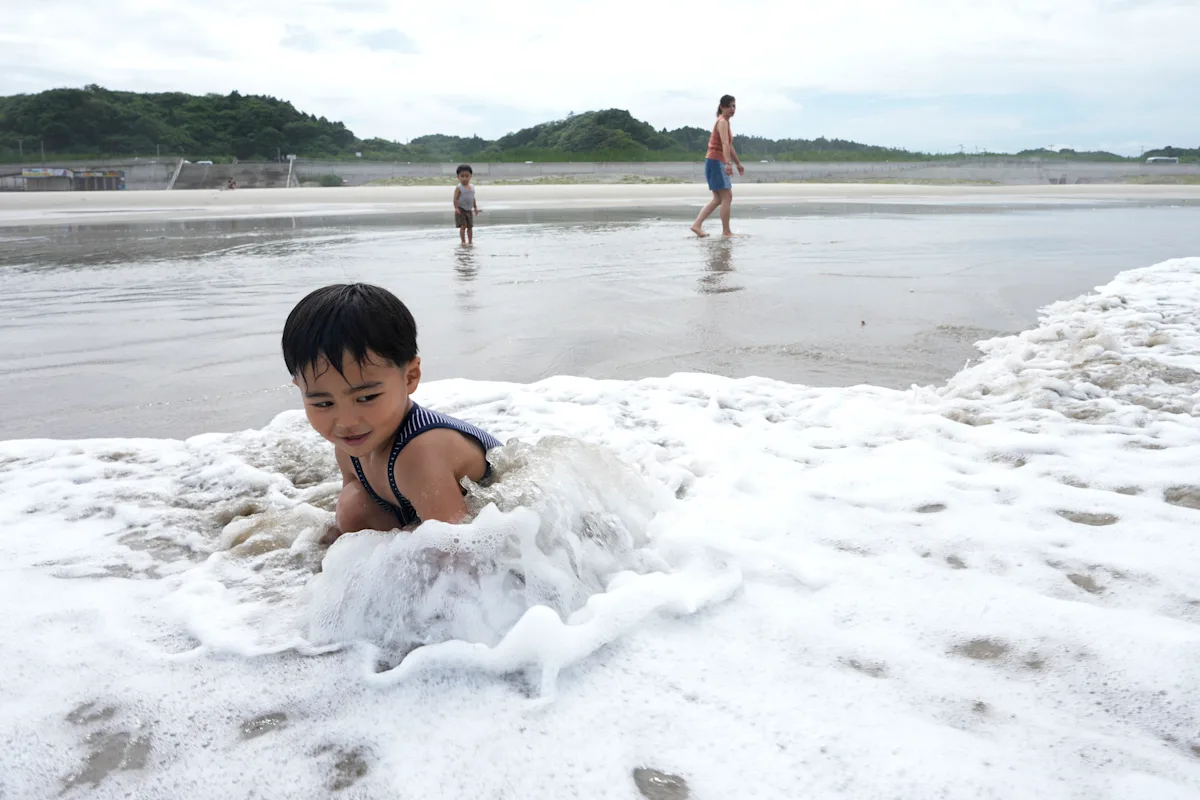
The tsunami-hit Fukushima Daiichi nuclear power plant in Japan is expected to release treated radioactive wastewater into the sea within weeks, a plan that has faced protests and concerns about its impact on the local economy. Residents worry that the water discharge could harm Fukushima's image and hurt businesses and livelihoods. The government and Tokyo Electric Power Company Holdings (TEPCO) argue that the water will be treated and diluted to safe levels, but some residents and fishing organizations remain skeptical. China and Hong Kong have expressed concerns and threatened import restrictions on Japanese seafood. The International Atomic Energy Agency (IAEA) has deemed the method safe, but some experts call for more data on the long-term effects of low-dose radionuclides in the water.

environment2 years ago

Global Opposition Grows Against Deep-Sea Mining as Concerns Mount

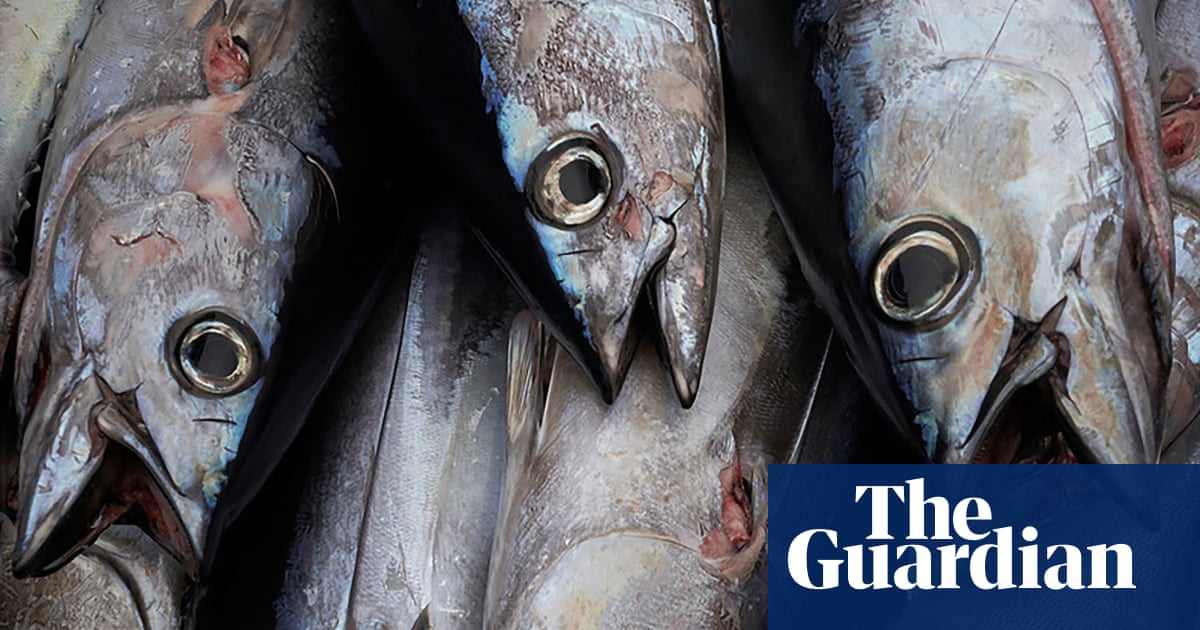
Seafood groups representing a significant portion of the global tuna trade, including major supermarket suppliers, have joined the Sustainable Seafood Coalition in calling for a halt to deep-sea mining. A new study reveals that tropical tuna fishing grounds in the Pacific would overlap with mining plans, potentially impacting sustainable fisheries. The study highlights the potential conflict between the two industries as warming oceans alter the tuna's range. The groups are deeply concerned about the potential impacts of deep-sea mining on ocean ecosystems and global food security. They are urging the International Seabed Authority to establish strong regulations before granting any exploration contracts.

food-technology2 years ago

Lab-grown fish tastes like the real deal.

Scientists have created the world's first 3D-printed lab-grown fish fillet, which mimics the texture and taste of real fish. The cells were grown in a lab, without putting further pressure on dwindling fish populations. The Singapore-based company, Umami Meats, extracted cells from a grouper before growing them into muscle and fat. The fish can be cooked as soon as it's printed, unlike cultivated meats which still require incubation and maturation after printing. The company hopes to bring its product to the market in a matter of months, pending food regulation rules.