Tag

Crustaceans

All articles tagged with #crustaceans

science1 year ago

New Deep-Sea Predator 'Darkness' Discovered in Ocean Depths

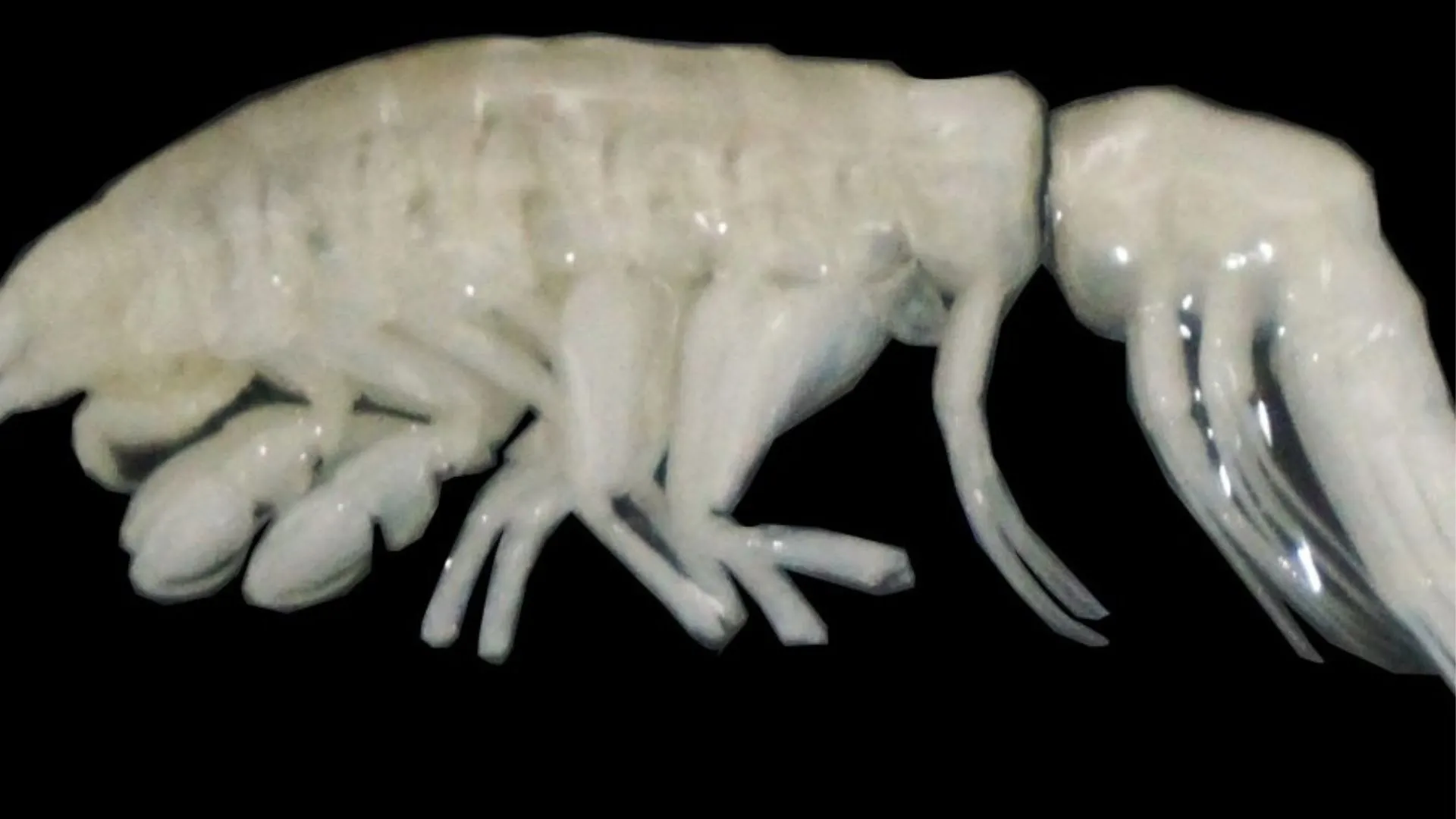
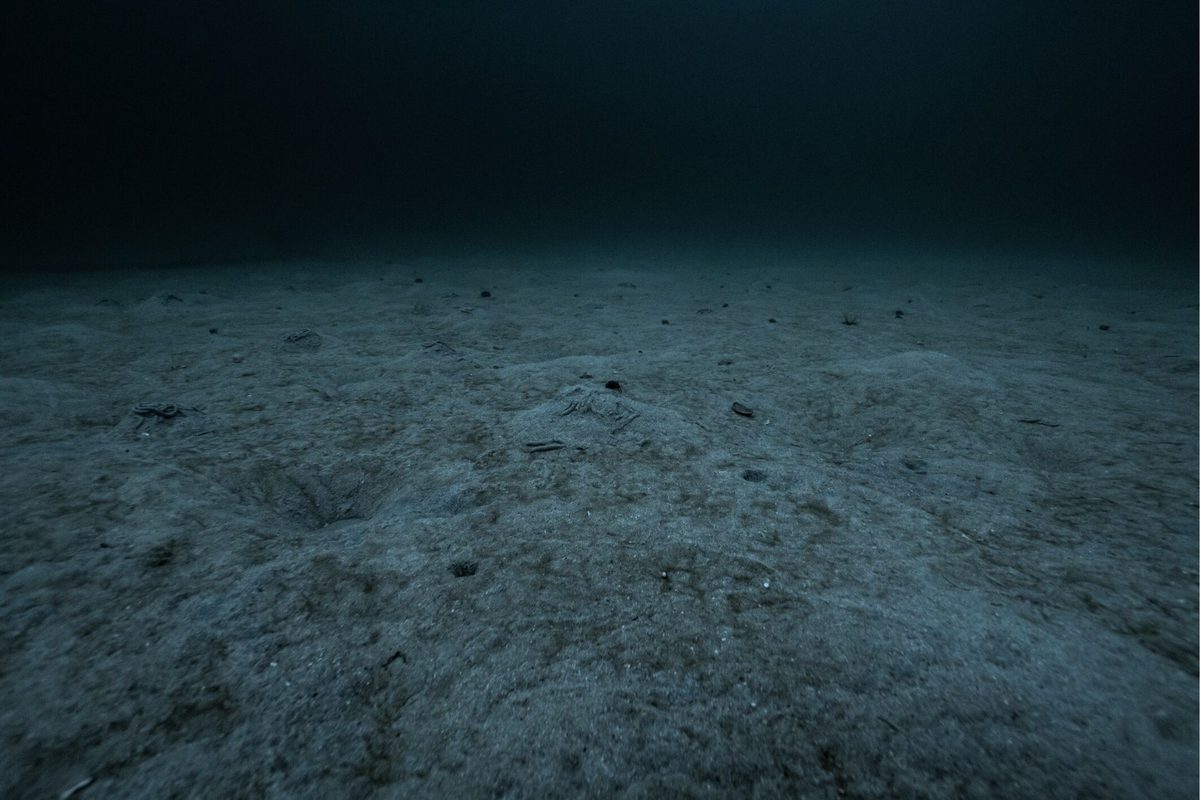
Researchers have discovered a new predatory crustacean species, Dulcibella camanchaca, in the hadal zone of the Atacama Trench. This fast-swimming predator, nearly 4 cm long, uses specialized appendages to capture smaller amphipods. The discovery, part of the 2023 Integrated Deep-Ocean Observing System Expedition, highlights the Atacama Trench as a biodiversity hotspot and underscores the importance of continued deep-sea exploration to understand and protect these unique ecosystems.

science1 year ago

Newly Discovered 'Darkness' Predator Thrives in Atacama Trench Depths

Scientists have discovered a new predatory crustacean species, Dulcibella camanchaca, in the Atacama Trench, one of the deepest parts of the Pacific Ocean. This 4-centimeter amphipod, found at depths of 25,900 feet, is the first large active predator identified in such extreme conditions. The discovery, made by researchers from the Woods Hole Oceanographic Institution and the Instituto Milenio de Oceanografía, highlights the Atacama Trench as a biodiversity hotspot and underscores the importance of deep-ocean exploration.

science1 year ago

New Deep-Sea Predator Discovered in Atacama Trench

A new species of large predatory amphipod, Dulcibella camanchaca, has been discovered in the Atacama Trench, one of the deepest parts of the ocean. This crustacean, measuring four centimeters, is the first of its kind found at such depths and highlights the unique biodiversity of the trench. The discovery was made during the 2023 IDOOS Expedition, emphasizing the importance of deep-ocean exploration and the potential for further discoveries in these remote environments.

science-and-environment1 year ago

Scientists Urge Ban on Boiling Crabs Alive Due to Pain Sensitivity

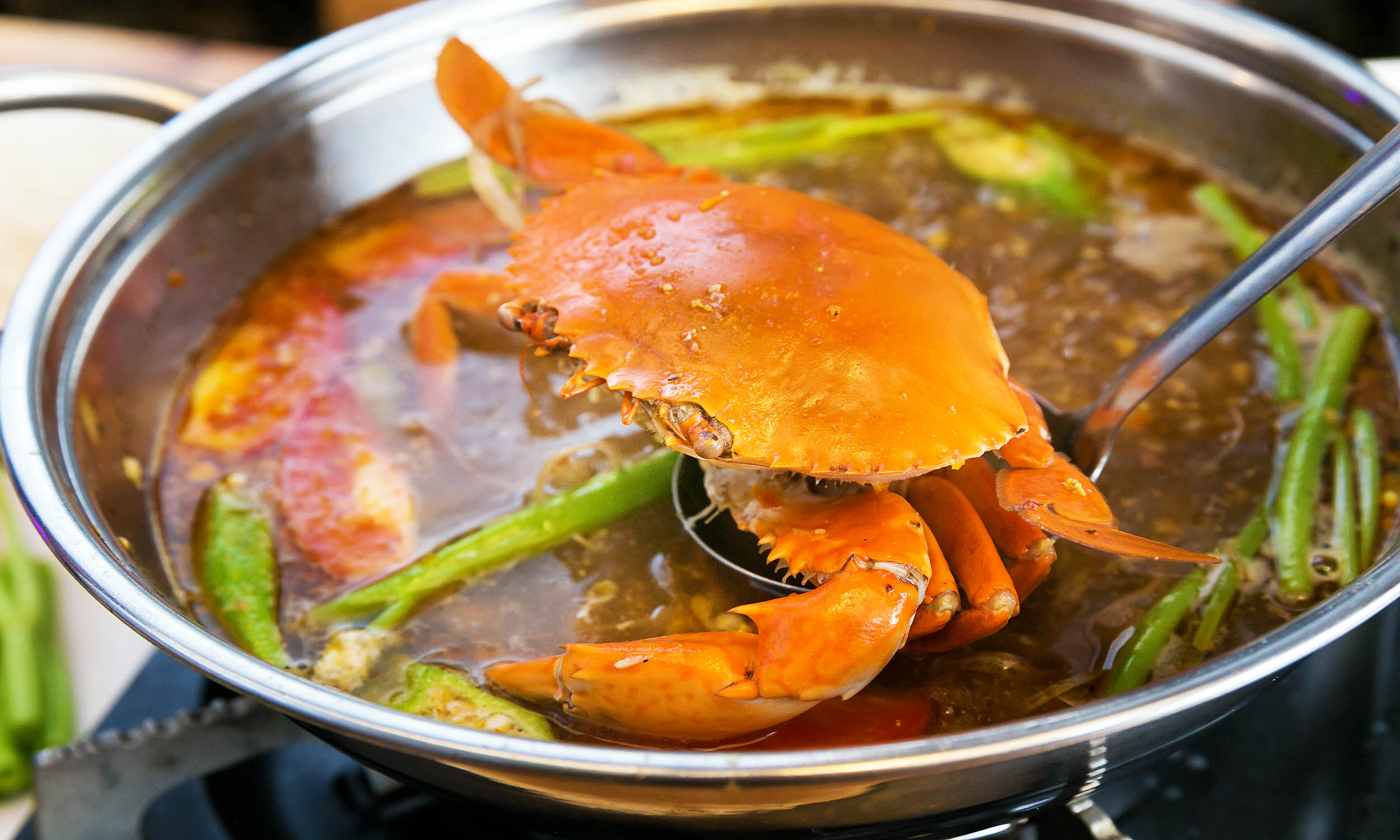
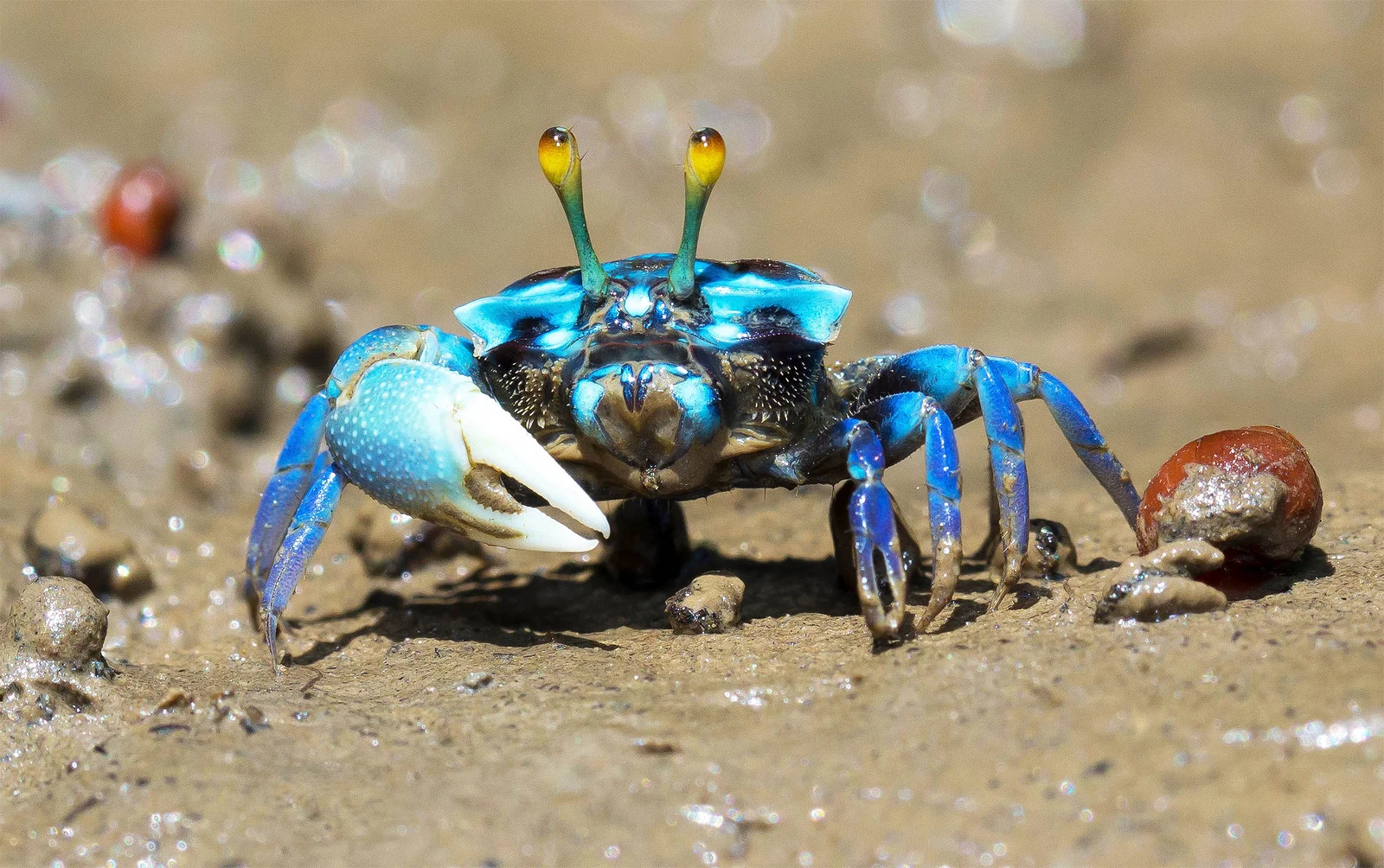
A recent study led by the University of Gothenburg suggests that crabs and potentially other crustaceans like lobsters can feel pain, prompting calls for more humane methods of killing these animals. The research, which recorded increased brain activity in crabs when exposed to harmful stimuli, indicates a need to reconsider current practices in the seafood industry. As crustaceans play crucial ecological and economic roles, the study advocates for better regulations and consumer support for humane treatment to prevent unnecessary suffering.

science1 year ago

"Arctic Night Discovery: Tiny Crustaceans Prey on Live Jellyfish"

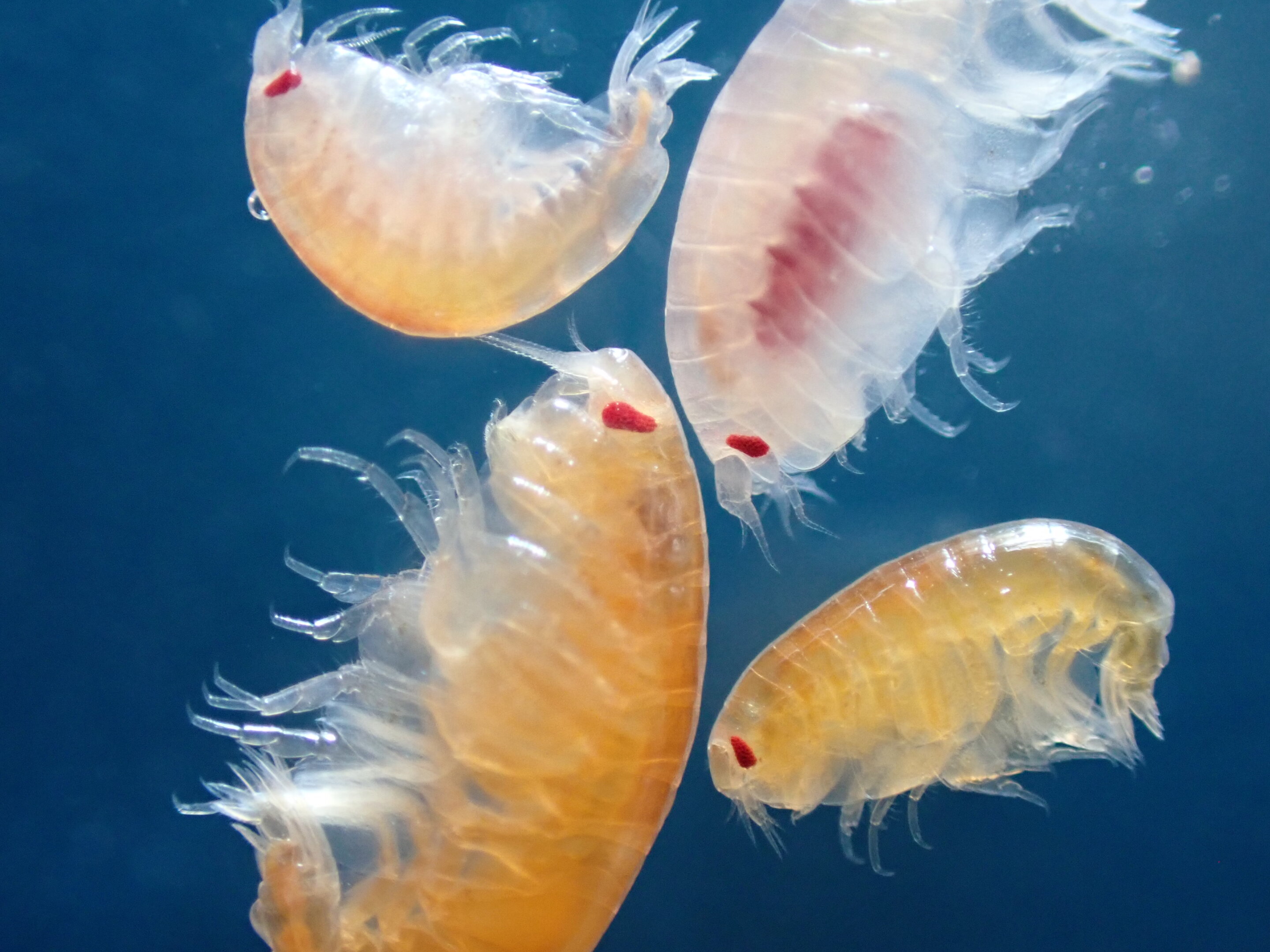
Scientists have discovered that tiny crustaceans in the Arctic, specifically amphipods, are preying on live and dead jellyfish during the polar night, a time of limited food resources. DNA metabarcoding revealed that these crustaceans, including species like Orchomenella minuta and Anonyx sarsi, consume jellyfish tissue as a significant part of their diet, along with fish and other marine organisms. This finding challenges the previous notion that jellyfish are poor in nutrients and sheds light on the importance of jellyfish in the Arctic marine food web, especially as their populations increase due to 'Atlantification' from warming Arctic waters.

science2 years ago

The Evolutionary Link: How Caterpillars Developed 'Prolegs' from Ancient Crustaceans

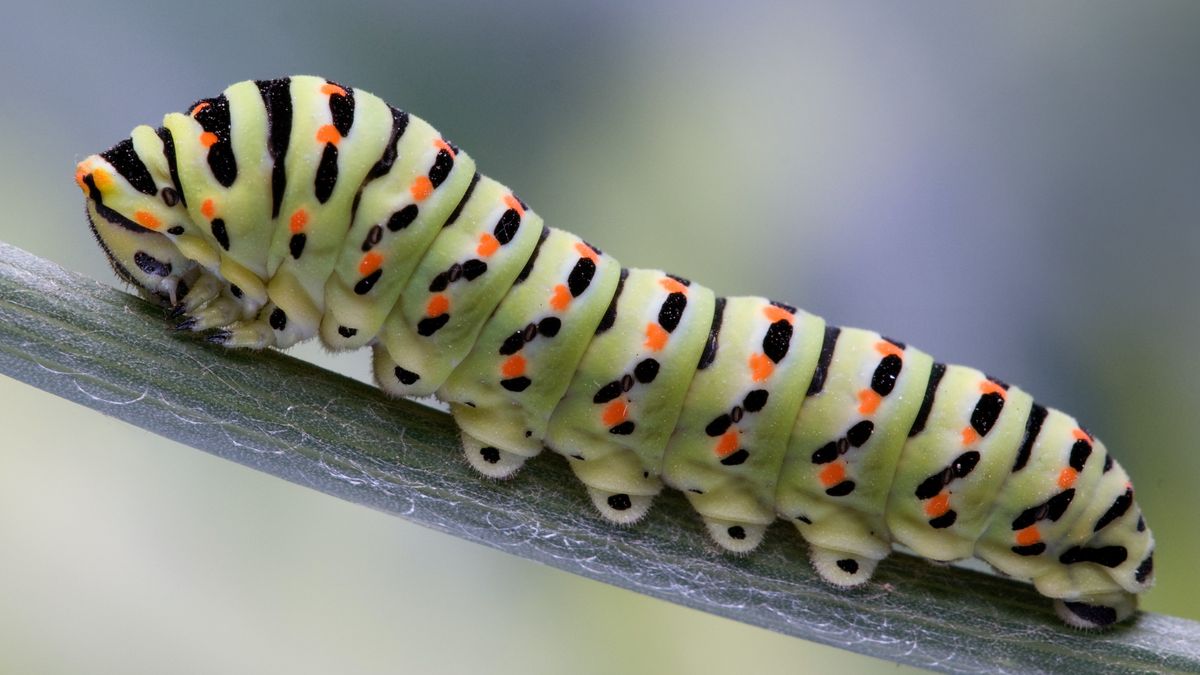
Caterpillars' extra sets of legs, known as prolegs, have been traced back to their crustacean ancestors over 400 million years ago, according to a study published in Science Advances. These unjointed limbs with gripping hooks function like spiky suction cups and emerge from the abdomen. Prolegs are powered by hydraulic pressure and help caterpillars grab onto substrates while their other legs assist with feeding or movement. The study found that prolegs are modified endites, leg structures apparent in ancestral crustaceans, which were reactivated in butterflies and moths. This evolutionary repurposing of structures from crustacean ancestors has occurred multiple times and for multiple functions in insects.

health2 years ago

"Shellfish Shells: A Metabolism-Boosting Delicacy"

A study with mice suggests that consuming chitin, a dietary fiber found in crustacean shells, insects, and mushrooms, can activate the immune system and benefit metabolism. Researchers found that digesting chitin engages the immune system, leading to less weight gain, reduced body fat, and resistance to obesity. The study also revealed that chitin digestion involves stomach cells ramping up production of enzymes to break down chitin. Mice that ate chitin but couldn't break it down gained the least amount of weight and resisted obesity. The findings may have implications for combating obesity in humans.