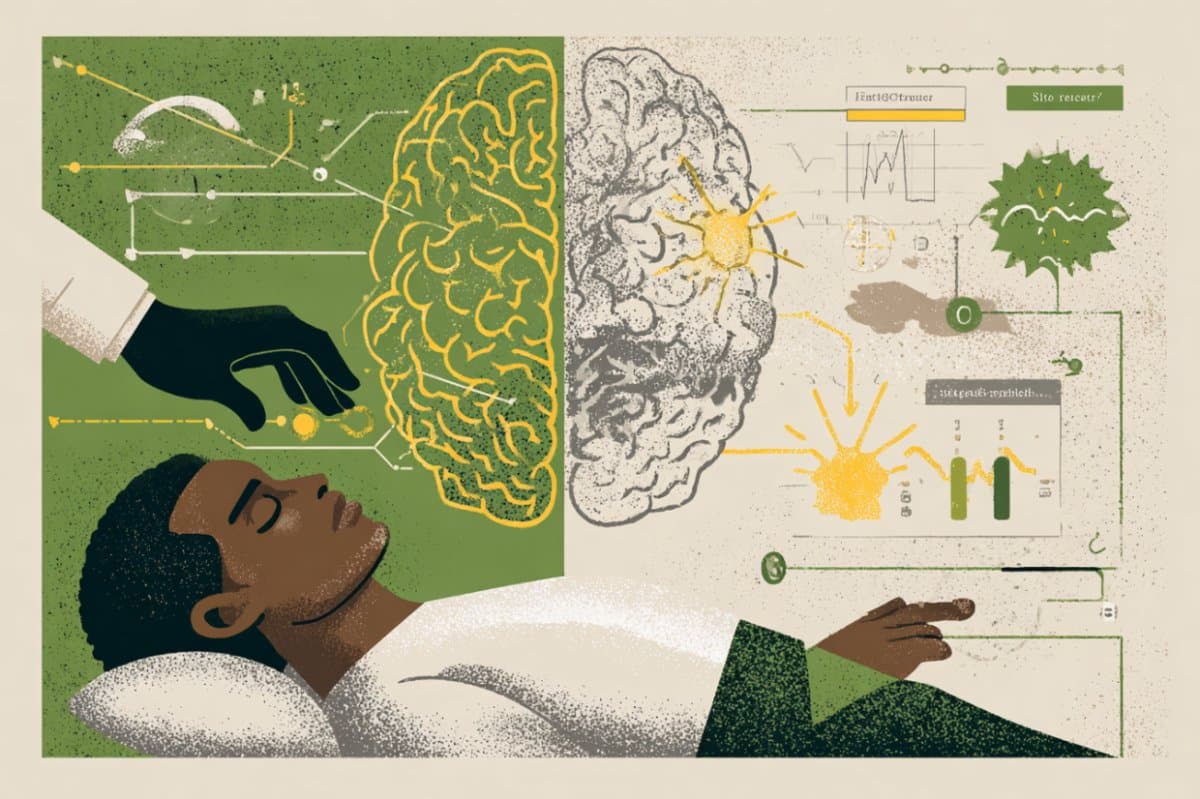
A study reveals that musicians experience less pain and have more refined brain maps related to hand control, suggesting that musical training can rewire the brain to reduce pain sensitivity and response, highlighting potential for new pain management therapies.
Research suggests that musicians experience less pain and have more refined brain maps related to hand control, likely due to their extensive training, which may provide a buffer against pain and influence how their brains respond to it.
A brain imaging study shows that expectations influence pain differently depending on whether they are shaped by external cues or treatment information, with cues affecting pain-related brain activity more reliably than placebo explanations, highlighting the importance of how healthcare providers communicate with patients.
A recent study led by the University of Gothenburg suggests that crabs and potentially other crustaceans like lobsters can feel pain, prompting calls for more humane methods of killing these animals. The research, which recorded increased brain activity in crabs when exposed to harmful stimuli, indicates a need to reconsider current practices in the seafood industry. As crustaceans play crucial ecological and economic roles, the study advocates for better regulations and consumer support for humane treatment to prevent unnecessary suffering.
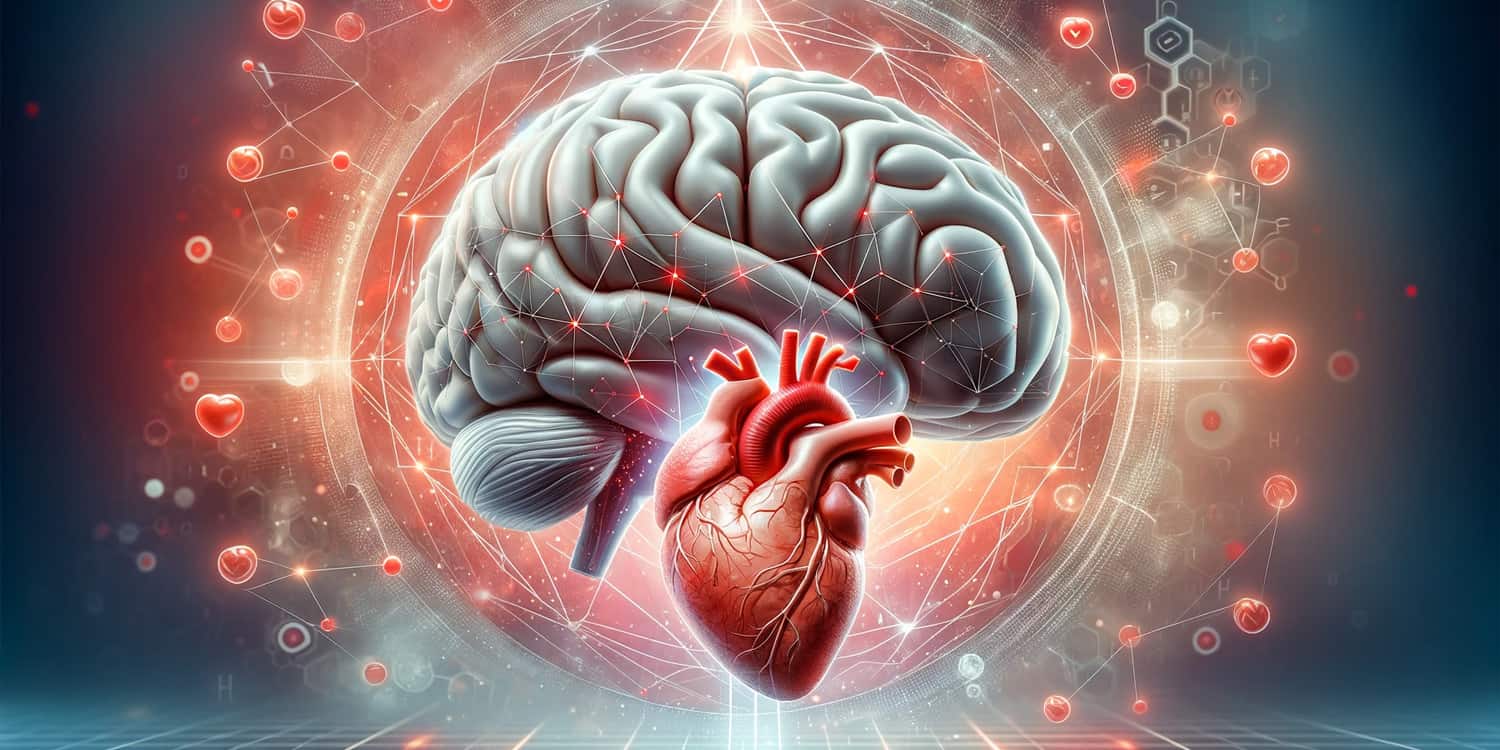
Two experiments conducted in Italy found that exposing participants to falsely accelerated cardiac feedback, such as playing faster heartbeat sounds, prior to administering electric shocks resulted in participants perceiving the shocks as more painful. This artificial feedback also triggered an enhanced physiological response, causing a slower heartbeat. The study sheds light on the psychological mechanisms of pain perception and highlights the influence of interoceptive sensations on pain experience. However, the study's small sample size and limited age range of participants warrant further research.
A study conducted by researchers at Indiana University has identified a connection between alcohol use disorders (AUDs) and a group of genes that influence neuronal plasticity and pain perceptions. Using three different animal models, the study found that genes involved in pain sensation interact with neural channel and neural excitation genes, which are responsible for neural communication. The findings suggest that early identification of a genetic predisposition to alcoholism could lead to more targeted treatment or prevention strategies, and raise the possibility of genetic testing for alcoholism.
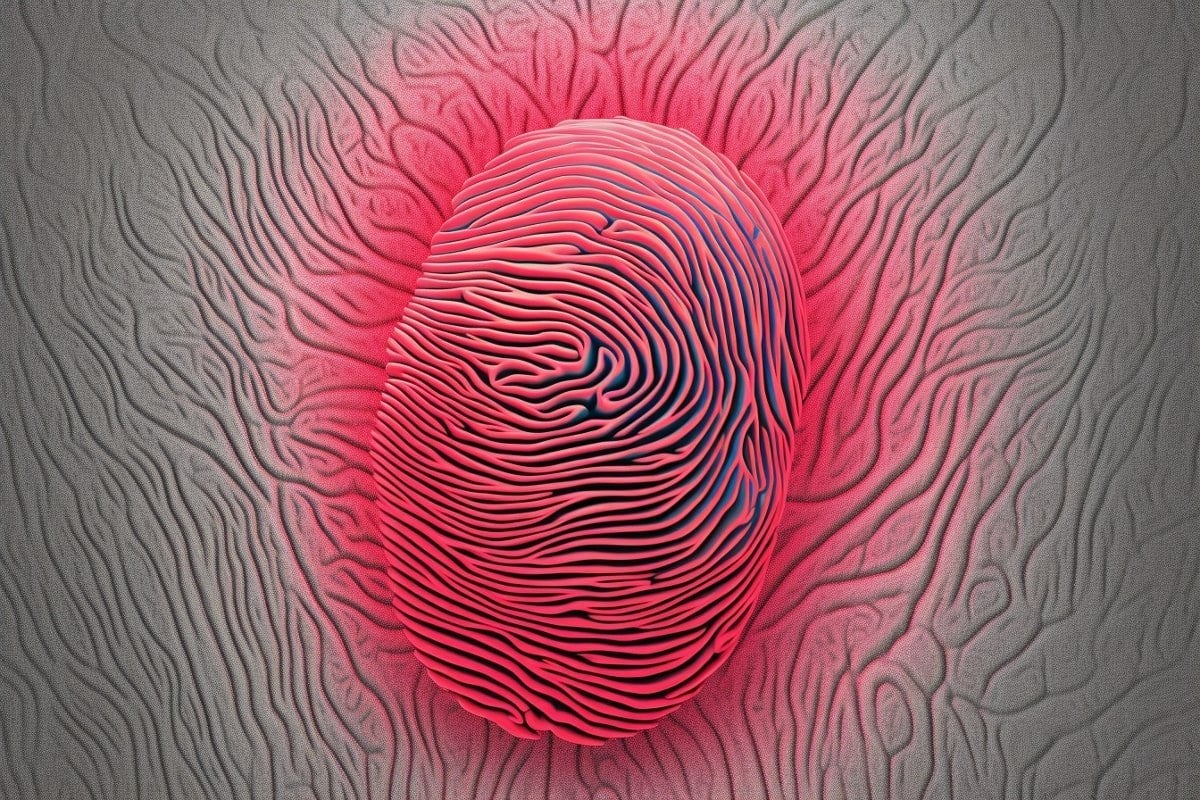
Researchers have found that everyone's brain has a unique 'pain fingerprint' that varies from person to person, with significant differences in the timing, frequency, and location of gamma oscillations - brain waves linked to pain perception. Some individuals showed no gamma waves at all. The pattern of individual gamma responses was found to be stable over time, pointing towards the existence of individual 'pain fingerprints'. This research underscores the extreme variability of pain response among individuals and suggests the potential to identify individual 'pain fingerprints'.