Tag

Sea Stars

All articles tagged with #sea stars

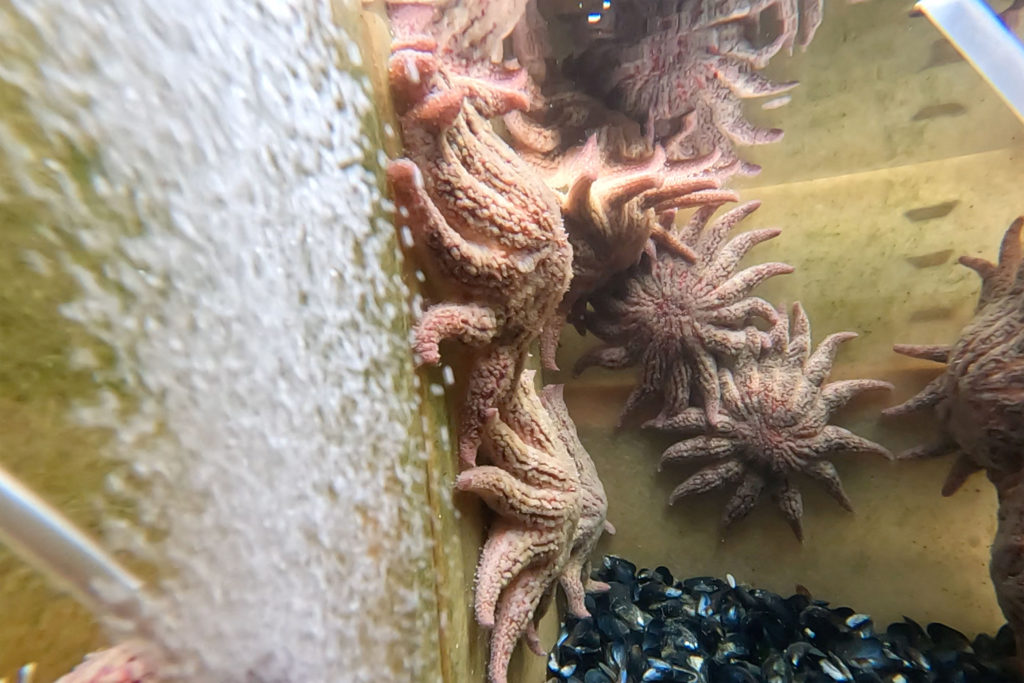
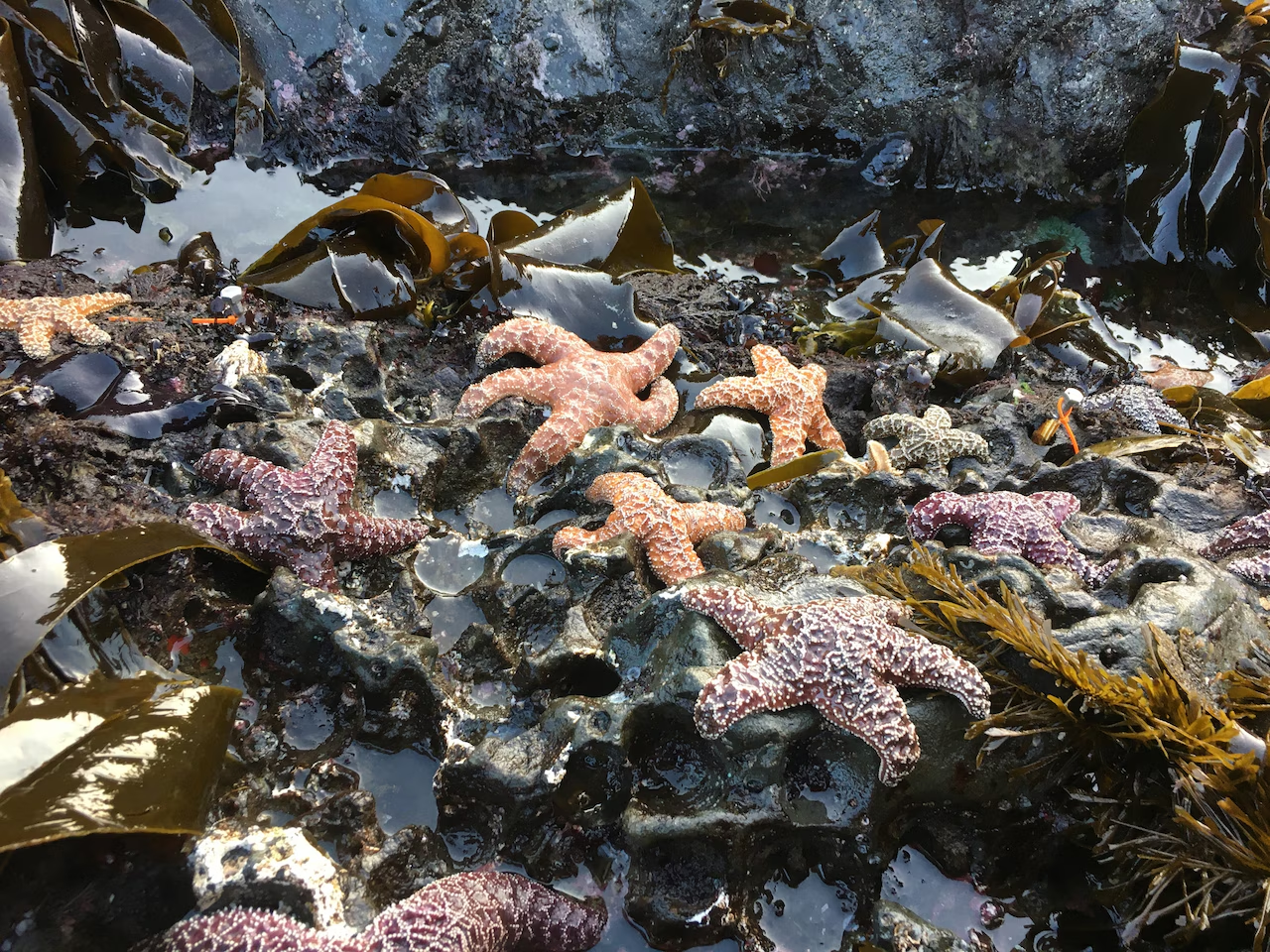
Oregon Sea Stars Show Signs of Recovery After Disease-Induced Decline

Originally Published 2 months ago — by OregonLive.com

Featured image for Oregon Sea Stars Show Signs of Recovery After Disease-Induced Decline
Source: OregonLive.com

Ochre sea stars along the Oregon coast are recovering after a decade of decline caused by a mysterious wasting disease, with recent studies showing a significant increase in young sea stars and a return to their ecological role as predators, although their size and population stability have not fully returned to pre-epidemic levels.
Scientists Identify Microbe Responsible for Sea Star Wasting Disease

Originally Published 5 months ago — by Good News Network

Featured image for Scientists Identify Microbe Responsible for Sea Star Wasting Disease
Source: Good News Network

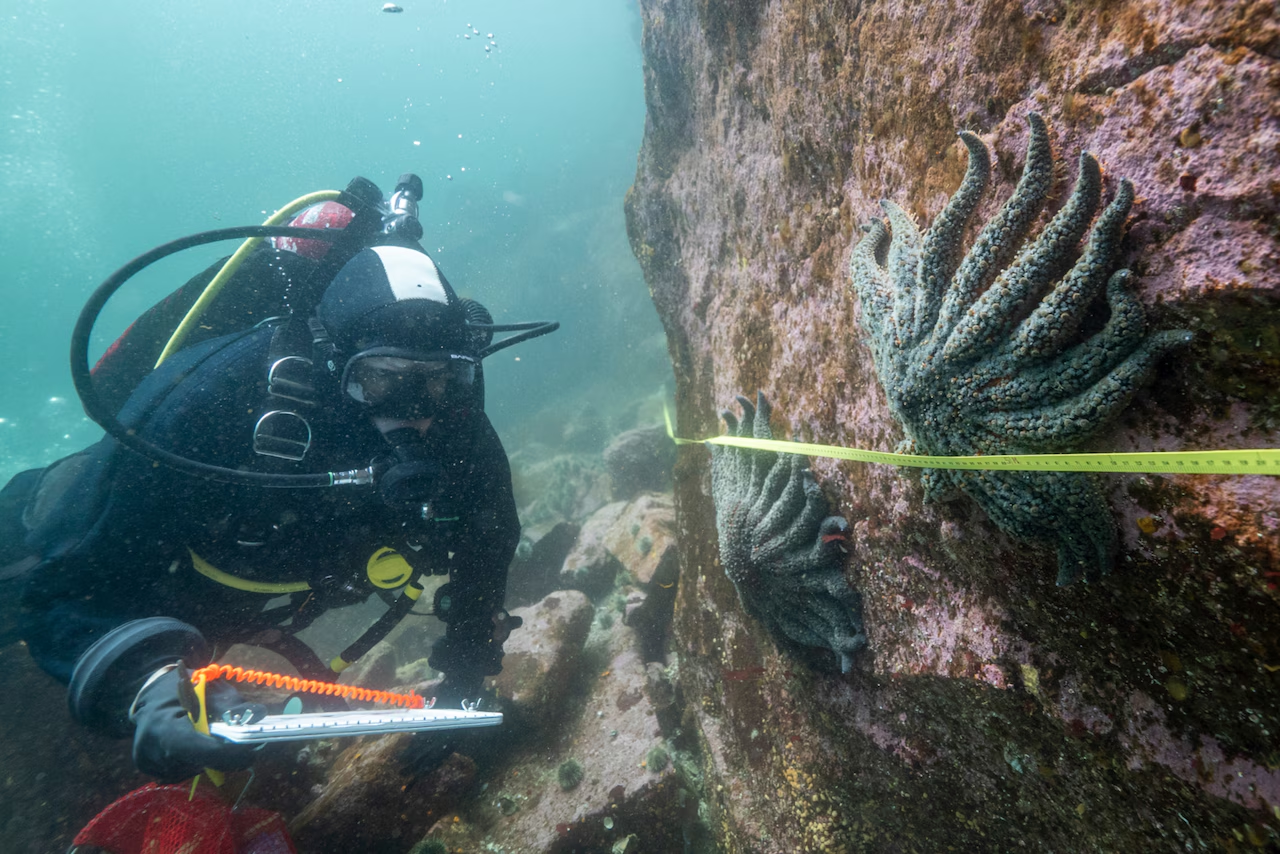
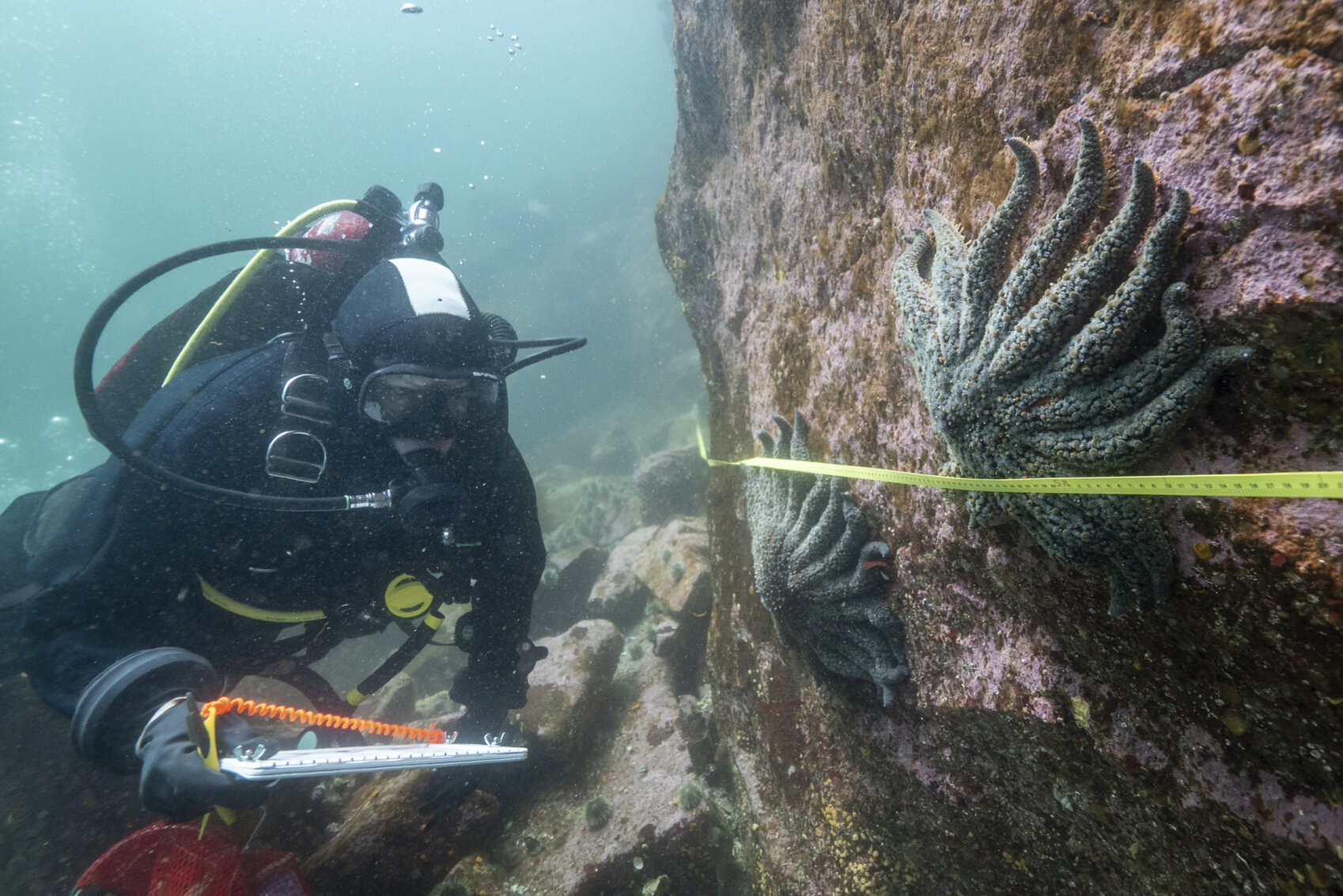
Scientists have identified Vibrio bacteria as the cause of the sea star wasting disease devastating populations along the California coast, linked to warming waters, and are now working on recovery strategies including breeding programs and public education.

Scientists Identify Bacterium Responsible for Massive Sea Star Die-Offs

Originally Published 5 months ago — by Phys.org

Featured image for Scientists Identify Bacterium Responsible for Massive Sea Star Die-Offs
Source: Phys.org

Scientists have identified bacteria Vibrio pectenicida as the cause of the decade-long epidemic that killed over 5 billion sea stars along the Pacific coast, leading to ecological impacts like the explosion of sea urchins and destruction of kelp forests, and opening avenues for potential recovery efforts.

Scientists Uncover Microbe Responsible for Sea Star Wasting Disease

Originally Published 5 months ago — by PBS

Featured image for Scientists Uncover Microbe Responsible for Sea Star Wasting Disease
Source: PBS

Scientists have identified bacteria Vibrio pectenicida as the cause of the mysterious sea star wasting disease that killed over 5 billion sea stars along the Pacific coast, leading to ecological consequences like kelp forest decline. This discovery opens avenues for potential interventions to restore sea star populations and protect marine ecosystems.

Scientists Identify Vibrio Strain as Cause of Massive Sea Star Die-Offs

Originally Published 5 months ago — by OregonLive.com

Featured image for Scientists Identify Vibrio Strain as Cause of Massive Sea Star Die-Offs
Source: OregonLive.com

Scientists have identified bacteria Vibrio pectenicida as the cause of a decade-long epidemic that killed over 5 billion sea stars along the Pacific coast, leading to ecological impacts such as kelp forest decline, and now aim to develop interventions to restore sea star populations and ecosystem health.

Sea Stars as Guardians of Kelp Forest Revival

Originally Published 5 months ago — by Earth.com

Featured image for Sea Stars as Guardians of Kelp Forest Revival
Source: Earth.com

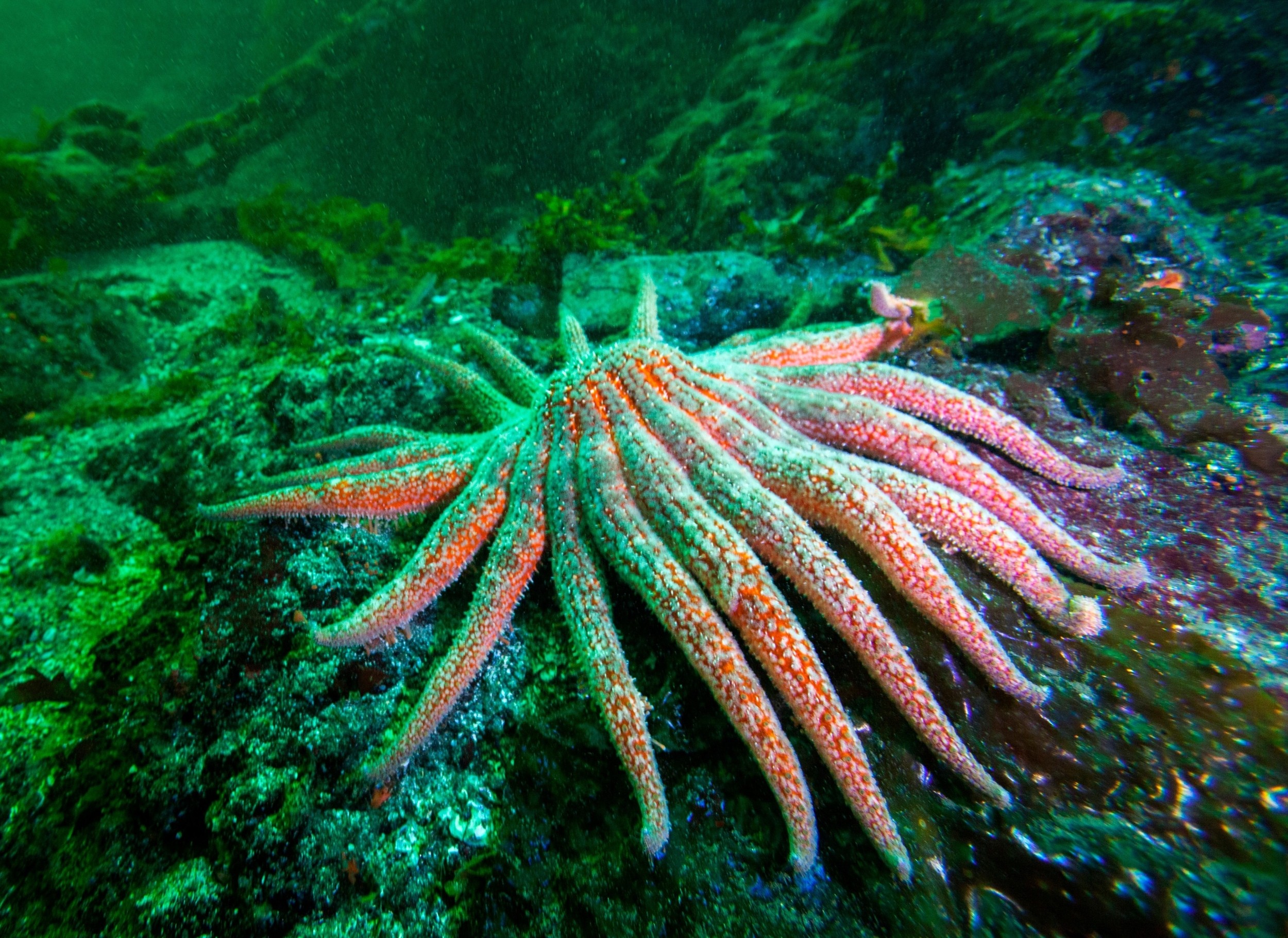
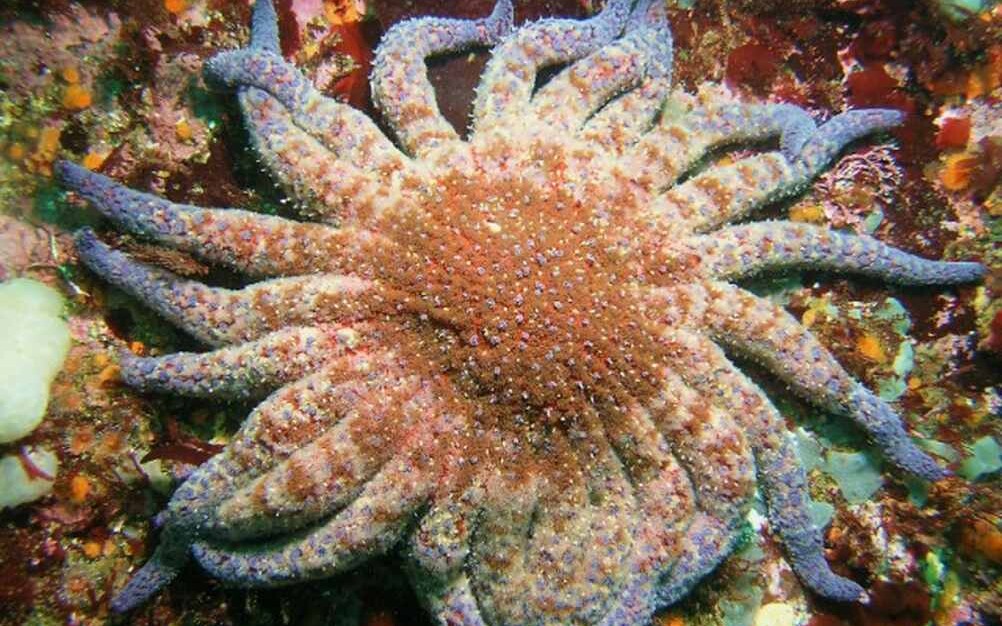
A study by UC Santa Cruz researchers found that sunflower sea stars deter red sea urchins from grazing on kelp, creating a 'landscape of fear' that could aid in kelp forest recovery, especially after sea star populations declined due to disease. The research suggests that reintroducing sea stars might be a less labor-intensive method to control urchin populations and restore kelp ecosystems, which are vital for marine biodiversity and the economy.

The Arctic’s True Super-Predator Revealed

Originally Published 5 months ago — by Indian Defence Review

Featured image for The Arctic’s True Super-Predator Revealed
Source: Indian Defence Review

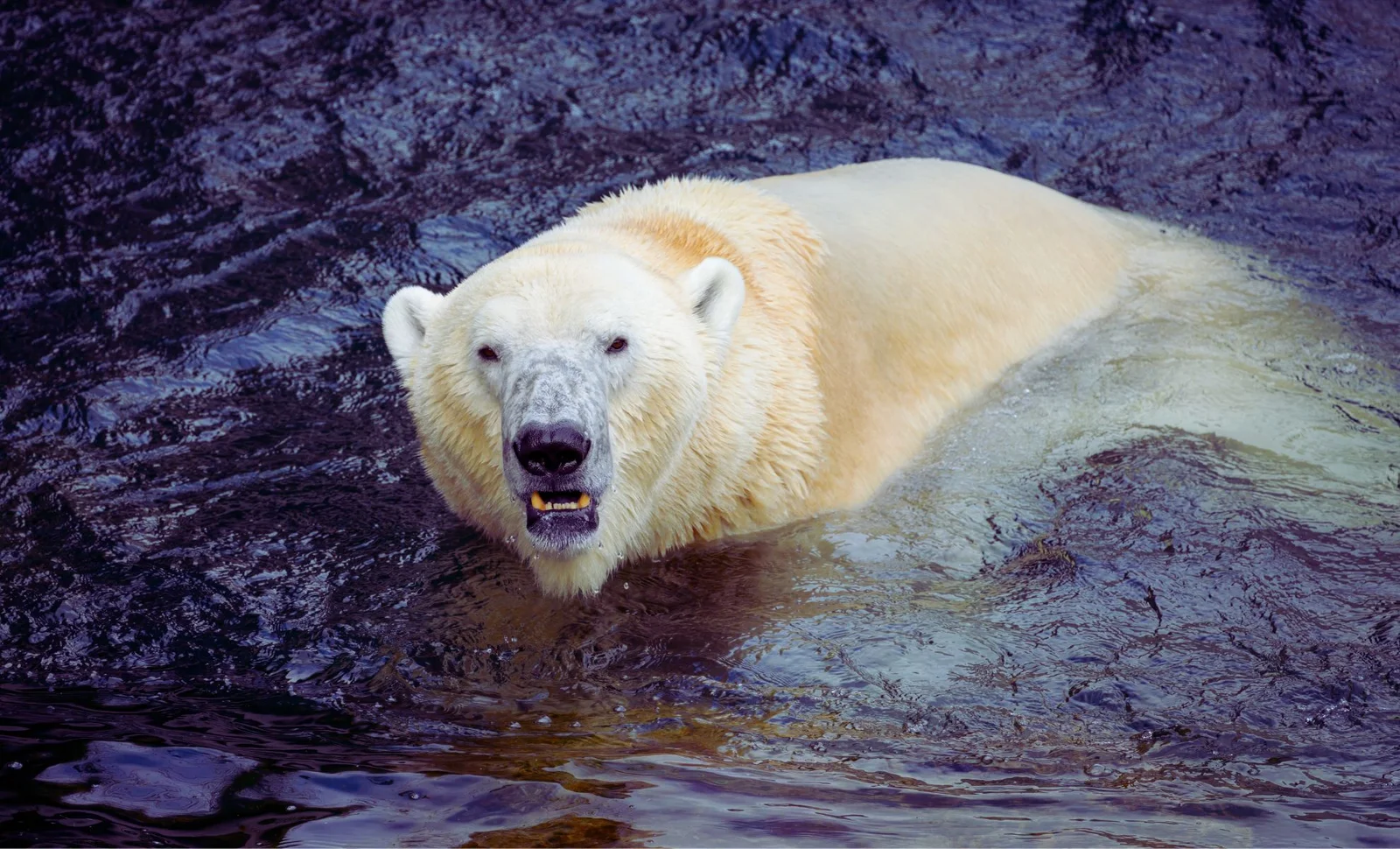
A recent study reveals that in the Arctic, sea stars, particularly from the Pterasteridae family, are top predators in the benthic (seafloor) ecosystem, challenging the traditional view that polar bears are the ultimate predators in the region. These sea stars play a crucial role in maintaining ecosystem balance by hunting and scavenging, highlighting the complexity of Arctic food webs and the importance of benthic predators for overall ecosystem health.

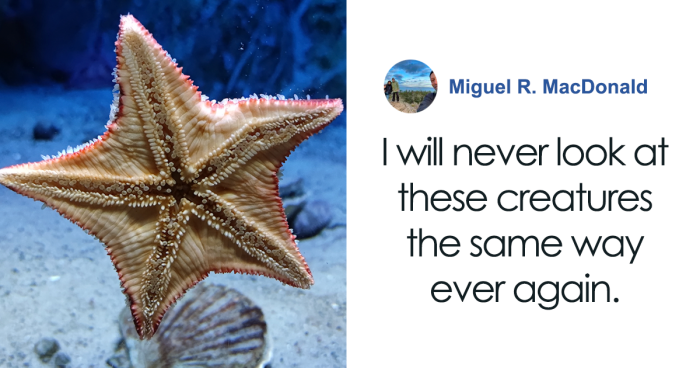
Decades-Long Mystery Solved: Starfish Unveiled as Walking Heads

Originally Published 2 years ago — by Bored Panda

Featured image for Decades-Long Mystery Solved: Starfish Unveiled as Walking Heads
Source: Bored Panda

Scientists have solved the centuries-old mystery of the location of a starfish's head. Contrary to previous assumptions, starfish do not have a single head positioned at the center of their bodies. Instead, they have head-like regions in each of their limbs, as revealed by genetic studies. This discovery challenges the traditional understanding of animal symmetry and raises questions about the nervous system and brain development in starfish. The study of echinoderms, which include starfish, has the potential to provide insights into the evolution of life on Earth and various mechanisms of species' health maintenance.

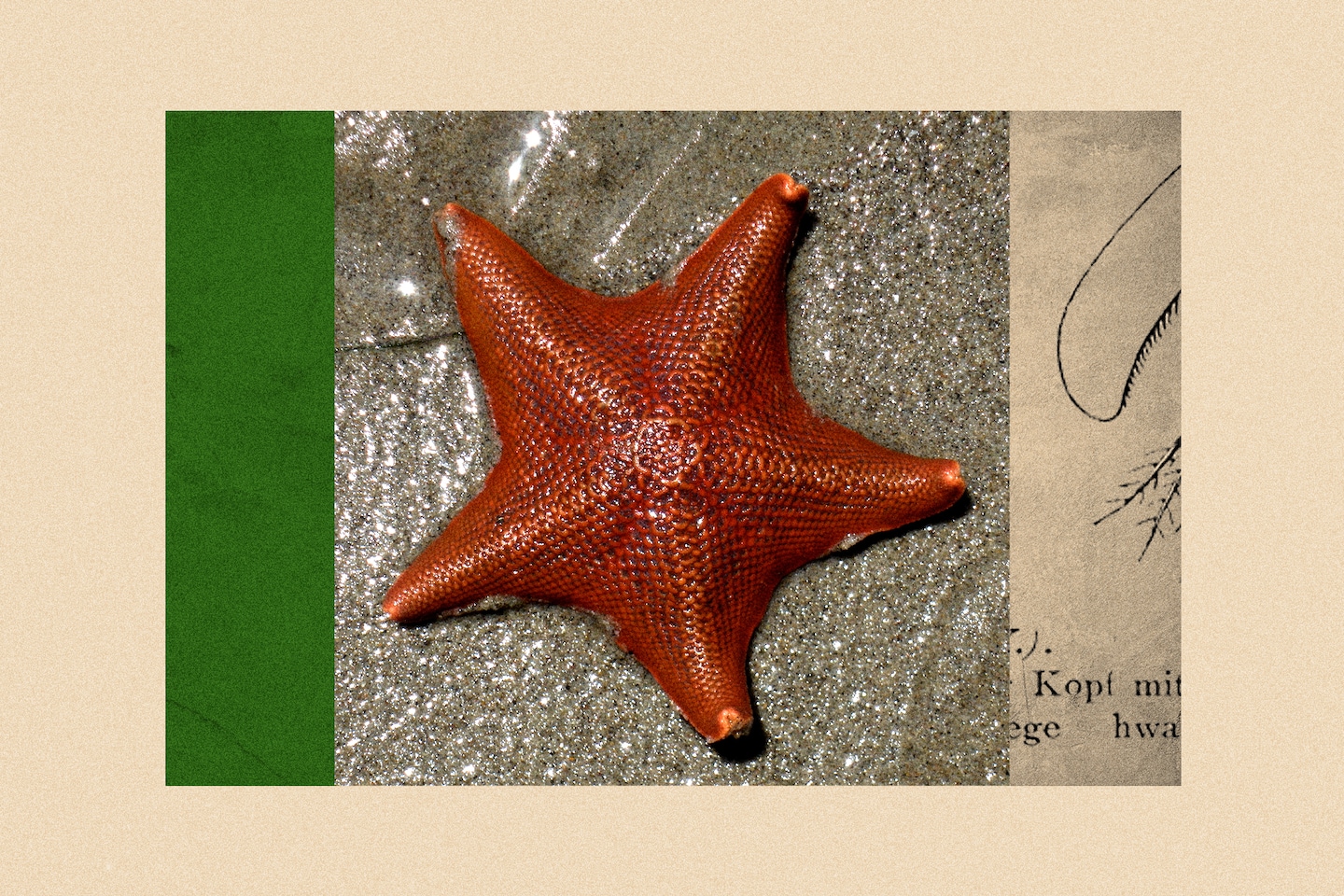
Decoding the Enigmatic Head of a Starfish

Originally Published 2 years ago — by The Washington Post

Featured image for Decoding the Enigmatic Head of a Starfish
Source: The Washington Post

New research published in the journal Nature reveals that sea stars, commonly known as starfish, are mostly just a head. Molecular analysis of their genes suggests that sea stars evolved to lose their trunk, challenging the commonly known anatomy of the animal. The study highlights the complexity and diversity of life on Earth and the advancements in genetics that allow researchers to solve centuries-old zoological mysteries. The research opens up new questions about the origin of fivefold symmetry and the evolutionary changes that gave rise to the head-like body plan of sea stars.