Tag

Sea Otters

All articles tagged with #sea otters

"Rising Sea Otter Populations Aid in Coastal Erosion Prevention"

Originally Published 1 year ago — by The Associated Press

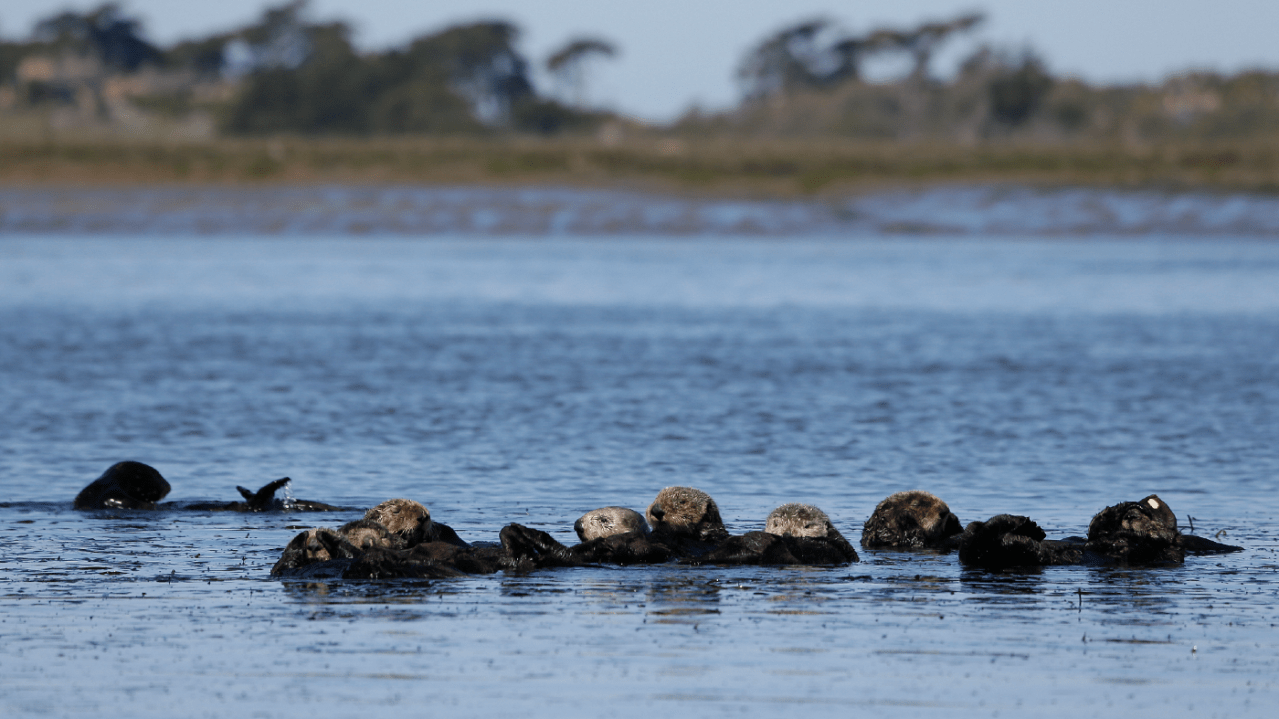
Featured image for "Rising Sea Otter Populations Aid in Coastal Erosion Prevention"
Source: The Associated Press

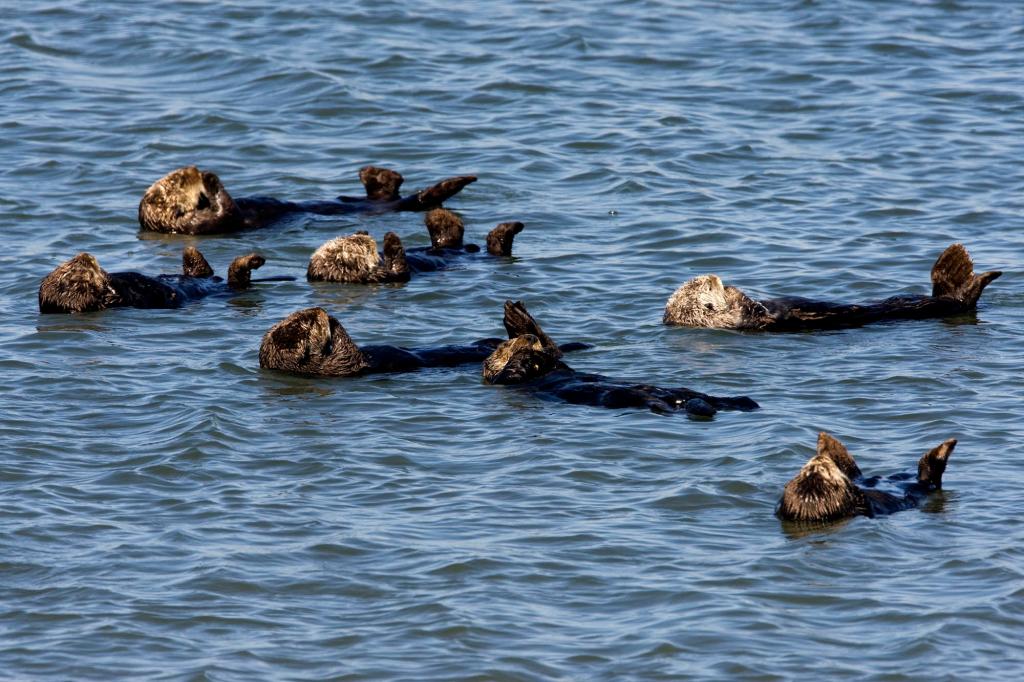
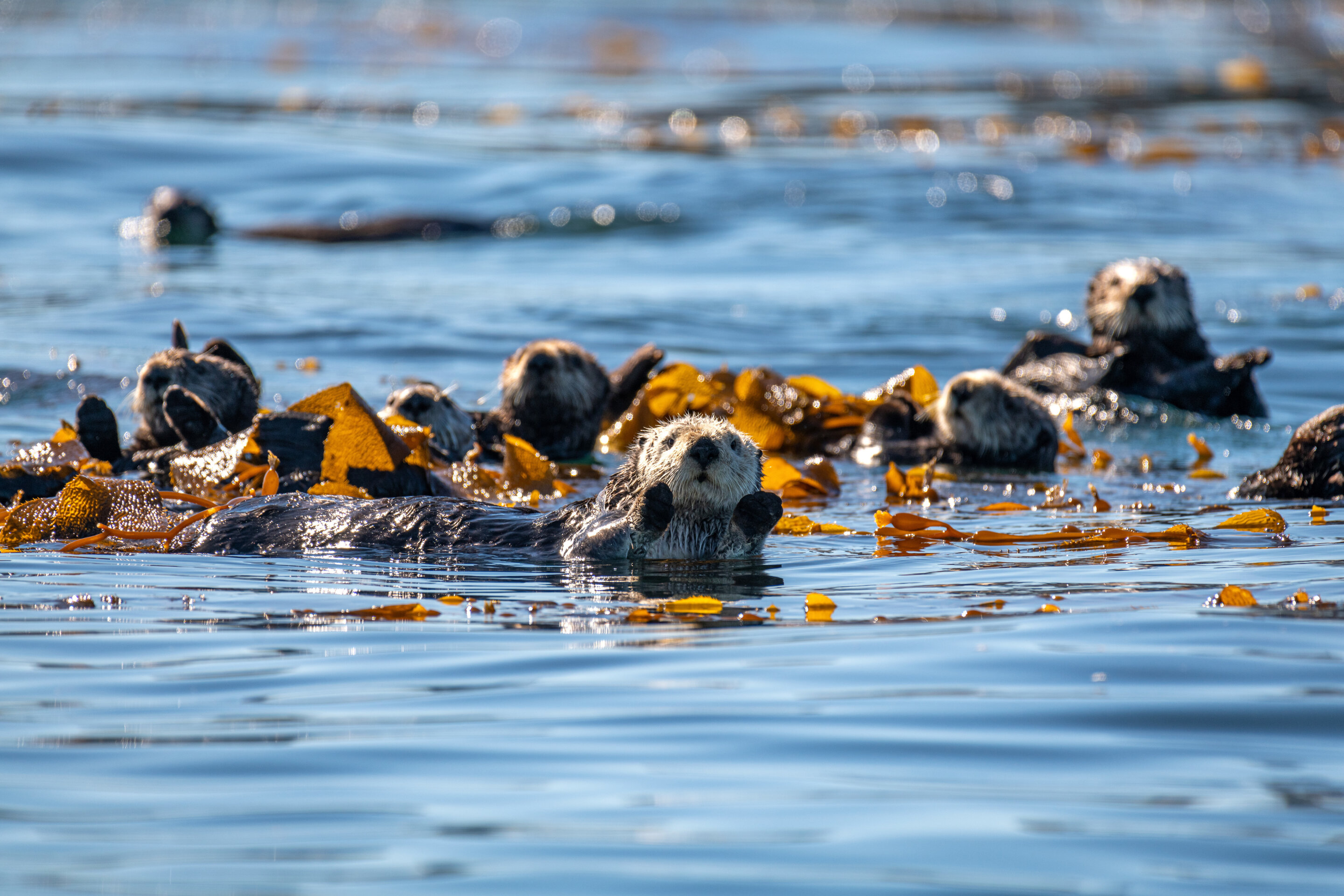
The return of sea otters to a tidal estuary near Monterey, California has helped curb erosion by preying on striped shore crabs that damage marsh grass pickleweed, which holds the dirt in place. The otters' voracious appetites have slowed erosion to natural levels, as shown by a new study analyzing historic erosion rates dating back to the 1930s. This research provides clear evidence of the sea otters' impact on ecosystem stability and their role in preserving marshland habitats.
"Rising Sea Otter Populations Linked to Coastal Erosion Prevention, Study Shows"

Originally Published 1 year ago — by ABC News

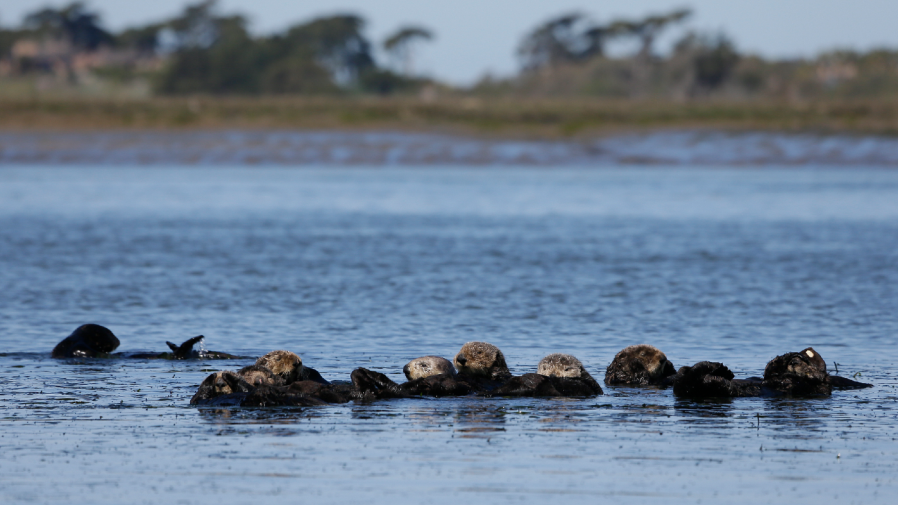
Featured image for "Rising Sea Otter Populations Linked to Coastal Erosion Prevention, Study Shows"
Source: ABC News

A recent study published in the journal Nature reveals that as sea otter populations recover in California, they are proving to be a natural solution to preventing coastal erosion by consuming burrowing crabs that destabilize salt marshes. Conservation efforts have led to the expansion of sea otter habitats, demonstrating their resilience and potential to restore ecosystems. The study highlights the positive impact of protecting a single species on the entire ecosystem, emphasizing the importance of continued conservation efforts to address long-term threats such as sea level rise and pollution.

"Sea Otters' Role in Preventing California Kelp Declines Revealed in New Study"

Originally Published 2 years ago — by Phys.org

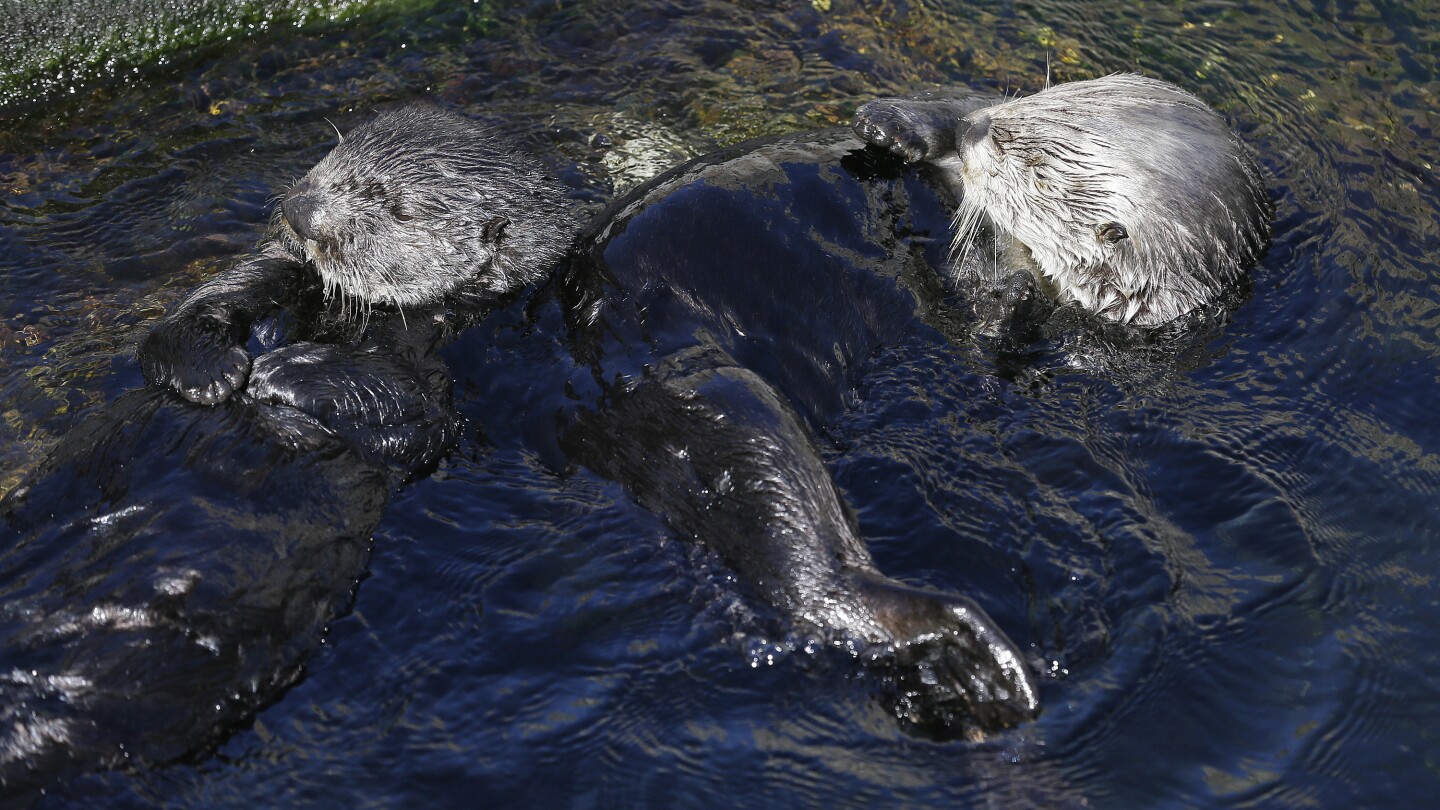
Featured image for "Sea Otters' Role in Preventing California Kelp Declines Revealed in New Study"
Source: Phys.org

A new study published in the journal PLOS Climate reveals that the recovery of sea otter populations in California over the past century has played a crucial role in preventing widespread declines in kelp forests. The research, conducted by Monterey Bay Aquarium scientists, demonstrates that sea otters' presence has enhanced the resilience of kelp forests, particularly along the central coast, where their population growth compensated for kelp losses in other regions. The study underscores the importance of conservation efforts for sea otters and suggests their reintroduction to historical habitats as a potential nature-based solution for restoring kelp forests and their ecological benefits in California and beyond.

Unusual Discovery: Beached Orca Found with 7 Intact Sea Otters Inside

Originally Published 2 years ago — by KOMO News

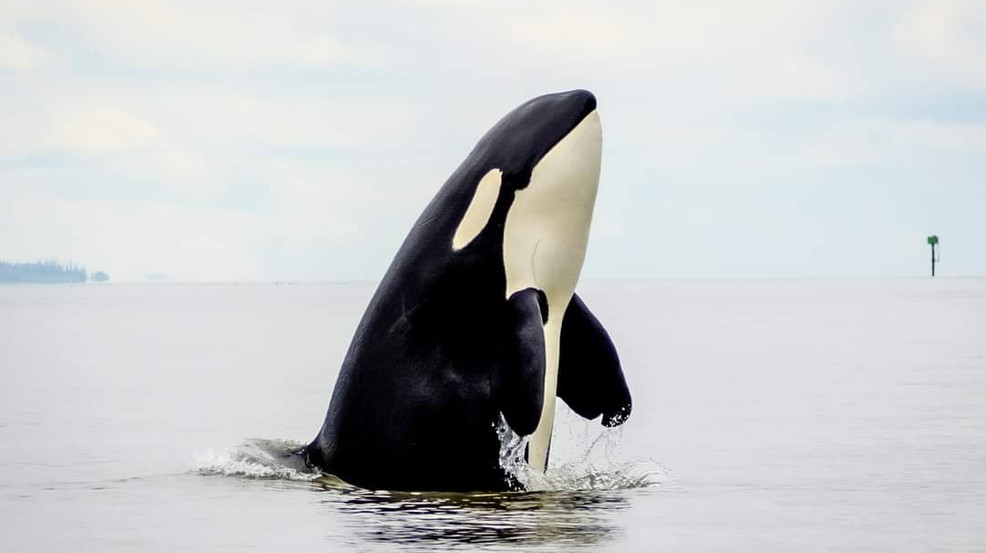
Featured image for Unusual Discovery: Beached Orca Found with 7 Intact Sea Otters Inside
Source: KOMO News

A study published in Aquatic Mammals revealed that six intact sea otters were found in the stomach of a dead female killer whale, while a seventh otter was lodged in its throat. The orca, discovered off the coast of the Russian Commander Islands, was far from its normal hunting ground. While orcas typically do not eat otters, this incident suggests that the otter caught in the whale's throat may have caused its demise. Scientists believe the orca may have swallowed the otters whole, which is unusual as they usually tear chunks of meat off their prey.

Unusual Discovery: Beached Orca Found with 7 Intact Sea Otters Inside

Originally Published 2 years ago — by KATU

Featured image for Unusual Discovery: Beached Orca Found with 7 Intact Sea Otters Inside
Source: KATU

A study published in Aquatic Mammals revealed that six intact sea otters were found in the stomach of a dead female killer whale, while a seventh otter was lodged in its throat. The orca, discovered off the coast of the Russian Commander Islands, was far from its normal hunting ground. While orcas typically do not eat otters, this incident suggests that the otter caught in the whale's throat may have caused its demise. Scientists believe the orca may have swallowed the otters whole, which is unusual as they usually tear chunks of meat off their prey.

Cat poop runoff suspected in California sea otter deaths.

Originally Published 2 years ago — by The Guardian US

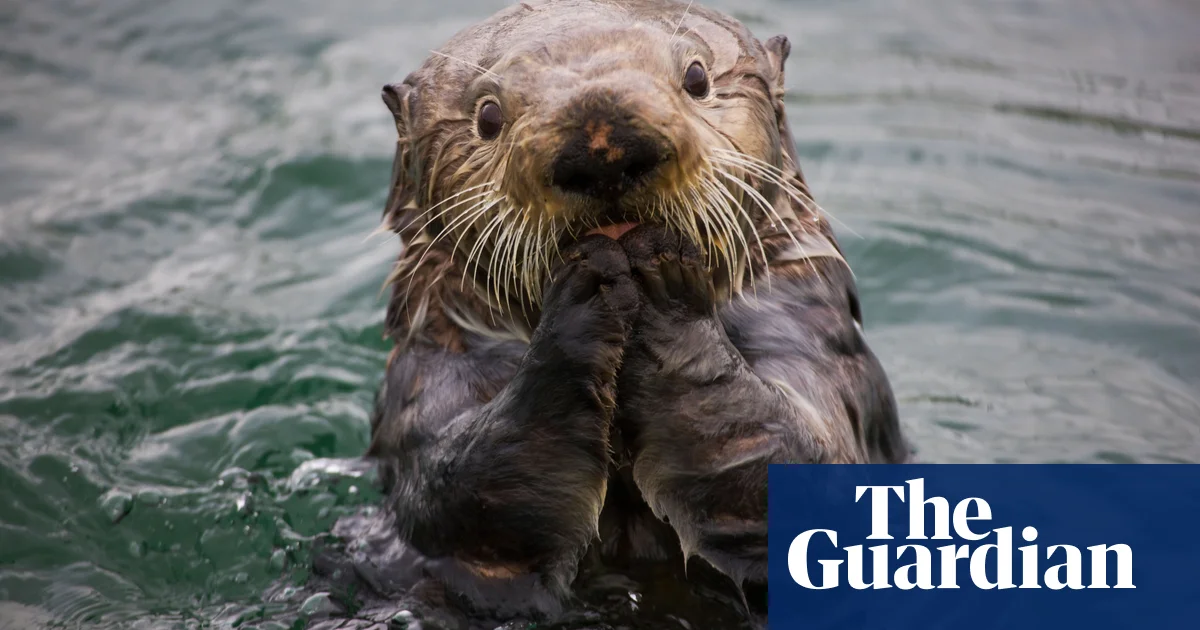
Featured image for Cat poop runoff suspected in California sea otter deaths.
Source: The Guardian US

A rare strain of toxoplasmosis, never before reported in aquatic animals, has killed at least four California sea otters. The parasite, first seen in Canadian mountain lions in 1995, had not been previously detected on the California coast. The parasite is concerning due to the effects it could have on the population of the threatened species as well as the risk to other animals. It could pose a public health risk if it contaminates the environment and marine food chain. The parasite is often found in cat feces, and otters can be exposed to it in rainwater runoff.

Rare Parasite Strain Killing Sea Otters Poses Health Threat to Humans

Originally Published 2 years ago — by SFGATE

Featured image for Rare Parasite Strain Killing Sea Otters Poses Health Threat to Humans
Source: SFGATE

Southern sea otters in California are dying from a rare and severe form of toxoplasmosis caused by a strain of parasite that has never been detected on the California coastline before. The parasite could pose a threat to humans and other animals, and there is a potential public health risk. The cause and exact source of the strain remain unknown, but experts suspect that a domestic or wild cat may have shed the parasite through its feces into streams or stormwater runoff, which then may have drained into the ocean water where the otters were feeding and subsequently became infected. Sea otters have been protected under the Endangered Species Act since 1977, and the population has struggled to get back to its historic numbers and geographic range due to other infectious diseases, resource limitations, and shark predation.

Rare parasite killing California sea otters could also harm humans

Originally Published 2 years ago — by New York Post

Featured image for Rare parasite killing California sea otters could also harm humans
Source: New York Post

A rare strain of the Toxoplasma gondii parasite killed four sea otters in California, and researchers warn that it could pose a threat to humans. The strain has not been reported in humans yet, but researchers are concerned about it contaminating the marine ecosystem, which would pose a public health risk. The CDC recommends cooking meat to sufficient internal temperatures and rinsing produce to avoid catching the parasite.

Rare parasite kills California sea otters and poses potential threat to humans

Originally Published 2 years ago — by Fox News

Featured image for Rare parasite kills California sea otters and poses potential threat to humans
Source: Fox News

Four sea otters in California died from toxoplasmosis through a rare strain of the Toxoplasma gondii parasite, and researchers warn that the strain could pose a threat to humans. The strain has not been reported in humans yet, but researchers are concerned about it contaminating the marine ecosystem, which would pose a public health risk. The CDC recommends cooking meat to sufficient internal temperatures and rinsing produce to avoid catching the parasite.

Rare parasite killing California sea otters could pose human risk

Originally Published 2 years ago — by CNN

Featured image for Rare parasite killing California sea otters could pose human risk
Source: CNN

Four sea otters in California have died from a rare strain of the Toxoplasma gondii parasite that could pose a risk to human health. The strain had never been reported in any aquatic animal or in coastal California. The otters were "important sentinels" of the circulating strain, which could be a risk to people eating seafood or ingesting contaminated water. To prevent any toxoplasmosis infection, the CDC recommends typical food safety practices such as cooking foods to a high internal temperature, rinsing fruits and vegetables, and washing utensils.

"Deadly Parasite Threatens California Otters and Humans"

Originally Published 2 years ago — by NBC News

Featured image for "Deadly Parasite Threatens California Otters and Humans"
Source: NBC News

A rare and powerful strain of the Toxoplasma gondii parasite, commonly found in cat feces, has killed four otters on the California coast, according to researchers. The strain, known as COUG, has never before been seen in sea otters or any other aquatic mammal or bird. The researchers suggest that the animals may have contracted the parasites from rainwater runoff. The parasite could potentially cause disease in animals and humans that share the same environment or food resources, including mussels, clams, oysters, and crabs that are consumed raw or undercooked.

California Otter Population in Peril After Four Die.

Originally Published 2 years ago — by San Francisco Chronicle

Featured image for California Otter Population in Peril After Four Die.
Source: San Francisco Chronicle

Four sea otters found dead along the California coast between 2020 and 2022 were killed by a toxic parasite called Coug, a strain of toxoplasmosis that has never been detected in an aquatic animal before. The parasite, carried by wild and domestic cats, can infect humans and other animals, making it a potential threat to marine wildlife and humans. Scientists warn that the discovery of the parasite in sea otters could be an indicator of a larger threat to other marine wildlife.

Deadly Parasite Threatens California Sea Otters.

Originally Published 2 years ago — by Los Angeles Times

Featured image for Deadly Parasite Threatens California Sea Otters.
Source: Los Angeles Times

Four sea otters that washed ashore on the California coast died from an unusual parasite called Toxoplasma gondii, which could infect other marine wildlife and humans. The microscopic parasite could infect any warm-blooded animal or find its way into the food chain, including marine animals like mussels, clams, oysters, and crabs that are consumed raw or undercooked. The COUG genotype was present in all four otters, and the first otter washed ashore in San Simeon in San Luis Obispo County in February 2020. The type of inflammation of the fat associated with toxoplasmosis has been reported in Hawaiian monk seals.

Rare parasite strain responsible for California sea otter deaths.

Originally Published 2 years ago — by The Hill

Featured image for Rare parasite strain responsible for California sea otter deaths.
Source: The Hill

A rare strain of the microscopic parasite Toxoplasma gondii is killing California sea otters, posing a potential public health threat to other marine animals and humans, according to a new study. The strain, called COUG, has never been detected on California's coast before and is assumed to be a recent arrival. The researchers expressed concerns about potential contamination of the environment and the marine food chain, warning that such circumstances could pose a public health risk. No infections have been reported in humans so far.

Rare parasite strain responsible for California sea otter deaths.

Originally Published 2 years ago — by AOL

Featured image for Rare parasite strain responsible for California sea otter deaths.
Source: AOL

A rare strain of the microscopic parasite Toxoplasma gondii is killing California sea otters, posing a potential public health threat to other marine animals and humans, according to a study. The strain, called COUG, has never been detected on California's coast before, and researchers are concerned about potential contamination of the environment and the marine food chain. No infections have been reported in humans yet. Sea otters are vulnerable to Toxoplasma infection because they live near the coastline and can be exposed to the parasite's eggs through storm runoff and by eating marine invertebrates that can concentrate the parasites.