Tag

Sea Levels

All articles tagged with #sea levels

Submerged Migration Routes Rewrite Human Settlement History

Originally Published 5 months ago — by Phys.org

Featured image for Submerged Migration Routes Rewrite Human Settlement History
Source: Phys.org

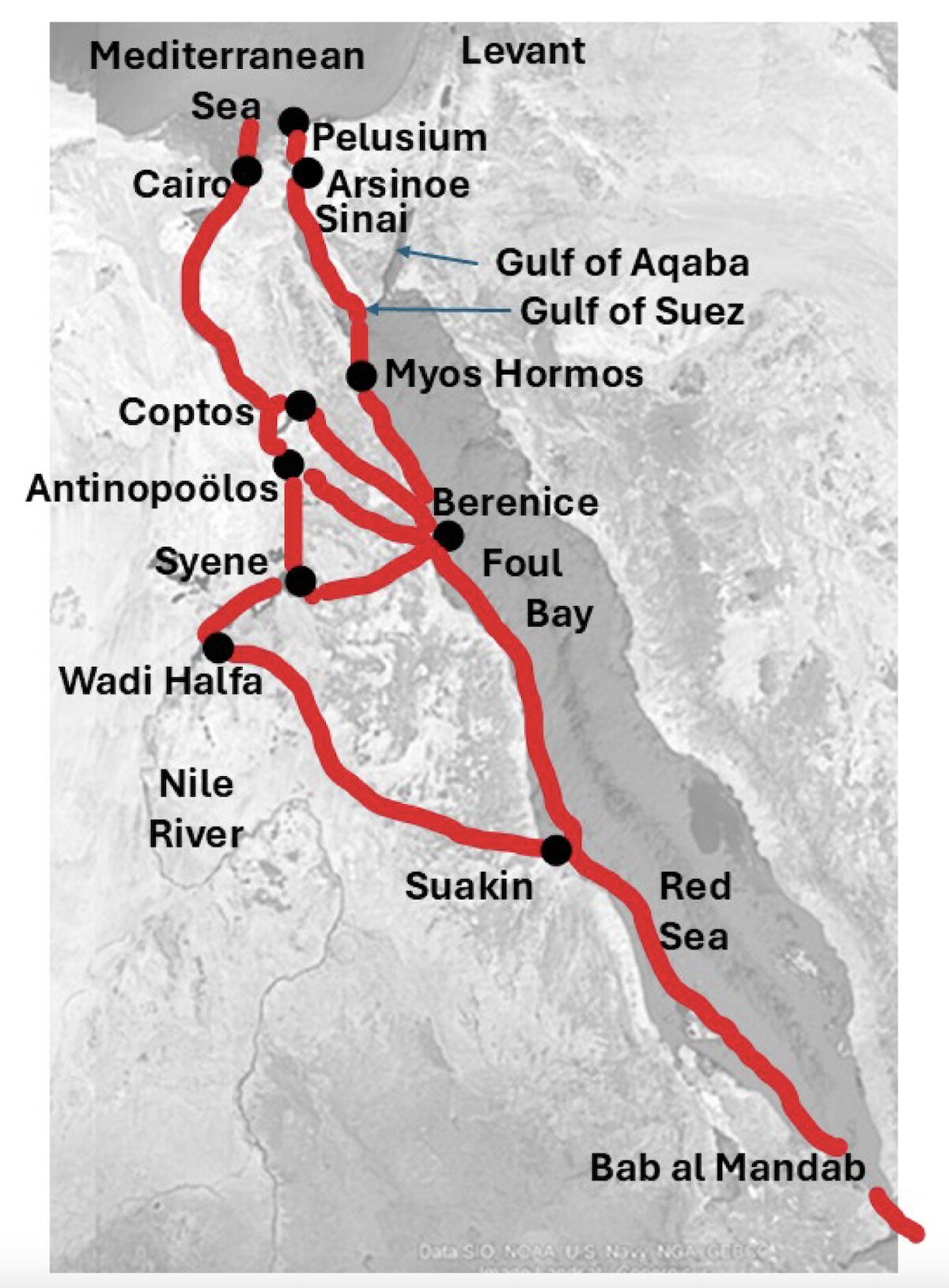
A University of Kansas researcher and colleagues have used improved sea-level models and DNA data to identify submerged ancient human migration routes from Africa, revealing that many pathways, including those through Foul Bay and the Nile, were exposed longer than previously thought, which could reshape understanding of early human dispersal and settlement patterns.
Ancient Antarctic Ice to Be Melted to Reveal Climate Secrets

Originally Published 5 months ago — by BBC

Featured image for Ancient Antarctic Ice to Be Melted to Reveal Climate Secrets
Source: BBC

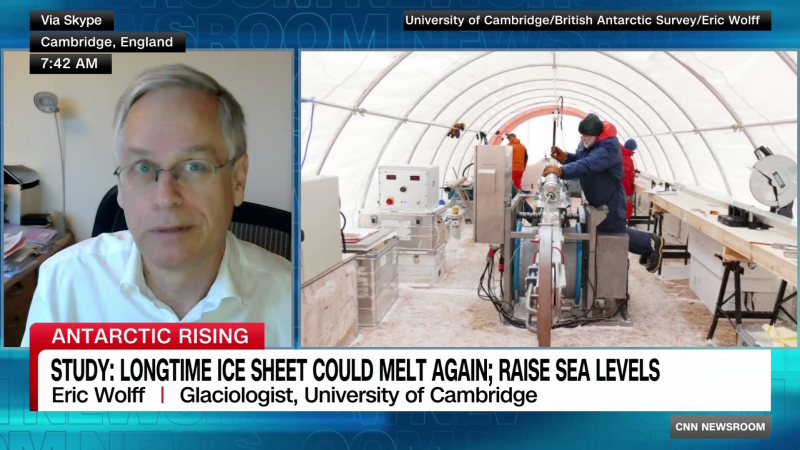
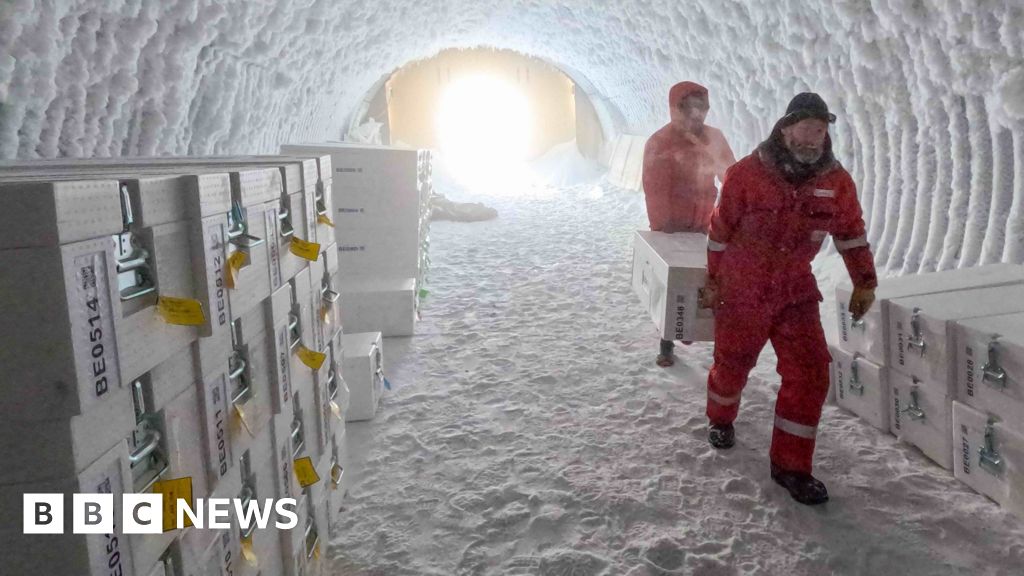
Scientists have transported and are melting a 1.5 million-year-old ice core from Antarctica in the UK to study ancient climate data, which could provide vital insights into Earth's past climate patterns, sea levels, and the effects of greenhouse gases, helping to understand current and future climate change.

Ancient Fossils Reveal Alarming Signs of Future Sea-Level Rise

Originally Published 6 months ago — by Yahoo

Featured image for Ancient Fossils Reveal Alarming Signs of Future Sea-Level Rise
Source: Yahoo

A study of ancient corals from Seychelles suggests that, similar to 122,000 years ago, sea levels could rise up to 10 times higher than current projections due to rapid warming, posing serious risks to coastal populations and natural protections, and emphasizing the urgent need to reduce fossil fuel use and adopt clean energy.

"The Peak of Sea Levels: Unraveling the Timeline of High Water Marks"

Originally Published 1 year ago — by Livescience.com

Featured image for "The Peak of Sea Levels: Unraveling the Timeline of High Water Marks"
Source: Livescience.com

Scientists have two main theories about when Earth's sea levels were at their highest, with one suggesting 117 million years ago during the Cretaceous period and the other proposing an even earlier peak. The current rise in sea levels is attributed to climate change, with melting ice and warming oceans playing a significant role. While the last time sea levels were higher than today was around 120,000 years ago, research indicates that Earth's early seas may have held more water than they do now, suggesting that the highest sea levels are likely in the past.

"Rising Bedrock: How Climate Change is Creating New Islands in Greenland"

Originally Published 1 year ago — by Earth.com

Featured image for "Rising Bedrock: How Climate Change is Creating New Islands in Greenland"
Source: Earth.com

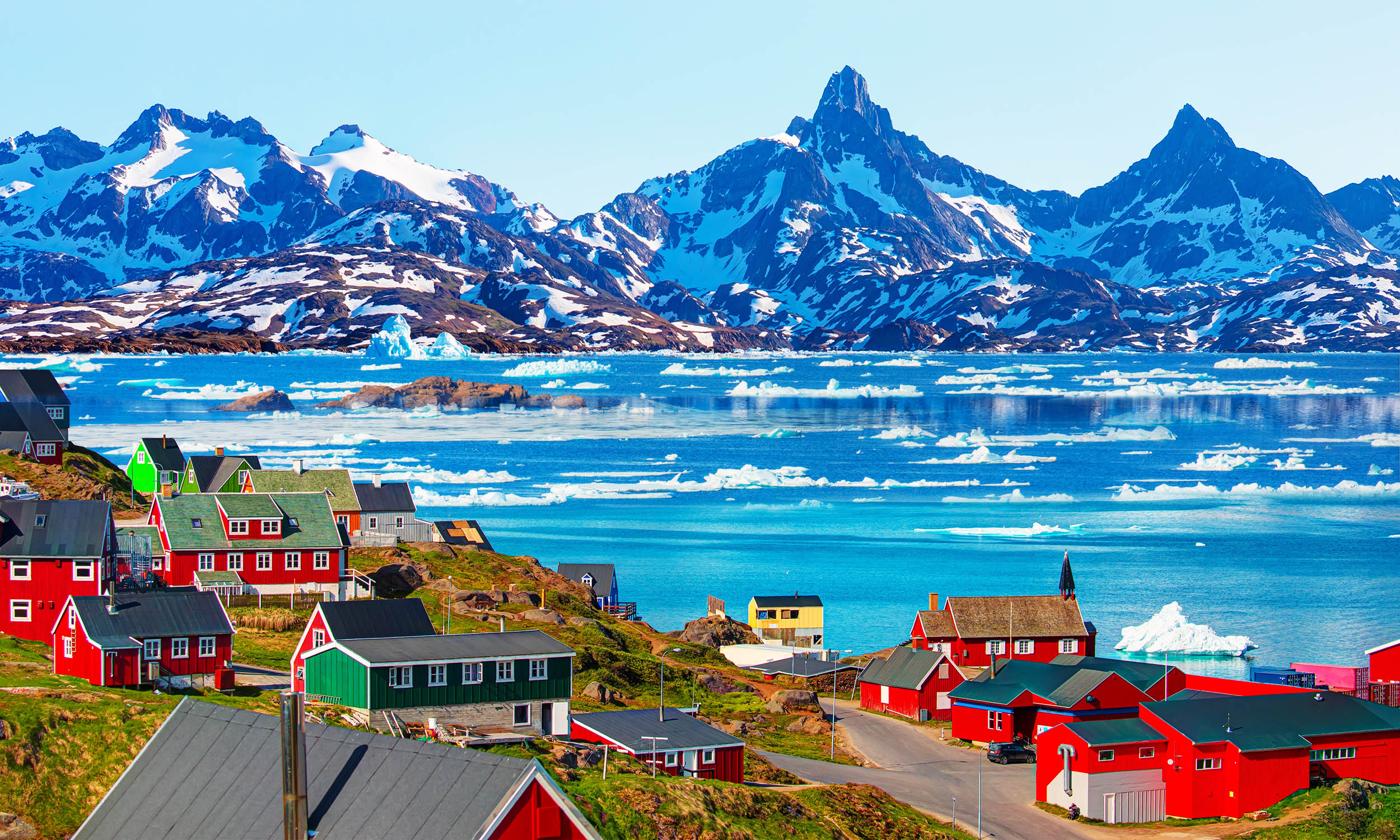
Research by the Technical University of Denmark reveals that Greenland's bedrock is rising at an accelerated pace due to the melting of its ice sheet, with an uplift of up to 20 cm over the last decade. This phenomenon, observed through the GNET network, challenges the global trend of rising sea levels and highlights the localized impacts of climate change. The study emphasizes the need for advanced monitoring technologies to understand the complex dynamics of environmental changes and serves as a reminder of the urgent need for continued observation and study of our changing planet.

Lost Civilization: Unveiling the Ancient Inland Sea and Submerged Human Habitation in Northwestern Australia

Originally Published 2 years ago — by The Conversation

Featured image for Lost Civilization: Unveiling the Ancient Inland Sea and Submerged Human Habitation in Northwestern Australia
Source: The Conversation

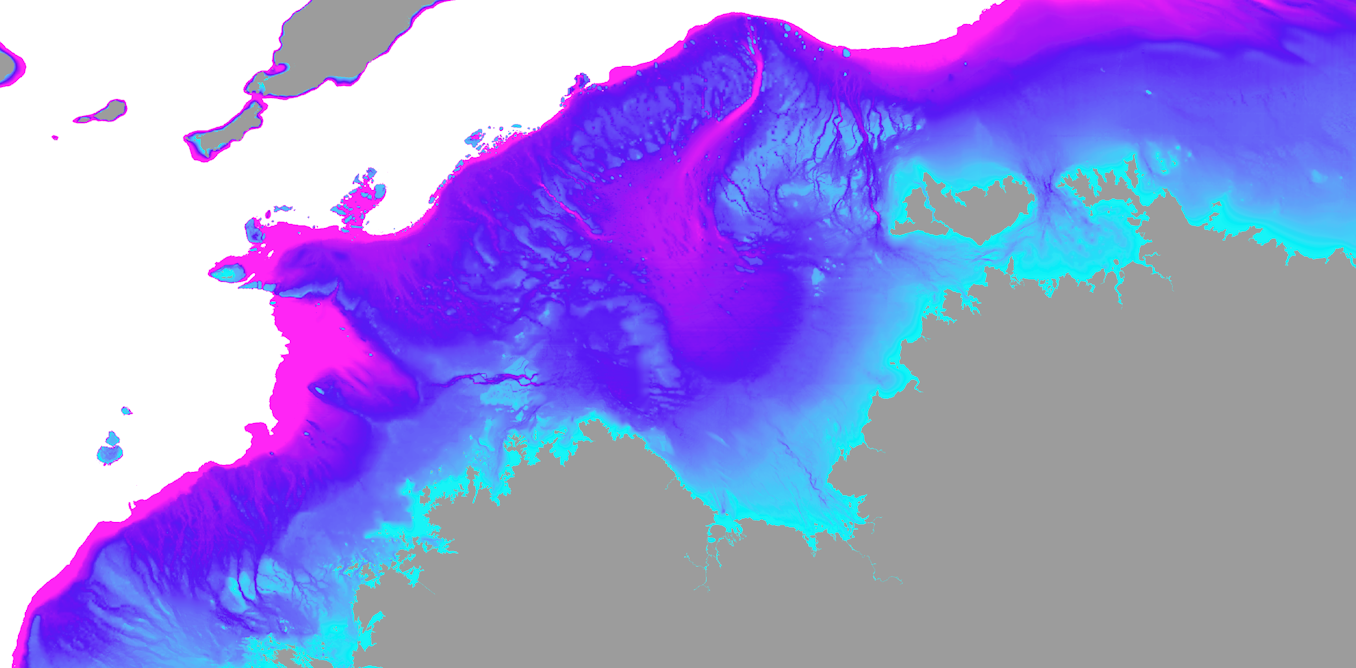
Archaeological evidence reveals that a vast region in north-western Australia, now submerged, was once inhabited by First Nations peoples. The region, which connected the Kimberley and western Arnhem Land, covered nearly 390,000 square kilometers and contained archipelagos, lakes, rivers, and a large inland sea. The area could have supported a population of between 50,000 and 500,000 people at various times over the last 65,000 years. Rising sea levels at the end of the last ice age forced populations to retreat as the landscape drowned, leading to the development of new rock art styles. This research highlights the importance of Indigenous knowledge and experience in environmental management and adaptation.

SWOT Satellite Reveals Unprecedented Global Sea Level View

Originally Published 2 years ago — by TheInertia.com

Featured image for SWOT Satellite Reveals Unprecedented Global Sea Level View
Source: TheInertia.com

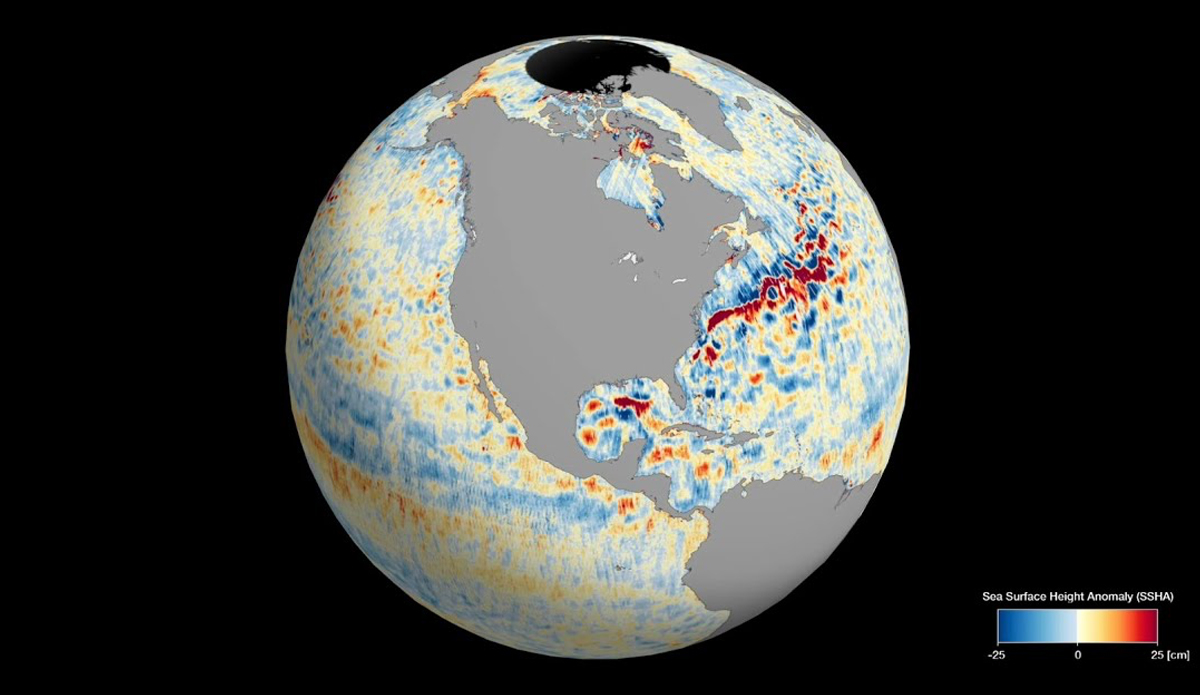
The SWOT satellite, jointly developed by NASA and CNES, has completed its first full science orbit and provided an incredibly detailed map of global sea levels. Using the Ka-band Radar Interferometer (KaRIn) instrument, SWOT collected data on ocean heights, allowing for the mapping of phenomena such as ocean currents and warming. The mission aims to advance climate change research and help communities prepare for a warming world by providing unprecedented knowledge about Earth's surface water.

Impending Global Ramifications as Gulf Stream Weakens and Approaches Shore

Originally Published 2 years ago — by Space.com

Featured image for Impending Global Ramifications as Gulf Stream Weakens and Approaches Shore
Source: Space.com

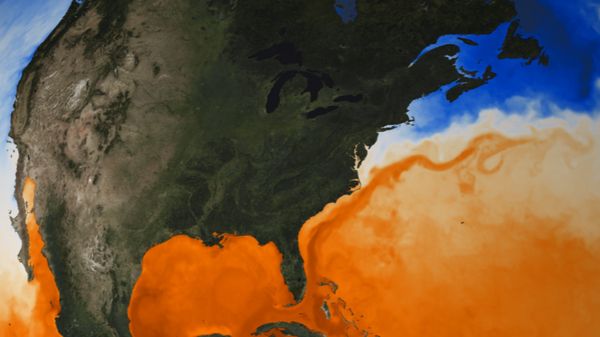
A new study confirms that the Gulf Stream, a crucial ocean current that transports heat and regulates sea levels, is weakening. Over the past four decades, the flow of warm water through the Florida Straits has slowed by 4%, with potential grave implications for global climate. The Gulf Stream is part of the thermohaline circulation, a global conveyor belt of ocean currents that helps control sea levels and hurricane activity. As Earth's climate warms, the influx of cold, fresh water from melting ice sheets could further disrupt the Gulf Stream. Scientists will need to differentiate between natural variability and the impact of global heating to definitively prove climate change's role in the weakening of the current.

Ancient Climate Shifts Reshaped South Pole Marine Life

Originally Published 2 years ago — by Phys.org

Featured image for Ancient Climate Shifts Reshaped South Pole Marine Life
Source: Phys.org

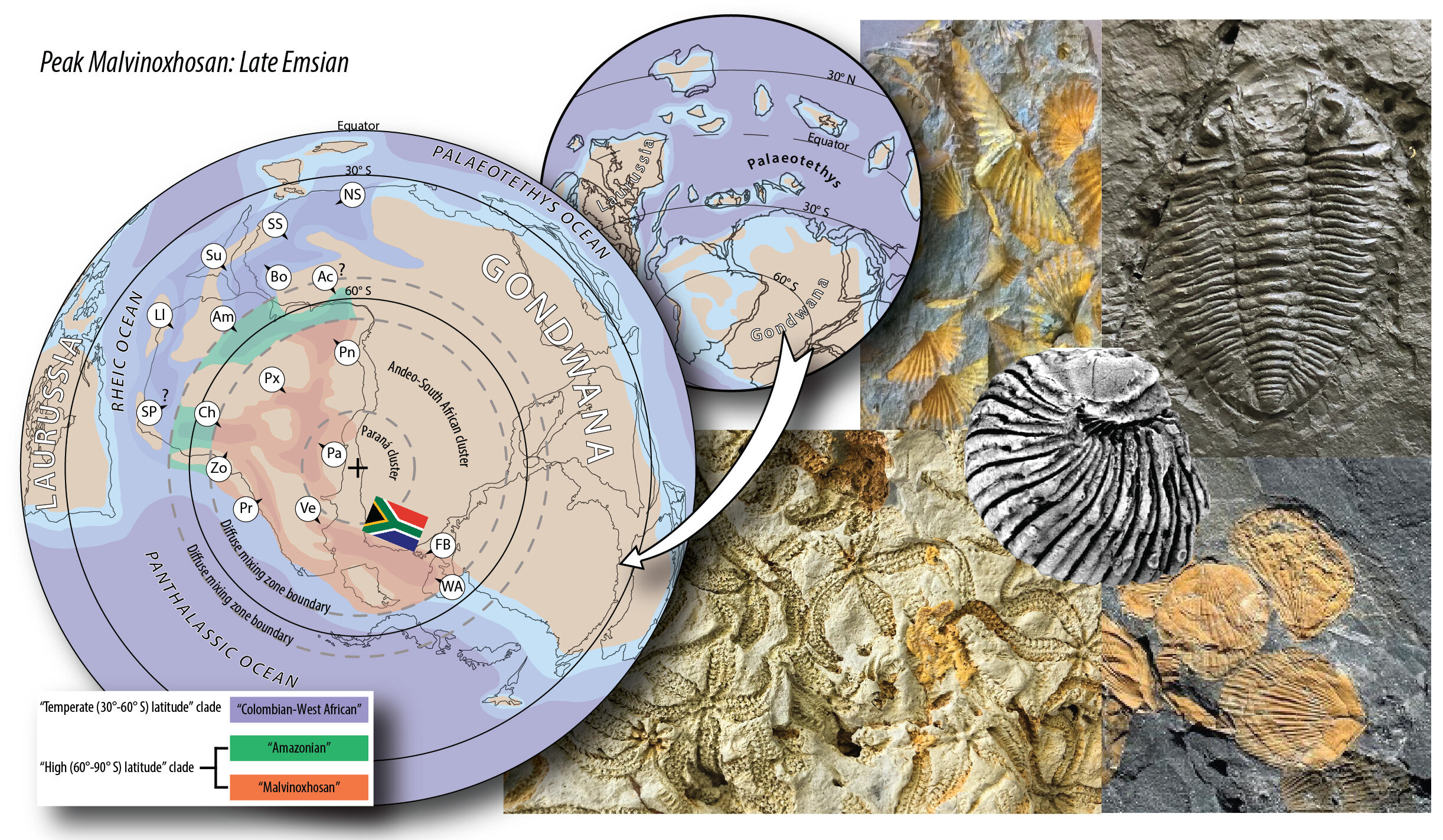
A new study published in Earth-Science Reviews reveals how sea-levels and climate change during the Early-Middle Devonian period, around 390-385 million years ago, altered marine ecosystems at the South Pole. The research suggests that the decline and eventual disappearance of the specialized, cool-water Malvinoxhosan marine animals was caused by shifts in sea levels and the warming climate, which allowed warm-water species to take over. This extinction event led to a collapse in polar ecosystems, with biodiversity never recovering. The findings highlight the sensitivity of polar environments to changes in sea level and temperature and have implications for understanding the current biodiversity crisis.

Ice Age World Map: A Glimpse into the Past.

Originally Published 2 years ago — by Visual Capitalist

Featured image for Ice Age World Map: A Glimpse into the Past.
Source: Visual Capitalist

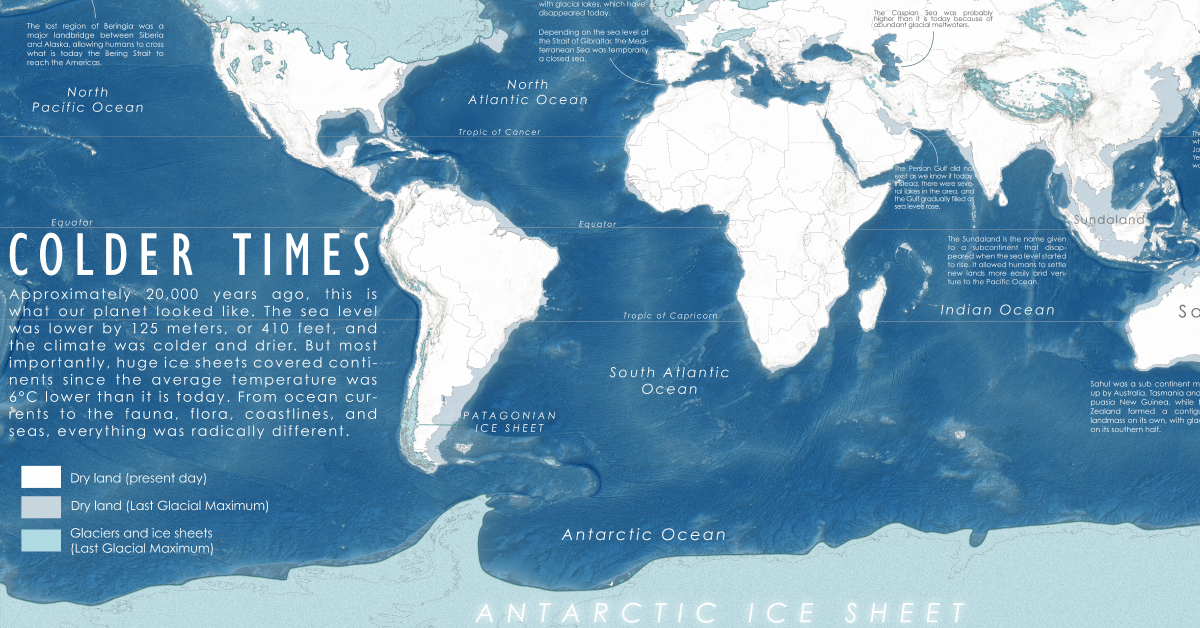
A map created by cartographer Perrin Remonté shows what the world looked like during the Last Glacial Maximum (LGM), or the last ice age, which occurred roughly 26,000 to 19,000 years ago. During this time, sea levels fell more than 400 feet, exposing large areas of the continental shelf. The climate was cold and dry, with temperatures 6°C lower on average. The polar parts of continents were covered by massive ice sheets, and deserts expanded while rivers disappeared. Several large animals, including the woolly mammoth and saber-toothed tiger, roamed the world in extremely harsh conditions, but are now extinct. The article also discusses the possibility of another ice age and how current industrial activities may delay it.