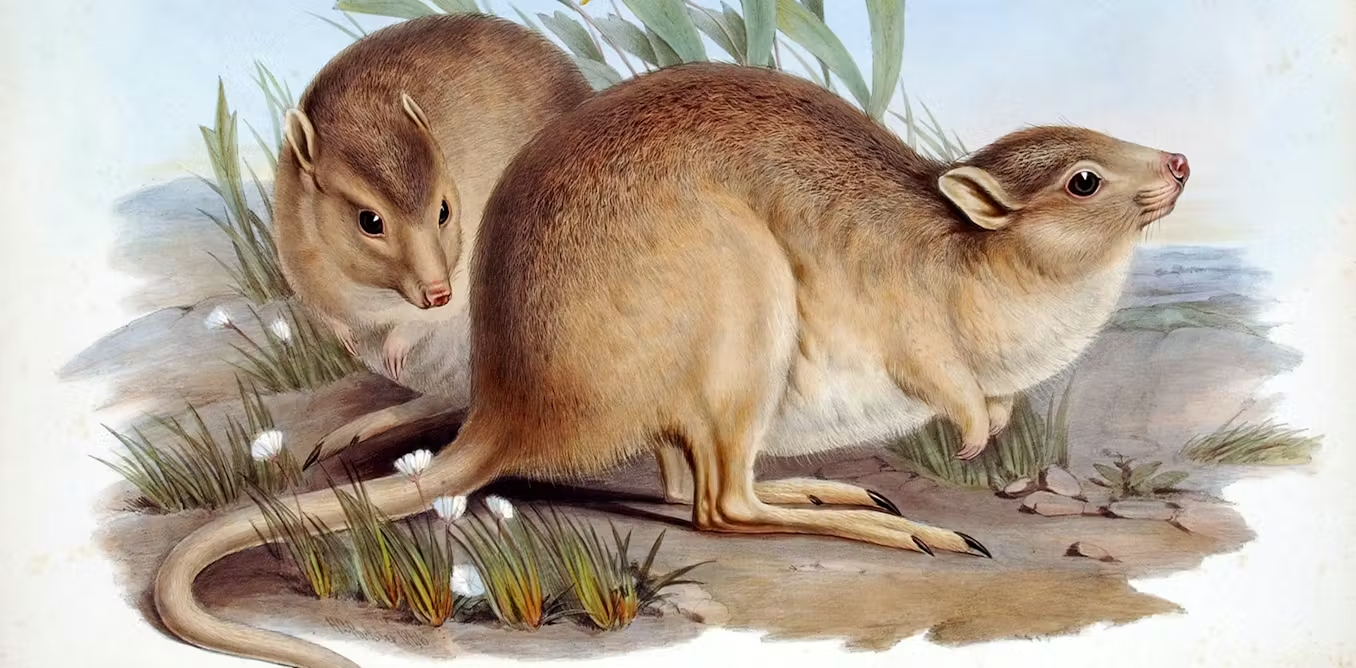
The article emphasizes that species extinction results in significant losses beyond ecological impacts, including the disappearance of scientific knowledge, cultural traditions, and spiritual connections, highlighting the urgent need for conservation to preserve the full spectrum of human and ecological well-being.
The author, a Ph.D. student, shares firsthand experiences with the flaws of peer review in academic research, highlighting the process's vulnerability and the potential for bias. Despite its challenges, the author emphasizes the importance of peer review in evaluating studies and advancing knowledge, while also advocating for professionalizing the field to address issues such as unpaid labor and a limited pool of experts.
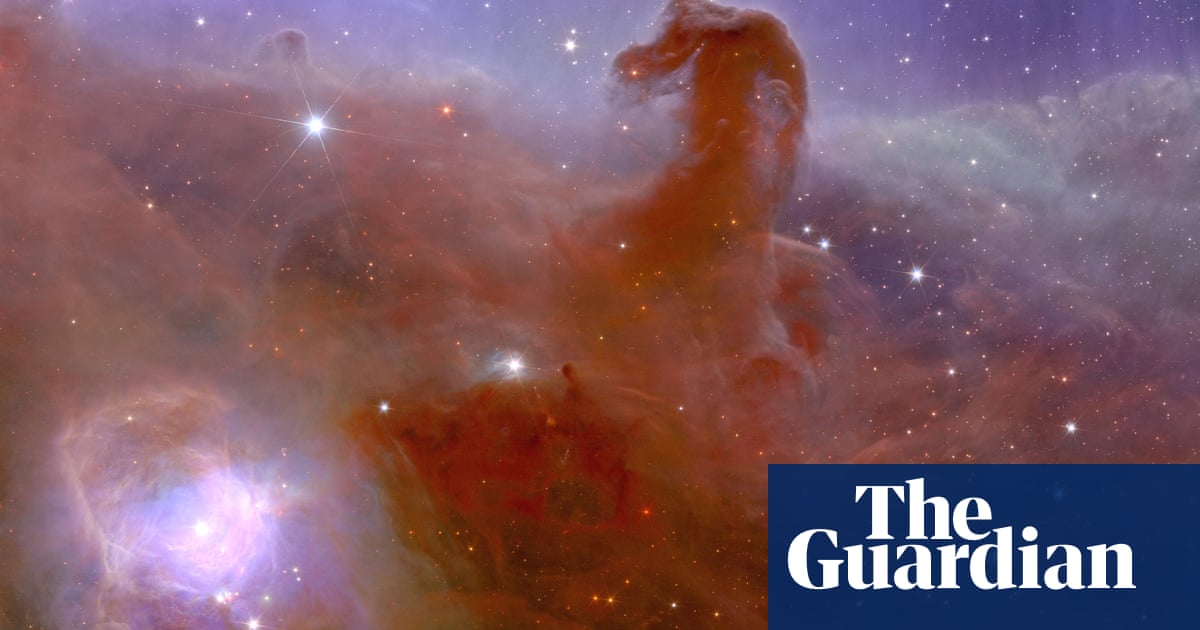
The Euclid space telescope, a €1bn mission by the European Space Agency (ESA), has captured its first images, revealing the Perseus galaxy cluster and Horsehead nebula in stunning detail. The telescope aims to create the largest cosmic 3D map ever made, allowing astronomers to study the distribution of dark matter and the influence of dark energy in the early universe. Over the next six years, Euclid will observe approximately 8 billion galaxies, using infrared and visible light to analyze the distortion caused by dark matter. While it may not immediately answer what dark matter is, the mission will provide valuable insights into its location and behavior, as well as shed light on the role of dark energy in the universe's expansion.