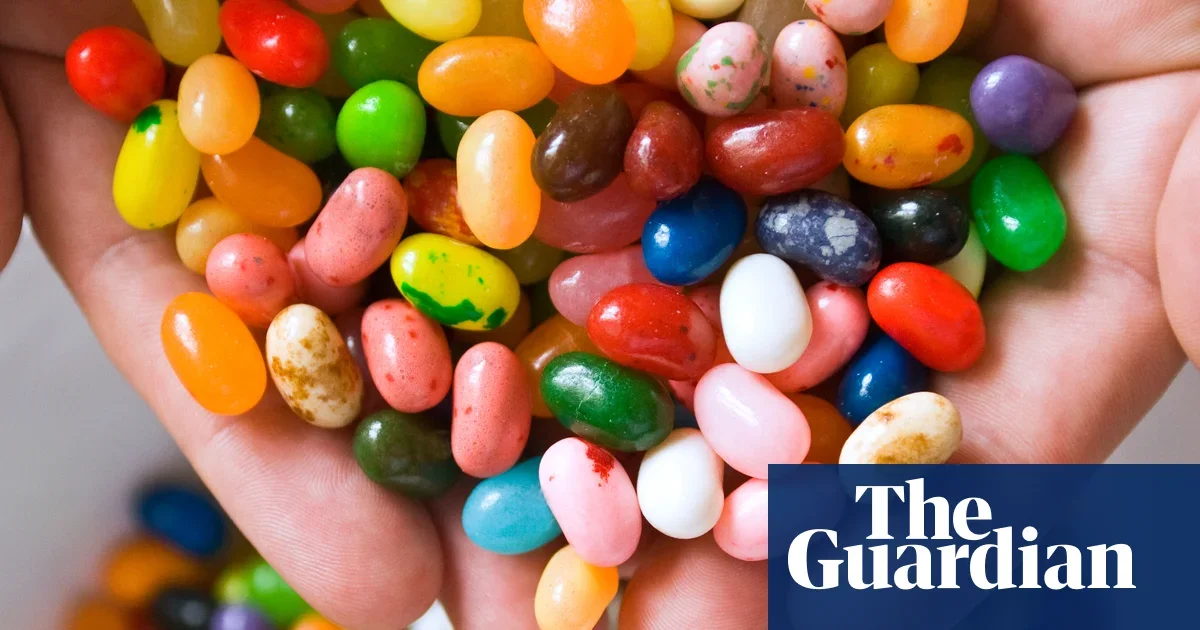
The article explores fun ways to incorporate science into Christmas celebrations, including taste experiments to demonstrate the role of smell, social experiments on laughter, dissecting poultry to understand biomechanics, making ice cream through salt and ice, and estimating pi using pine needles, all aimed at engaging family and friends with scientific concepts during the holidays.

Millions of people across North America witnessed the total solar eclipse, with reactions ranging from awe to scientific curiosity. Doctors warned about the dangers of looking at the sun without proper eyewear, while scientists conducted rare experiments to study the eclipse's effects. From Arkansas to Canada, people marveled at the darkness and celestial beauty, with some describing it as a once-in-a-lifetime experience. However, the UK experienced disappointment as heavy clouds obscured the eclipse.
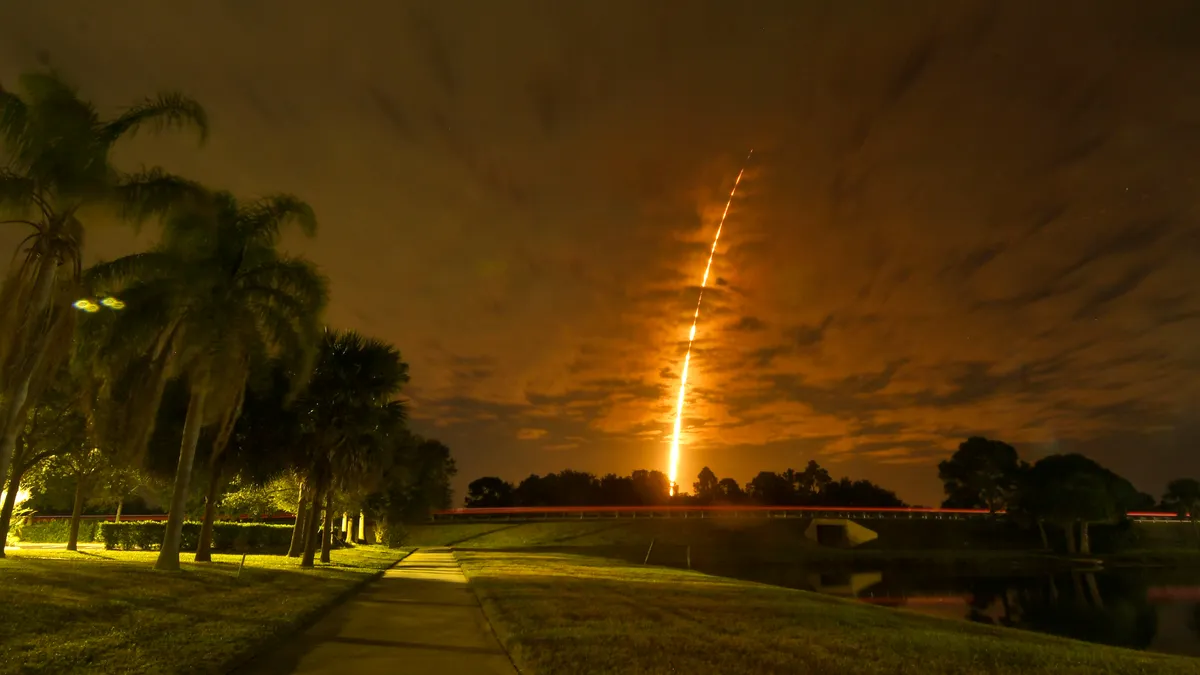
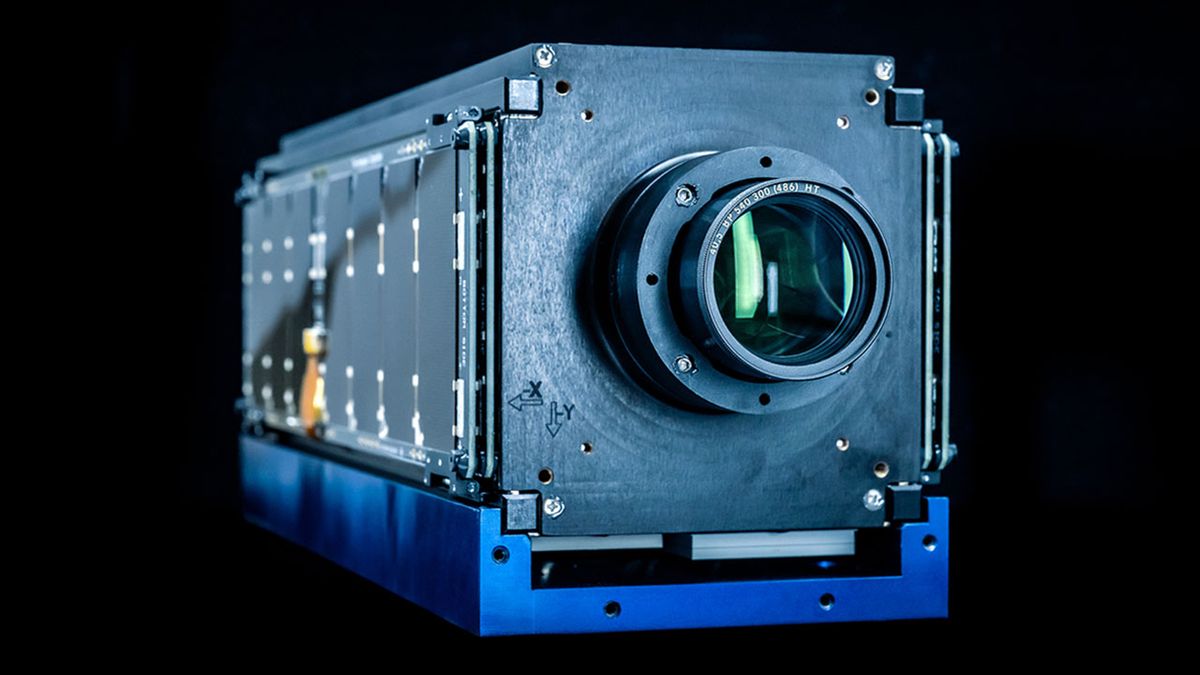
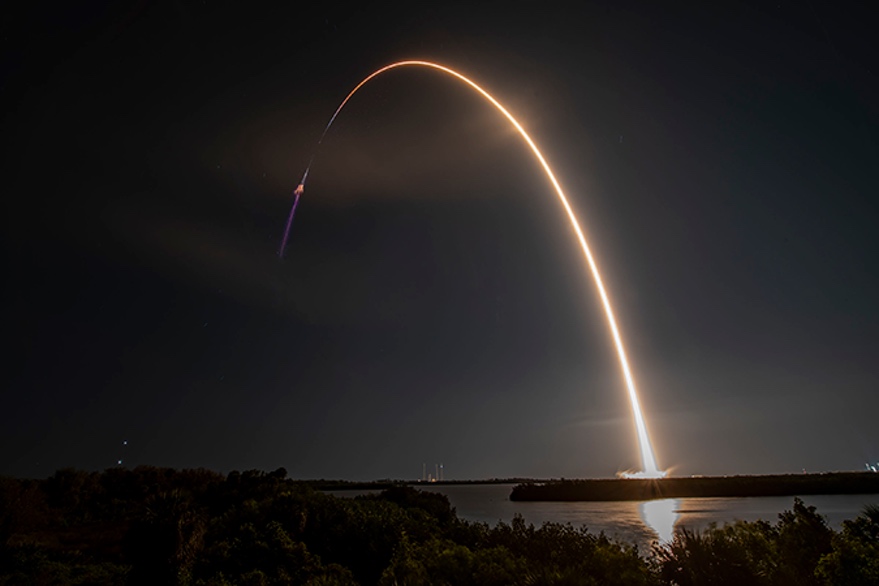
SpaceX's CRS-30 mission to the International Space Station will deliver experiments, fresh food, and a 4K camera for Earth observation. The mission includes studies on health topics, such as age-related diseases and mental health, with NASA astronauts as test subjects. The launch is scheduled for March 21 from Cape Canaveral, Florida, and will also feature the landing of the Falcon9 booster at Landing Zone 1. The mission aims to advance research in microgravity and provide live 4K views of Earth from space.
NASA's SpaceX Crew-8 mission to the International Space Station has been postponed to 11:16 p.m. Saturday due to high winds and waves. The mission will carry out 200 science experiments, focusing on protein crystal growth, medical research, and stem cell growth in microgravity. The crew will stay on board the ISS until late August, and the launch will be covered by NASA TV.
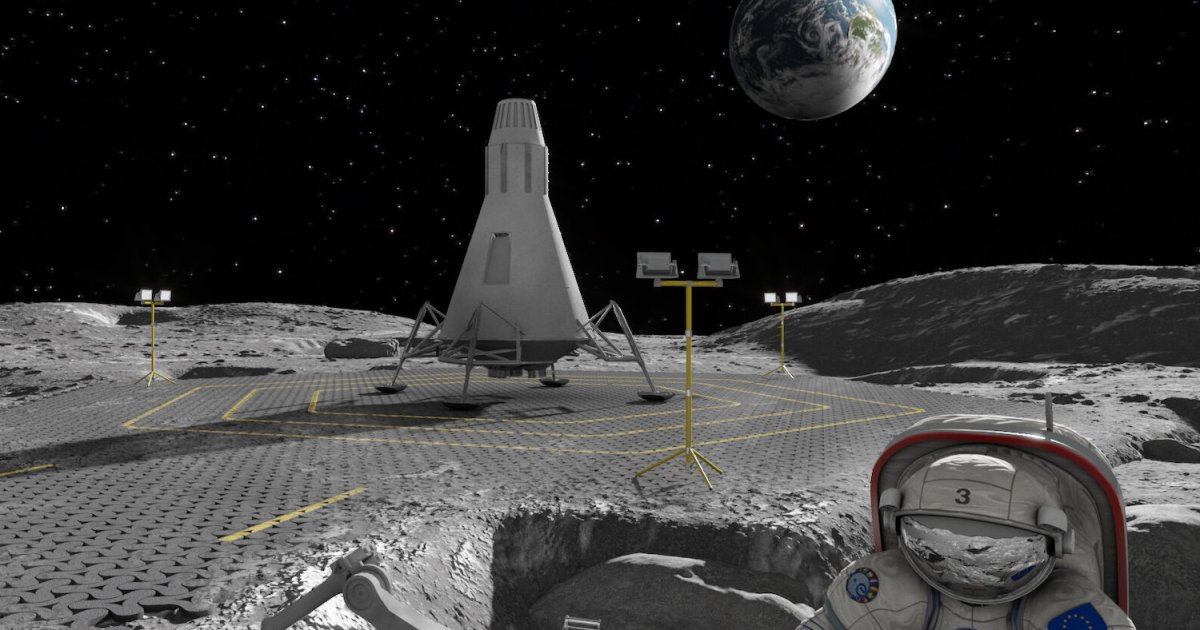
NASA is partnering with private American companies through the Commercial Lunar Payload Services (CLPS) initiative to establish the first-ever commercial delivery service to the moon. The deliveries, starting in 2023, will include science experiments, technology tests, and capabilities demonstrations to support NASA's exploration and preparation for human missions. Scheduled deliveries include Astrobotic sending NASA's Volatiles Investigating Polar Exploration Rover (VIPER) to the lunar South Pole in 2022 and Draper sending science investigations to the far side of the moon in 2025. This initiative aims to significantly increase the amount of science that can be achieved on the lunar surface and could pave the way for similar services to other destinations, such as Mars.
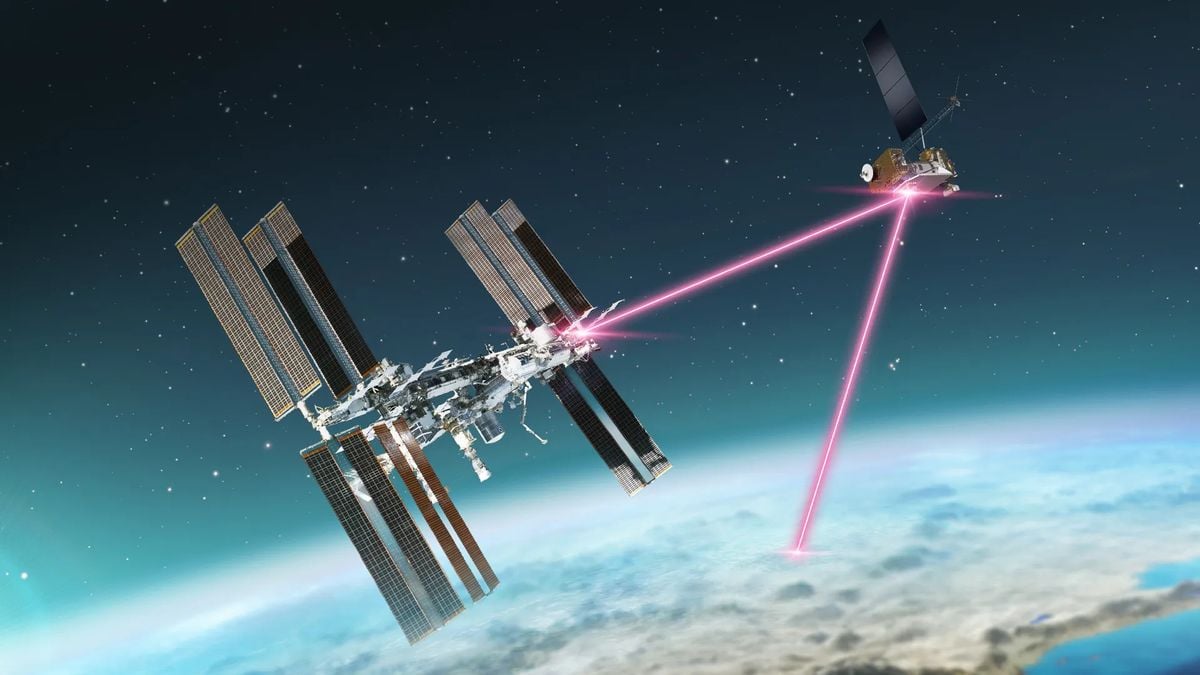
SpaceX is set to launch a cargo mission to the International Space Station (ISS) on November 5, carrying a range of science experiments including a groundbreaking laser communications experiment called ILLUMA-T. The experiment aims to boost ISS communications and assist future deep space missions by transmitting data through NASA's Laser Communications Relay Demonstration satellite. The system will use infrared light to transmit videos and images faster, potentially improving science returns over long distances, particularly at the moon and Mars. The ILLUMA-T system is smaller and less massive than radio gear, allowing more room for other payloads, and it also offers benefits such as easier licensing and reduced power usage.
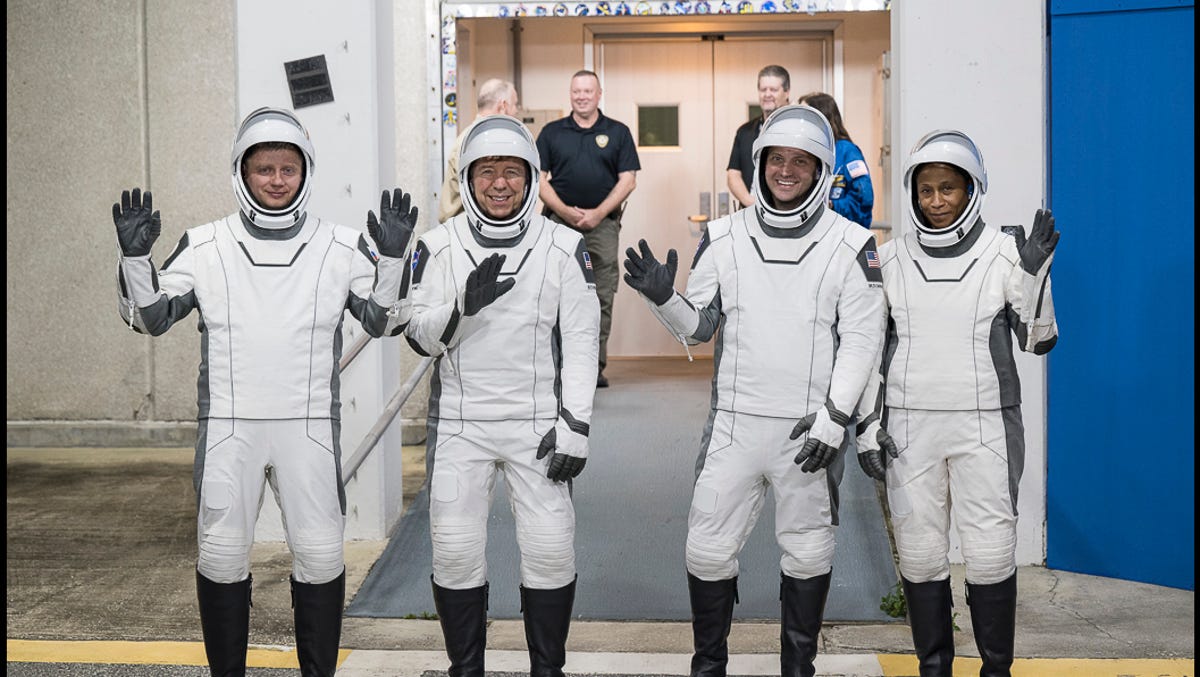
Four astronauts from different countries, including NASA astronaut Jasmin Moghbeli, ESA astronaut Andreas Mogensen, JAXA astronaut Satoshi Furukawa, and Roscosmos cosmonaut Konstantin Borisov, launched from NASA's Kennedy Space Center in a SpaceX spacecraft to the International Space Station. The crew will conduct over 200 science experiments and technology demonstrations to prepare for future missions to the Moon and Mars. The experiments include studying microbial samples, human response to spaceflight durations, and the physiological aspects of astronauts' sleep.
SpaceX is preparing to launch its Crew-7 mission to the International Space Station (ISS), with four astronauts from different space agencies. During their stay, the crew will conduct over 200 science experiments, including studies on microorganisms on the exterior of the ISS, the effects of microgravity on the human sleep cycle, microbial growth on stainless steel surfaces, and tracking astronauts' physical and psychological responses in space. These investigations aim to improve our understanding of the challenges faced by astronauts in space and contribute to future deep-space missions.
SpaceX has rescheduled the launch of the Crew Resupply Mission 28 (CRS-28) to the International Space Station (ISS) for June 5 at 11:47 PM EDT. The mission will deliver equipment, supplies, and science experiments to the ISS, including two new iROSA solar panels. The payloads include a European Space Agency project to observe thunderstorms, a student-designed DNA experiment, and a cubesat built by The Aerospace Corporation to research satellite hacking. The launch will also feature the updated shorter nozzle on the Merlin vacuum-optimized engine on the second stage of the Falcon 9 rocket.
SpaceX's 28th commercial resupply mission (CRS-28) is set to launch new science experiments and provisions to the International Space Station (ISS) on June 3. The mission will carry research, logistical supplies, and necessities to the Expedition 69 crew currently aboard the ISS. The cargo will also include six cubesats, including Moonlighter, which was developed to enable real-time cybersecurity testing in orbit. The mission manifest includes studies exploring DNA changes in microgravity, automated spacecraft docking prototypes, and a study into blue energy discharges from thunderstorms.
SpaceX launched its 27th cargo mission to the International Space Station (ISS) on March 14, carrying supplies and experiments. The Dragon spacecraft, flying the SpX-27 cargo mission under SpaceX’s Commercial Resupply Services 2 contract with NASA, is carrying 2,852 kilograms of cargo, more than 40% of which is science experiments for the station. The Dragon will spend about a month docked to the station before returning to Earth with completed science experiments and other hardware.