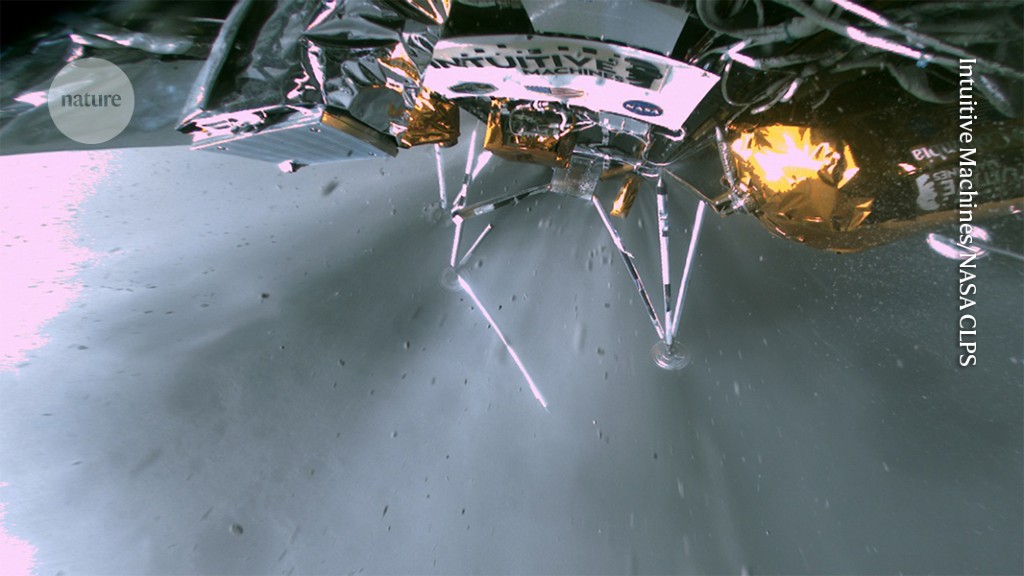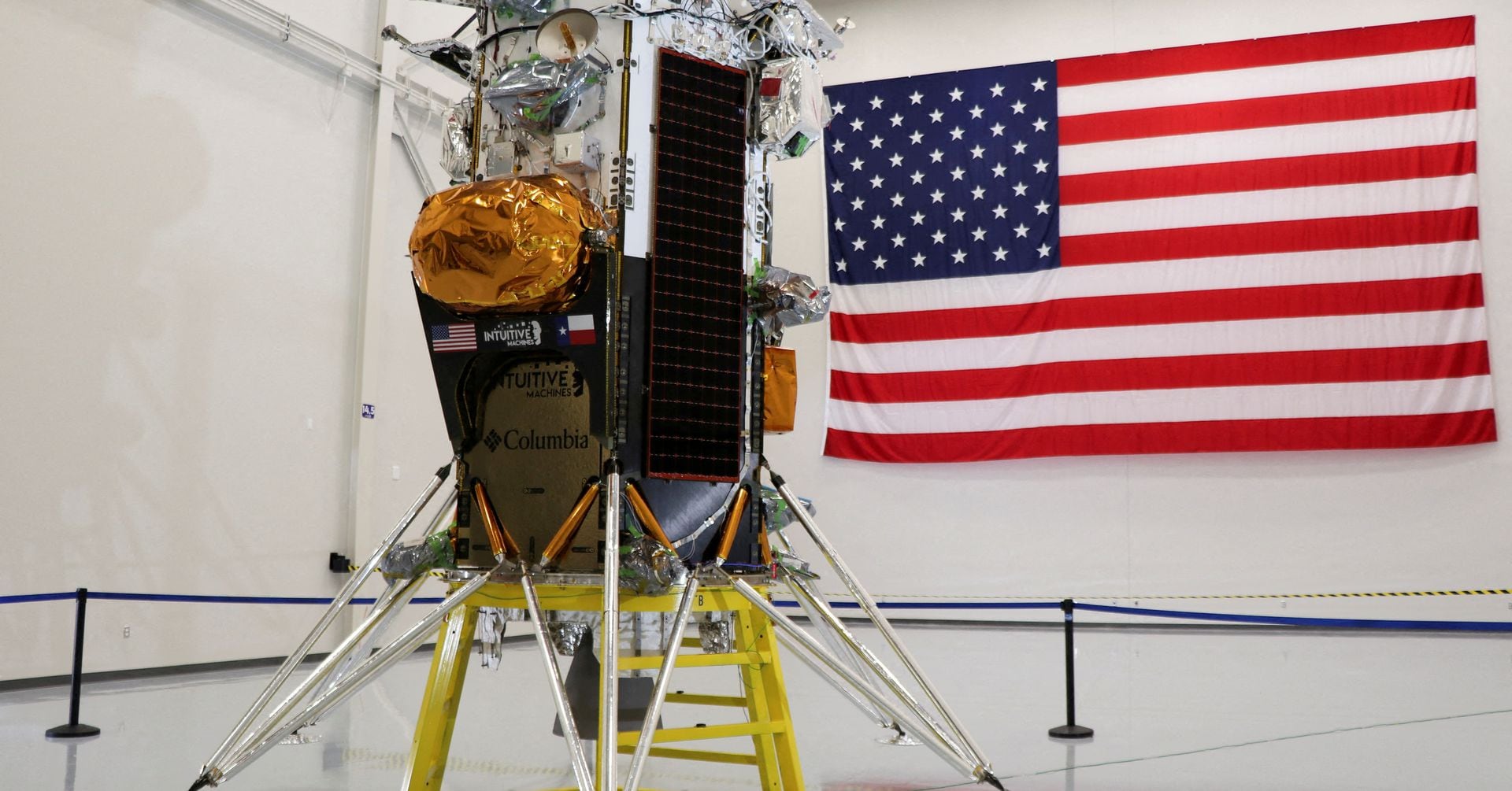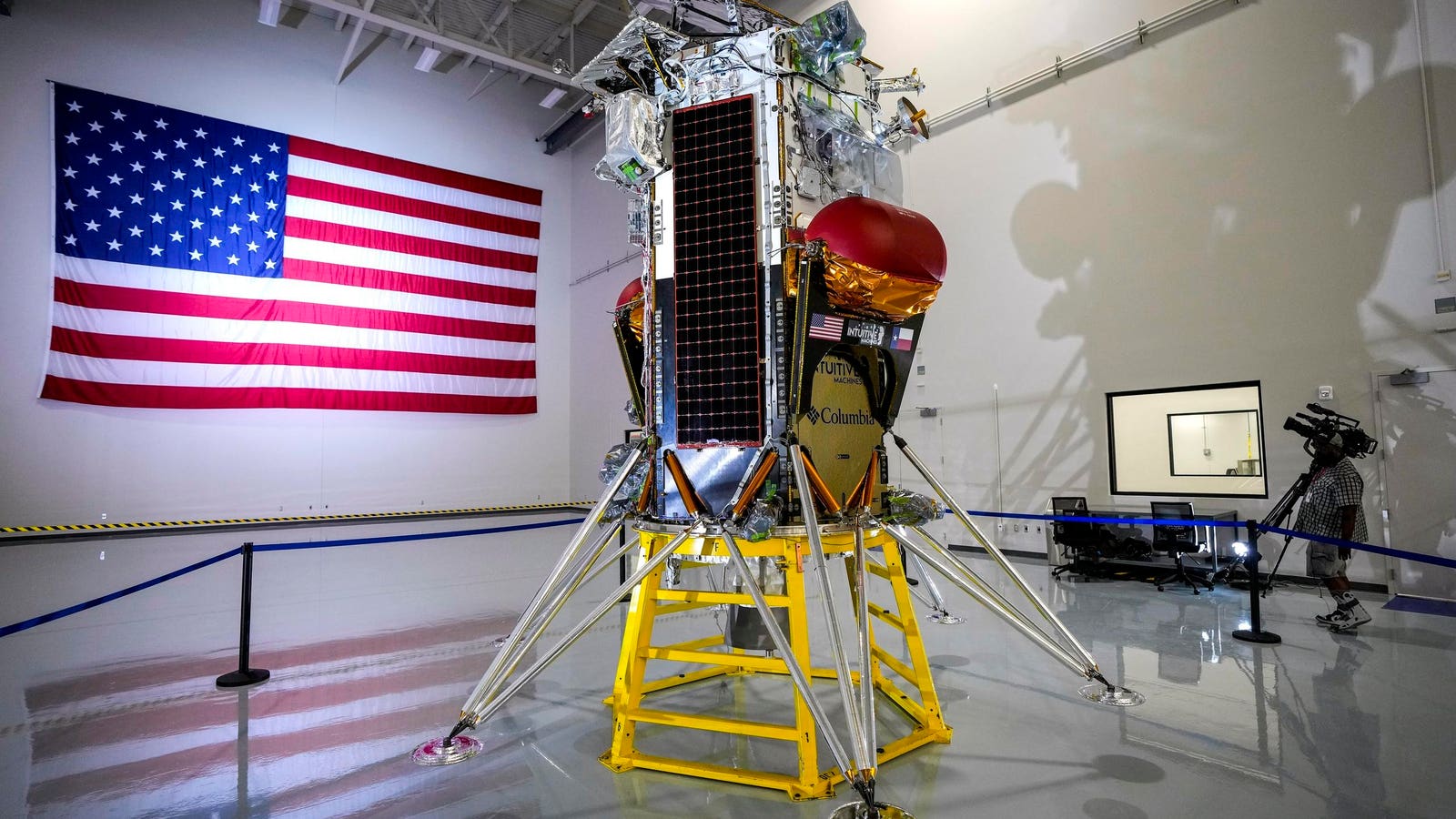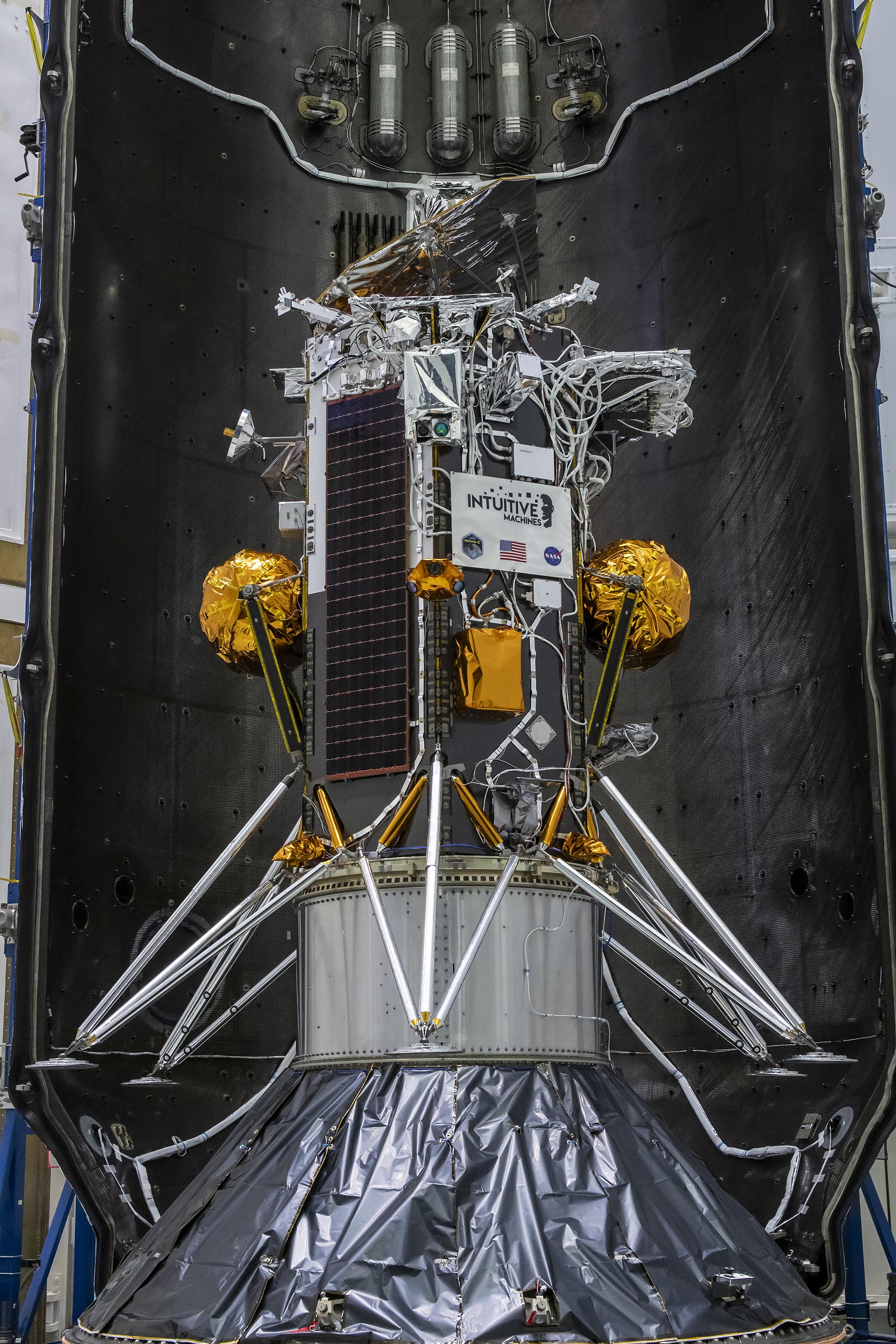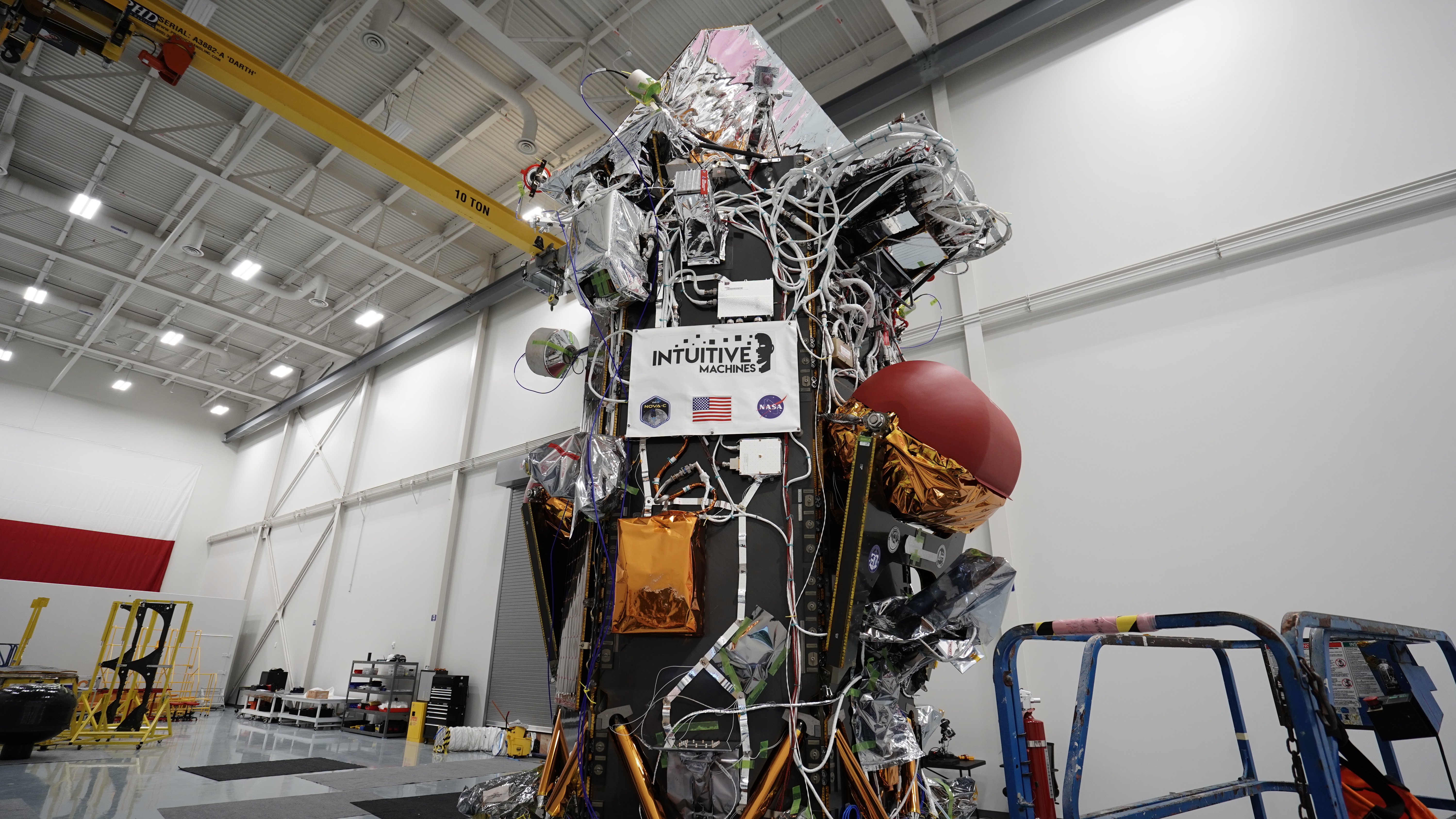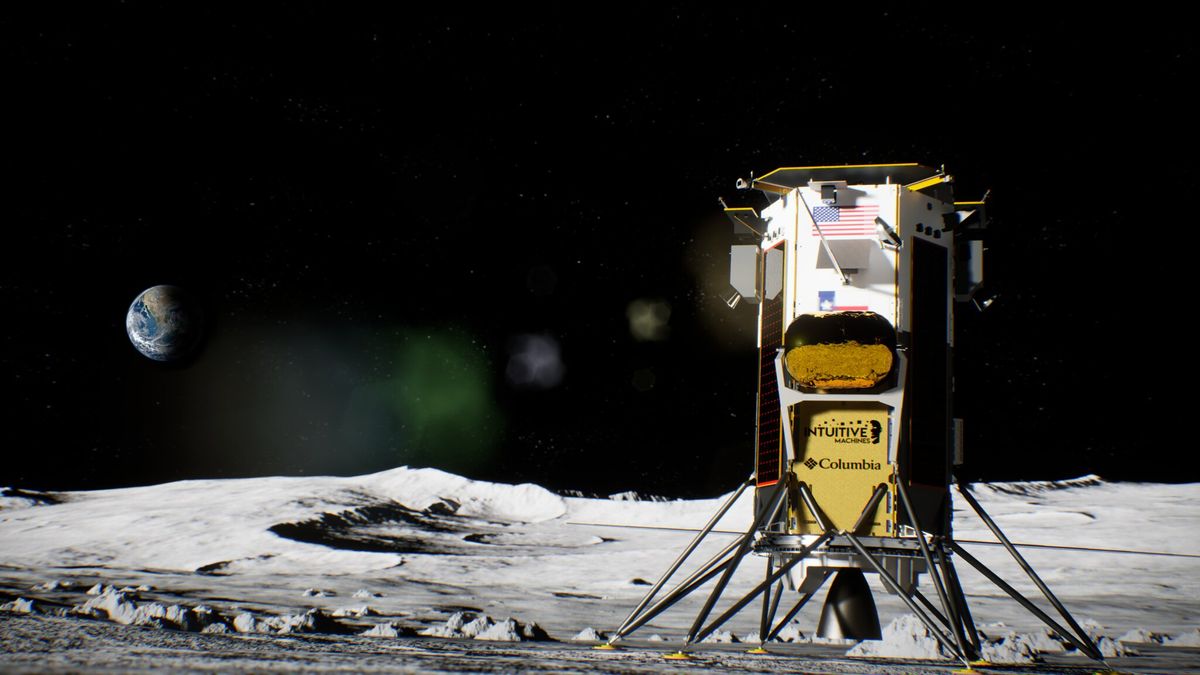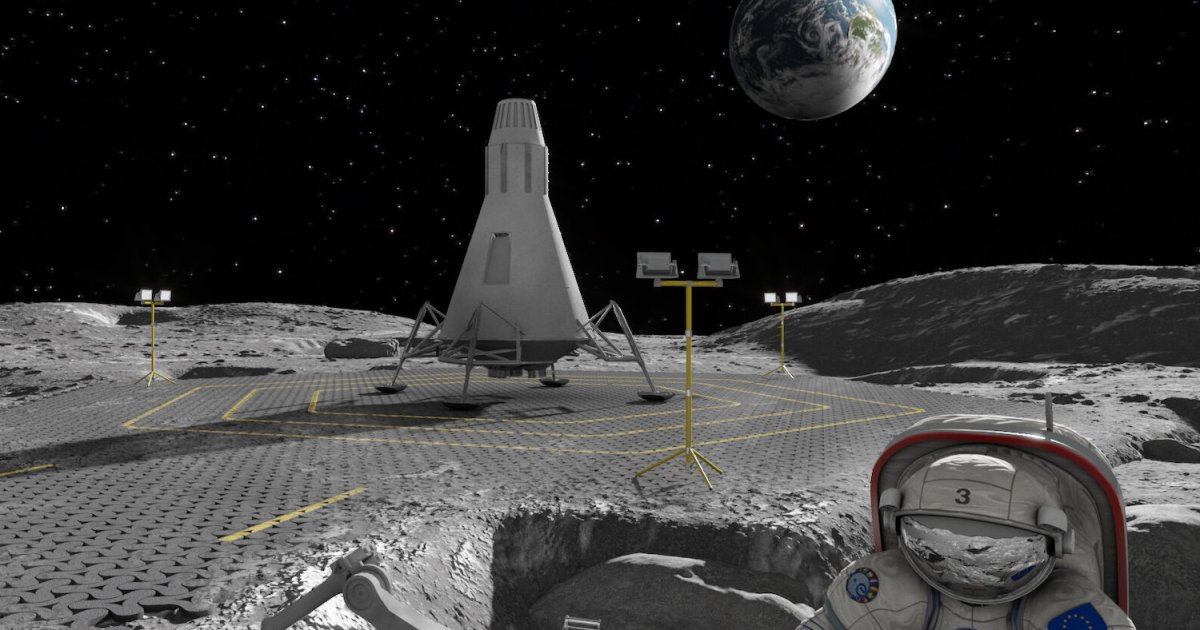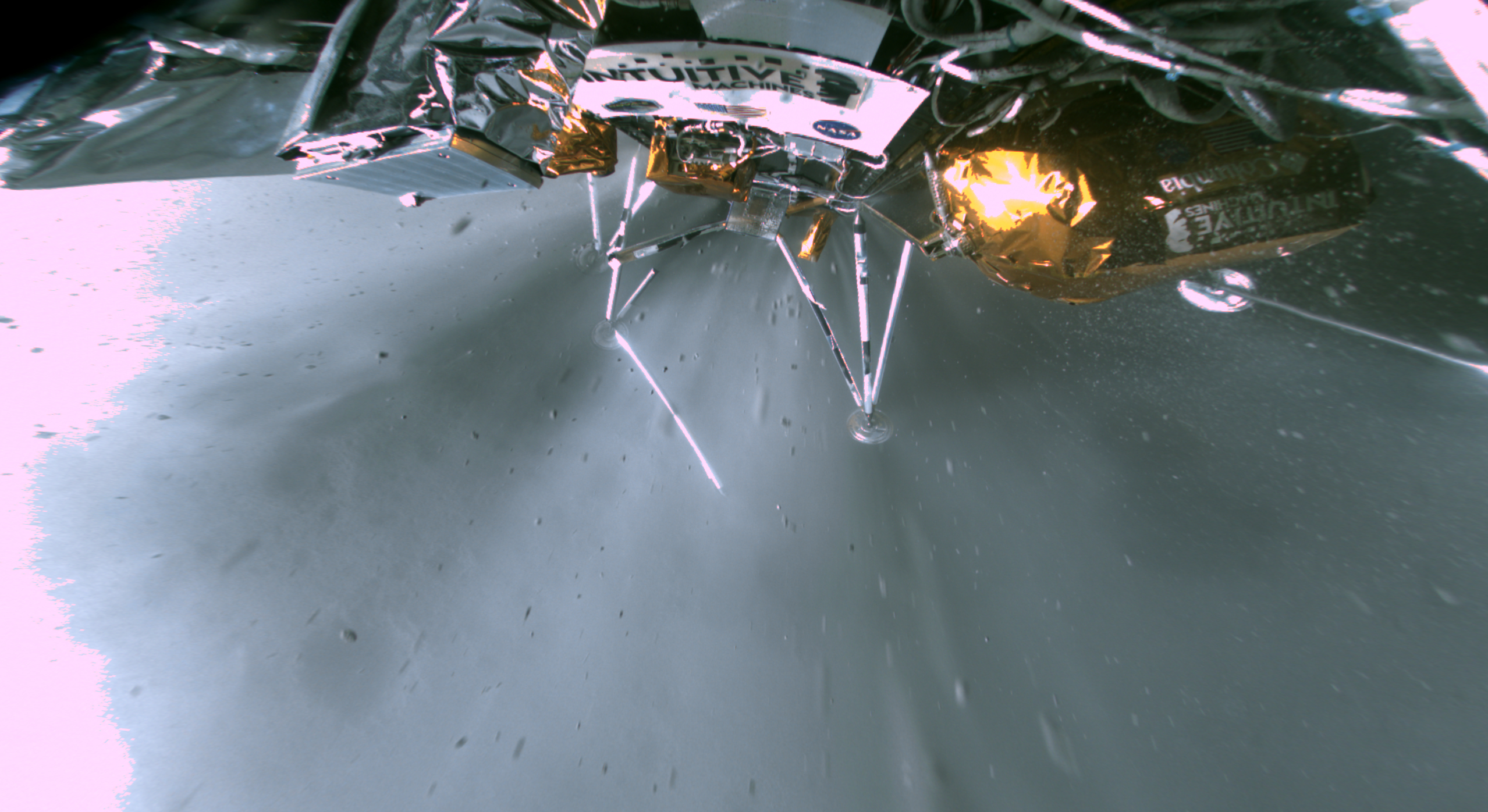
NASA successfully collected data from new science instruments and technology demonstrations on the Moon for the first time in over 50 years through its Commercial Lunar Payload Services initiative and Artemis campaign. The data was obtained from the first successful landing of a delivery by Intuitive Machines’ Odysseus in the lunar South Pole region, marking the first U.S. soft landing on the Moon in decades and demonstrating the capability of commercial vendors to deliver instruments for expanding scientific and technical knowledge on the Moon. The mission included the successful operation of six NASA science and technology instruments, with data now available for analysis, and the first images showcasing the lander's orientation and the South Pole region on the Moon.
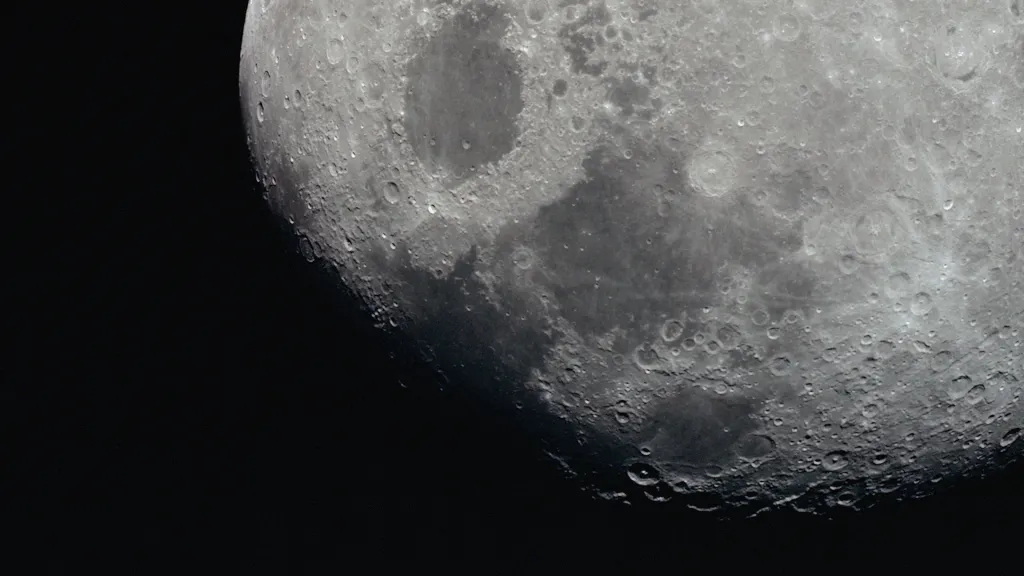
NASA has successfully delivered six science and technology instruments to the Moon through its Commercial Lunar Payload Services initiative, marking the first time in over 50 years that new NASA payloads are operating on the lunar surface. These instruments include a guidance system crucial for the successful landing and an instrument designed to observe the Moon's surface environment in radio frequencies, with the aim of informing future lunar missions.
The first commercial spacecraft to soft-land on the Moon, the Odysseus lander, is expected to lose power on 28 February, six days after touchdown. Despite encountering challenges during its mission, including a bumpy landing and technical issues, it successfully delivered 12 payloads to the lunar surface, including six from NASA. While some instruments did not perform as expected, others, such as radioantennas, gathered valuable scientific data. The mission is seen as a success in the commercial lunar exploration industry, but attention is now focused on upcoming launches in NASA's Commercial Lunar Payload Services program.
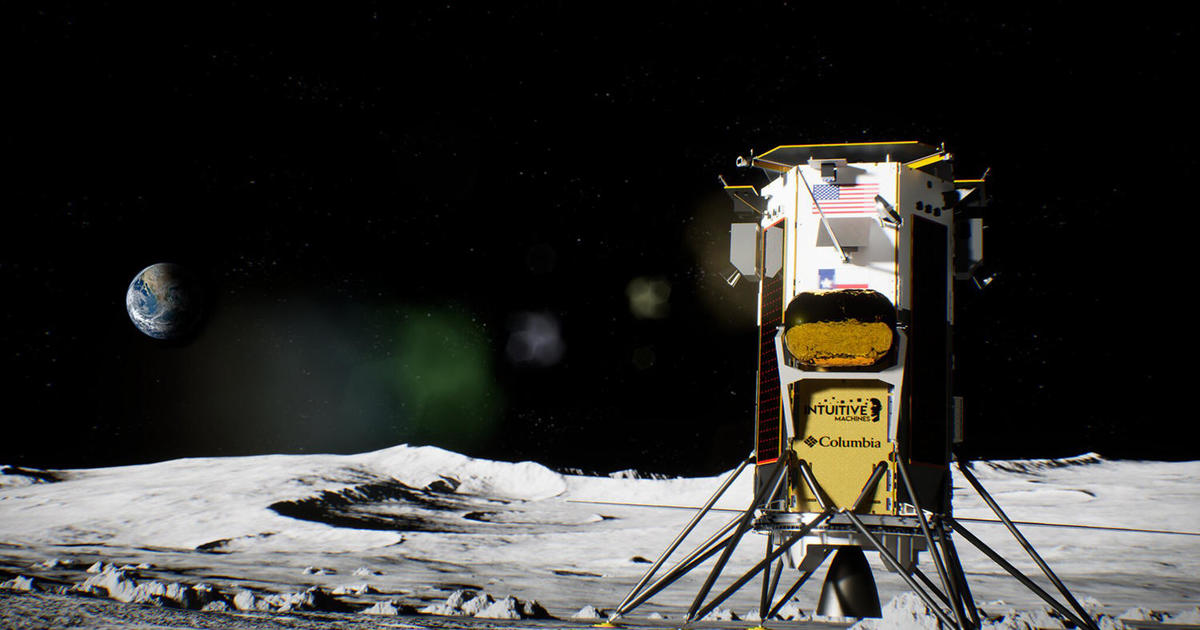
Intuitive Machines' spacecraft, Odysseus, is set to attempt the first U.S. moon landing in over 50 years and the first entirely by the private sector, carrying scientific instruments and technology demonstrations for NASA and commercial customers. The uncrewed spacecraft, part of NASA's Artemis program, aims to land at a crater near the moon's south pole and pave the way for sustained lunar exploration. This mission represents a significant milestone in the commercial space industry's involvement in lunar exploration, as smaller private ventures play a key role in NASA's efforts to return astronauts to the moon.
The Odysseus lunar lander successfully entered a 57-mile-high orbit around the moon, paving the way for a historic landing attempt on Thursday near the moon's south pole. If successful, it would be the first U.S. spacecraft landing on the moon in over 50 years. The privately-built lander, funded in part by NASA's Commercial Lunar Payload Services program, is carrying payloads from both NASA and commercial customers, aiming to study the lunar environment and test new technology. This mission is part of NASA's efforts to encourage private industry to develop transportation capabilities for lunar exploration.
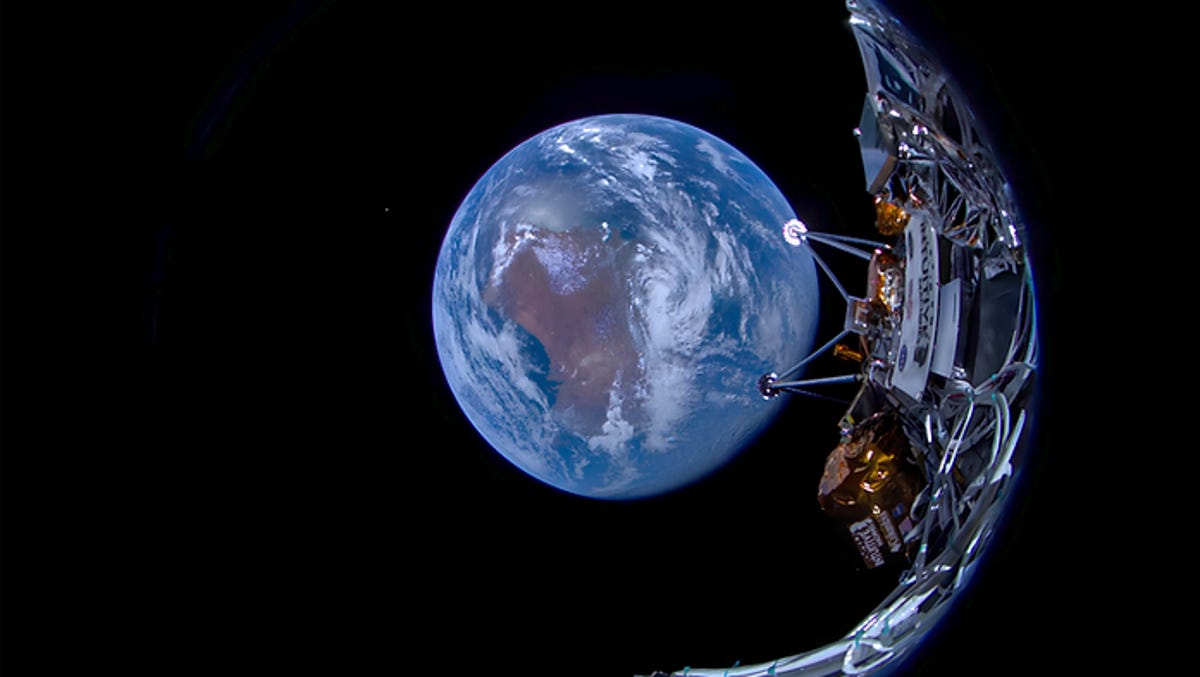
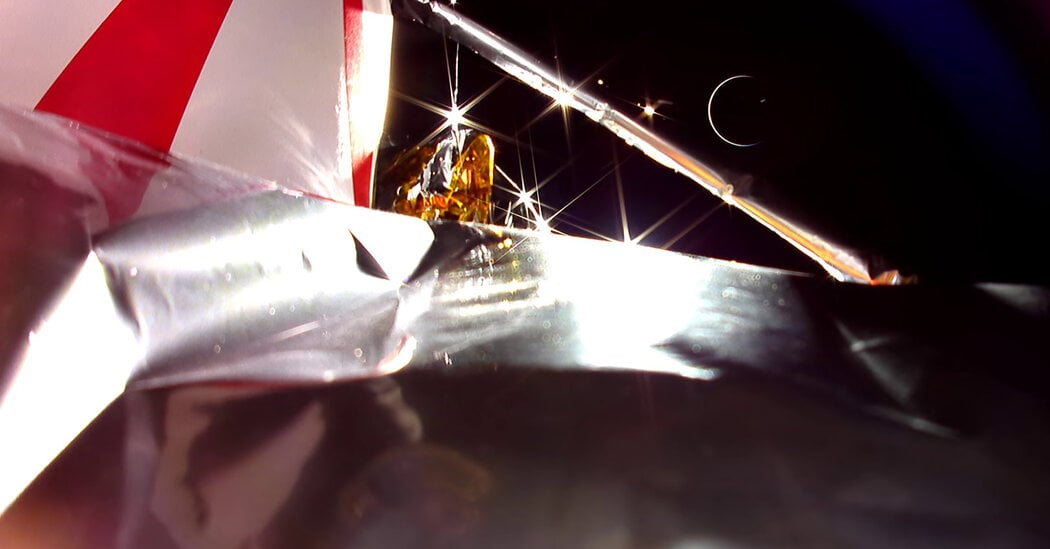
The Odysseus moon lander, launched by Intuitive Machines aboard a SpaceX Falcon 9 rocket, has sent back images of Earth as it heads towards a historic moon landing attempt, aiming to become the first commercially-built craft to reach the moon. Named after the Greek hero, the lander is set for a Thursday landing near the moon's south pole, a region of interest due to the presence of water ice. This mission is part of NASA's Commercial Lunar Payload Services program, with the hope of paving the way for human exploration of the moon and supporting future space endeavors.
Houston-based company Intuitive Machines is set to launch its Nova-C lander to the moon atop a SpaceX Falcon 9 rocket, aiming for a historic private company lunar landing on February 22. The mission, part of NASA's Commercial Lunar Payload Services program, will carry NASA equipment, artist Jeff Koons' sculptures, and material from Columbia Sportswear. The launch can be watched on NASA's livestream and Intuitive Machines and SpaceX's websites and social media. This comes after the recent failure of another US commercial lunar landing attempt and the successful landing of Japan's lunar mission.
NASA's CLPS initiative and Artemis campaign will see SpaceX launching Intuitive Machines' first lunar lander to the Moon's surface on Feb. 14, with live coverage available on NASA platforms. The mission aims to carry NASA science and technology instruments focusing on various aspects of lunar exploration. The public can attend the launch virtually and engage on social media using the hashtag #Artemis. This mission is part of NASA's efforts to explore the Moon and pave the way for future missions to Mars through commercial partnerships.
NASA invites media to cover Intuitive Machines' first robotic flight to the Moon's surface as part of the CLPS initiative and Artemis campaign, with the launch targeted for mid-February. The mission will carry NASA science and commercial payloads, focusing on various research areas, and aims to support the CLPS model for commercial payload deliveries to the lunar surface. This is part of NASA's efforts to invest in lower-cost methods of Moon deliveries and prepare for future missions to Mars through the Artemis program.
Japan's SLIM lunar lander successfully touched down on the moon, making Japan the fifth country to achieve this feat, although its solar cells are not generating electricity. Axiom Space launched its third private mission with SpaceX, aiming to continue flying private missions to the International Space Station at a pace of around two missions per year through 2026. NASA's Commercial Lunar Payload Services program embraces risk-tolerance, as seen with Astrobotic's Peregrine lander, and 32 years ago, the first International Microgravity Laboratory was launched by NASA.
Astrobotic's Peregrine moon lander, which was carrying NASA experiments, disintegrated in Earth's atmosphere after a propulsion malfunction prevented it from reaching the moon. The spacecraft, launched on the debut flight of a new rocket, suffered a major malfunction soon after separating from the rocket's second stage. Despite efforts to reorient the craft, a propellant leak made the planned moon landing impossible. The company decided to leave the spacecraft on a trajectory to burn up in Earth's atmosphere to prevent it from colliding with satellites. Other lunar landers are still aiming for the moon, including a Japanese spacecraft attempting a lunar landing and the next NASA-financed commercial mission by Intuitive Machines.
The privately built lunar lander, Peregrine, designed to journey to the moon, suffered a critical propellant leak shortly after launching into orbit and ultimately burned up in Earth's atmosphere, ending its mission. The mission, closely watched as the first U.S. lunar lander to launch into space in over 50 years, was part of NASA's Commercial Lunar Payload Services program aimed at spurring development of new moon landers by private sector companies. NASA recently announced delays to upcoming Artemis missions, including a lunar fly-around and the first Artemis landing attempt.
The inaugural private lander contracted under NASA's Commercial Lunar Payload Services program, Peregrine, experienced propulsion problems and won't make a soft touchdown on the lunar surface. Despite this setback, astrophysicist Jack Burns remains optimistic about the program's future, emphasizing the upcoming launch of the Intuitive Machines' Nova-C lander and its payload ROLSES, which aims to conduct radio astronomy on the moon's far side. The failure of Peregrine highlights the high-risk nature of the program, but NASA's commercial endeavor aims to distribute risks and costs among multiple missions, demonstrating a cheaper and more efficient way to bring scientific payloads to space.
The Biden Administration will consult with the Navajo Nation regarding the placement of human remains on the Moon by commercial space missions, as the Moon is sacred to the Navajo people. The remains are being sent by Celestis, a company that is one of the customers on Astrobotic's Peregrine lunar lander, which is part of NASA's Commercial Lunar Payload Services program. The Navajo Nation President, Buu Nygren, has requested the postponement of the launch, citing sacrilege and a lack of consultation. NASA has no control over non-NASA payloads, but an intergovernmental meeting is being arranged to address the concerns of the Navajo Nation.
NASA is partnering with private American companies through the Commercial Lunar Payload Services (CLPS) initiative to establish the first-ever commercial delivery service to the moon. The deliveries, starting in 2023, will include science experiments, technology tests, and capabilities demonstrations to support NASA's exploration and preparation for human missions. Scheduled deliveries include Astrobotic sending NASA's Volatiles Investigating Polar Exploration Rover (VIPER) to the lunar South Pole in 2022 and Draper sending science investigations to the far side of the moon in 2025. This initiative aims to significantly increase the amount of science that can be achieved on the lunar surface and could pave the way for similar services to other destinations, such as Mars.