Tag

Sauropods

All articles tagged with #sauropods

science15 days ago

Rare 150-Million-Year-Old Dinosaur Tracks Reveal Injured Dinosaur's Circling Path

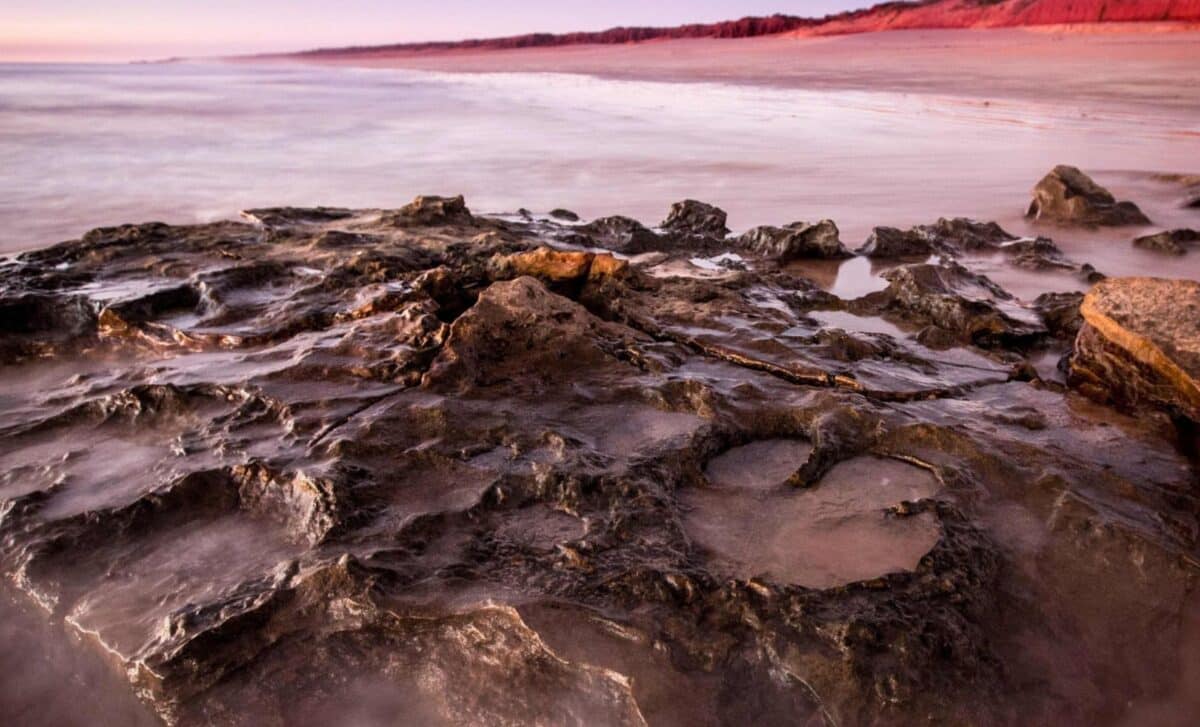
Researchers in Western Australia's Kimberley region discovered the largest dinosaur footprints ever recorded, some over 1.7 meters long, left by sauropods around 130 million years ago. The site contains a diverse range of 21 different dinosaur track types, making it one of the richest fossil tracksites globally. Indigenous elders played a key role in protecting and studying these ancient footprints, which offer significant insights into prehistoric life.

science7 months ago

Fossilized Sauropod Gut Content Reveals Non-Chewing Vegetarian Diet

A fossilized gut content of a 94-101 million-year-old sauropod dinosaur revealed that these herbivores primarily relied on gut microbes for digestion, consumed a variety of plants including conifers, seed ferns, and flowering plants, and engaged in minimal oral processing, supporting the idea of bulk feeding. This discovery provides rare direct evidence of sauropod diet and suggests they were indiscriminate feeders that adapted to eating flowering plants shortly after their appearance.

paleontology2 years ago

Uncovering Dinosaur Predation through Bone Bite Marks

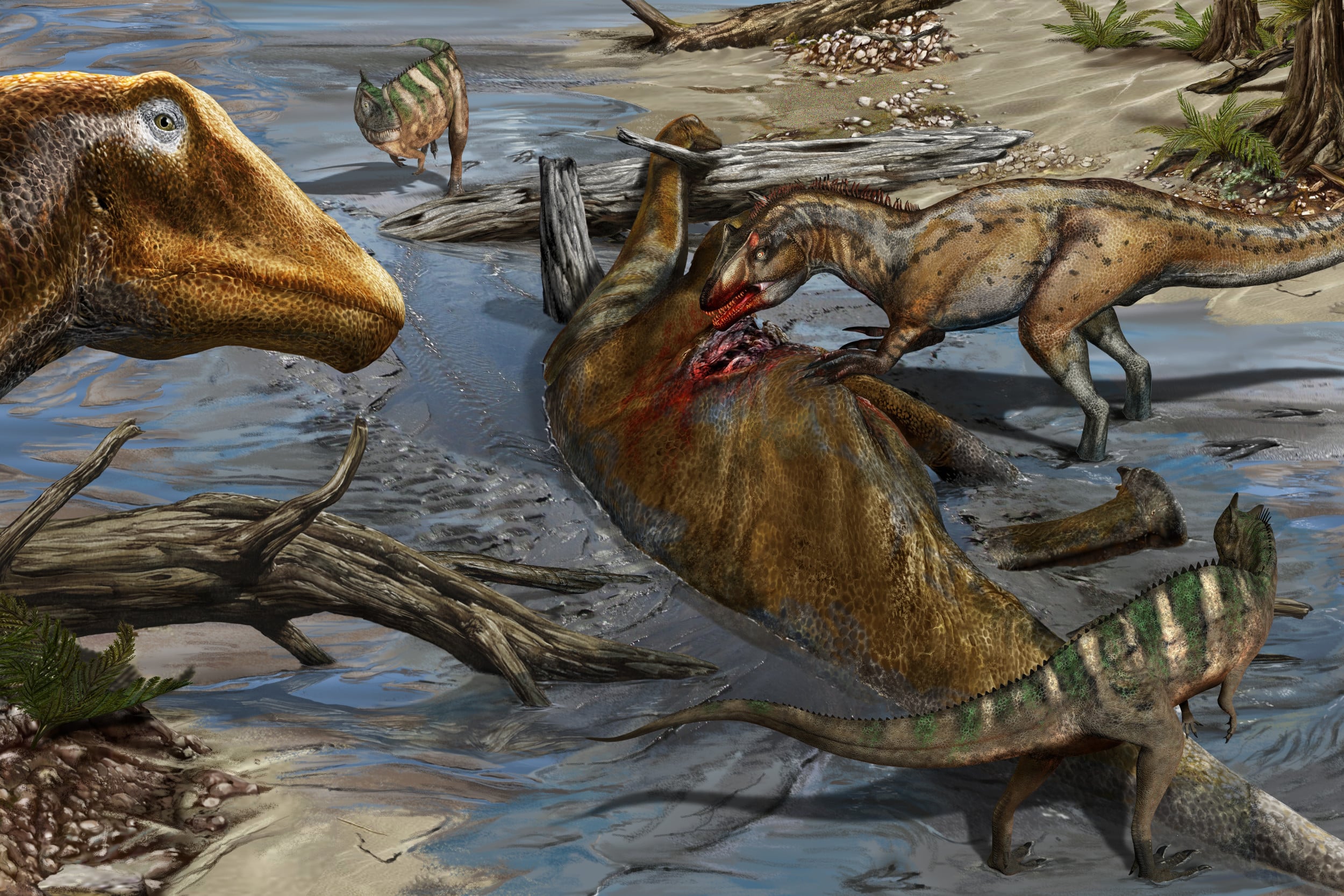
Paleontologists studying bite marks on sauropod bones have concluded that the marks were likely made by scavenging meat-eating dinosaurs rather than predators that actively hunted and killed adult sauropods. The researchers found that the bite marks were more likely to be on the bones of old, sick, injured, or otherwise vulnerable sauropods. The study suggests that it would have been too risky for predators to try to bring down an adult sauropod, which could weigh up to 50 tons. Instead, the large theropods likely targeted and consumed young sauropods, which were more defenseless.

paleontology2 years ago

Uncovering Dinosaur Predation through Bone Bite Marks

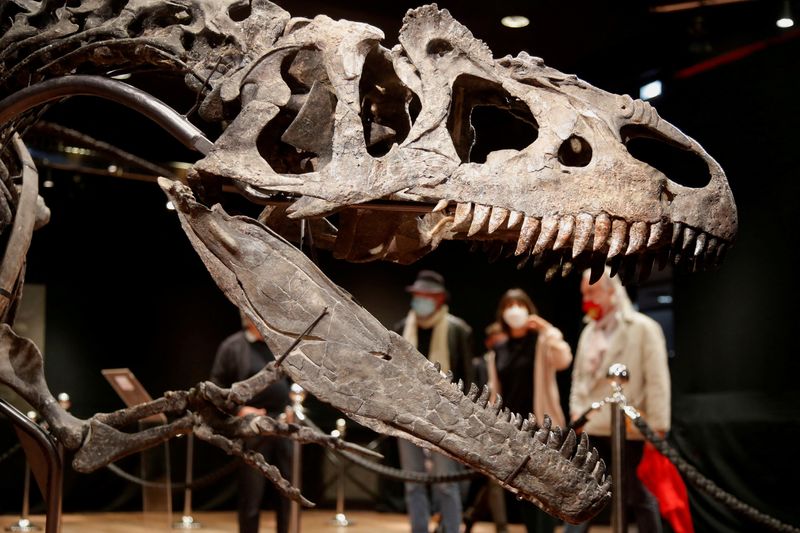
Paleontologists studying bite marks on sauropod bones from the Jurassic Period have concluded that the marks were likely made by scavenging meat-eating dinosaurs rather than predators that actively hunted and killed adult sauropods. The researchers found deep grooves on 68 out of 600 bones examined, suggesting that the scavengers came across the bodies of sauropods that had already died from causes like old age or infirmity. The study also revealed that adult sauropods were likely not targeted by predators due to their massive size and the potential risk involved in attacking them. Instead, predators may have focused on young sauropods, which were more vulnerable.

paleontology2 years ago

Carnivorous Dinosaurs' Feeding Habits Unveiled: Surprising Discoveries in North America

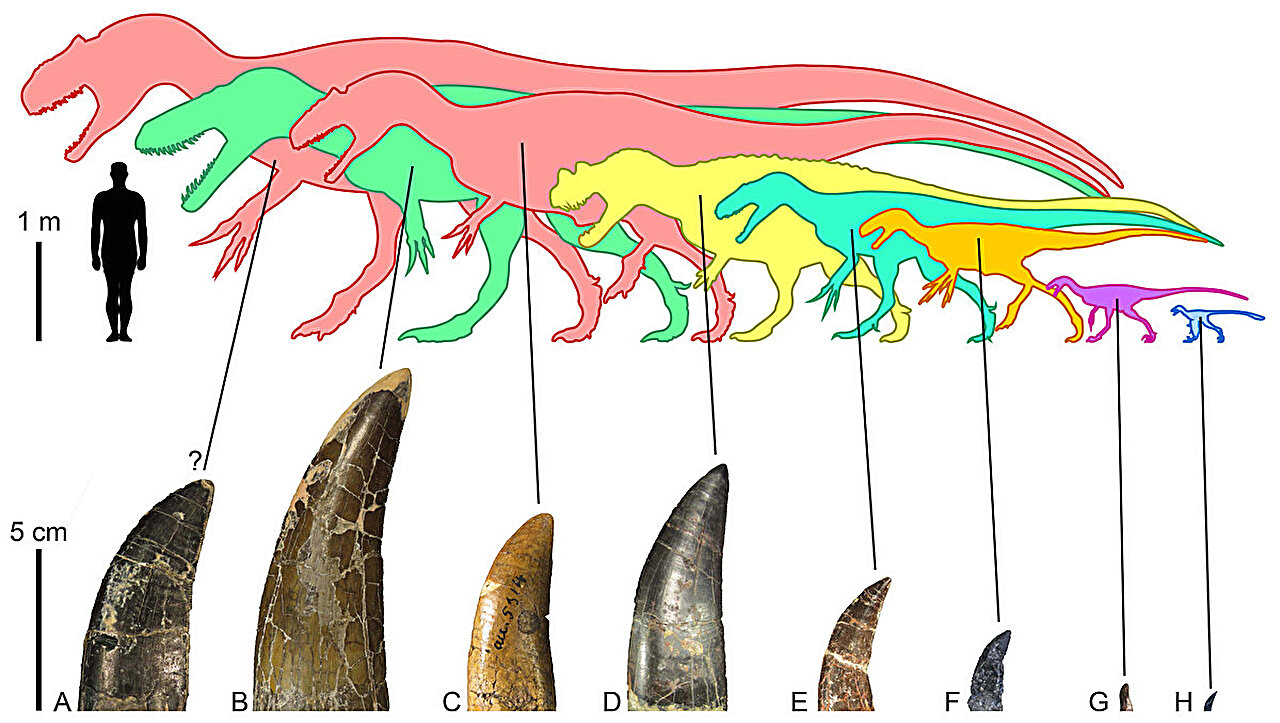
A new study published in PeerJ examines the bite marks on the bones of long-necked sauropod dinosaurs and reveals surprising insights into the feeding habits of carnivorous theropod dinosaurs in North America. The research suggests that while bite traces on large sauropods were less common than in tyrannosaur-dominated environments, they are nonetheless abundant in the Morrison Formation. The study also highlights the wear on the teeth of Morrison Formation theropods, which shows similarities to the patterns seen in large tyrannosaurs. The findings shed light on the ecological relationships between dinosaurs in the Jurassic period and provide valuable information about the behavior of these ancient animals.

paleontology2 years ago

Uncovering Jurassic America's Carnivorous Secrets through Gnawed Dinosaur Bones

Tooth-marked bones of giant plant-eating dinosaurs in North America provide insight into the feeding habits of large carnivores during the Jurassic period. The study focused on bite marks made by non-Tyrannosaur carnivorous theropods on the bones of sauropod dinosaurs. The research revealed that bite traces were more abundant than previously realized and indicated that theropods likely fed on juvenile sauropods and scavenged larger carcasses. The findings shed light on the ecological relationships between dinosaurs in the Jurassic era.

paleontology2 years ago

Unveiling the Secrets of Super-Giant Sauropods: How They Became Earth's Largest Animals

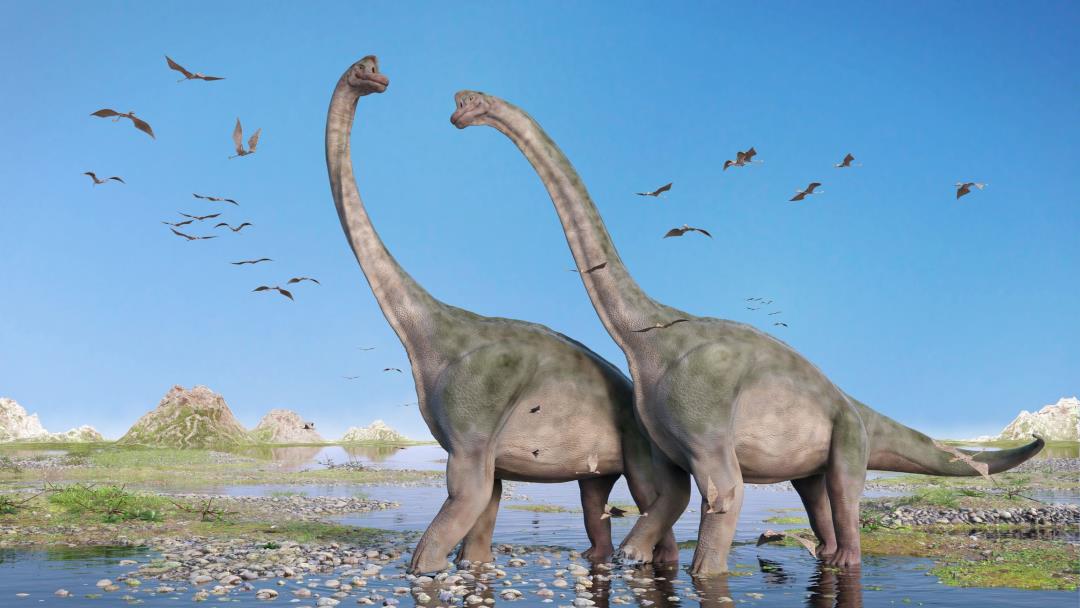
A new study on sauropods, the largest animals to have ever existed, reveals that these super-giants achieved their massive sizes through multiple instances of evolution over 100 million years. Contradicting the popular theory of Cope's Rule, the study suggests that ecological context and available niches played a significant role in determining their sizes. The research also found that sauropods with record-breaking sizes had distinct ecological characteristics and growth rates, indicating metabolic differences. The study highlights the need for further research to understand why certain lineages evolved into super-giant sizes while others did not.

science2 years ago

"36 Unique Ways Sauropod Dinosaurs Built Their Giant Bodies"

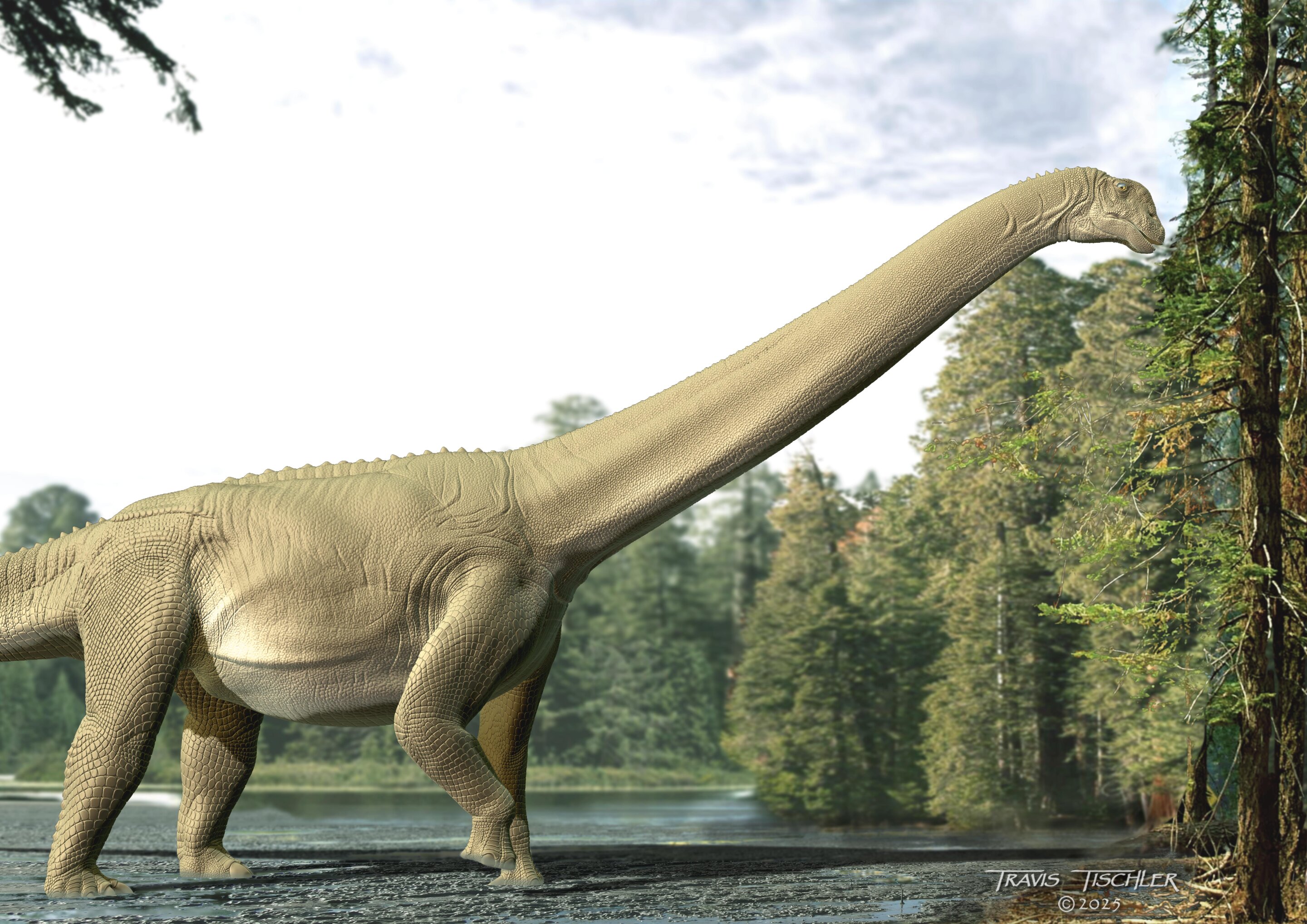
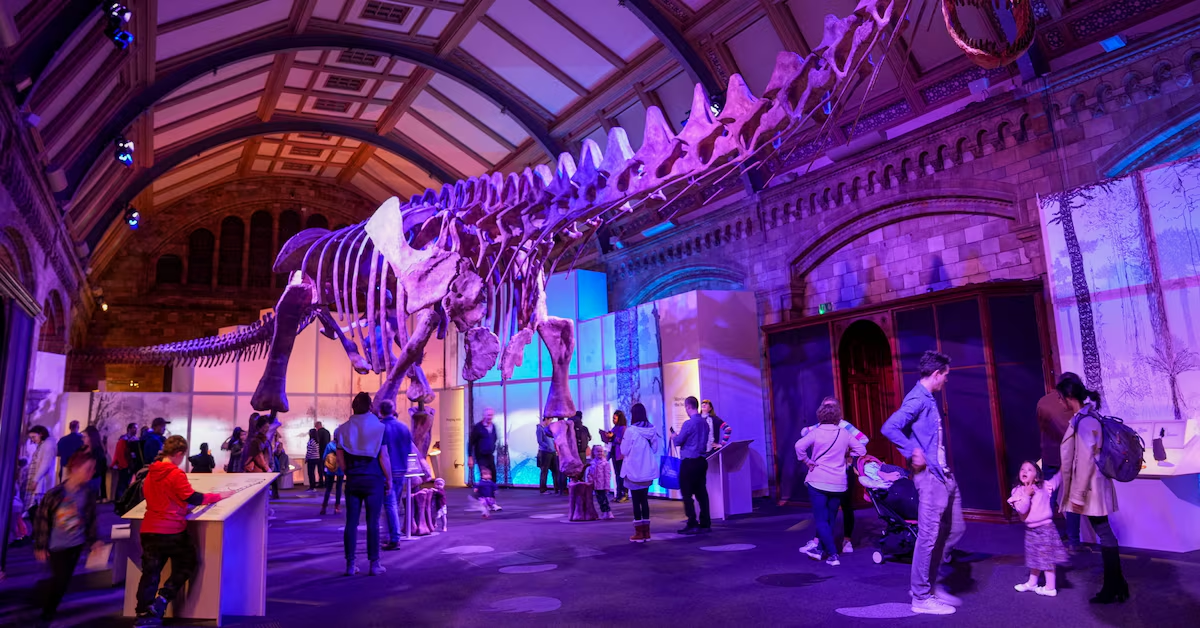
A new study has identified 36 different sauropod lineages that achieved immense size, with the heavyweight champion being Argentinosaurus, which weighed about 76 metric tons. There was no one-size-fits-all evolutionary strategy to become immense, with these lineages distinct from one another despite sharing a general body plan. Sauropods arose around 200 million years ago and the last was Alamosaurus, which lived in the southwestern United States just before the asteroid strike 66 million years ago that doomed the dinosaurs, aside from their bird descendants.

science-and-technology2 years ago

Ancient Dinosaur Footprints Discovered at Chinese Restaurant

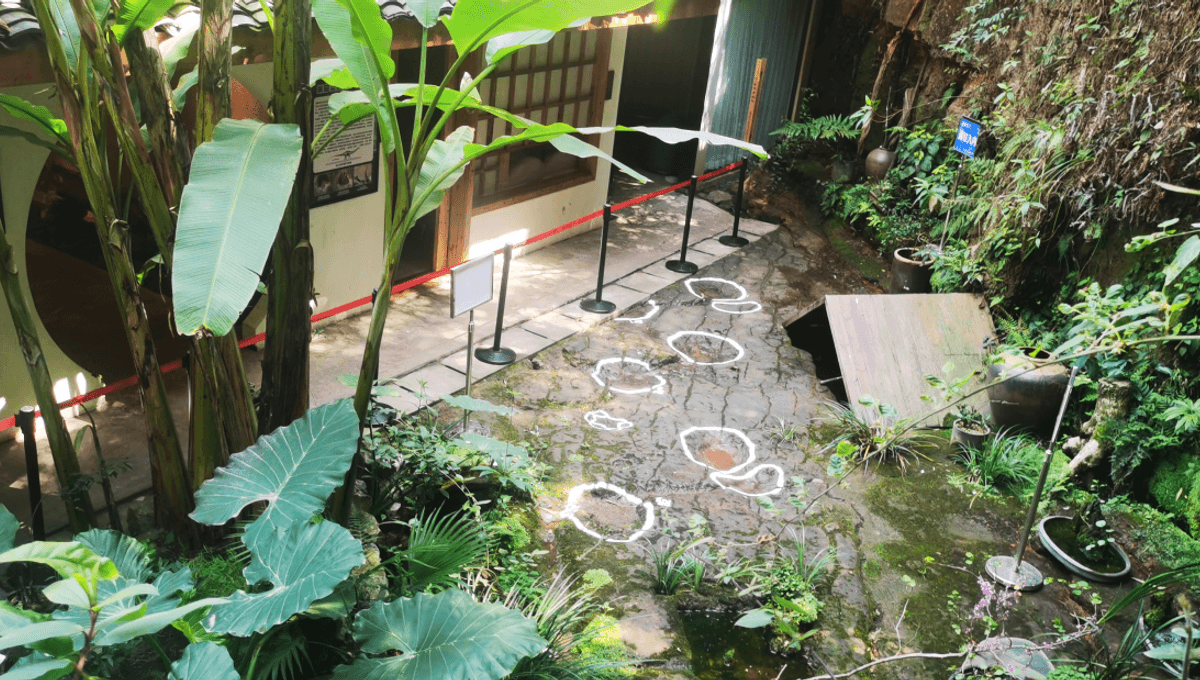
Dinosaur footprints around 100 million years old were discovered under a restaurant table in China. The footprints were confirmed to be from sauropods, plant-eating dinosaurs that grew to enormous sizes, using 3D scanners. The footprints were estimated to be from a 10-meter-long sauropod. The discovery provides invaluable information about the types of dinosaurs that lived in the area, as there is no skeletal record of dinosaurs in the region. The footprints date back to the Lower Cretaceous and are the footprints of a Brontopodus type sauropod.

science2 years ago

"Record-breaking Dinosaur Boasts Longest Neck in History"

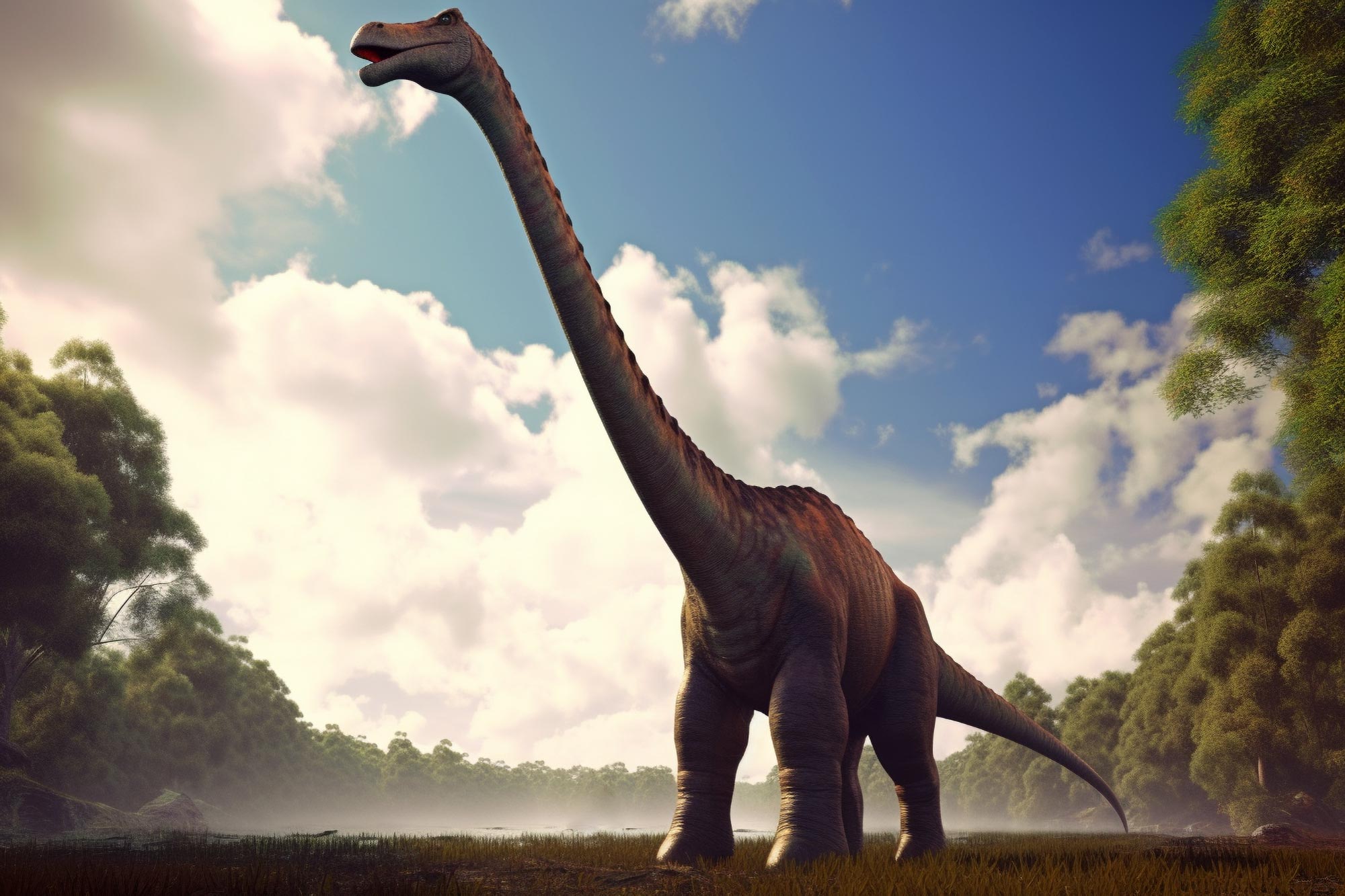
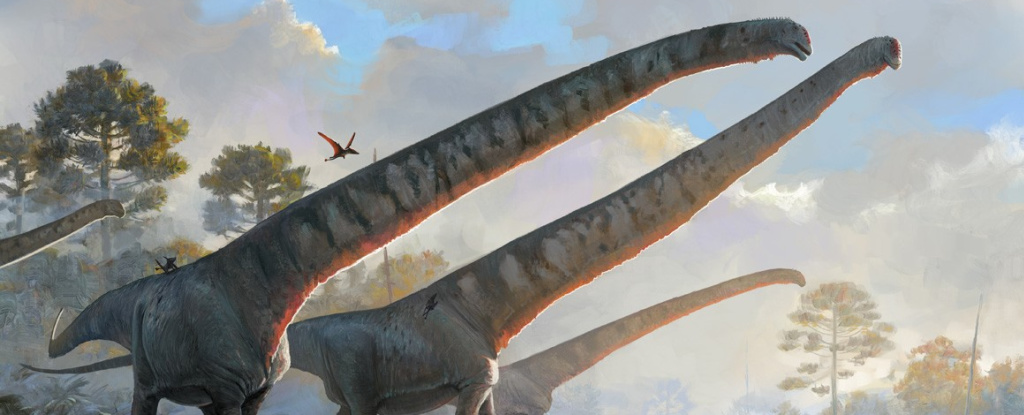
Mamenchisaurus sinocanadorum, a plant-eating dinosaur that lived in northwest China, had the longest neck ever known, stretching out to 15.1 meters (49 feet), according to a new analysis of its fossilized bones. The neck's length was made possible by the dinosaur's air-filled, honeycomb-like vertebrae. The purpose of such a long neck is still unclear, but it could have been used for feeding, sexual display, or neck-butting contests between males fighting over mates and territory. The lightweight build of the neck was critical to lightening the gargantuan necks of the largest sauropods, but neck ribs also stiffened and stabilized the neck.

science2 years ago

"New Study Reveals Dinosaur with Record-Breaking 50-Foot Neck"

Scientists have discovered that the mamenchisaurus sinocanadorum, a sauropod dinosaur that roamed the Earth approximately 162 million years ago, had a neck measuring almost 50 feet, seven times longer than a giraffe's. The species had almost hollow vertebrae, which would have been injury-prone but easy to lift. The discovery was made through new analysis of dinosaur fossils first found in China in 1987.

science2 years ago

New Record Set for Longest Dinosaur Neck, Longer Than a School Bus.

Scientists have discovered a new record for the longest neck on any dinosaur or animal yet, belonging to the Late Jurassic Chinese sauropod Mamenchisaurus sinocanadorum, with a 50-foot-long neck. The researchers used close relatives to estimate the neck length and found that the vertebrae contained pockets of air, making the spine lighter in density. The reason for the evolution of such long necks is not certain, but it could have made them more efficient at foraging and helped them release excess body heat from their huge bodies.

science2 years ago

China's Fossil Unveils Record-Breaking 70-Tonne Dinosaur with 50-Foot Neck

Fossils of a dinosaur, Mamenchisaurus sinocanadorum, found in China in 1987, have revealed that it had a neck 15 metres long, making it a contender for the animal with the longest neck ever known. The dinosaur was a herbivorous sauropod that grew to 50 metres from snout to tail and weighed more than 70 tonnes. The lightweight, hollow bones of the sauropod's neck were stiffened by rod-like neck ribs, which improved its stability. The sauropods' lifestyle was impressively successful, evolving early in dinosaur history and lasting until the final days of their reign during the mass extinction event triggered by an asteroid impact 66m years ago.