Tag

Paleoecology

All articles tagged with #paleoecology

science15 hours ago

Ancient Humans Rewrote Europe's Landscape Before Farming

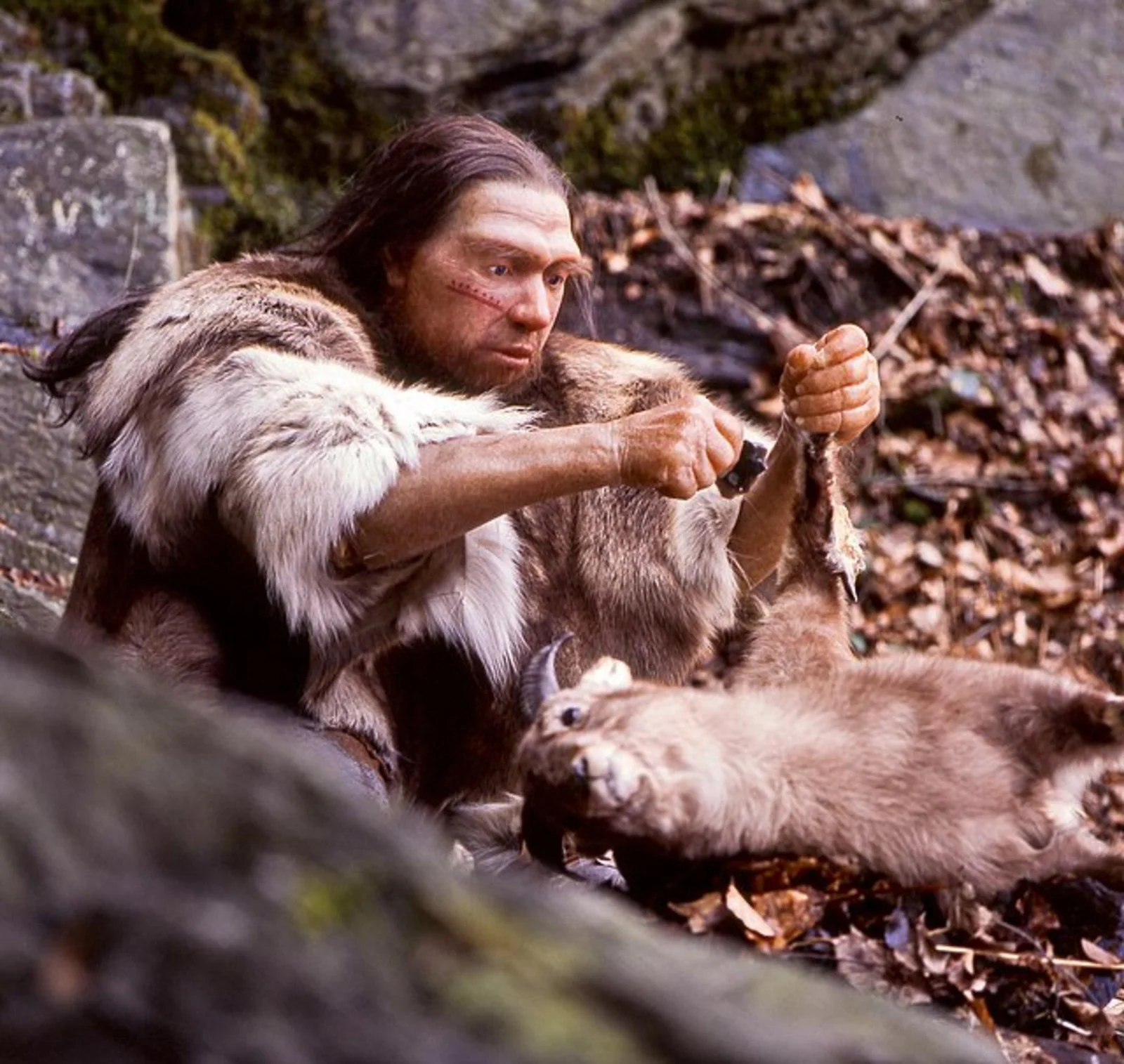
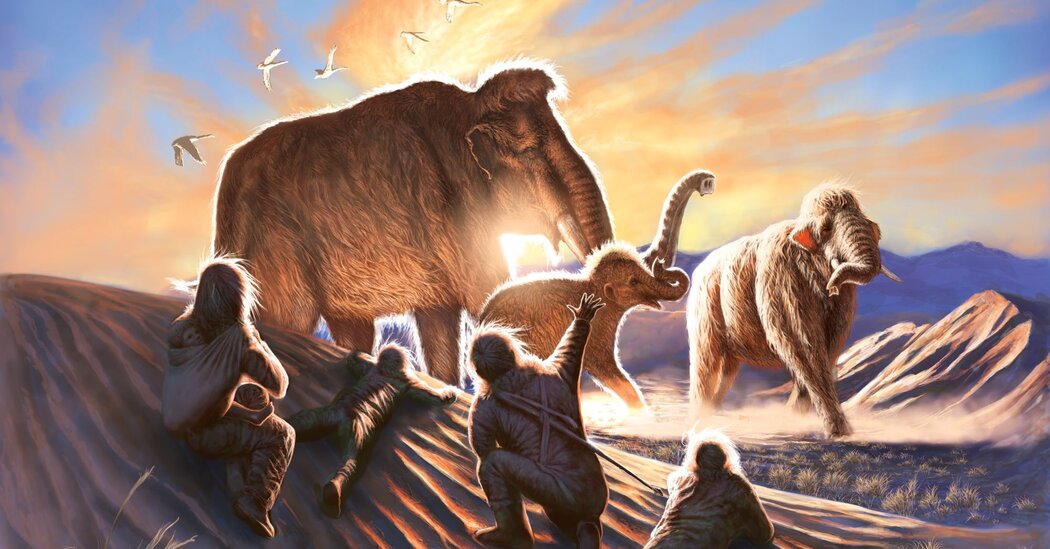
New computer simulations and pollen data show Neanderthals and Mesolithic hunter-gatherers reshaped Europe’s vegetation long before farming, via fire and hunting of large herbivores; Mesolithic groups may have influenced up to 47% of plant-type distribution, while Neanderthals affected about 6% of plant-type distribution and 14% of vegetation openness, challenging the view of an untouched pre-agricultural Europe.

paleontology2 years ago

"Woolly Mammoth's 600-Mile Journey Unravels Clues to Extinction"

The 600-mile journey of a young female wooly mammoth, revealed through isotopic analysis of her tusk, sheds light on the behavior and potential extinction factors of these ancient creatures. The mammoth, named Élmayuujey'eh, traveled from Canada to Alaska, where she coexisted with early human migrants. The study suggests that human hunting and climate change may have contributed to the wooly mammoth's extinction, and the findings could inform efforts to reverse their extinction through rewilding.

science2 years ago

"Woolly Mammoth's Ancient Journey Revealed Through Tusk Chemistry"

Scientists have reconstructed the life of a 14,000-year-old female woolly mammoth, nicknamed Elma, by analyzing the chemicals in her tusk. The study revealed that Elma was born in the Yukon, moved to central Alaska a decade later, and likely fell to hunters at around 20 years old. By examining the mineral layers on mammoth tusks, researchers hope to uncover insights into how these ancient animals lived and ultimately became extinct, potentially shedding light on the role of humans in their demise.

science2 years ago

"Mammal Evolution in Plio-Pleistocene Africa: Grassland Expansion's Limited Impact"

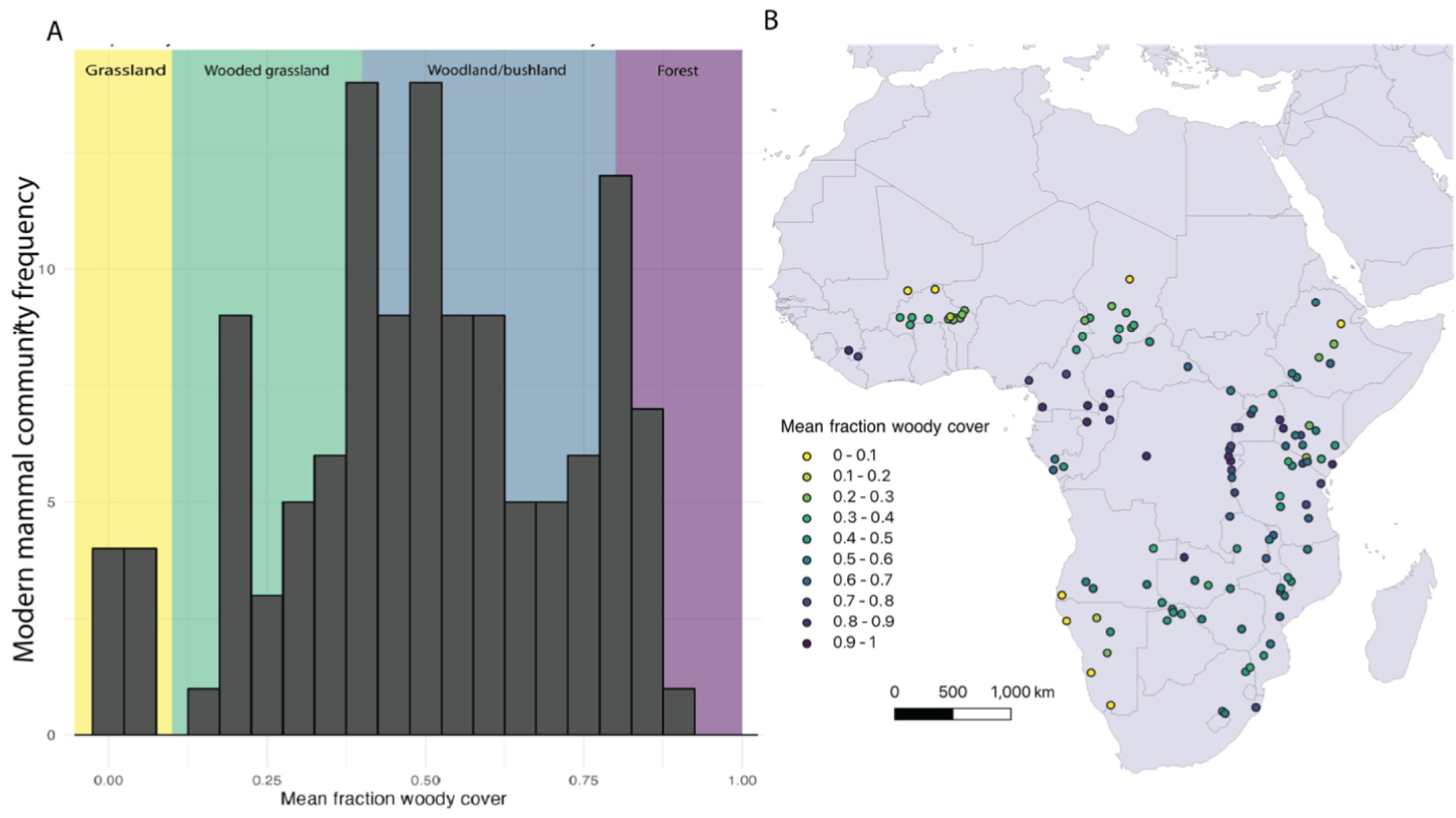
New research suggests that the expansion of grasslands may not have been a significant driver of mammal evolution in Plio-Pleistocene Africa. The study analyzed the responses of 58 modern herbivorous species to changes in woody cover across African parks and reserves. The results indicate a preference for environments with approximately half woody cover, suggesting that savannah ecosystems with grass carpeting interspersed by shrubs and trees were more likely to have proliferated. The research highlights the importance of considering present-day mammal communities and urges caution when using fossils as indicators of past landscape changes.