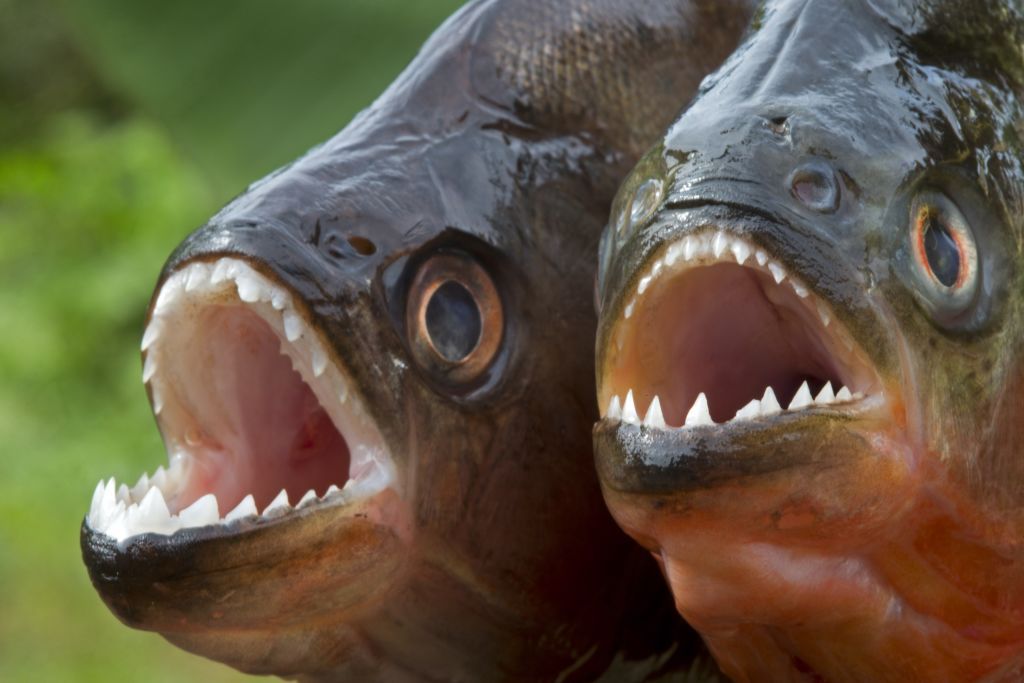
Despite their fearsome reputation, piranhas are not as dangerous as commonly believed. While they have sharp teeth and are capable of consuming large quantities of food, their staple diet consists of smaller food items. Piranhas are opportunistic feeders and are more likely to go for easier, more accessible food like small fish or fruit. Their reputation for attacking larger animals is largely exaggerated, and they are only likely to attack a much larger animal if it is seriously injured or already dead.
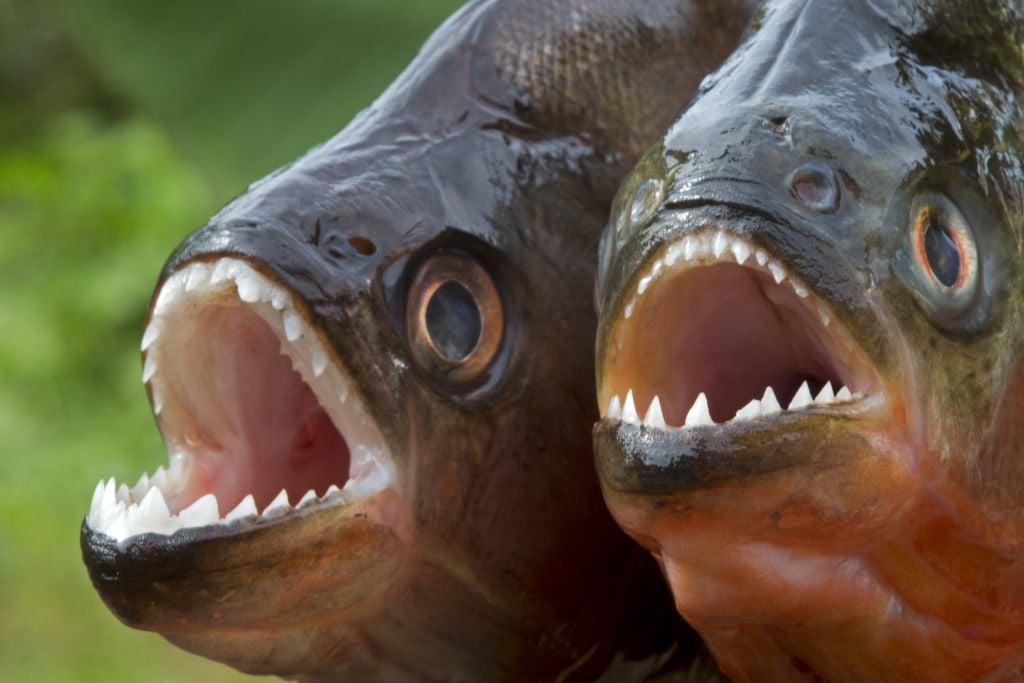
Despite their fearsome reputation, piranhas are not as dangerous as commonly believed. While some species are omnivorous, others are herbivores. They are opportunistic feeders and are more likely to go for easier, more accessible food like small fish or fruit. A single piranha can consume prey quickly, but their reputation for attacking larger animals is largely exaggerated. Piranhas are only likely to attack a much larger animal if it is seriously injured or already dead.
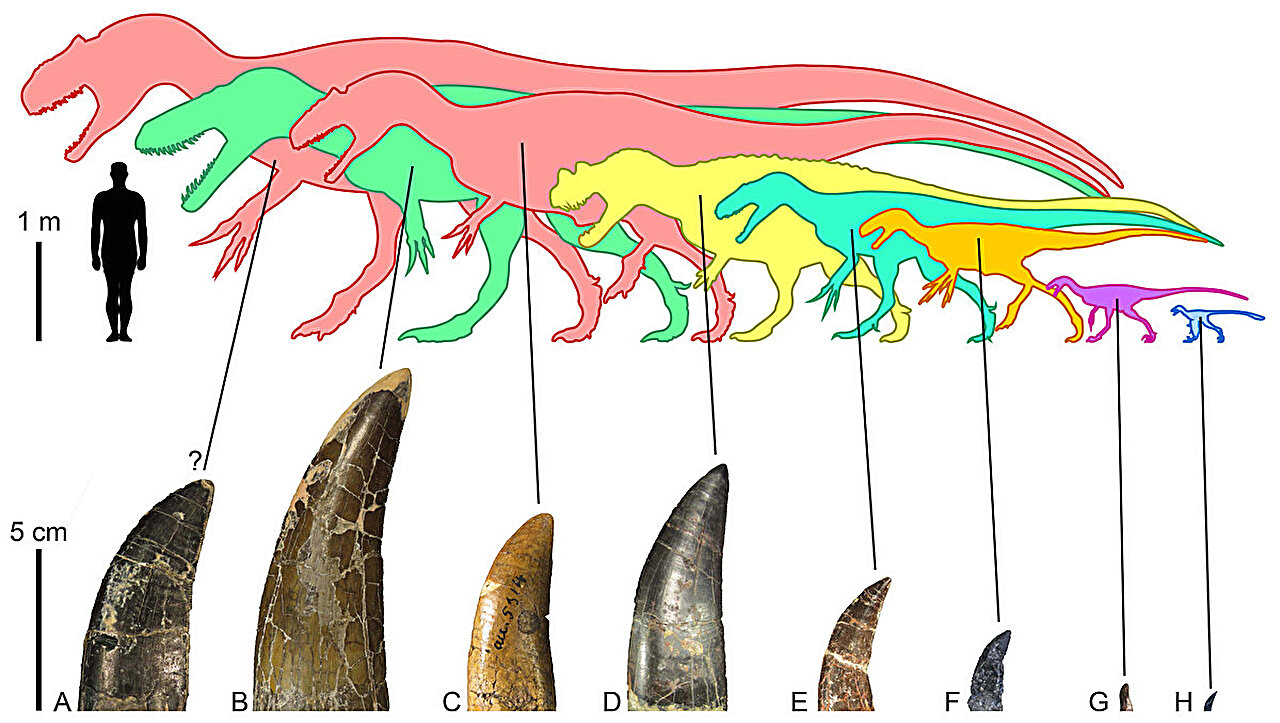
A new study published in PeerJ examines the bite marks on the bones of long-necked sauropod dinosaurs and reveals surprising insights into the feeding habits of carnivorous theropod dinosaurs in North America. The research suggests that while bite traces on large sauropods were less common than in tyrannosaur-dominated environments, they are nonetheless abundant in the Morrison Formation. The study also highlights the wear on the teeth of Morrison Formation theropods, which shows similarities to the patterns seen in large tyrannosaurs. The findings shed light on the ecological relationships between dinosaurs in the Jurassic period and provide valuable information about the behavior of these ancient animals.
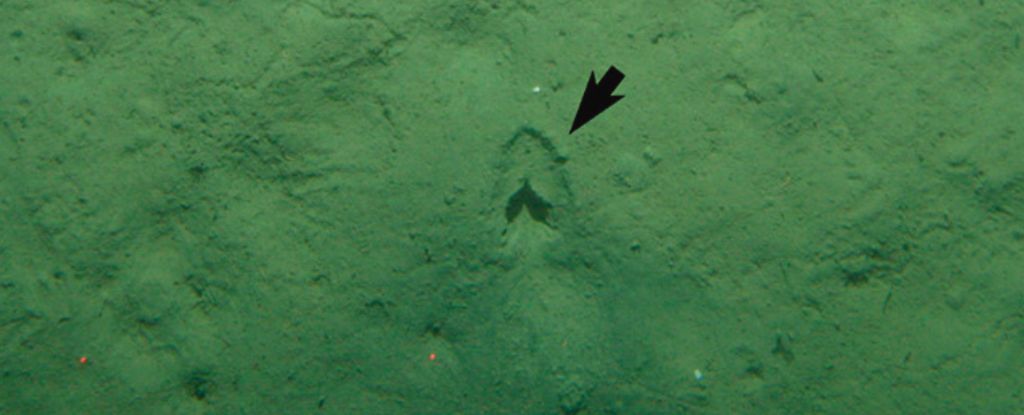
Mysterious 'hoofprints' discovered on the seafloor off the coast of New Zealand have been identified as bite marks made by deep-sea rattail fish, also known as grenadiers. The triangular-shaped markings match the snouts of these elusive fish, providing insight into their feeding habits. The divots in the imprints are likely bitemarks where the fish chomped down on the mud and sucked up prey. This discovery sheds light on the foraging behavior of rattail fish, which is rarely observed due to their extreme depths. The findings could help identify critical habitats and feeding zones for these deep-sea creatures.
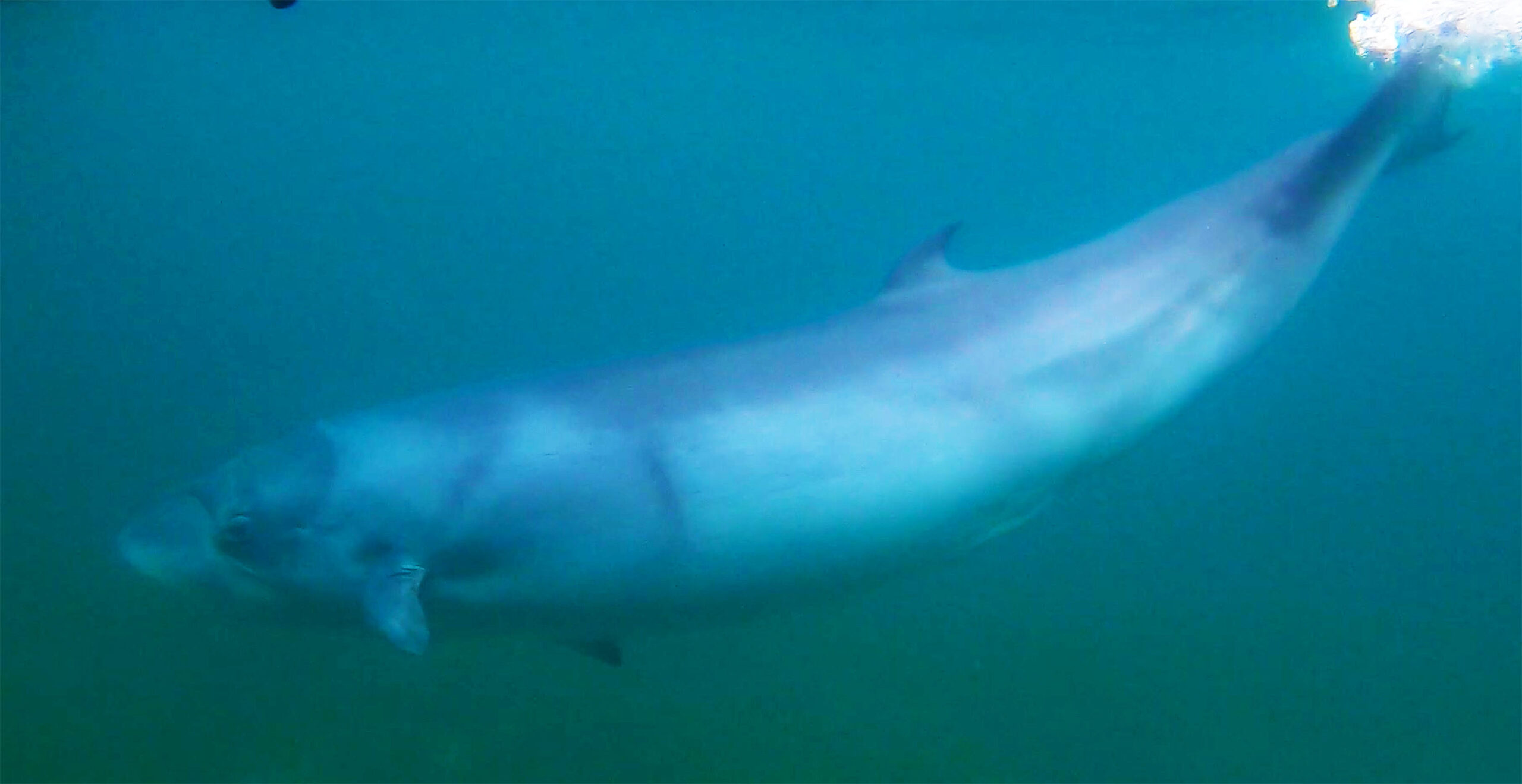
Scientists have gained new insights into the feeding habits of pygmy right whales, the smallest and most mysterious species of baleen whales. Using an innovative approach that analyzed stable isotopes in the whales' baleen plates, researchers discovered that these whales primarily feed on copepods and krill in mid-latitude waters off the coast of southern Australia. Unlike other baleen whales, they do not undertake long-distance migrations to Antarctic waters. The study highlights the vulnerability of pygmy right whales to environmental changes and emphasizes the need for conservation efforts to protect these unique oceanic creatures.