Tag

Mitochondrial Function

All articles tagged with #mitochondrial function

science3 months ago

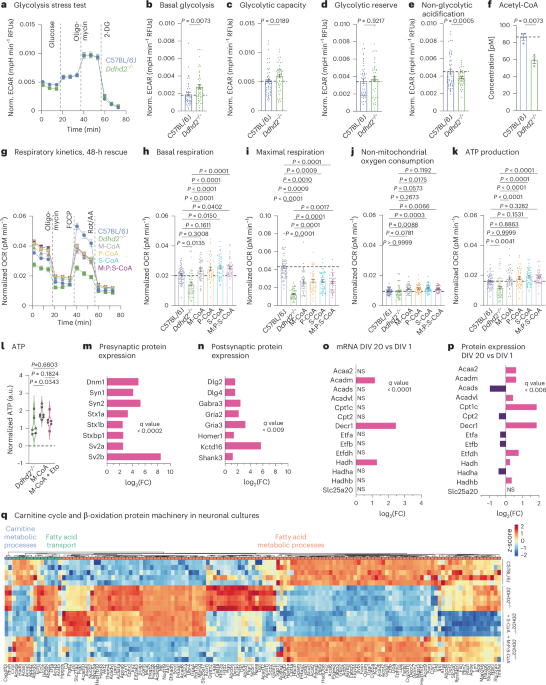
DDHD2's Role in Supplying Saturated Fats for Brain Energy and Function

The study reveals that DDHD2 enzyme releases saturated fatty acids like myristic, palmitic, and stearic acids, which fuel mitochondrial beta-oxidation to support neuronal energy production. Loss of DDHD2 impairs this pathway, leading to reduced ATP, mitochondrial dysfunction, and neurological deficits akin to hereditary spastic paraplegia. Supplementing with CoA-conjugated fatty acids restores mitochondrial function and may offer a therapeutic approach for HSP54.

health1 year ago

The Lifelong Impact of Childhood Trauma on Health and Cognitive Performance

A University of Michigan study found that adults who experienced greater childhood adversity had poorer muscle metabolism later in life, impairing mitochondrial function, which is related to a range of aging-related outcomes. The research, published in Science Advances, used muscle tissue samples from older adults and surveys of adverse events they had experienced in childhood. The study suggests that early childhood experiences can influence skeletal muscle mitochondria, potentially impacting health outcomes in later life.

health1 year ago

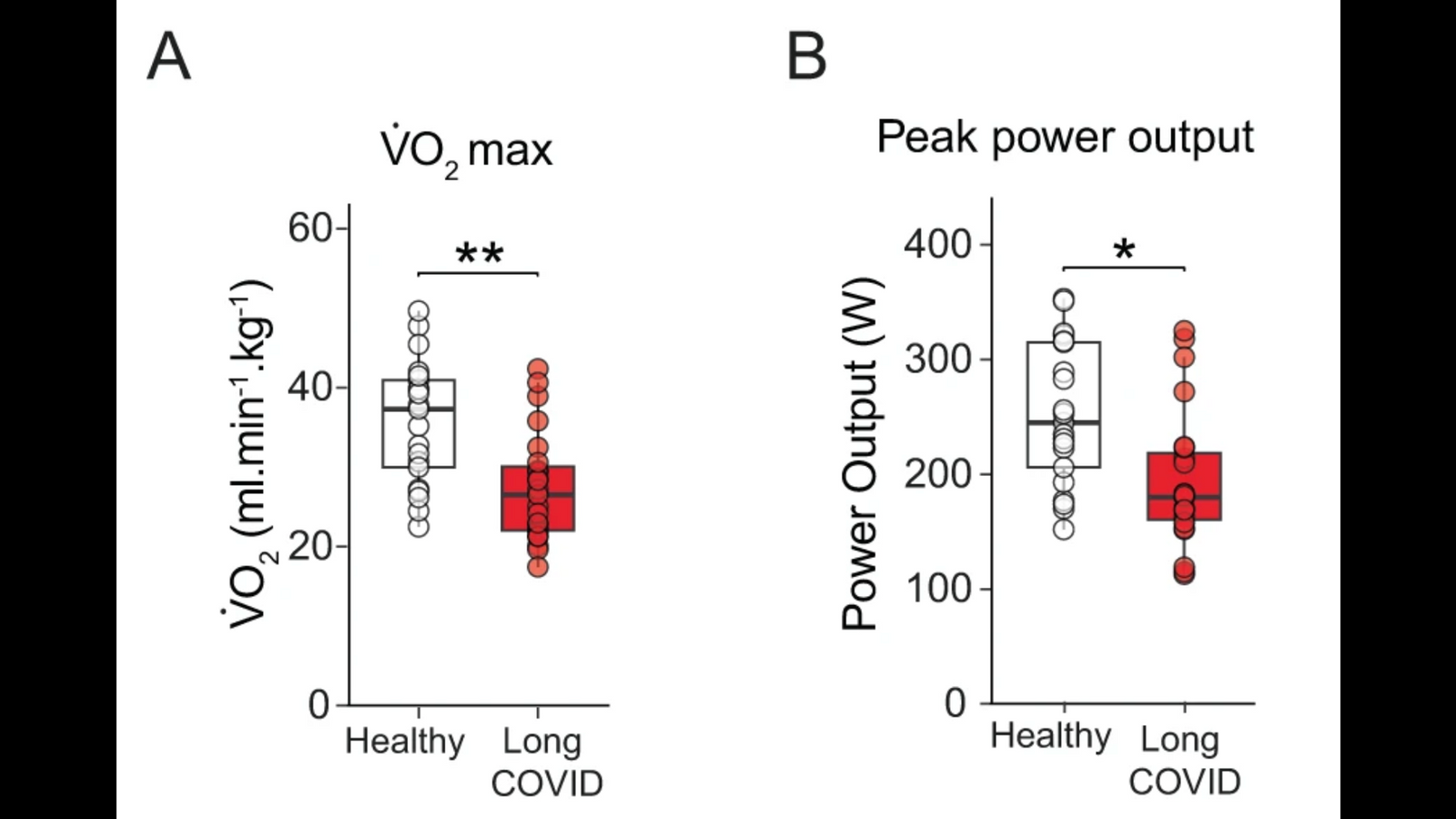
"Uncovering the Link Between COVID-19 and Chronic Fatigue: Insights from Recent Studies"

A new study on Long COVID sheds light on post-exertional malaise (PEM), a debilitating symptom where patients experience worsening of other symptoms after minor activity. The study provides evidence for various hypotheses on how SARS-CoV-2 infection causes PEM, including reduced mitochondrial function, muscle abnormalities, and immune disturbances. Long COVID patients showed lower exercise capacity, reduced mitochondrial function, and increased amyloid deposition in muscle. The study highlights the need for further research to understand the molecular pathways contributing to PEM and develop treatments for this persistent condition.

neuroscience1 year ago

"Adolescent Stress: Impact on Adult Behavior through Brain Gene Alterations"

A study reveals that excessive stress during adolescence can lead to long-lasting changes in gene expression in the brain, particularly those related to bioenergy functions, which may disrupt cell respiration and contribute to behavioral issues and psychiatric disorders in adulthood. Using a rat model, the study showed that stressed adolescent rats exhibited anxiety, reduced sociability, and cognitive impairments, linked to changes in genes controlling mitochondrial function in the prefrontal cortex. These findings underscore the critical impact of adolescent stress on adult brain function and behavior.

health2 years ago

Lipid Synthesis Key to Muscle Health, Says New Research.

Researchers at the Austrian Academy of Sciences’ Institute of Molecular Biotechnology have discovered that the enzyme PCYT2 plays a crucial role in muscle health. The enzyme is known as the bottleneck enzyme in a major synthesis pathway of ethanolamine-derived phospholipids, the phosphatidylethanolamines (PEs). The team found that mutations affecting PCYT2, or its reduced activity, are conserved hallmarks of muscle degeneration across vertebrates. Specifically, they demonstrate that PCYT2 deficiency in muscles affects mitochondrial function and the physicochemical properties of the myofiber membrane.