Tag

Rocket Engine

All articles tagged with #rocket engine

space-technology2 years ago

"Self-Eating Rockets: A Solution for Efficient Space Travel and Space Junk Reduction"

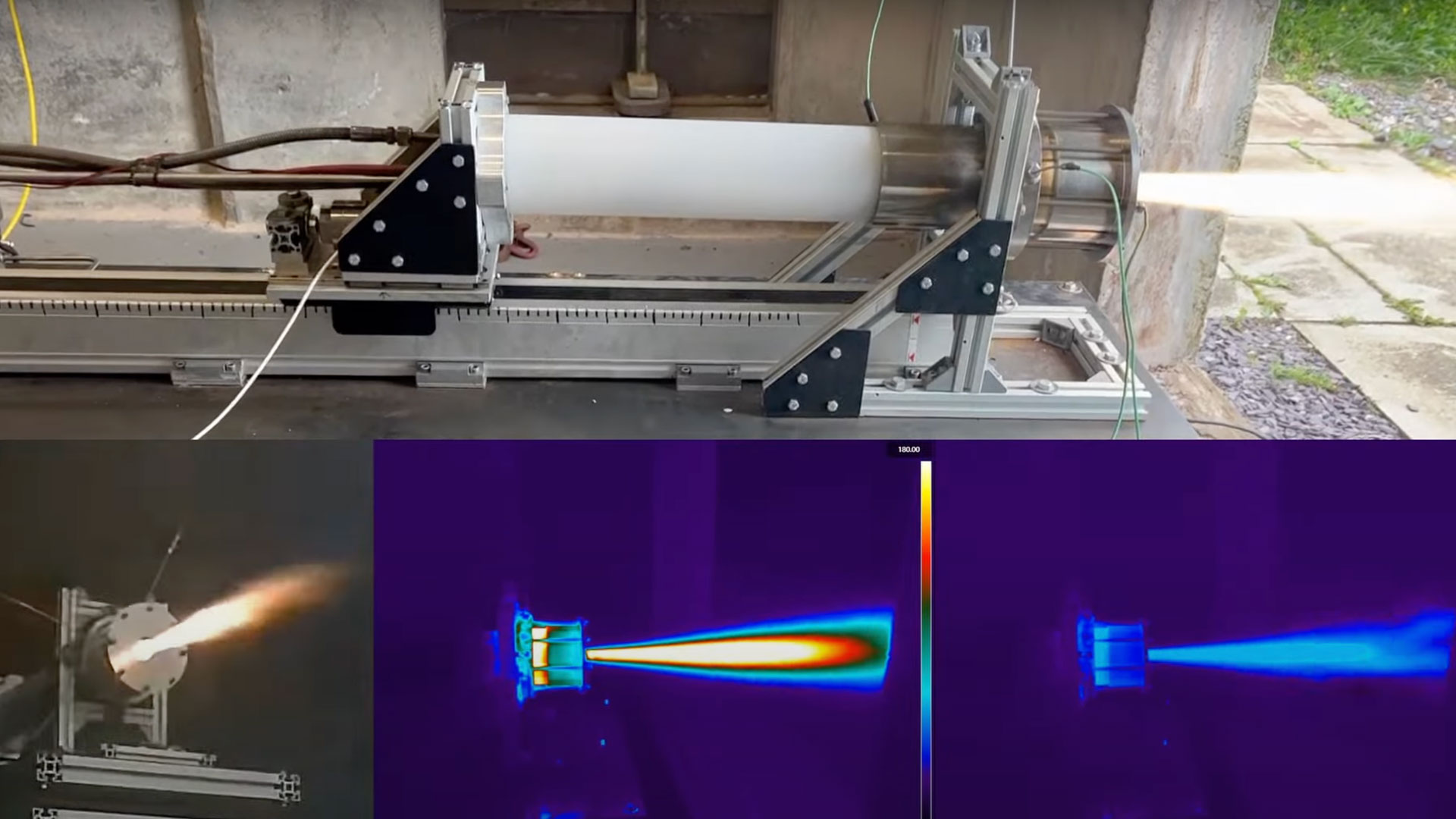
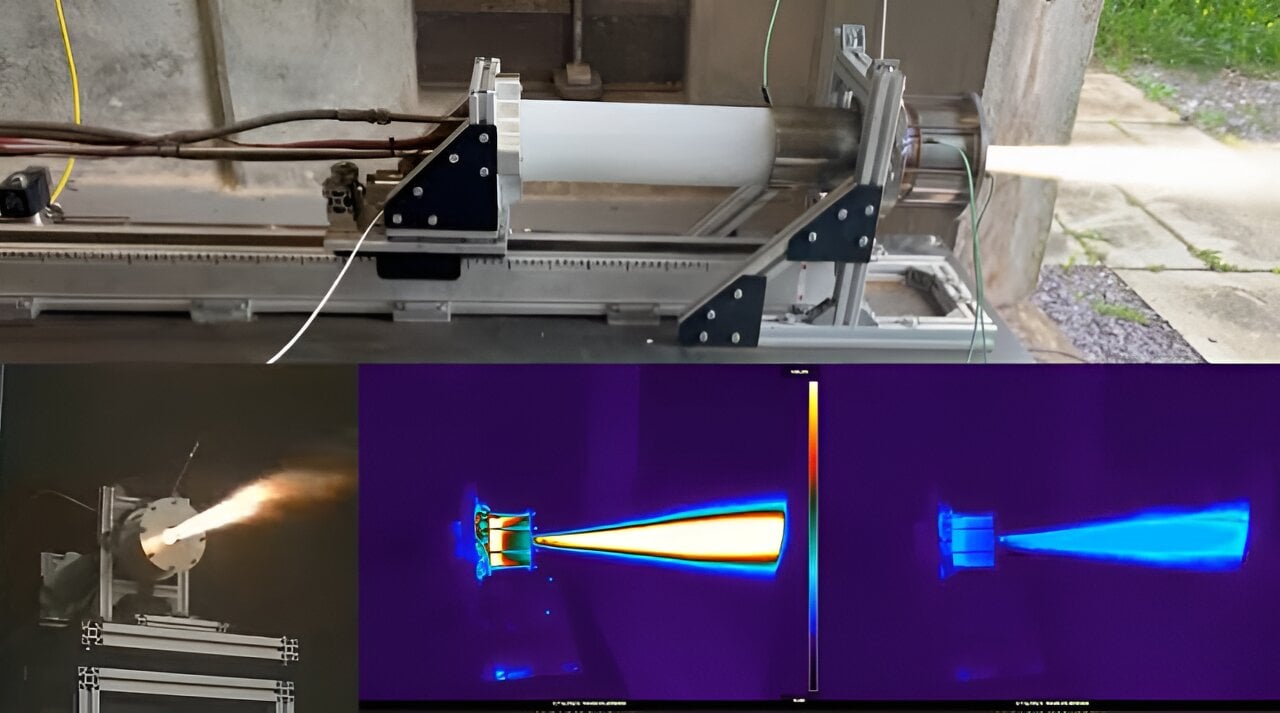
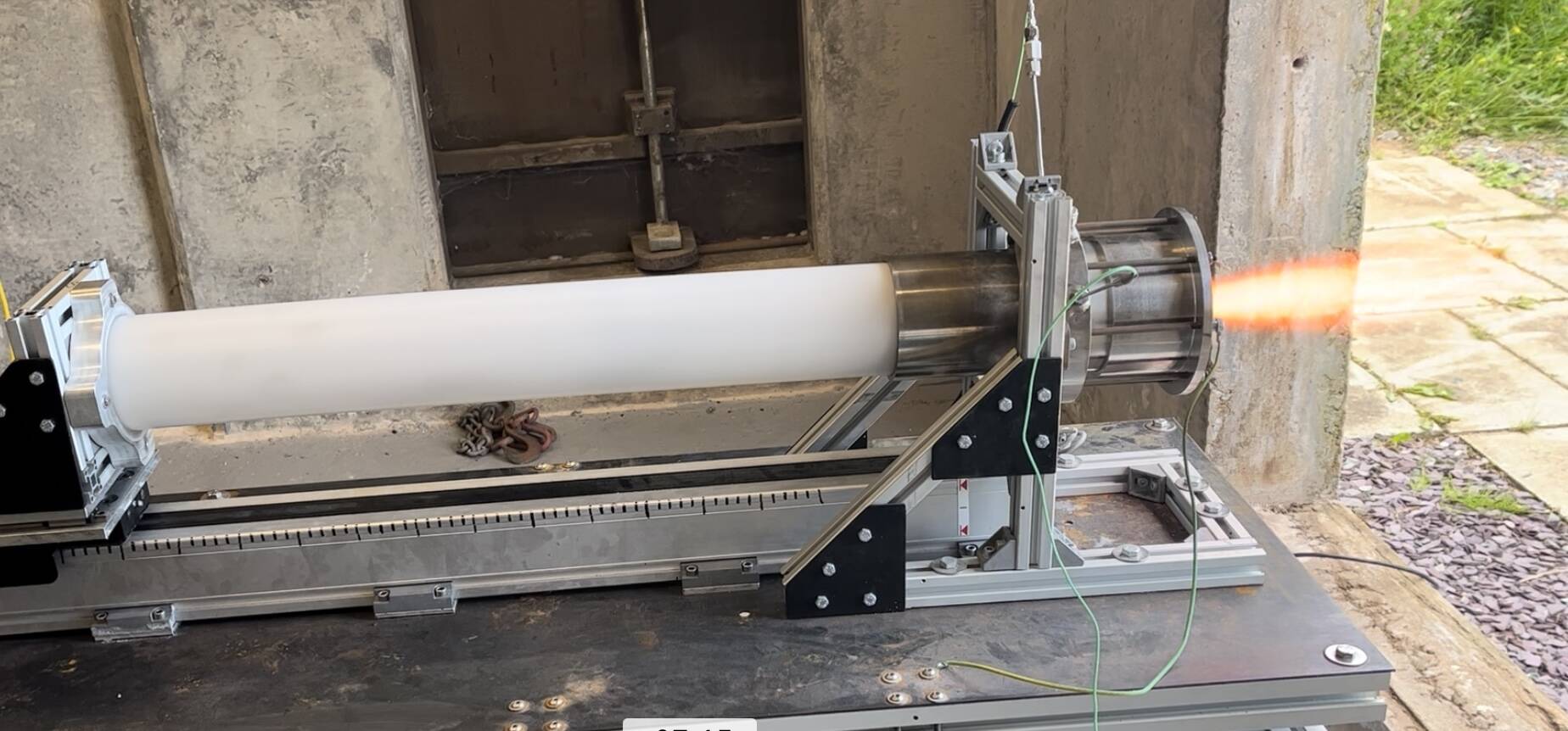
A team at the University of Glasgow has developed a self-eating rocket engine, named Ouroborous-3, which consumes part of its own body for fuel, reducing weight and providing greater thrust for larger payloads. The engine uses a mix of gaseous oxygen and liquid propane, with the plastic fuselage melting and feeding into the chamber as supplementary fuel. This innovative design offers potential for increased fuel efficiency, reduced space debris, and controllability, marking a significant advancement in rocket technology.

space-technology2 years ago

"Self-Eating Rocket Engine: A Solution to Space Junk?"

UK researchers have developed a self-consuming rocket engine, named Ouroborous-3, that burns parts of itself for fuel in an effort to reduce space junk. The engine's combustion creates waste heat that melts parts of its plastic body, which is then used as additional fuel, freeing up space for more important cargo. The team hopes that with further funding, this innovative design could help curb the worsening problem of space debris.

space-technology2 years ago

"UK Engineers Demonstrate Revolutionary Self-Eating Rocket Engine"

University of Glasgow engineers have successfully built and test-fired the first unsupported autophage rocket engine, which consumes parts of its own body for fuel. This innovative design could potentially revolutionize rocket propulsion by allowing for greater efficiency, less space debris, and increased payload capacity. The UK Space Agency has provided funding to support further development and testing of the prototype engine, highlighting the potential of this technology to contribute to the UK's space industry ambitions.

space-technology2 years ago

"Scottish Scientists Showcase Self-Consuming Rocket Engine"

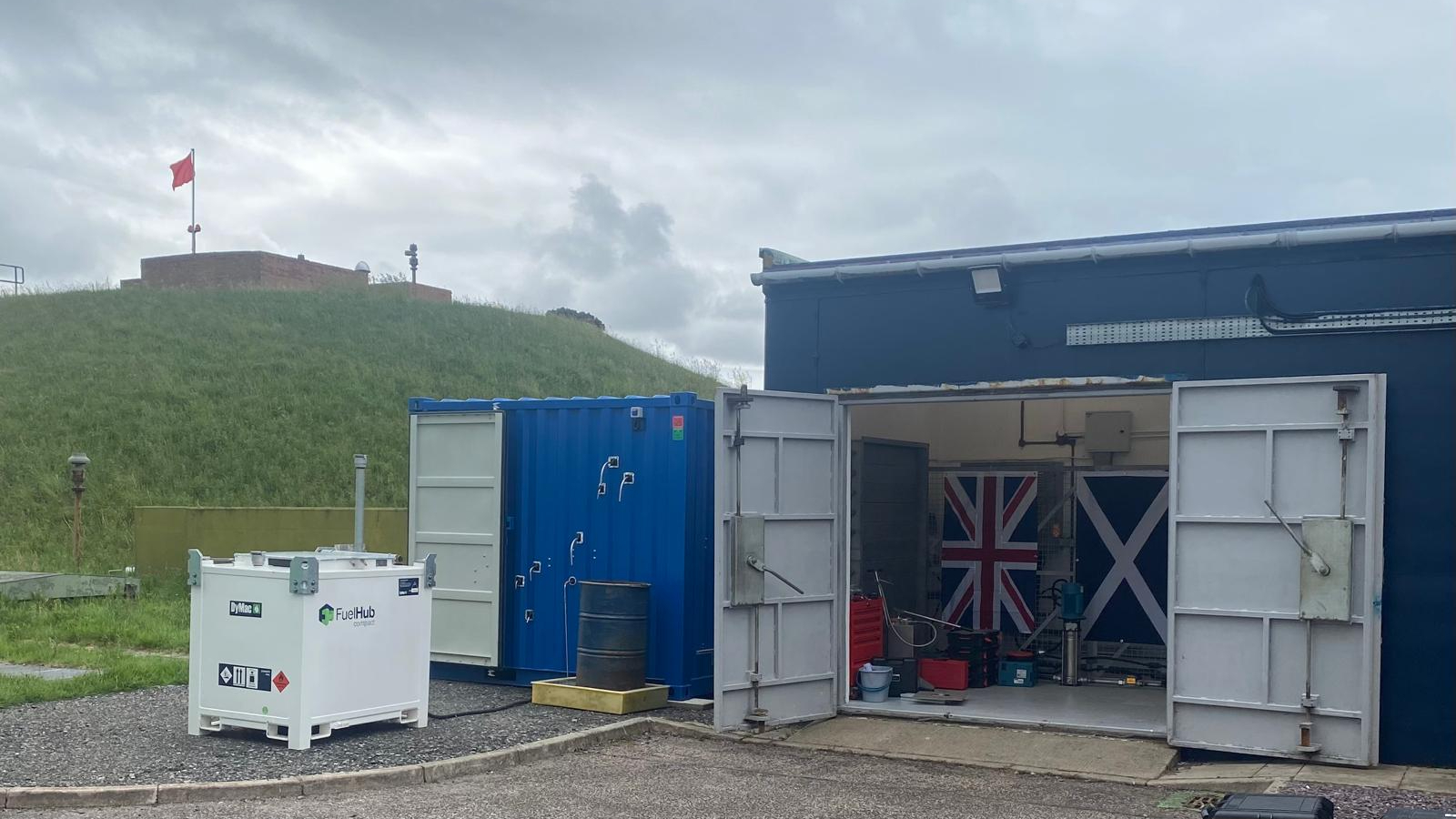
Engineers at the AIAA SciTech Forum showcased the Ouroborous-3, a self-eating rocket engine prototype that generated 100 newtons of thrust in Scotland. The concept involves the rocket consuming its own fuselage, allowing for the use of more energetic liquid propellants and potential for smaller launch vehicles. The team aims to conduct a suborbital test flight by 2027 and has received funding from the UK Space Agency and UKRI for further development.

aerospacedefense2 years ago

Ursa Major's Solid Propulsion Ventures: 3D Printing and DoD Market Focus

Rocket engine startup Ursa Major plans to disrupt the solid rocket motors market by utilizing additive manufacturing techniques, commonly known as 3D printing. The company aims to address the broken supply chain and outdated processes in the industry, which have been exposed by the conflict in Ukraine. Ursa Major intends to develop motors ranging from 2 to 22.5 inches in diameter and has already tested a six-inch pathfinder prototype. The company has an undisclosed U.S. government customer and aims to supply motors to the Department of Defense while partnering with other manufacturers. Ursa Major is one of several startups attempting to enter the solid rocket motors business, challenging the dominance of incumbents like Northrop Grumman and Aerojet Rocketdyne.

space-technology2 years ago

NASA's Groundbreaking 3D Printed Rocket Nozzle Revolutionizes Deep Space Exploration

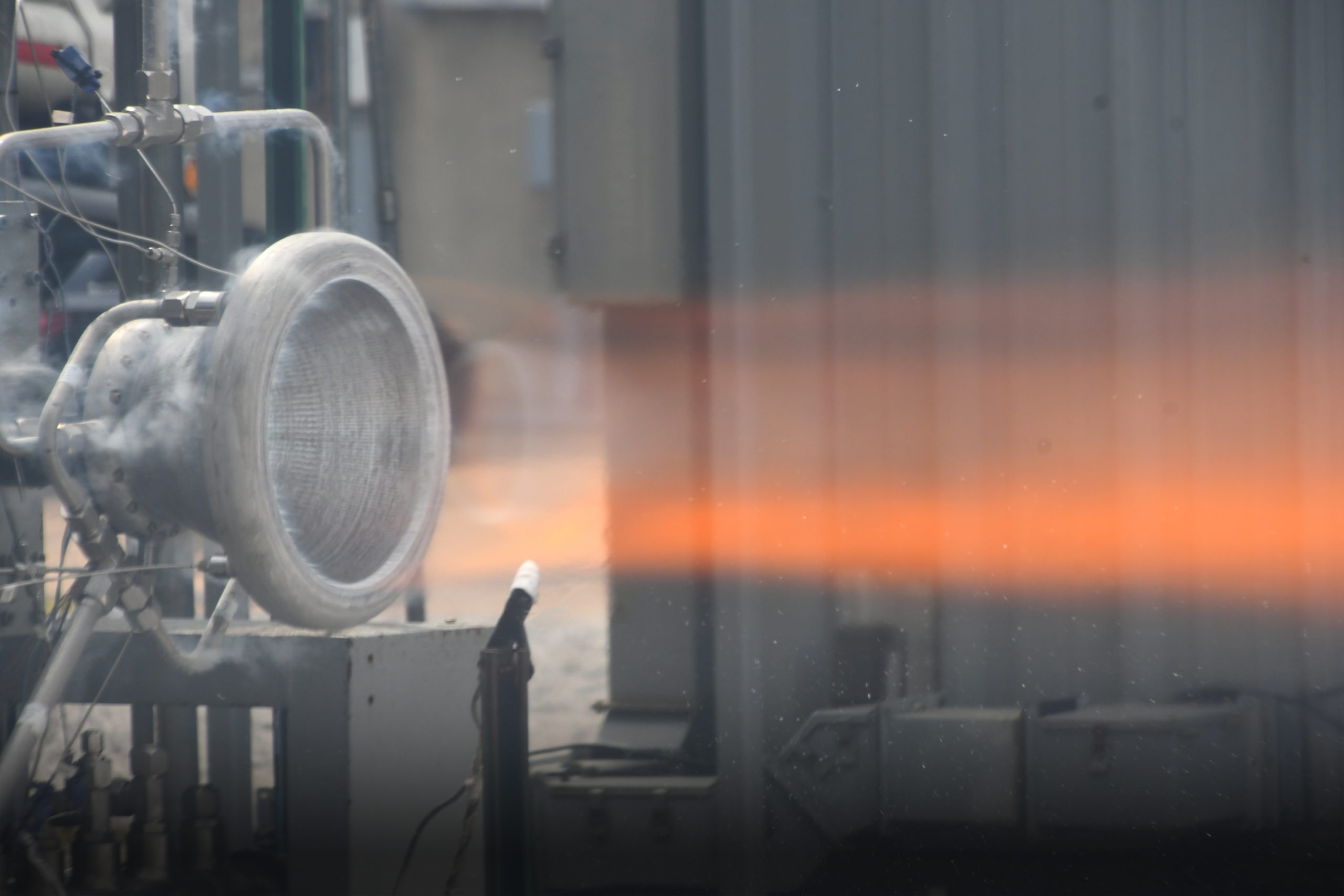
NASA has successfully tested 3D-printed rocket engine nozzles made of aluminum, aiming to reduce manufacturing costs and engine weight. The project, known as RAMFIRE, focuses on introducing design changes to simplify rocket construction and cooling. By using 3D printing, the engine nozzle can be made as a single piece, reducing costs and simplifying the engineering process. NASA believes that these advancements will enable them to carry more payload on interplanetary missions. The 3D printed rocket engine nozzle has undergone 22 successful tests, with temperatures reaching 6,000 Fahrenheit.

space2 years ago

Advancements in Rocket Nozzle Technology Propel NASA's Deep Space Missions

NASA has successfully built and tested a 3D printed rocket engine nozzle made of aluminum, which is lighter than conventional nozzles and has the potential to enable deep space flights with increased payload capacity. The nozzle, developed under the RAMFIRE project, utilizes a novel aluminum alloy that is heat resistant and weldable, overcoming the challenges associated with using aluminum for additive manufacturing of rocket engine parts. This advancement in lightweight, additively-manufactured aluminum rocket nozzles could contribute to NASA's objectives of sending more cargo to deep space destinations and support future missions to the moon, Mars, and beyond.

science-and-technology2 years ago

"Unexplained Giant Object Found on Australian Shoreline"

A large, mysterious object the size of a small car washed up on a beach in Western Australia, sparking international speculation about its origin. Experts now believe it is a piece of an engine from an Indian rocket and could be up to 20 years old. The incident highlights the growing concern over space debris and the potential for a Kessler Syndrome scenario, where the accumulation of objects in orbit could lead to collisions and hinder future satellite launches. While most space debris burns up upon reentry, the issue of unregulated space junk remains a challenge.

science-and-technology2 years ago

Revolutionary Rocket Engines: From Fusion to Liquid Fuel, Space Travel Takes a Leap

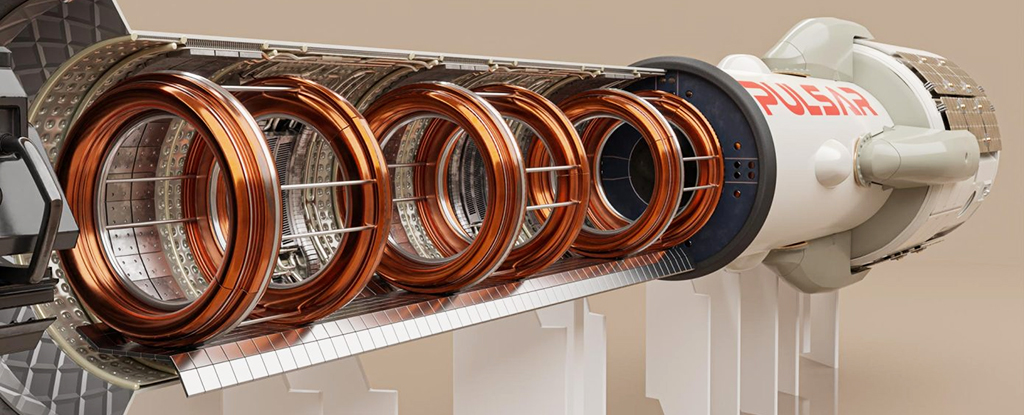
Construction has begun on the world's largest nuclear fusion rocket engine by Pulsar Fusion in the UK, with the aim of revolutionizing space travel by halving travel times and reducing fuel usage. The engine, scheduled to start firing in 2027, will use ultra-hot plasma locked inside an electromagnetic field. Machine learning algorithms will be employed to better predict and control the behavior of the plasma. If successful, temperatures hotter than the Sun will be reached, potentially enabling rocket speeds of 500,000 miles per hour. Nuclear fusion also holds promise for providing clean energy on Earth.

space-technology2 years ago

"Bezos' Blue Origin Rocket Engine Catastrophe: Multi-Million Dollar Explosion"

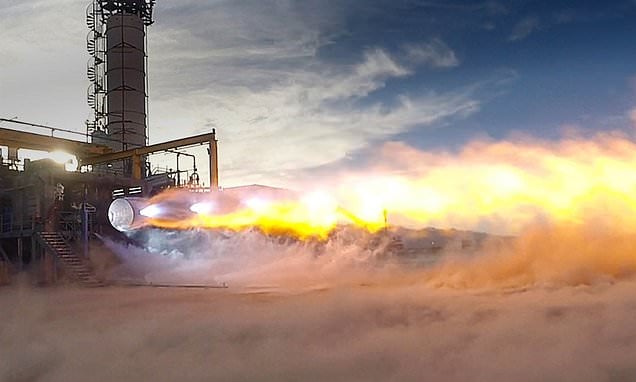
Blue Origin, the private space company owned by Jeff Bezos, suffered a setback when one of its BE-4 rocket engines exploded during a routine test, causing severe damage to the test stand infrastructure. The explosion occurred just 10 seconds into the test and comes less than a year after Blue Origin's New Shepard rocket failed in mid-air. The incident, which was confirmed by Blue Origin, could further delay the launch of United Launch Alliance's Vulcan rocket, for which the BE-4 engines were intended. No personnel were injured in the explosion.

science-and-technology2 years ago

Blue Origin's Rocket Engine Failure Raises Concerns

Blue Origin's BE-4 rocket engine exploded during testing at a facility in West Texas, causing heavy damage to the test stand infrastructure. No injuries were reported, and the company is currently assessing the root cause of the incident. The engine was being prepared for shipment to United Launch Alliance for use on ULA's second Vulcan rocket launch. Blue Origin has notified ULA, and ULA's CEO stated that engine failures during testing are not uncommon.

space2 years ago

NASA Successfully Tests Rocket Engine Capabilities in Hot Fire Test

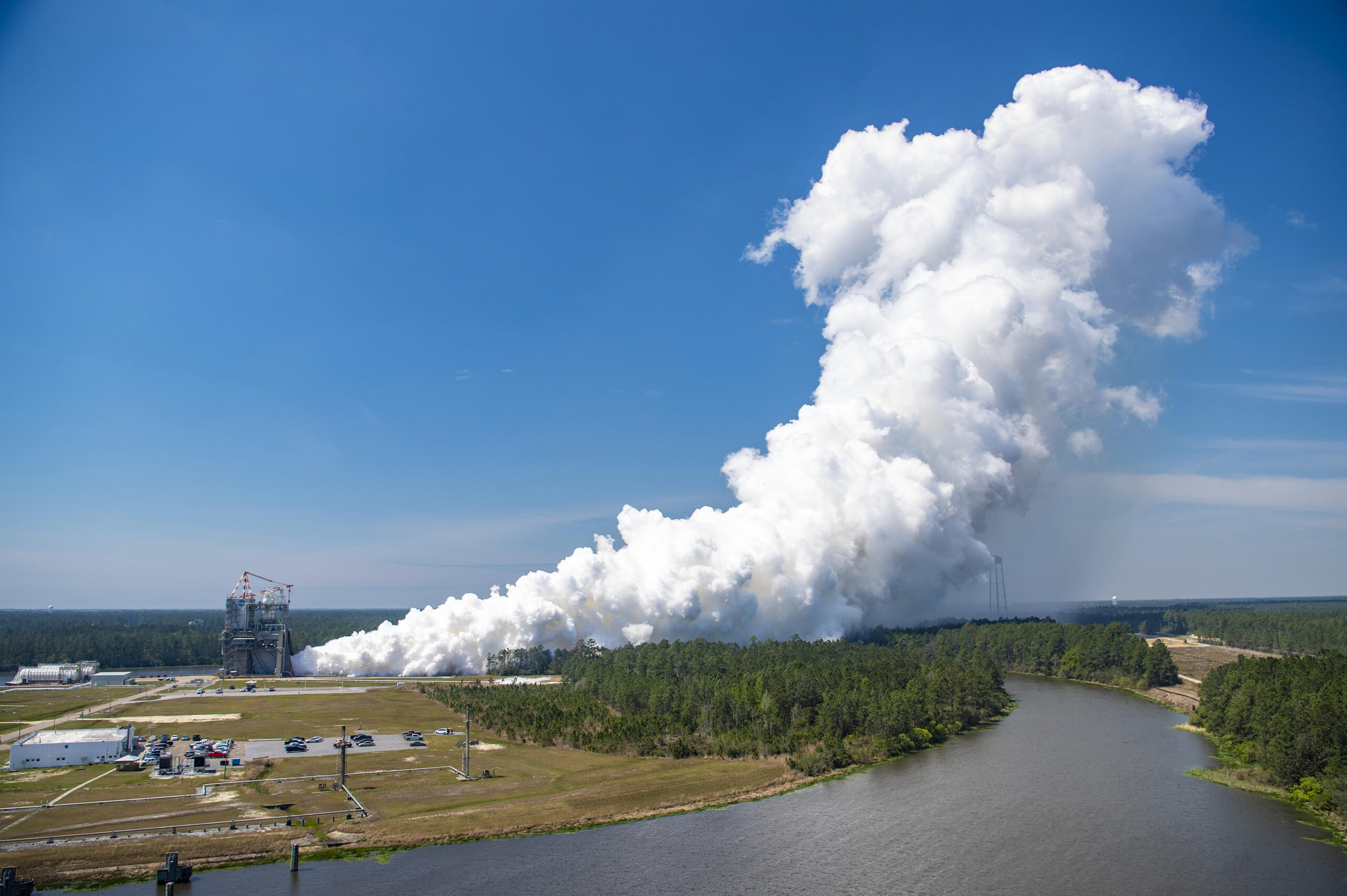
NASA successfully tested the RS-25 rocket engine's maneuverability, also known as gimballing, as part of certification tests for an engine upgrade for the agency's Space Launch System (SLS) rocket for the Artemis program. The test involved revolving the engine around slowly at first and then making rapid moves to stay in position for a couple of seconds around the pitch and yaw axes. The engine generated a peak thrust of 418,000 pounds, equal to the power required during an Artemis flight, and was fired for 720 seconds, longer than the mission profile.

space2 years ago

Bezos' rocket company solves crash mystery, resumes launches after 6-month hiatus.

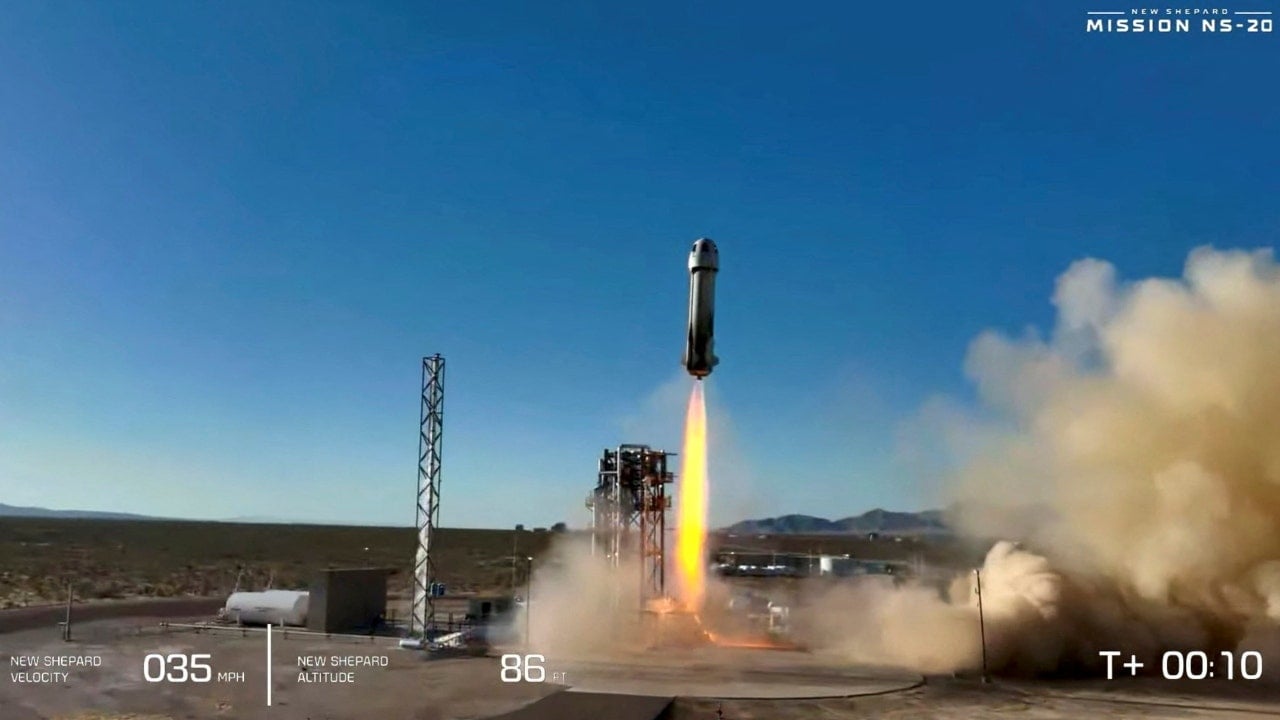
Blue Origin has identified an overheated rocket engine as the cause of last year's launch failure, which resulted in grounded flights for six months. The company found that a design change to the engine's boundary layer cooling system led to the problem. Blue Origin is implementing additional design changes to improve structural performance and expects to return to flight soon. No one was hurt, and all critical flight hardware was recovered within days.