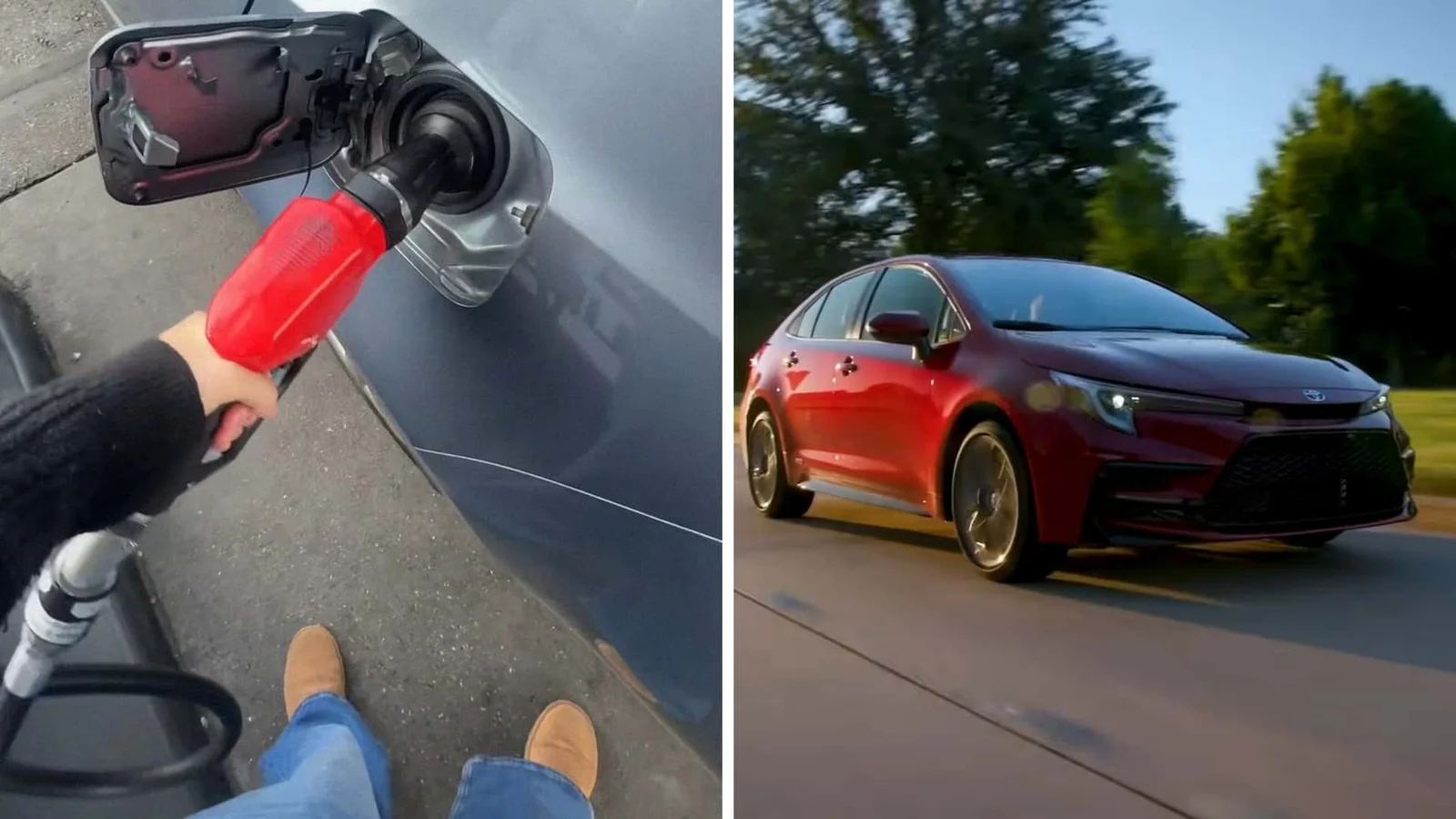
President Trump plans to weaken fuel efficiency standards for cars and trucks, potentially impacting environmental policies and automotive industry regulations.
3-cylinder engines are more fuel-efficient and lighter than 4-cylinder engines, making them ideal for compact vehicles, but they tend to have rougher idling and less power at high speeds. They also have fewer parts, which can reduce maintenance costs, but may not provide the smoothness or acceleration some drivers desire.
A century after its initial demonstration, Flettner rotor technology, which uses spinning towers to harness wind for propulsion, is gaining popularity in the maritime industry, with at least 35 ships now using the technology to reduce fuel costs and emissions, driven by modern needs for decarbonization and advancements in materials and AI.
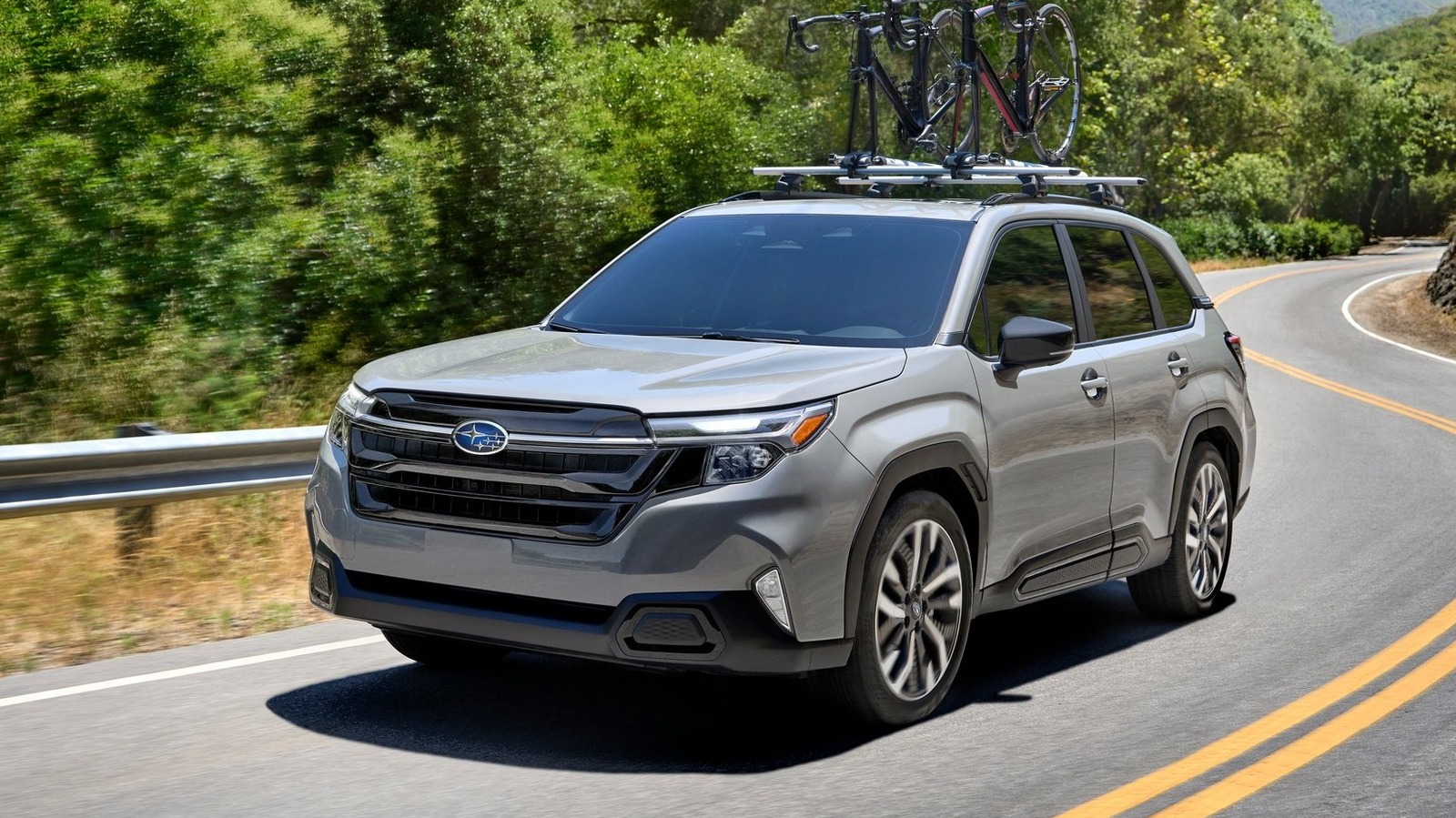
Consumer Reports' top-rated SUVs for 2025 include the Subaru Forester, Hyundai Tucson Plug-In Hybrid, Subaru Outback, Toyota Crown Signia, and Toyota RAV4 Plug-In Hybrid, with highlights on their fuel efficiency, reliability, and practical features, catering to different preferences for hybrid and traditional models.
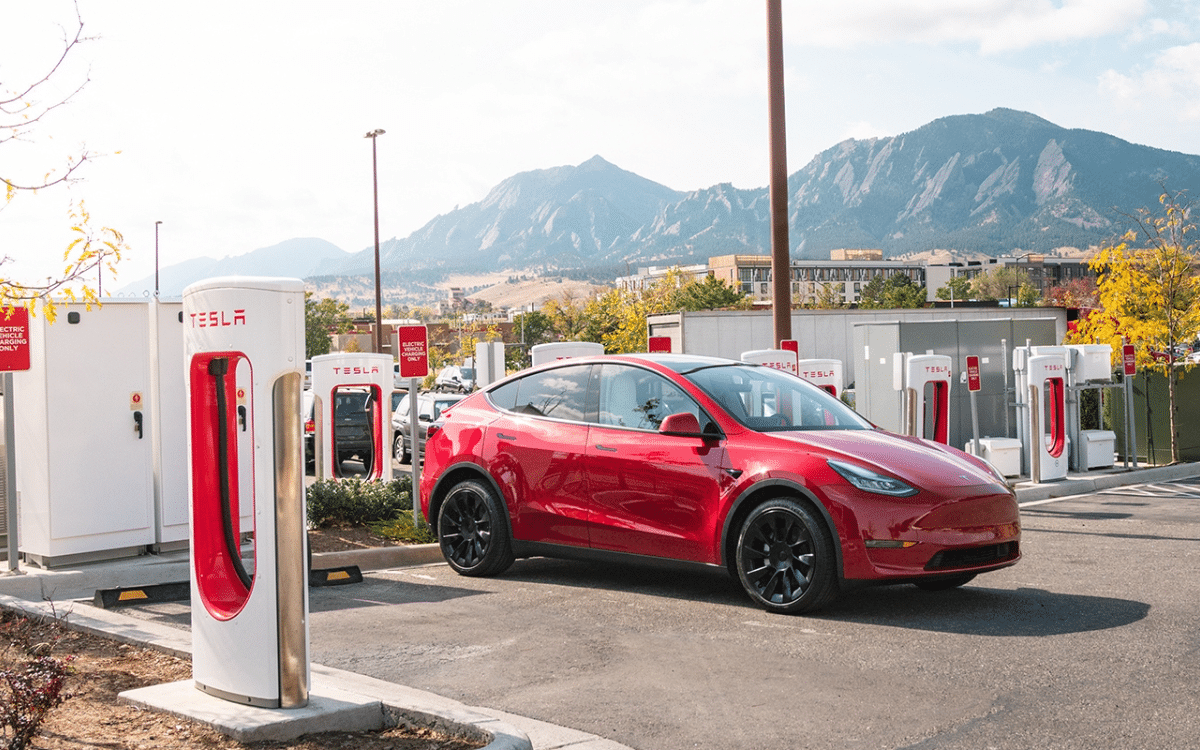
Recent data shows that charging a Tesla for a month is significantly cheaper than paying for gas to fuel a Chevy Silverado, with Teslas achieving much higher miles per gallon and monthly costs ranging from $49 to $64, compared to around $137 for the Silverado, highlighting the cost savings of electric vehicles.
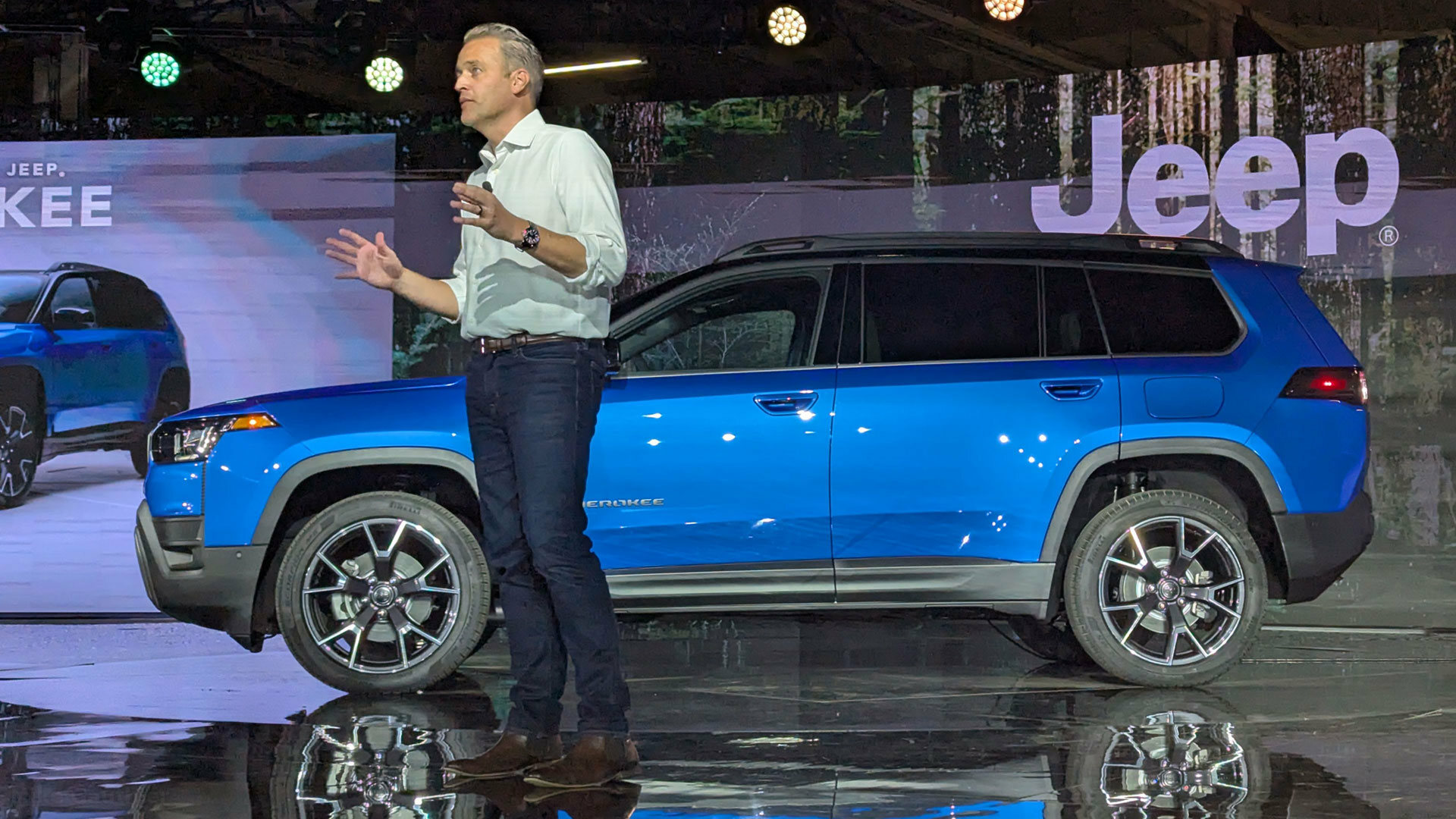
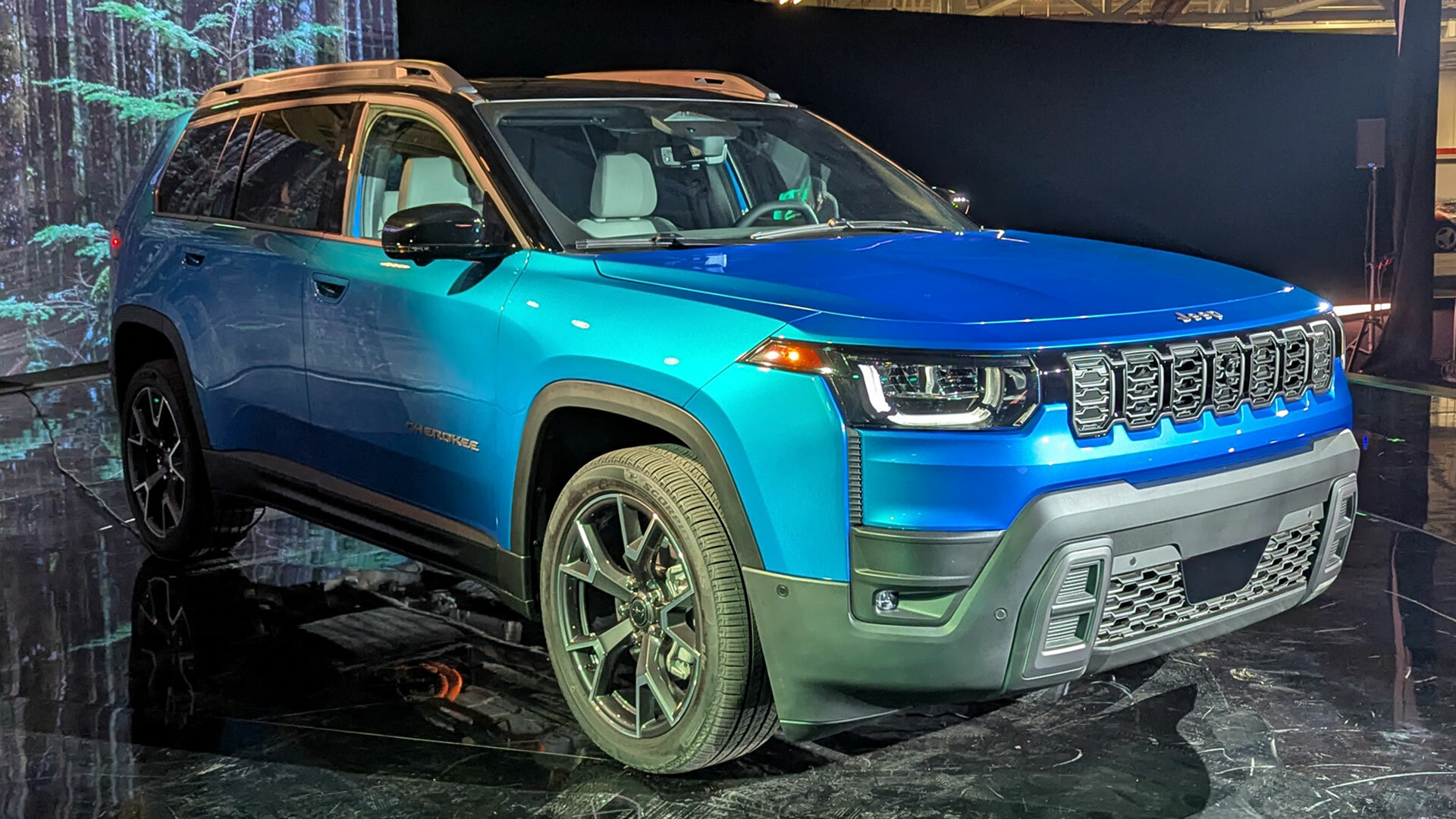
The 2026 Jeep Cherokee introduces its first hybrid powertrain, offering 210 hp and up to 37 mpg combined, aiming to attract new customers and compete with other hybrid SUVs, while continuing Jeep's electrification success with models like the Grand Cherokee 4xe and Wrangler 4xe.
The 2026 Jeep Cherokee has been redesigned as a larger, more luxurious hybrid SUV with a 210 hp powertrain, offering improved interior space, advanced technology, eco-friendly materials, and a starting price of $36,995, aiming to compete in the hybrid crossover segment.
Cylinder deactivation is a technology used by automakers to improve fuel efficiency by shutting down some engine cylinders when full power isn't needed, but its real-world benefits depend on driving conditions and habits, with potential issues like vibrations and misfires affecting performance.
Many new cars no longer include spare tires to improve fuel efficiency and reduce costs, with options now including space-saving spares and run-flat tires, though these come with trade-offs like higher costs and potential safety concerns.
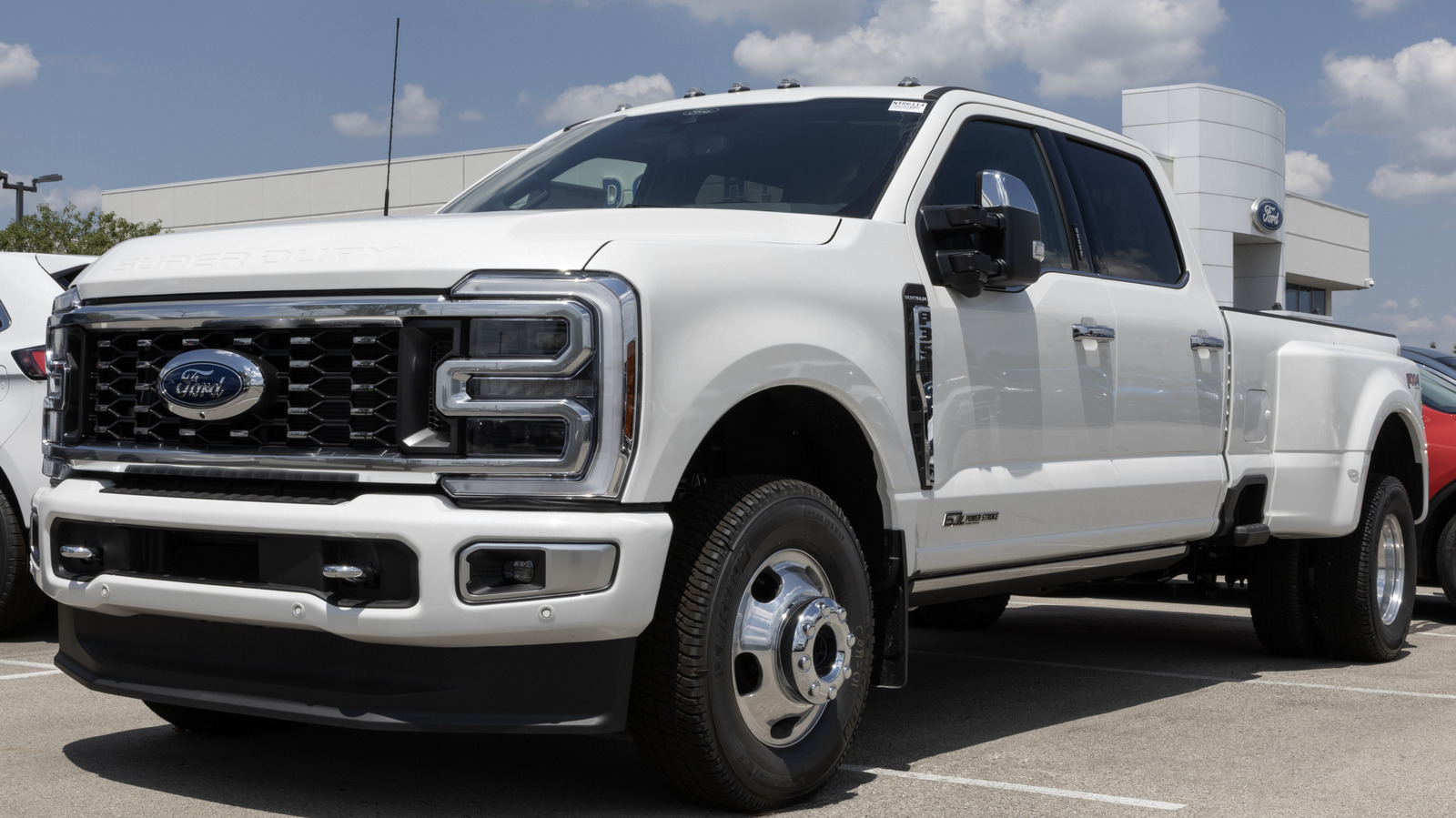
Despite the rise of electric trucks, diesel engines continue to dominate the heavy-duty truck market due to their superior power, durability, and efficiency, although they face environmental and cost-related challenges.
Hybrid cars, once dismissed in favor of electric vehicles, are experiencing a resurgence due to improved technology, affordability, and consumer preference for seamless driving experience, capturing a significant share of new car sales in the US.
The Biden administration's recent fuel economy standards, which could save Americans $23 billion on fuel, are being rolled back by the Department of Transportation under Secretary Sean Duffy, a former reality TV contestant, leading to increased fuel costs, higher emissions, and greater reliance on foreign oil, with critics warning of economic and health impacts.
President-elect Donald Trump's administration plans to roll back fuel-efficiency requirements for new vehicles, which he criticizes as an 'EV mandate.' His team aims to reassess standards finalized in June and target EPA regulations on tailpipe emissions.
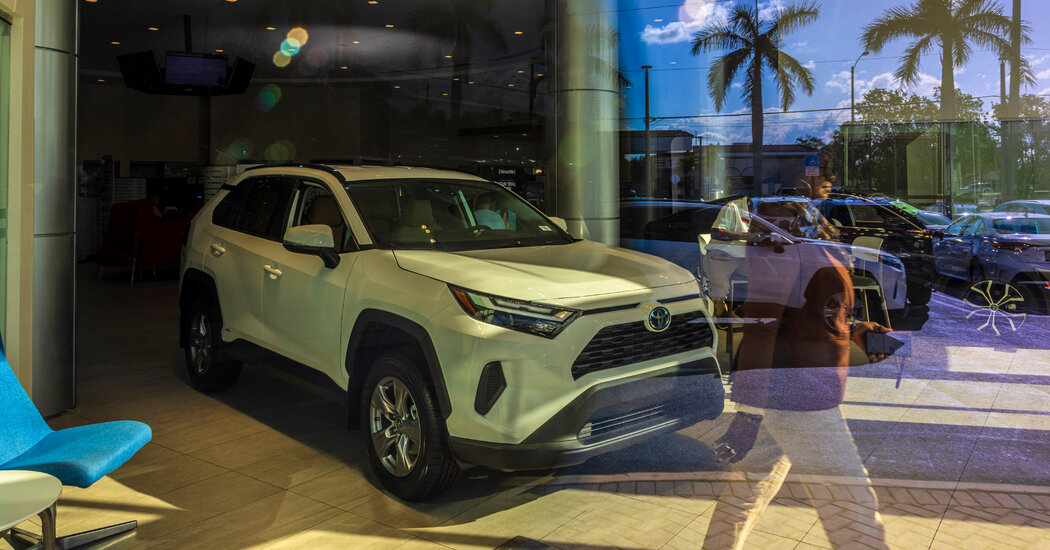
The Toyota RAV4 Hybrid and RAV4 Prime offer distinct advantages for different needs. The RAV4 Prime excels in electric-only range, premium features, carpool lane access, fuel economy, and towing capacity. Conversely, the RAV4 Hybrid is ideal for those without EV charger access, needing more cargo space, preferring more color options, seeking a lower starting price, and wanting simpler refueling.
Chinese automaker BYD claims its new hybrid powertrain system allows cars to travel 1,250 miles without refueling or charging, significantly surpassing the range of current hybrids. This advancement could further boost the popularity of hybrids, which are already favored for their fuel efficiency and lower costs compared to fully electric vehicles. However, BYD cars are not expected to be available in the US market soon.