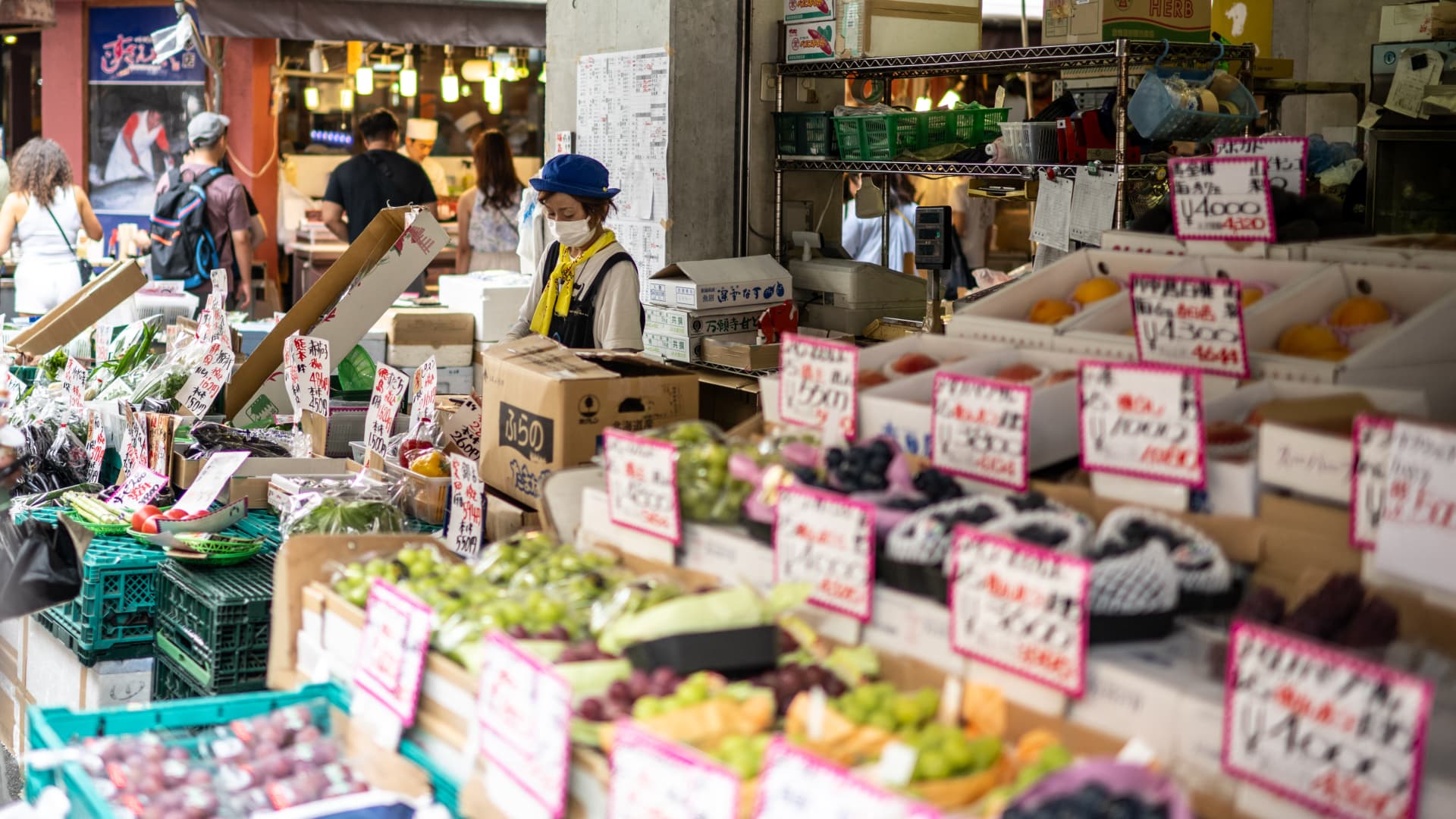
The Bank of Japan kept its interest rate steady at 0.5% amid Japan's core inflation dropping to its lowest since November 2024 at 2.7%, with inflation expectations rising moderately. Despite signs of economic resilience, including above-expected GDP growth and a U.S.-Japan trade deal, inflation driven by high rice prices and global trade concerns are fueling calls for potential rate hikes, with some analysts predicting a possible increase in October.
Japan's core inflation rate slightly cooled to 3.1% in July but remained above the BOJ's 2% target, with rice prices easing after a surge earlier in the year. Despite economic growth of 0.3% in Q2, trade sluggishness and declining exports highlight ongoing economic challenges. Experts suggest the BOJ is behind the curve in raising interest rates to combat inflation.
Japan's core inflation eased to 3.3% in June from 3.7%, driven by a slowdown in rice price increases, but overall inflation remains above the BOJ's 2% target, with ongoing economic uncertainties including potential tariffs and political elections.
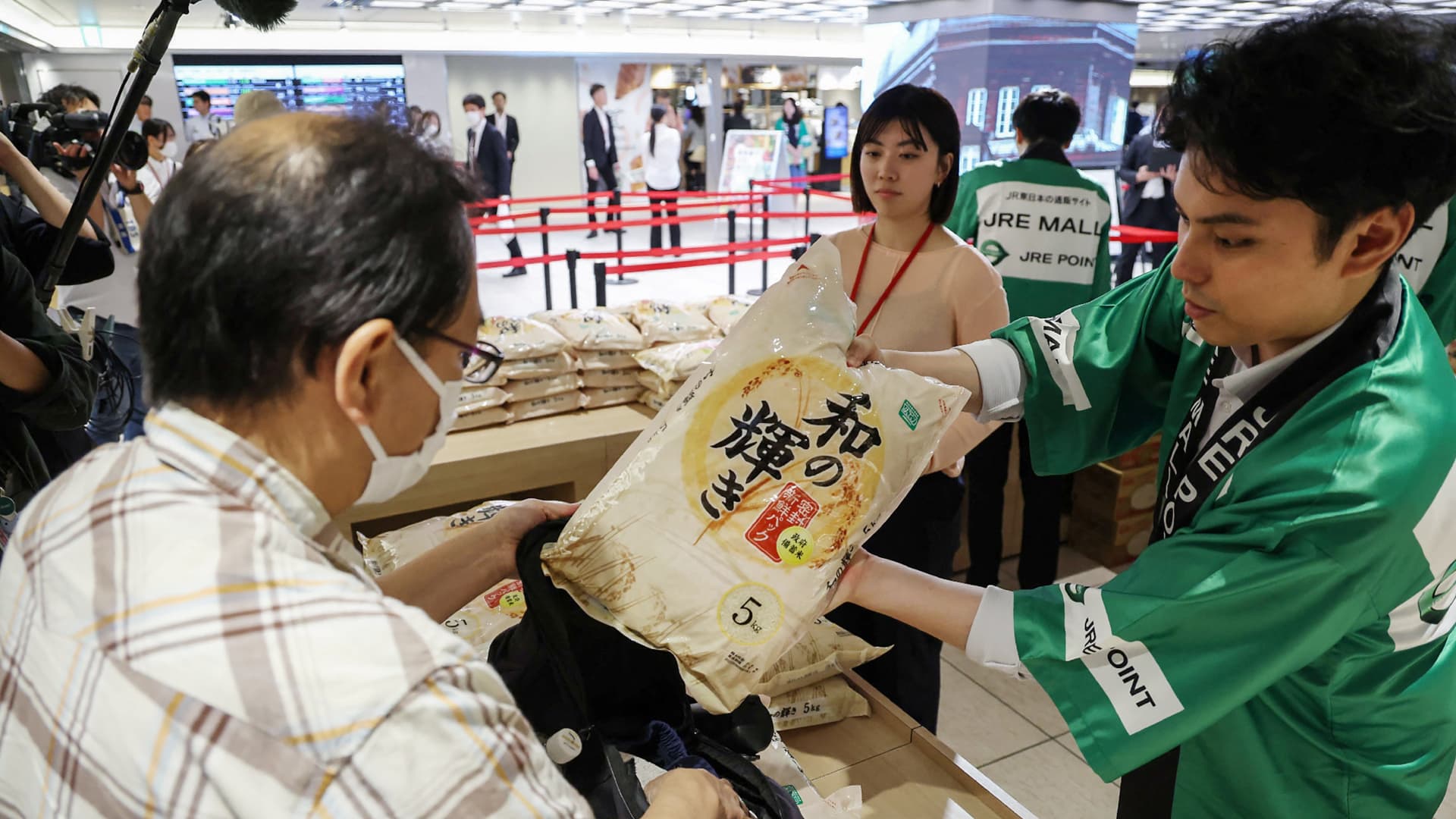
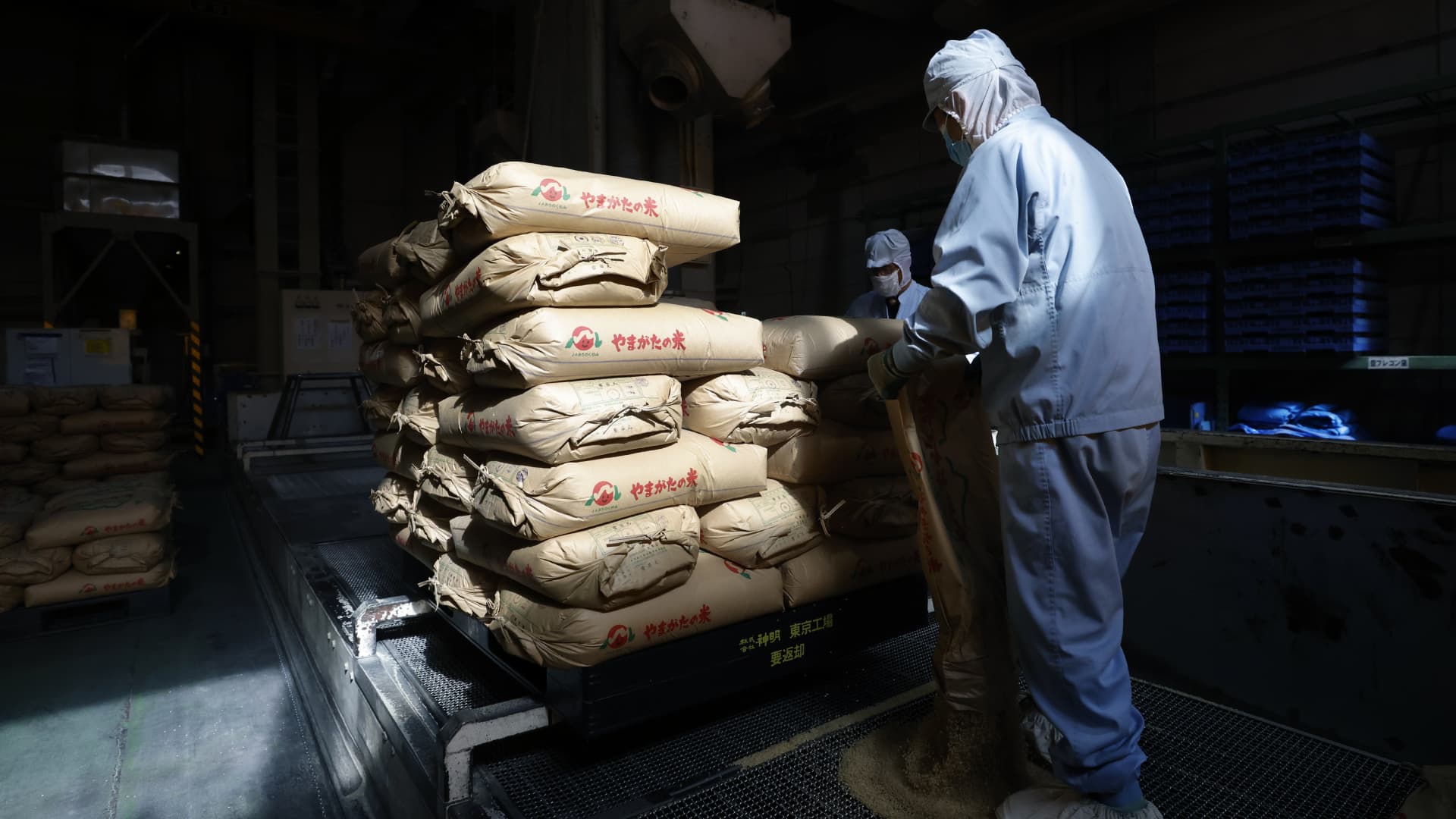
Rice prices in Japan more than doubled in May, increasing by 101.7% year over year, driven by rising inflation and government measures, while core inflation reached its highest since January 2023 at 3.7%, impacting household spending and economic outlooks.
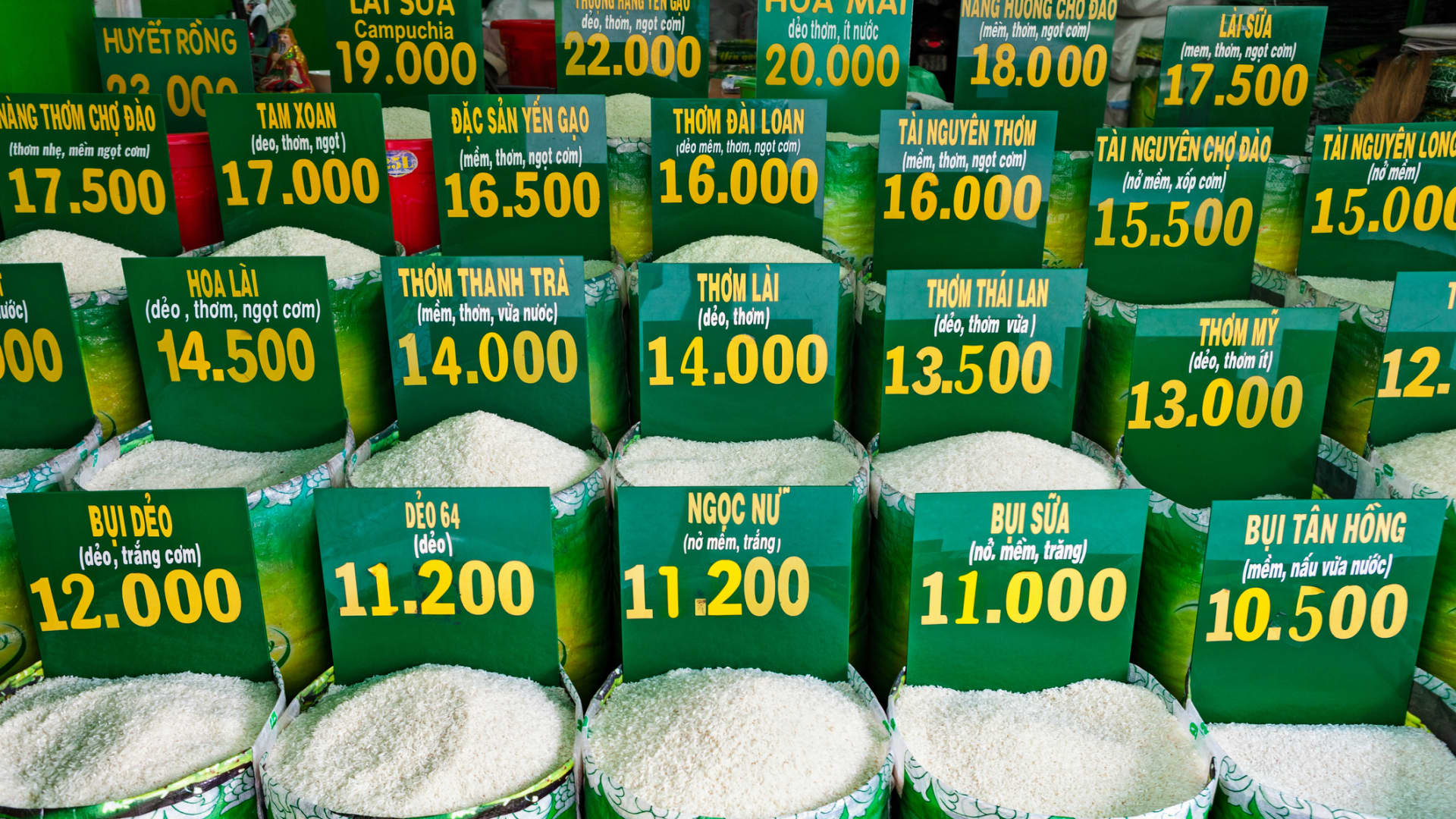
Rice prices in Asia have reached their highest level in almost 12 years due to India's rice export ban and adverse weather conditions, raising concerns about food inflation in the region. Factors such as extreme climate events, the onset of El Niño, trade restrictions, and Russia's withdrawal from the Black Sea grain initiative are contributing to fears of a broader increase in food commodity prices. While most Asian countries are well-positioned to withstand a rice supply shock, the spike in prices may lead to upside risks in consumer price inflation and impact overall farm output. Low-income households will be the hardest hit, and Asia-Pacific economies are highly exposed to a global rise in food prices. Climate-related disruptions are expected to become more frequent, emphasizing the need for climate-resilient farming methods and agricultural supplies.