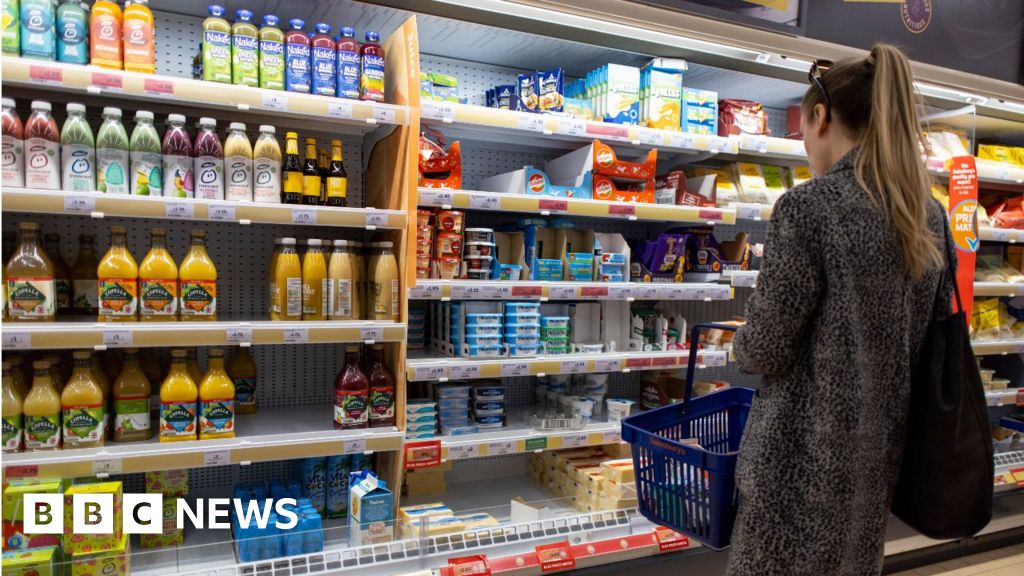
Supermarket leaders in the UK warn that potential tax hikes could lead to higher food prices, amid ongoing inflation driven by global factors and domestic tax policies, with industry lobbying for tax relief to help keep prices affordable ahead of the upcoming Budget.
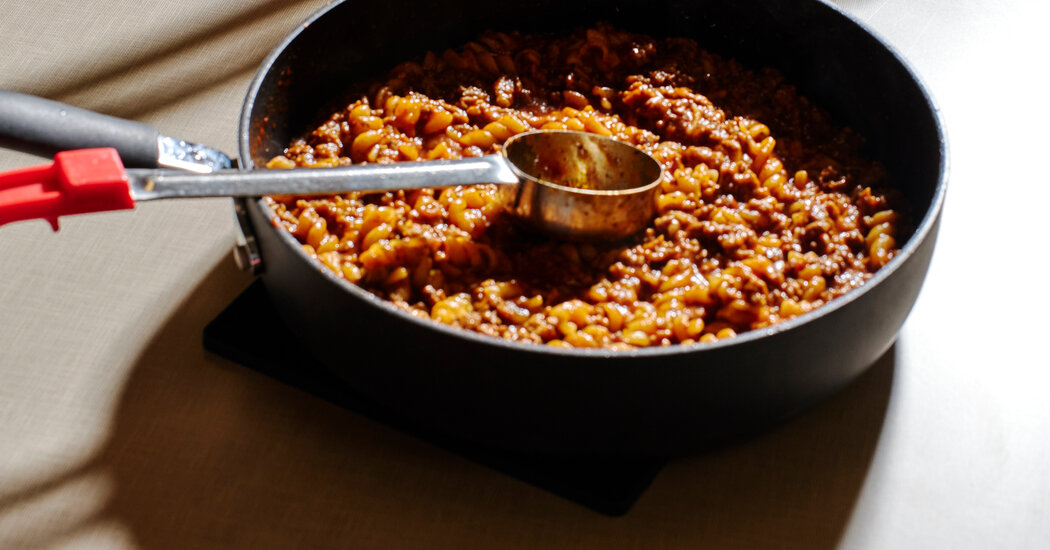
Amid rising food prices and inflation, sales of Hamburger Helper are increasing as consumers seek affordable, filling meal options, leading to a nostalgic revival of the brand and its expansion into new flavors and formats.
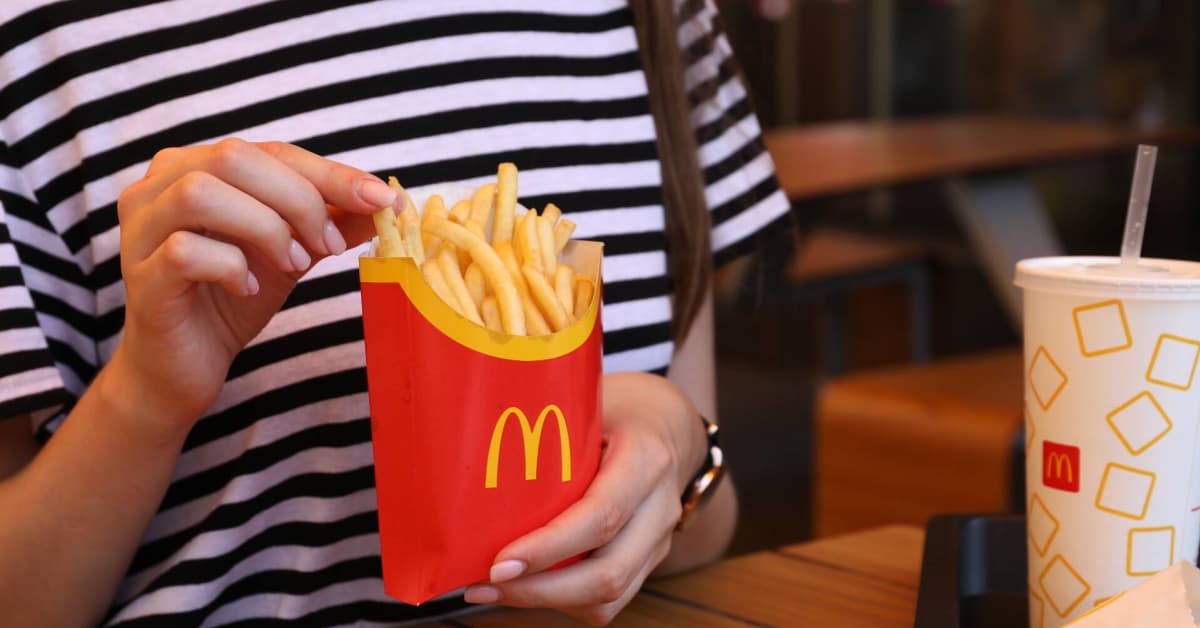
McDonald's CEO Chris Kempczinski highlights a divide in customer behavior due to economic pressures, with lower- and middle-income consumers skipping meals or eating at home. Rising food prices and inflation are impacting restaurant traffic, prompting McDonald's to introduce new value meals to retain budget-conscious customers amid broader economic challenges.
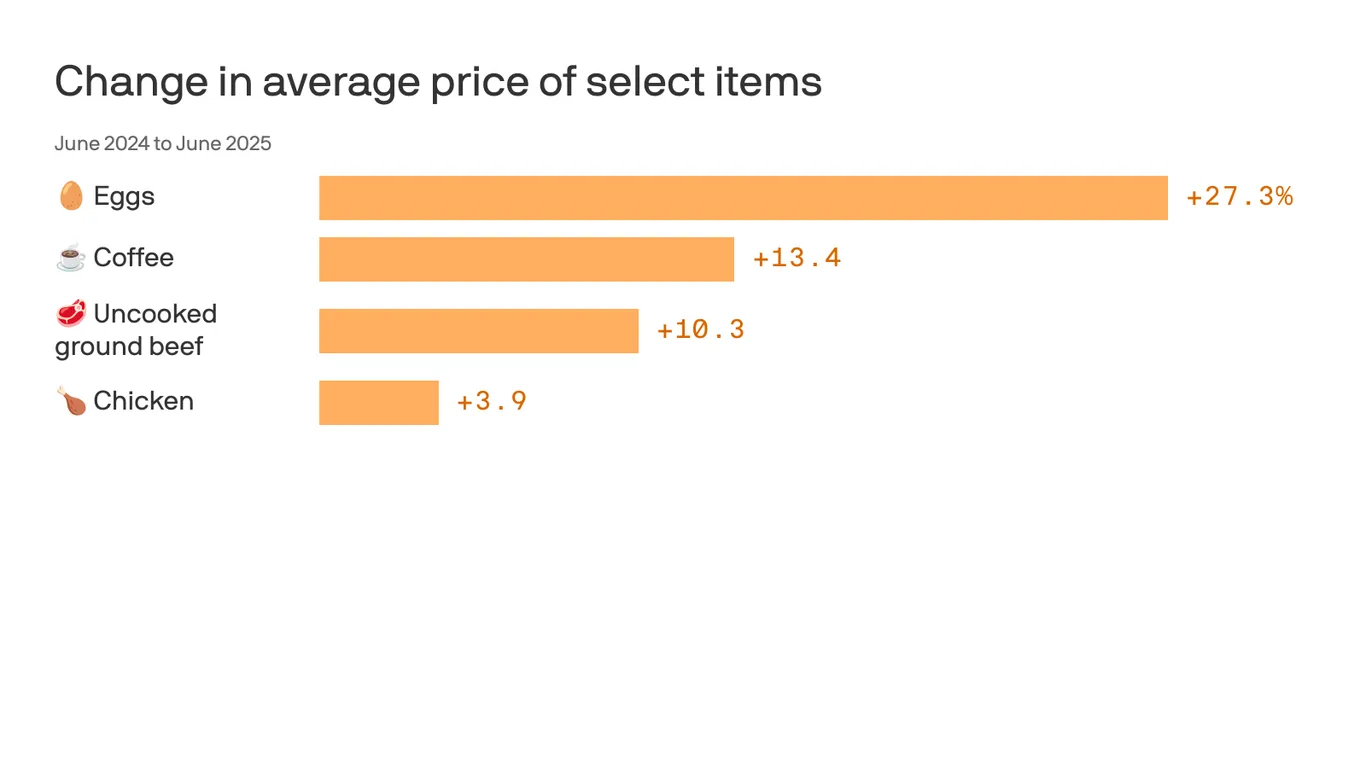
Grocery bills in the U.S. have increased by 3% over the past year, driven by climate change impacts such as droughts and heatwaves affecting food production globally, leading to higher prices for items like coffee, beef, eggs, and imported goods. Extreme weather events worldwide are causing significant price shocks in essential commodities like olive oil, rice, and cocoa.
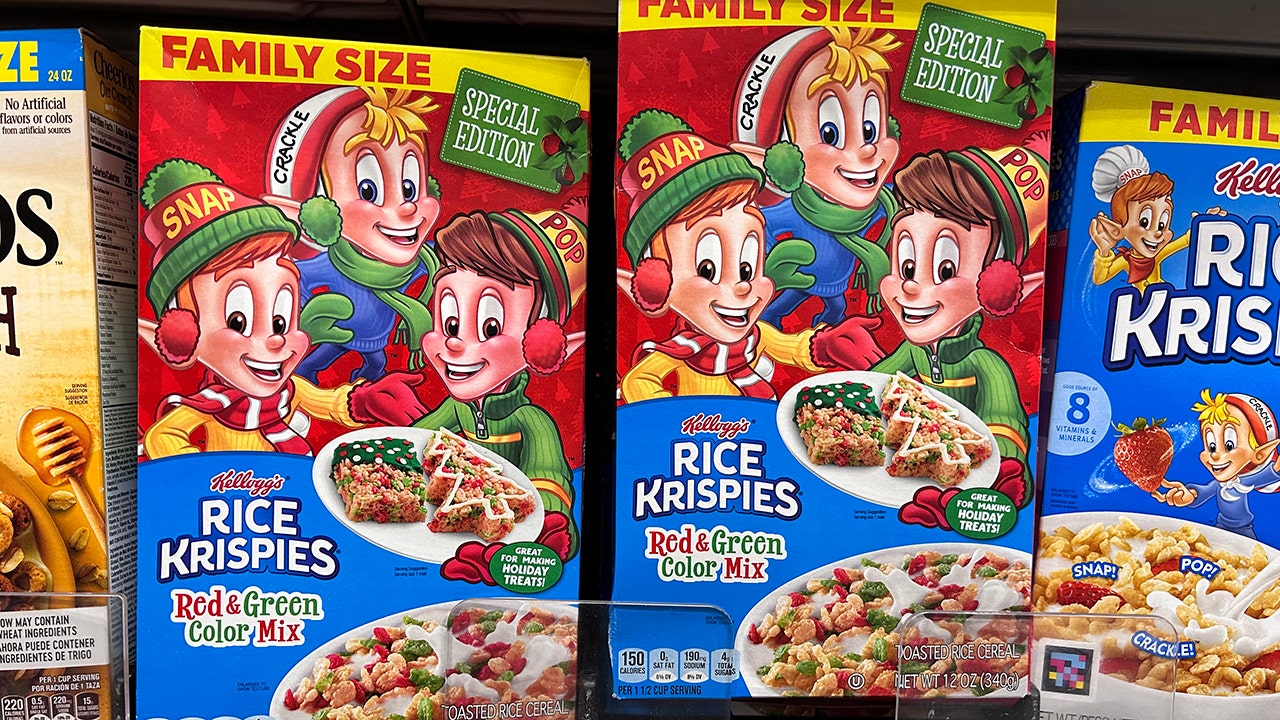
WK Kellogg CEO Gary Pilnick is facing criticism for suggesting that consumers struggling with food inflation should eat cereal for dinner, claiming that the message is "landing really well" with consumers. His comments come as data shows that 11.3% of disposable income was used on food in 2022, the highest figure since 1991. Consumers have expressed outrage at the suggestion, with some viewing it as a tone-deaf response to food insecurity and inflation, especially given Pilnick's million-dollar compensation.
Despite food inflation easing, economists warn that Thanksgiving won't be significantly cheaper this year. While turkey prices have dropped by about 13%, other items accompanying the meal, especially canned goods, have become more expensive. Canned cranberries are up nearly 60% compared to last year, and canned green beans are up almost 9%. Although fresh fruits and vegetables have seen a smaller increase in prices, overall, shoppers shouldn't expect substantial savings for their Thanksgiving feast.
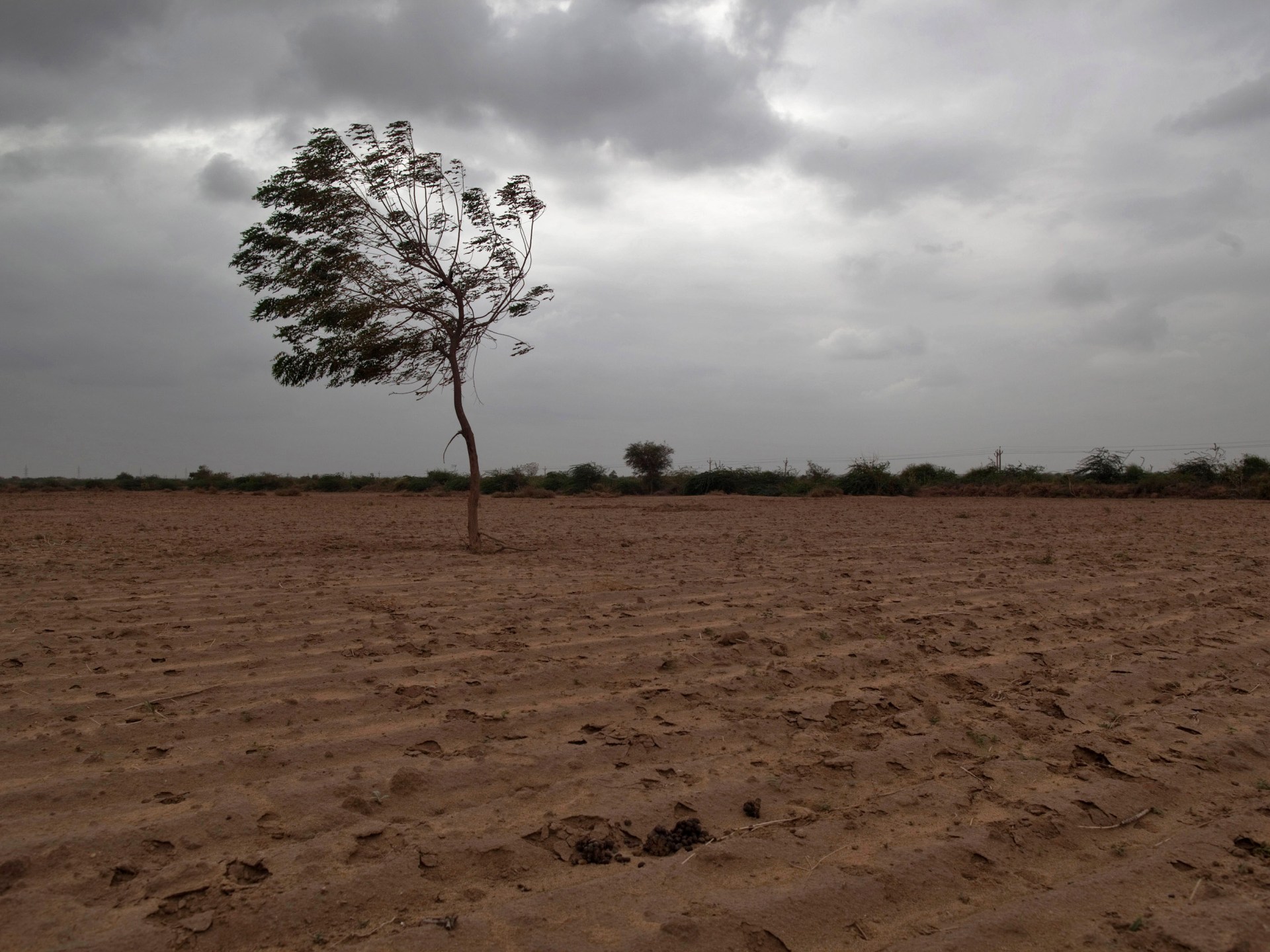
India experienced its lowest monsoon rainfall in five years, with August being the driest month in over a century, due to the El Nino weather pattern. This rainfall deficit is likely to impact agricultural production, particularly crops such as rice and sugar, leading to potential food inflation amid soaring global food prices. The monsoon is crucial for India's economy, providing over 70 percent of the country's required rainfall for crop irrigation and water replenishment. With nearly half of India's farmland lacking irrigation, the deficit could result in higher prices for staples like sugar, pulses, rice, and vegetables. It may also prompt India to impose more export restrictions on rice, wheat, and sugar.
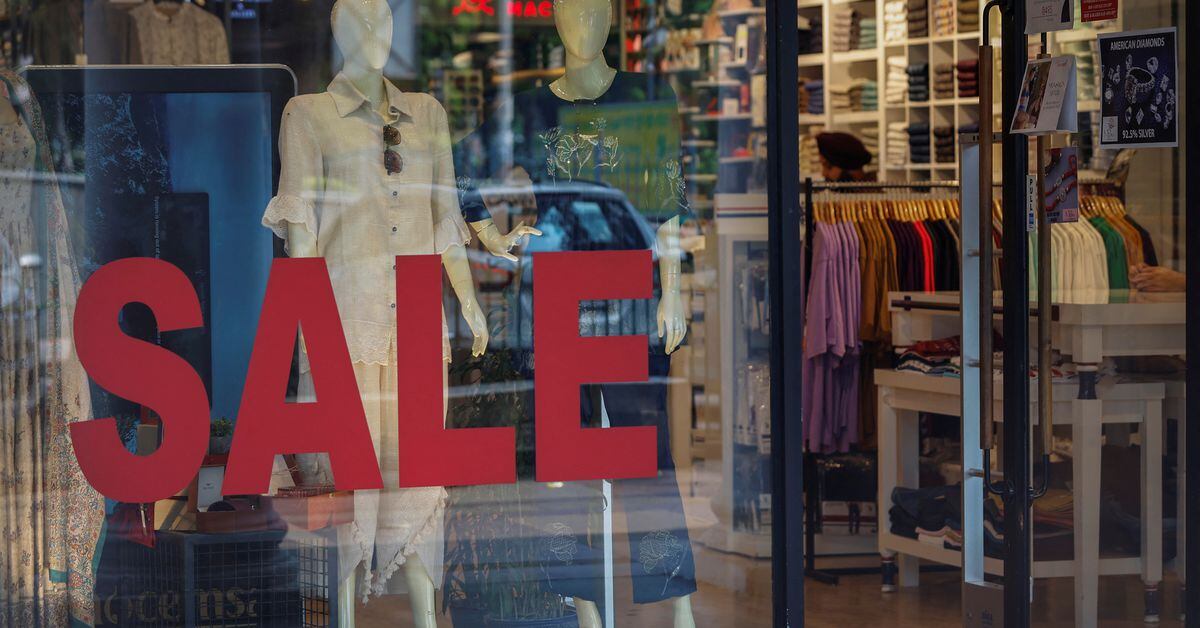
Fashion retailers in India are experiencing a decline in sales and foot traffic as skyrocketing food prices, particularly for tomatoes and onions, have tightened consumers' purse strings. The clothing and shoe retail sector, worth an estimated $62 billion, is facing concerns about the health of consumer spending, which was already slowing prior to the surge in food prices. Retailers are offering steeper discounts and extending sale periods in an attempt to boost sales, but customers are purchasing fewer items. While some sectors, such as premium SUV sales and cinema revenues, are still thriving, worries are mounting about the impact of inflation and high interest rates on consumer spending. The upcoming festival season may provide some relief, but the overall outlook remains uncertain.
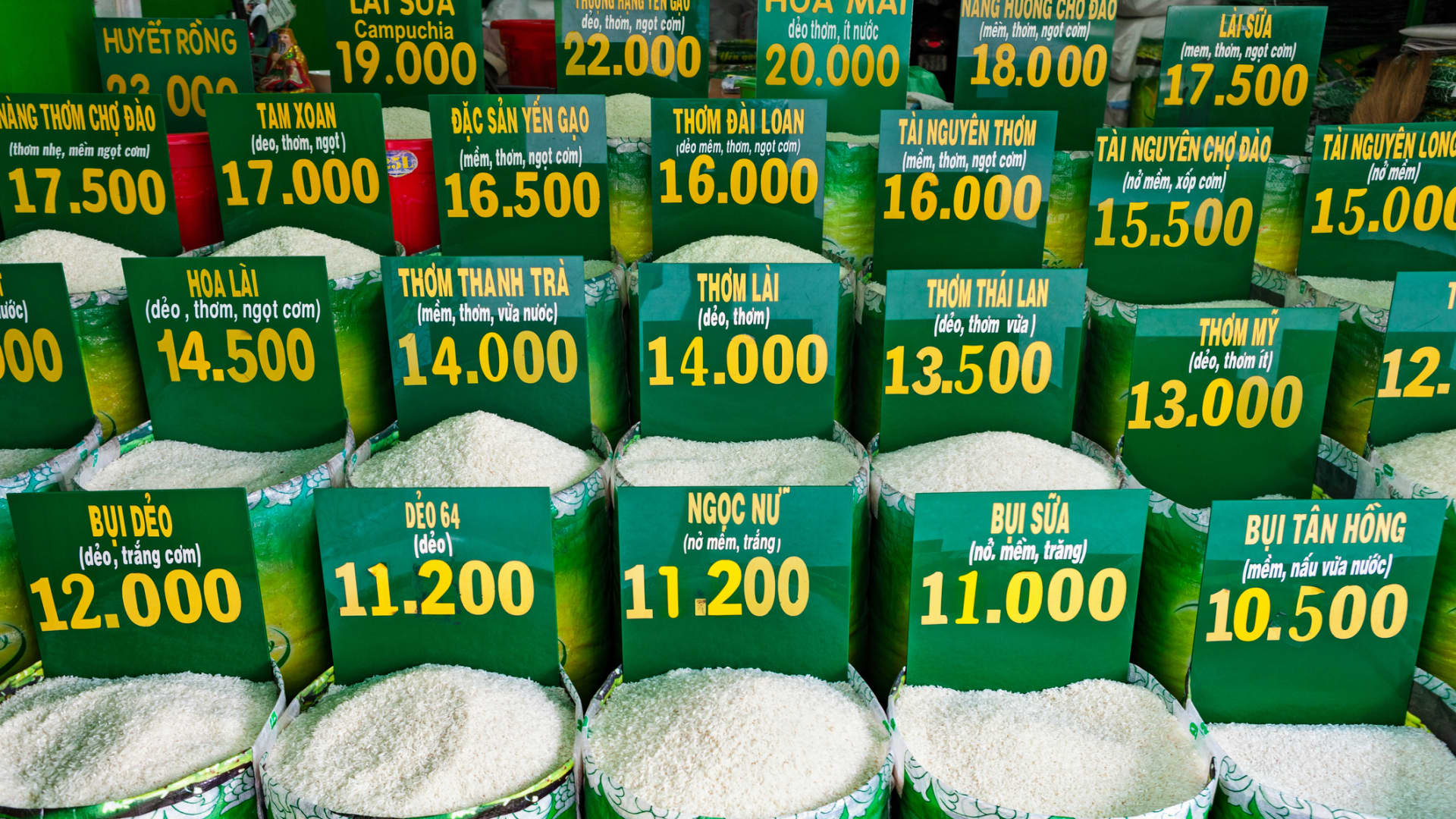
Rice prices in Asia have reached their highest level in almost 12 years due to India's rice export ban and adverse weather conditions, raising concerns about food inflation in the region. Factors such as extreme climate events, the onset of El Niño, trade restrictions, and Russia's withdrawal from the Black Sea grain initiative are contributing to fears of a broader increase in food commodity prices. While most Asian countries are well-positioned to withstand a rice supply shock, the spike in prices may lead to upside risks in consumer price inflation and impact overall farm output. Low-income households will be the hardest hit, and Asia-Pacific economies are highly exposed to a global rise in food prices. Climate-related disruptions are expected to become more frequent, emphasizing the need for climate-resilient farming methods and agricultural supplies.
UK food prices are rising at a slower rate than other countries, according to government minister Mel Stride. However, recent figures show that UK's food inflation in April was higher than the European Union average of 16.4% and higher than all the major European economies. The reason behind the price rises has been identified as Russia's invasion of Ukraine, bad weather in Europe and North Africa, and UK labour shortages. The UK's reliance on food imports suggests that European countries that grow more of their own food have seen smaller food price increases.
Food inflation in the UK reached a record high of 18.2% in February due to poor crops caused by bad weather in southern Europe and Africa, leading to rationing of fruits and vegetables in UK supermarkets. Essential food items such as bread, pasta, eggs, margarine, fats, and pork have seen significant price increases, with bread prices rising by 20.8% and eggs by 32.5%. The rising cost of food is eating into a significant proportion of disposable income for households across the country.