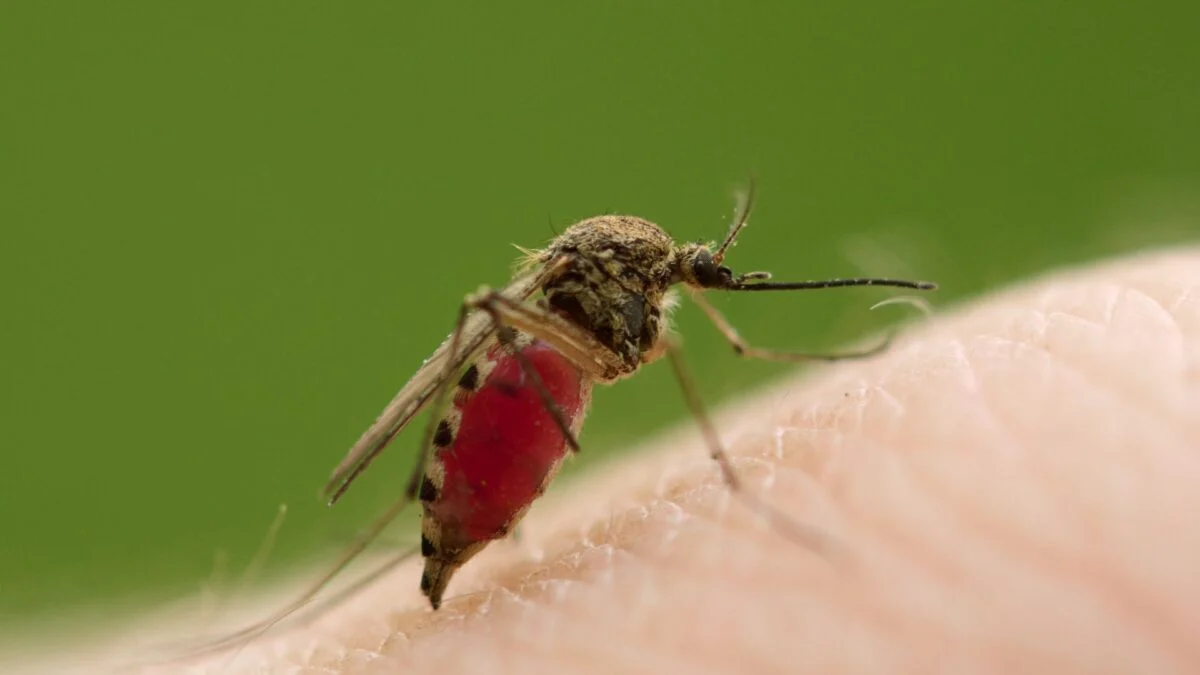
Recent research reveals that male mosquitoes can feed on blood under certain conditions, challenging long-held beliefs and raising concerns about their potential role in disease transmission, although further studies are needed to understand the implications fully.
The African crested rat is the world's only known poisonous rodent, capable of sequestering toxins from the arrow poison tree in its fur for defense, a trait confirmed through recent scientific studies, although it appears to be herbivorous and social.
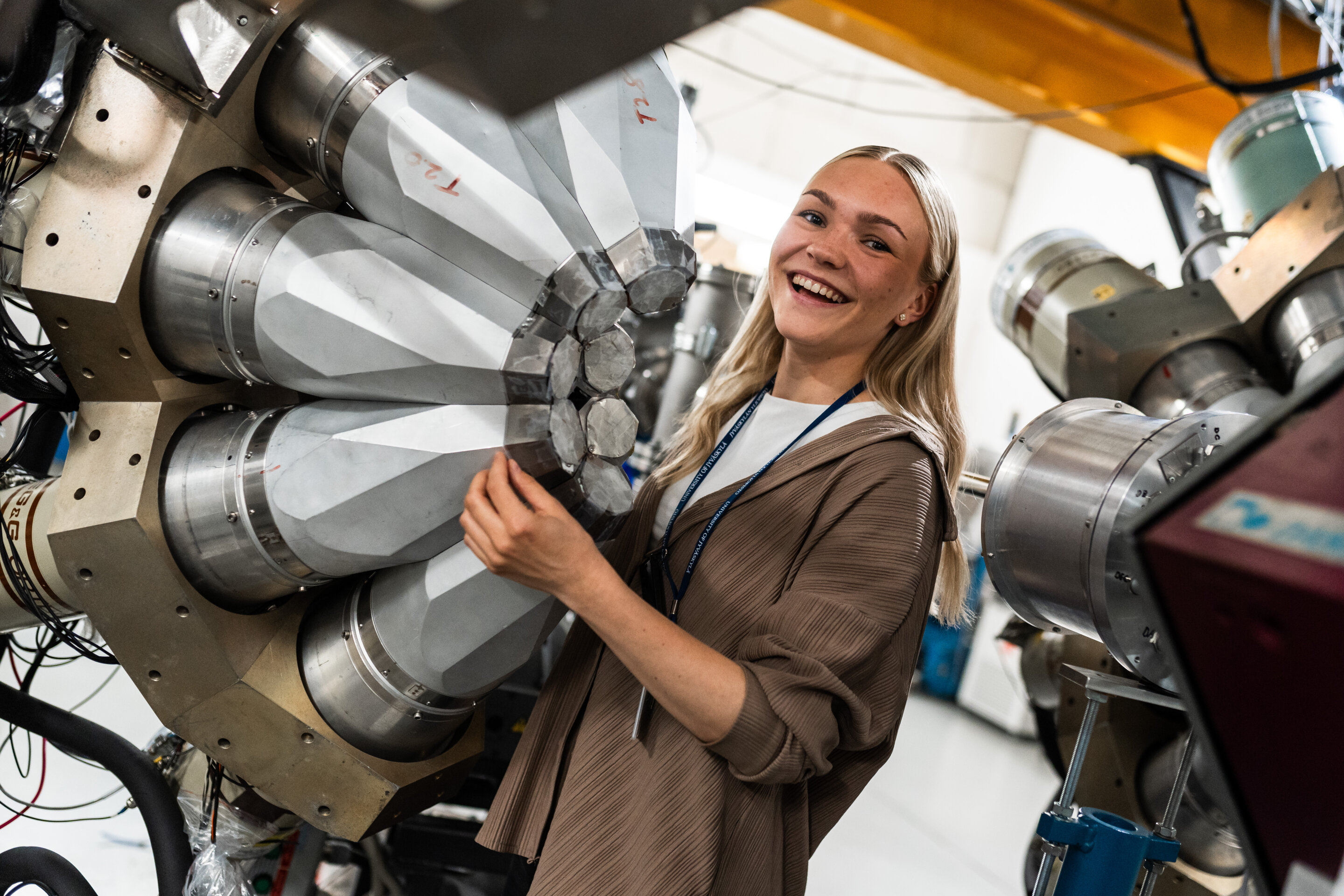
Researchers at the University of Jyväskylä have measured the decay of the heaviest nucleus emitting protons for the first time in nearly 30 years, identifying a new isotope of astatine (188At) and expanding understanding of nuclear structure and interactions.
New research using fruit flies shows that Alzheimer's proteins affect not only the brain but also other organs, suggesting the disease has systemic effects throughout the body, which could lead to new diagnostic and treatment approaches.
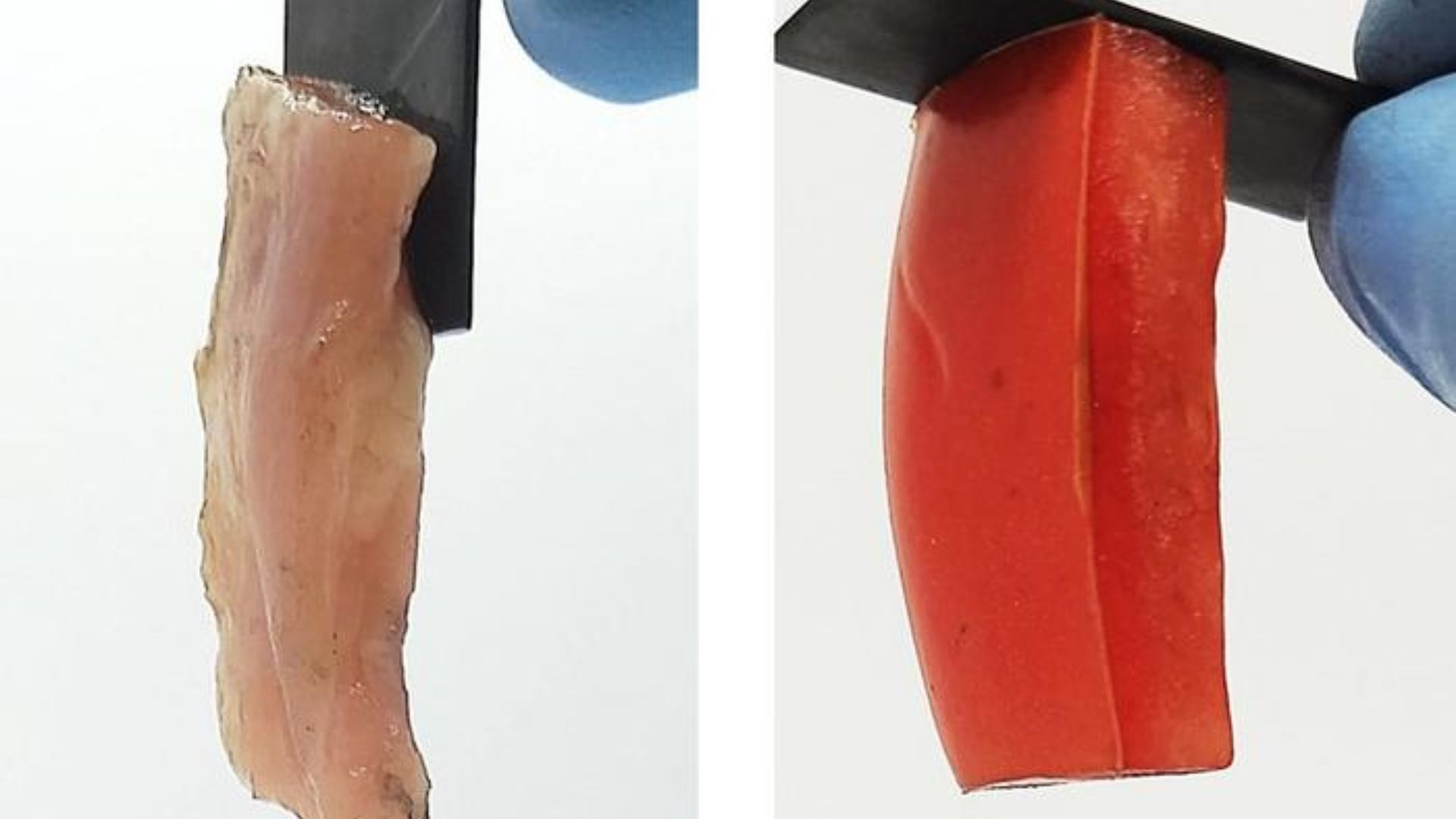
Researchers at the University of Maryland have discovered a method to bind hard and soft materials together using electricity instead of tape or glue. By applying a small voltage, the materials can be strongly bound, and the charge can be reversed to unbind them. This breakthrough could offer a new approach to attaching materials without the use of traditional adhesives.
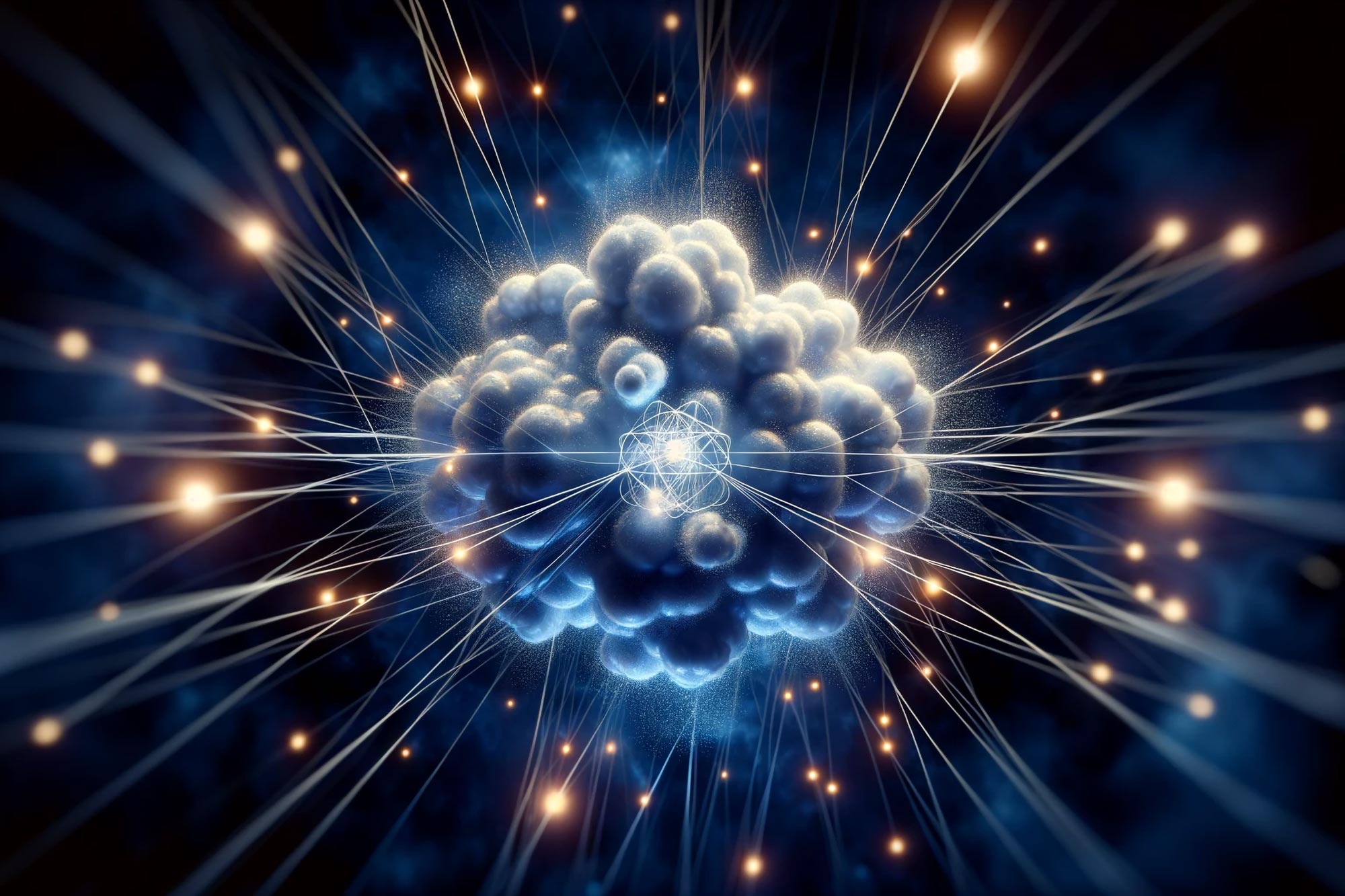
An international research team has made a pivotal discovery in high-temperature superconductivity by quantifying the pseudogap pairing in fermionic lithium atoms, deepening our understanding of quantum superfluidity and holding promise for enhancing global energy efficiency through advancements in computing, storage, and sensor technologies. The study, published in Nature, observed and quantified the pseudogap in a strongly attractive interacting cloud of fermionic lithium atoms, shedding light on the microscopic mystery of high-temperature superconductivity and potentially leading to applications in future quantum technologies.
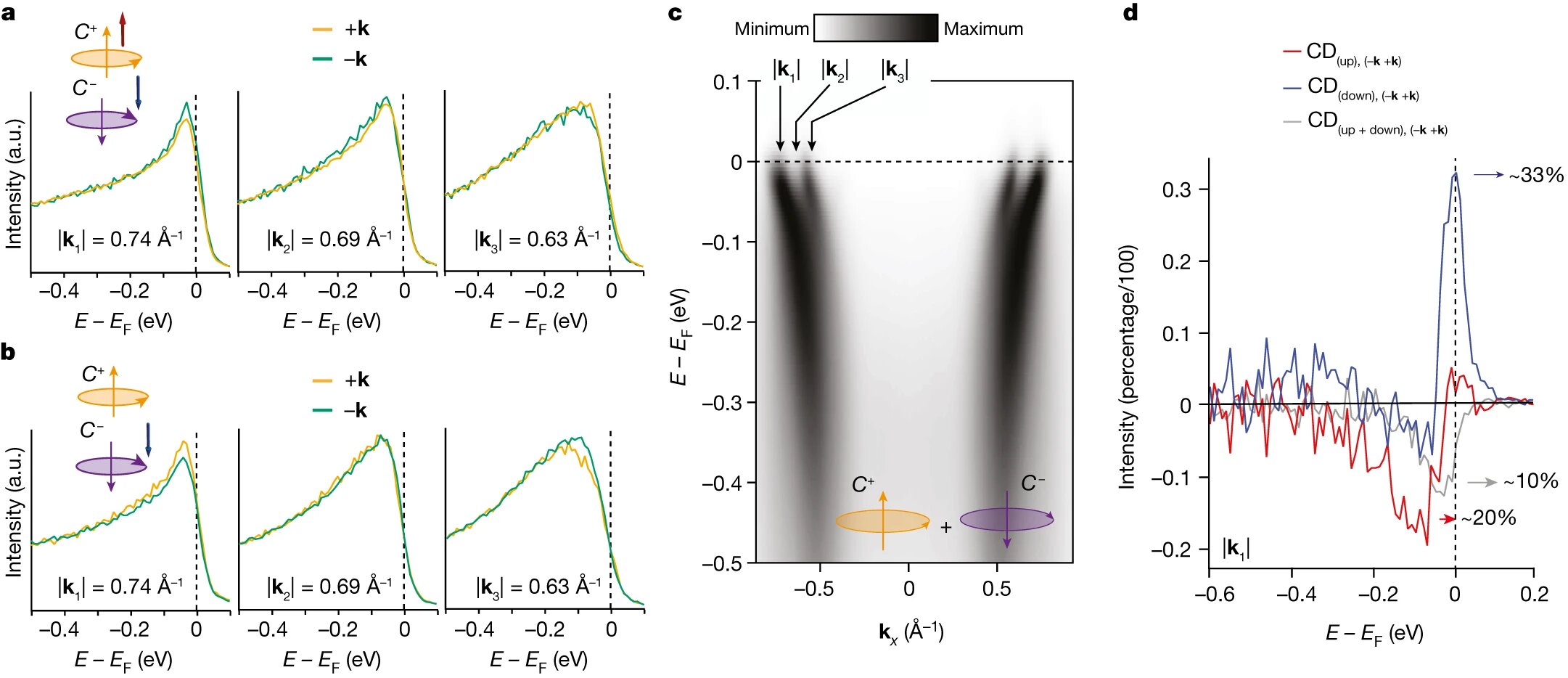
An international research group has discovered a new state of matter characterized by the existence of a quantum phenomenon called chiral current, which is generated on an atomic scale by a cooperative movement of electrons. This discovery significantly enriches our knowledge of quantum materials and may lead to the development of new electronics employing chiral currents as information carriers, as well as new chiral optoelectronic devices with implications for quantum technologies, sensors, biomedical, and renewable energy fields. The study verified the existence of this quantum state for the first time, paving the way for the development of new ultra-thin electronic devices and revolutionizing quantum physics and technology development.
Researchers from the University of Cambridge and the Max Planck Institute for Polymer Research have discovered that electrically charged particles in salt water are located in a subsurface layer, challenging existing scientific models and requiring textbooks to be re-drawn. Using an upgraded laser radiation technique, the team found that ions at the surface can be oriented in both up and down directions, impacting our understanding of electrolyte solutions and potentially influencing technologies such as batteries. The research, published in Nature Chemistry, has implications for various fields, from climate change projections to energy storage.
Researchers at Washington State University have made a fundamental discovery about the Fischer-Tropsch process, a catalytic reaction used in fuel production. They found that the reaction exhibits self-sustained oscillations, periodically moving between high and low activity states. This discovery could potentially be used to enhance reaction rates and improve yields of desired products. By understanding and controlling these oscillatory states, researchers can design catalysts more intentionally and improve catalytic performance. The unexpected finding provides valuable insights into the complex mechanism of the Fischer-Tropsch process.