
Tag

Fuel Production

All articles tagged with #fuel production

energy2 years ago

"Dangote Refinery Commences Production, Aims to Reduce Nigeria's Oil Imports"

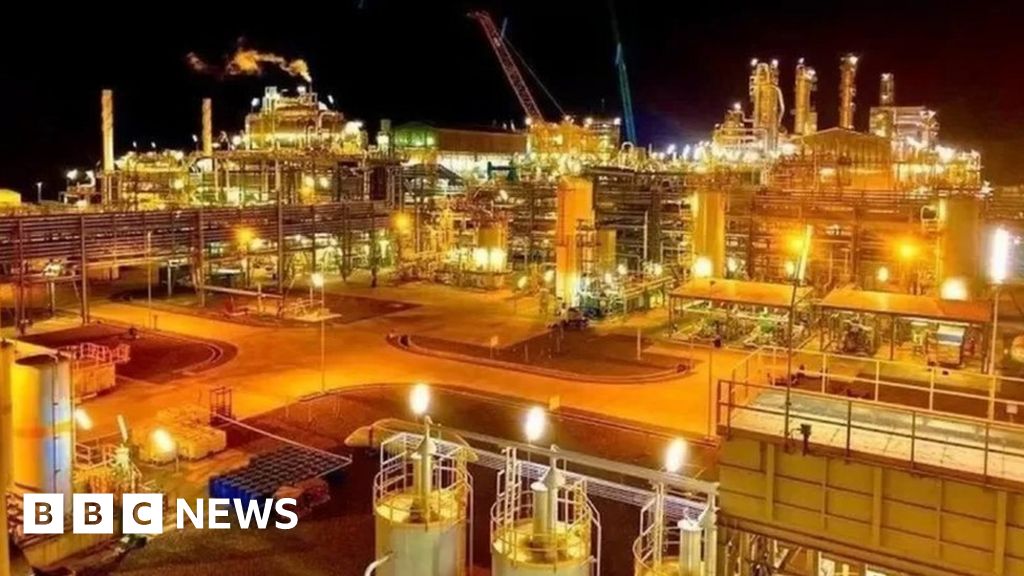
The Dangote Refinery, Africa's largest, has commenced production of diesel and aviation fuel, marking the start-up of the refinery after years of delays. With a capacity of 650,000 barrels per day, the refinery is expected to meet 100% of Nigeria's demand for refined petroleum products and also have a surplus for export. The project, which has cost around $20 billion, aims to alleviate Nigeria's chronic fuel shortage and reduce its reliance on fuel imports, with plans to export diesel to Europe and gasoline to Latin American and African markets.
energy2 years ago

Dangote Refinery Boosts Nigeria's Refined Oil Production and Market Dominance

Nigeria has taken a significant step towards producing its own refined oil as a million barrels of crude oil were delivered to the new Dangote refinery in Lagos. The refinery, which took nearly seven years to build and cost $19 billion, is expected to produce about 650,000 barrels per day once fully operational. This development is crucial for Nigeria, as it aims to reduce its reliance on imported refined oil and achieve energy self-sufficiency. The facility will initially produce diesel, aviation fuel, and liquefied petroleum gas before progressing to petrol production. The Dangote Group, led by Africa's richest man Aliko Dangote, plans to eventually meet 100% of Nigeria's refined product requirements and have surplus for export.

science-and-technology2 years ago

"Unveiling a Breakthrough in Fischer-Tropsch Process to Revolutionize Fuel Production"

Researchers at Washington State University have made a fundamental discovery about the Fischer-Tropsch process, a catalytic reaction used in fuel production. They found that the reaction exhibits self-sustained oscillations, periodically moving between high and low activity states. This discovery could potentially be used to enhance reaction rates and improve yields of desired products. By understanding and controlling these oscillatory states, researchers can design catalysts more intentionally and improve catalytic performance. The unexpected finding provides valuable insights into the complex mechanism of the Fischer-Tropsch process.