The African crested rat is the world's only known poisonous rodent, capable of sequestering toxins from the arrow poison tree in its fur for defense, a trait confirmed through recent scientific studies, although it appears to be herbivorous and social.
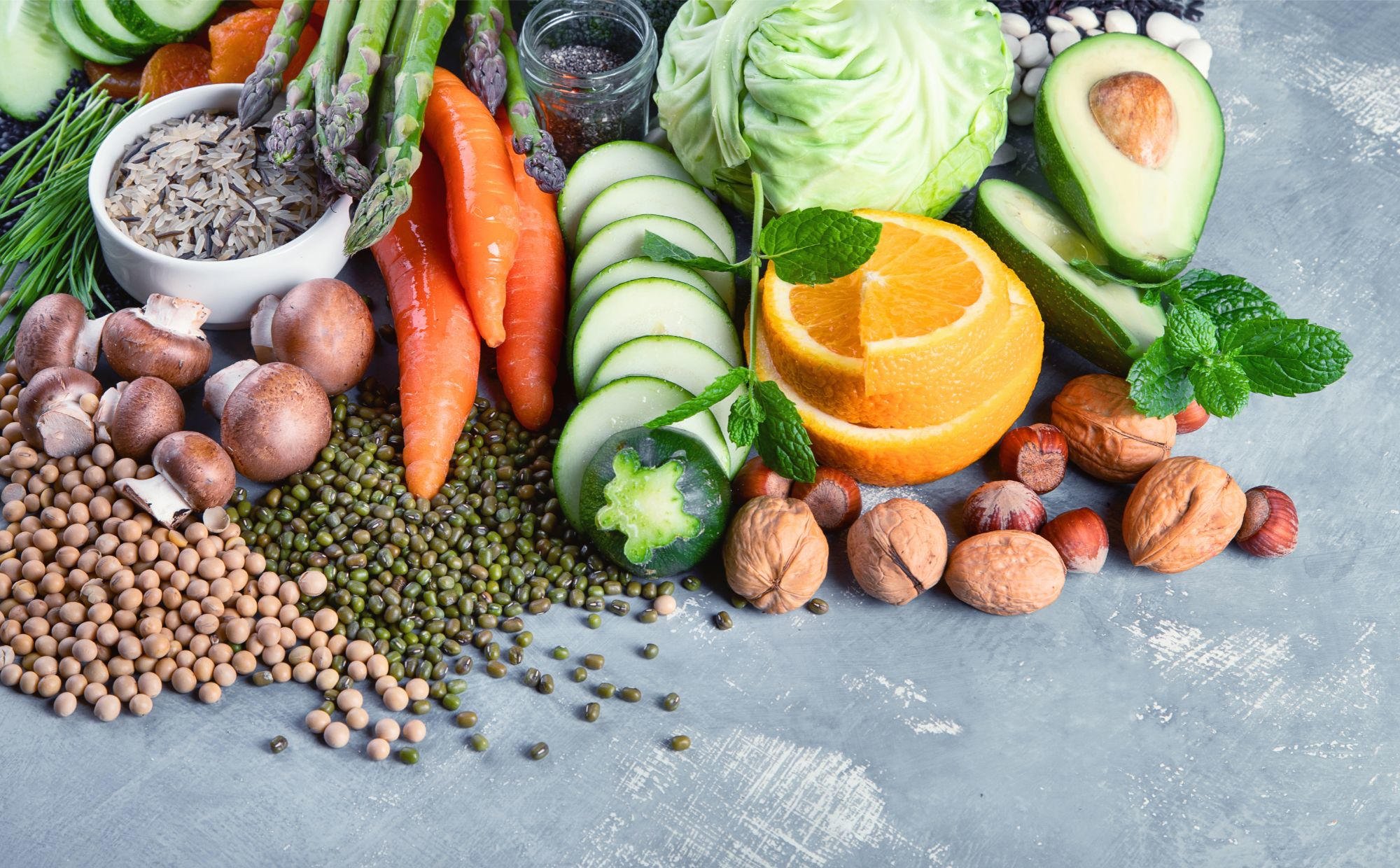
A study by the German Federal Institute for Risk Assessment reveals that public awareness of naturally occurring plant toxins in foods is low, with only 47% of respondents aware of such risks. In contrast, concerns about synthetic residues and contaminants are much higher, at 63% and 62% respectively. The study highlights the need for better education on the dangers of natural toxins in foods like beans and potatoes, as well as the risks associated with moldy food.
In his book "Most Delicious Poison," biologist Noah Whiteman explores the bioactive nature of plant toxins and their impact on humans. He discusses how seemingly benign plants can contain chemicals that have profound effects on our bodies and brains. Whiteman examines the evolutionary reasons behind plants producing toxins, the ways in which humans have harnessed these toxins for medicine and pleasure, and the potential benefits of certain plant chemicals. The book delves into topics such as the interaction between alcohol and GABAA receptors, the use of plant toxins as insecticides, and the evolutionary origins of spices. Whiteman's passion for the subject shines through, making it a fascinating read for those interested in botanical pharmacology and toxicology.