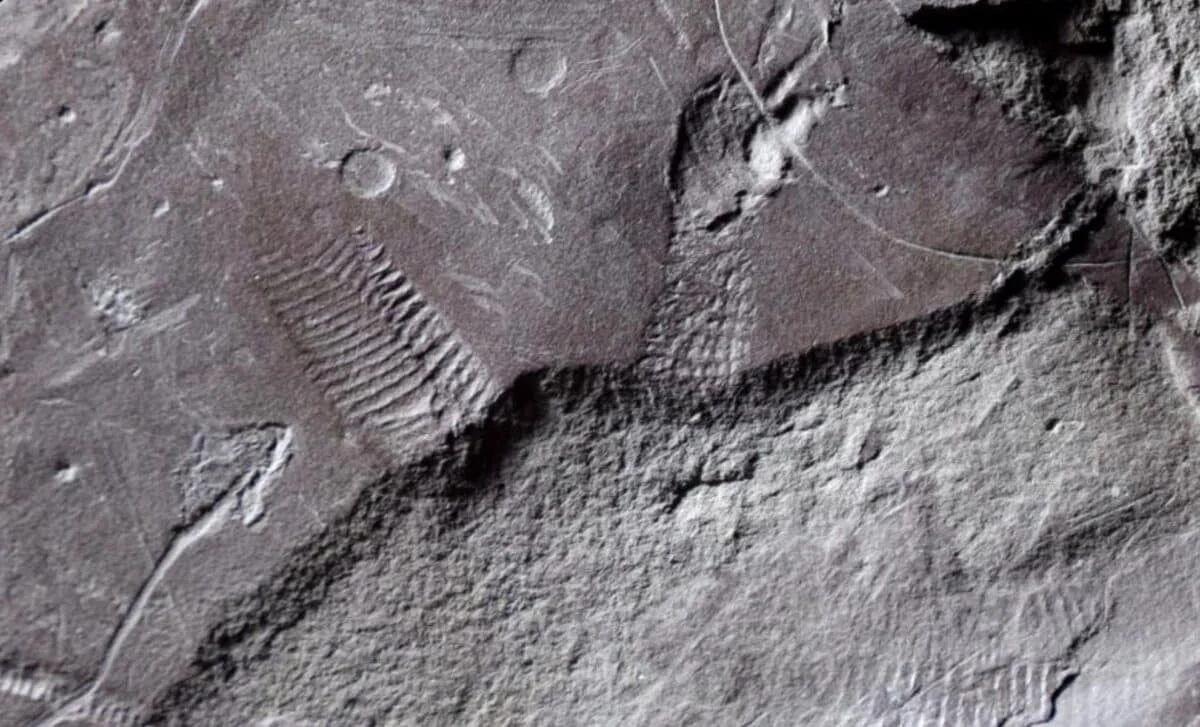
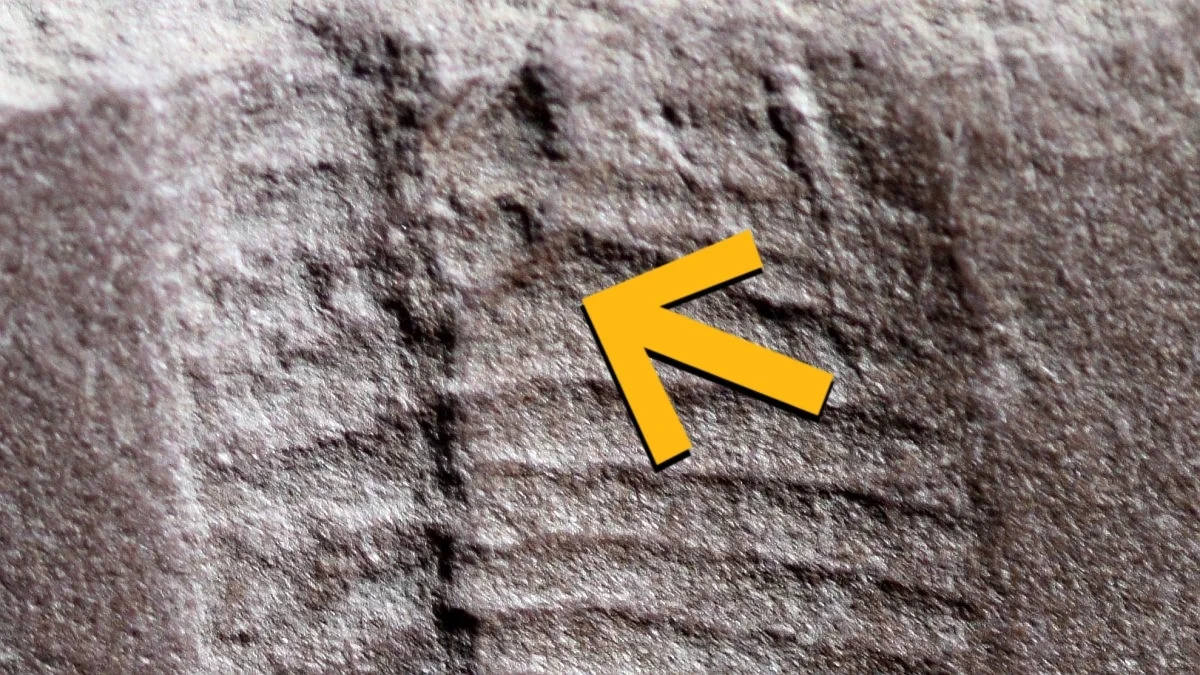
A 290-million-year-old German fossil named Cabarzichnus pulchrus preserves the earliest-known reptile cloaca and skin with keratin scales, offering new clues about early reptile anatomy and evolution.
A 295‑million‑year‑old resting trace from a bolosaurian reptile in Germany preserves belly keratin scales and what appears to be a cloacal vent, making it the oldest known example of a reptile cloaca and offering new insight into early amniote skin evolution.
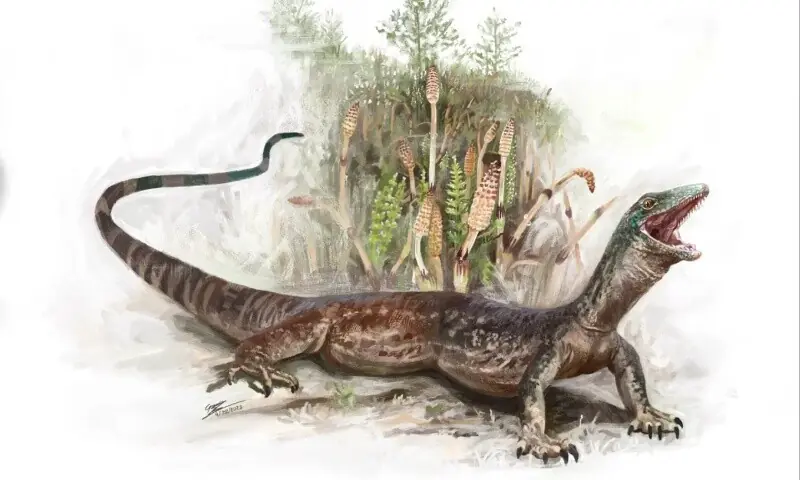
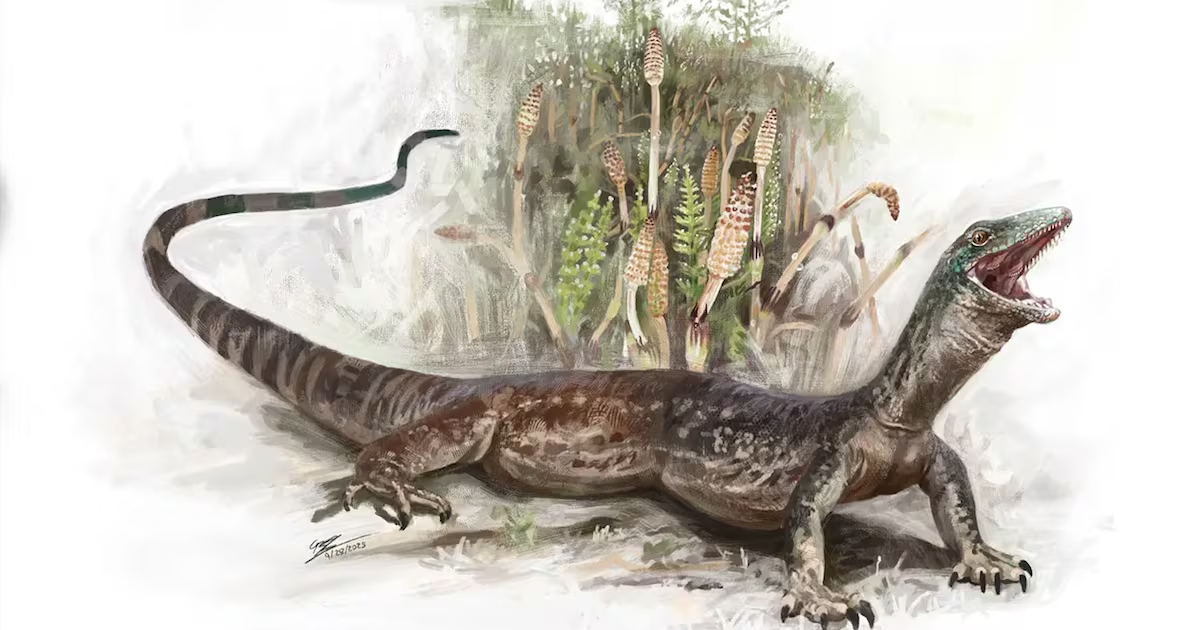
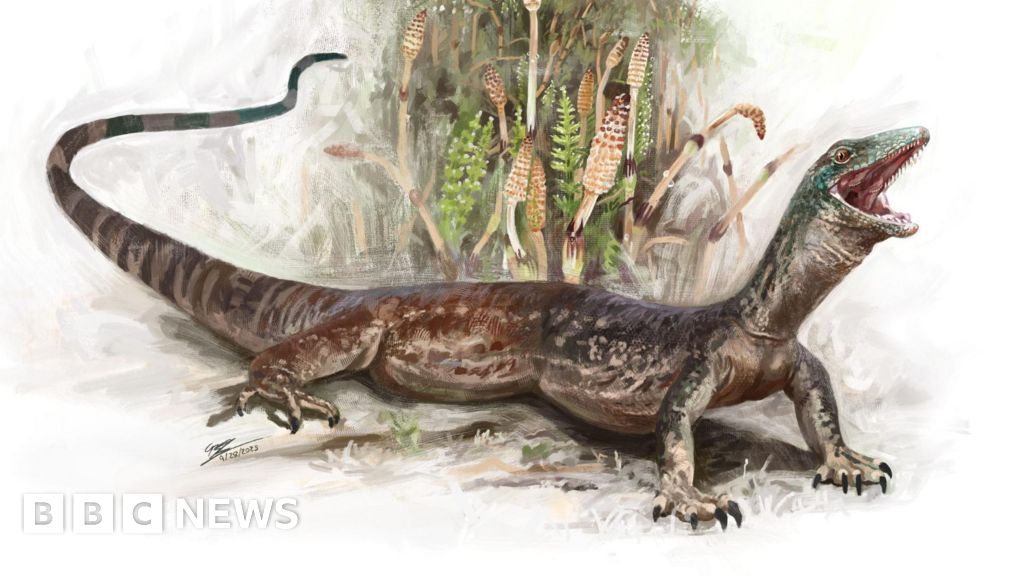
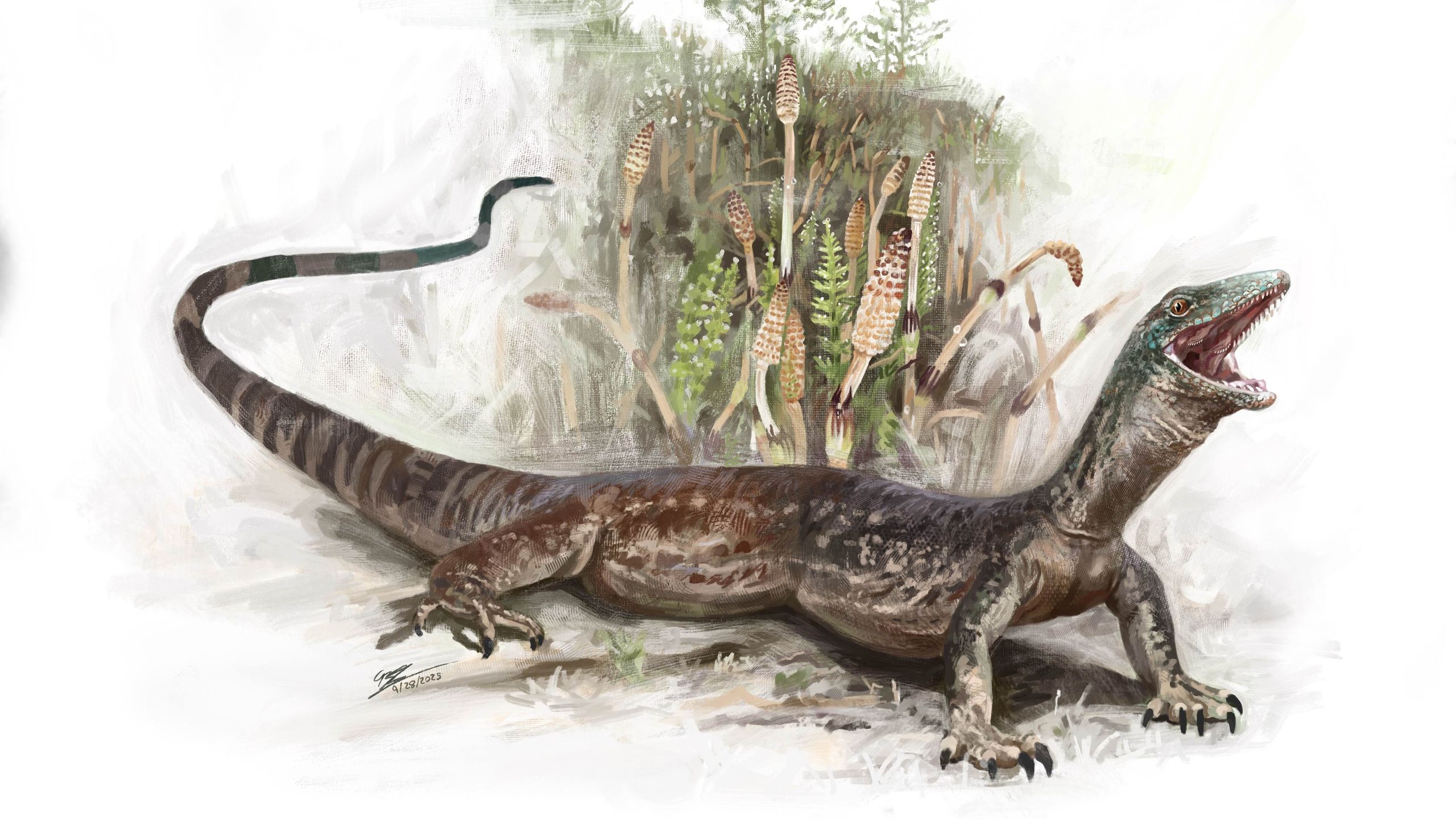
A 167-million-year-old fossil from Scotland, named Breugnathair elgolensis, exhibits a mix of snake-like and lizard-like features, challenging current understanding of reptile evolution and possibly representing an early ancestor of snakes or an evolutionary oddball, highlighting the complexity of squamate evolution.
Scientists discovered a new Jurassic reptile species on the Isle of Skye, dating back 167 million years, which is believed to be an ancestor of modern snakes and lizards, featuring snake-like jaws and a lizard-like body.
A new species of Jurassic reptile with snake-like fangs, named Breugnathair elgolensis, was discovered on Skye, providing insights into the evolution of snakes and lizards, and is among the most complete Jurassic lizard fossils known.
A 167-million-year-old fossil of a mysterious reptile called Breugnathair elgolensis, part lizard and part snake, was discovered on the Isle of Skye, Scotland. The creature had snake-like teeth and a mix of features, providing new insights into early snake and lizard evolution, and challenging previous assumptions about their development.
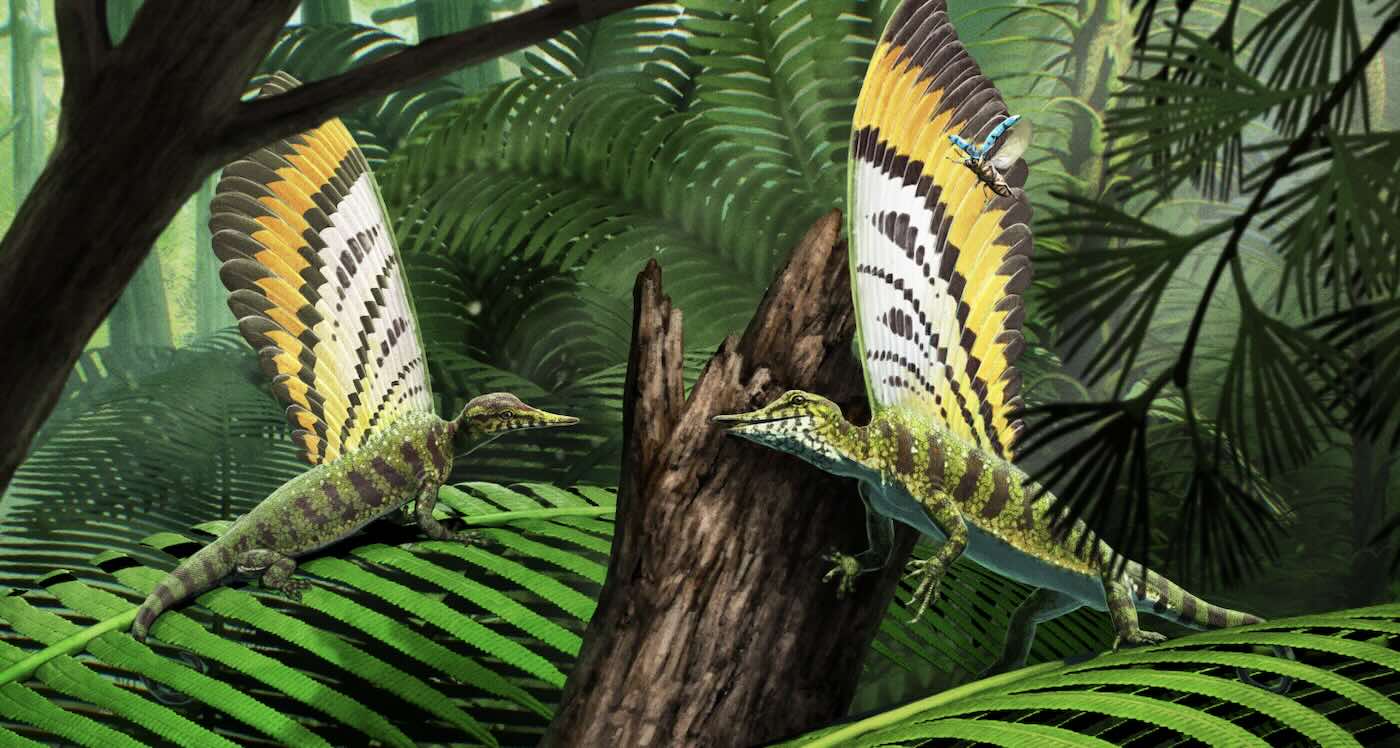
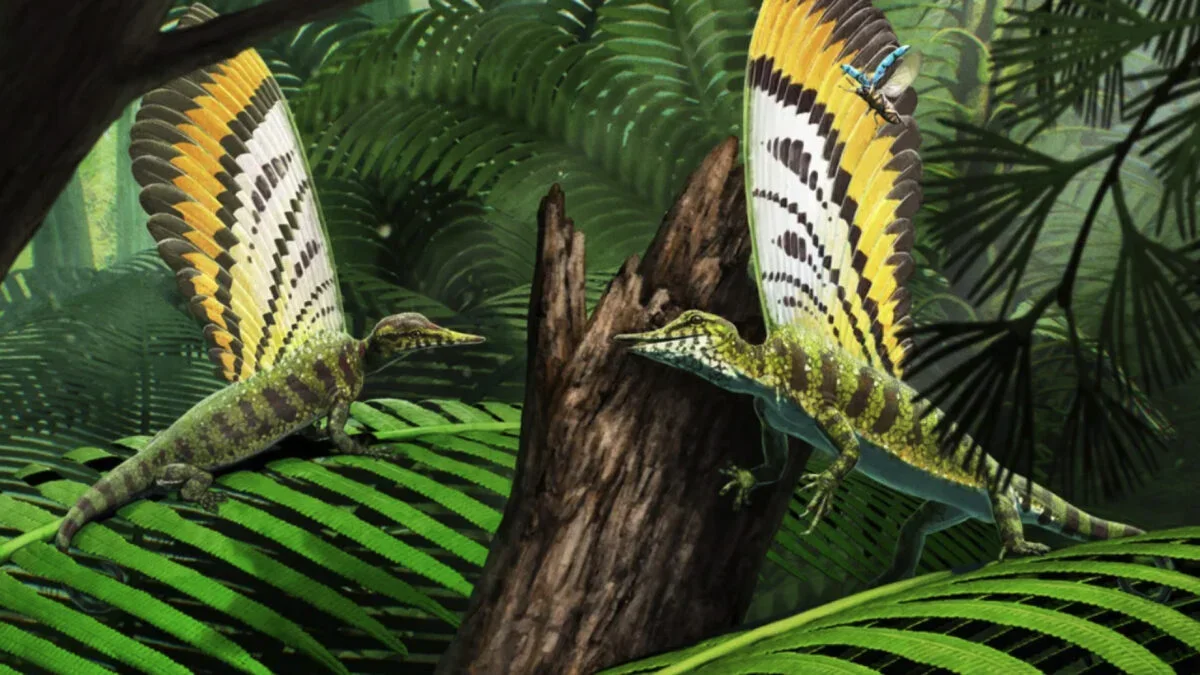
Scientists discovered a 247-million-year-old Triassic reptile, Mirasaura, with a large, unique crest made of soft tissues containing pigment cells similar to feathers, challenging existing theories on the origins of feathers and hair in amniotes and suggesting these features may have evolved earlier than previously thought.
A re-analysis of a 247-million-year-old reptile fossil, Mirasaura grauvogeli, reveals it had a unique, fan-like skin structure on its back, likely used for communication, challenging previous assumptions that such features were feathers. This discovery highlights the evolutionary diversity of reptilian skin and suggests that ancient reptiles may have had more complex and varied physical features than previously thought.
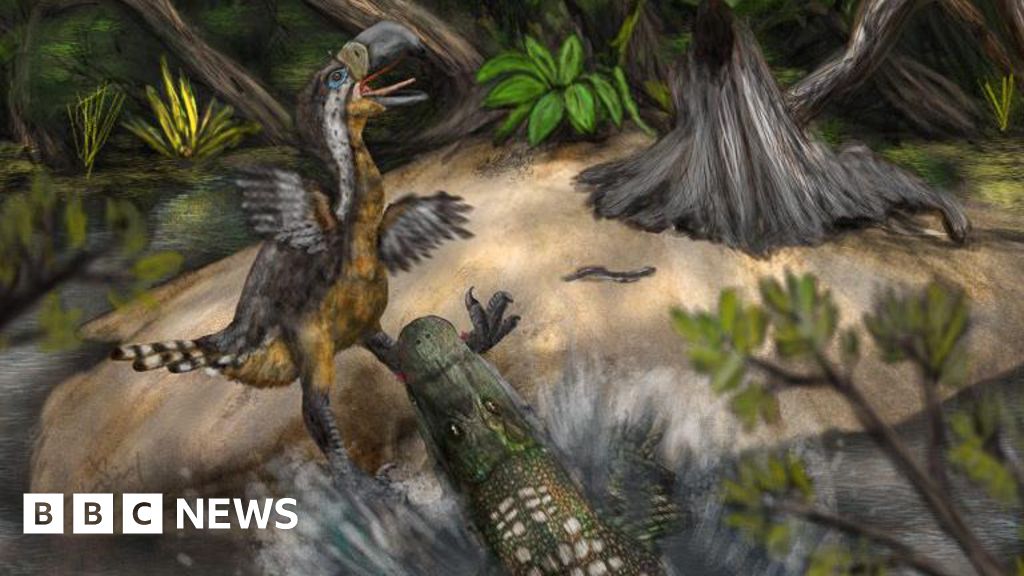
Teeth marks on a 13-million-year-old terror bird fossil suggest it was killed by a crocodile-like predator, providing rare evidence of interactions between extinct top predators and revealing the vulnerability of these large birds in ancient ecosystems.
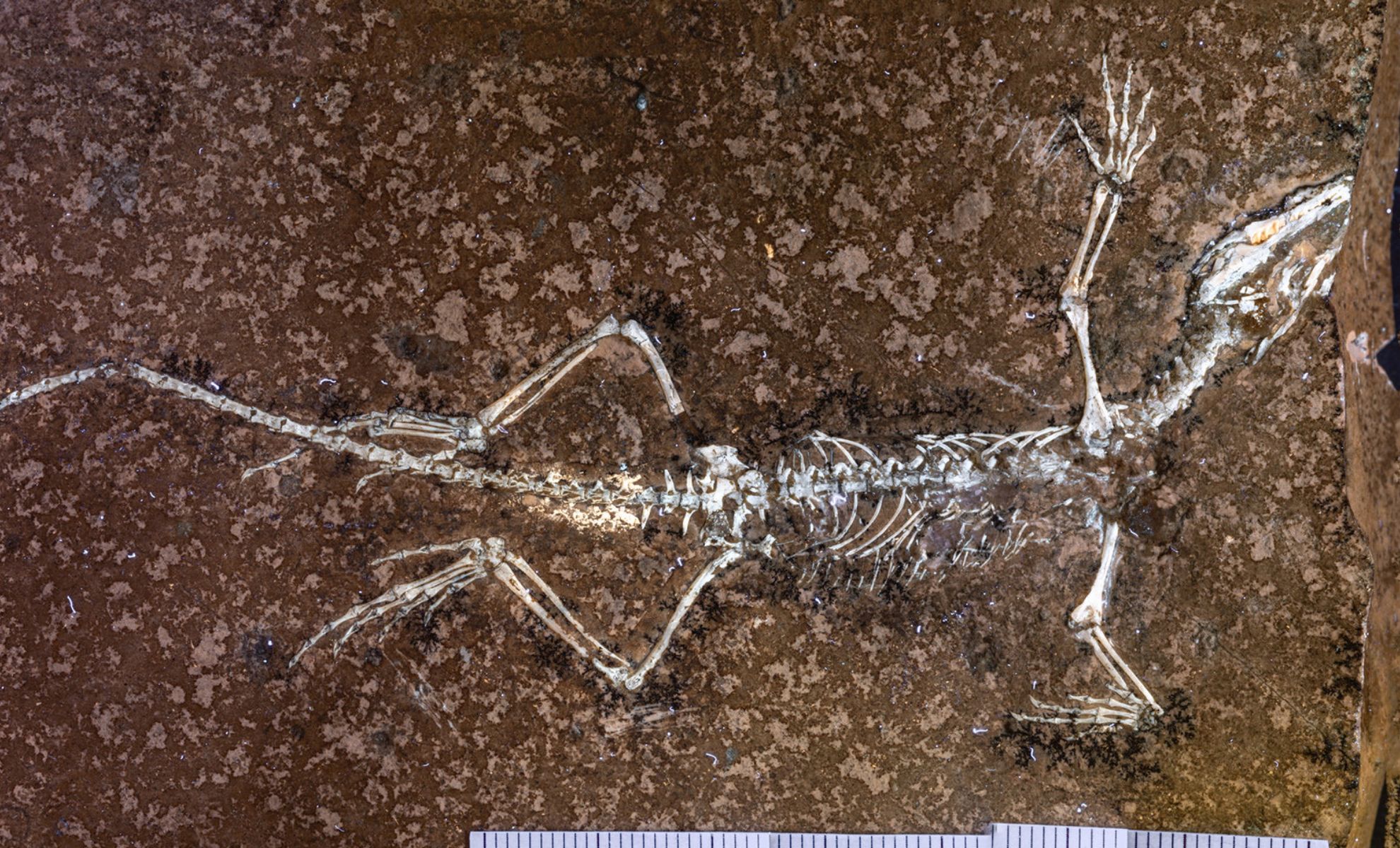
A new discovery of a complete fossil skeleton of the Jurassic tree-climbing reptile Sphenodraco scandentis, found by reuniting two separated fossil halves, provides insights into its arboreal lifestyle and evolutionary history, highlighting its significance as possibly the first true tree-dwelling rhynchocephalian.
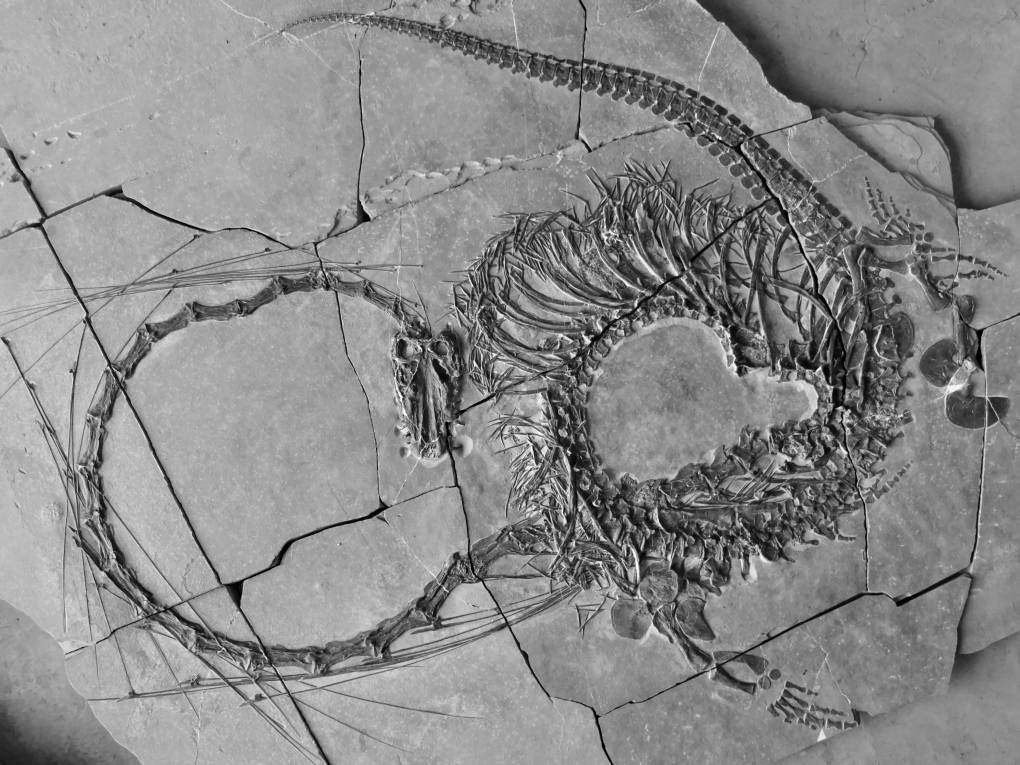
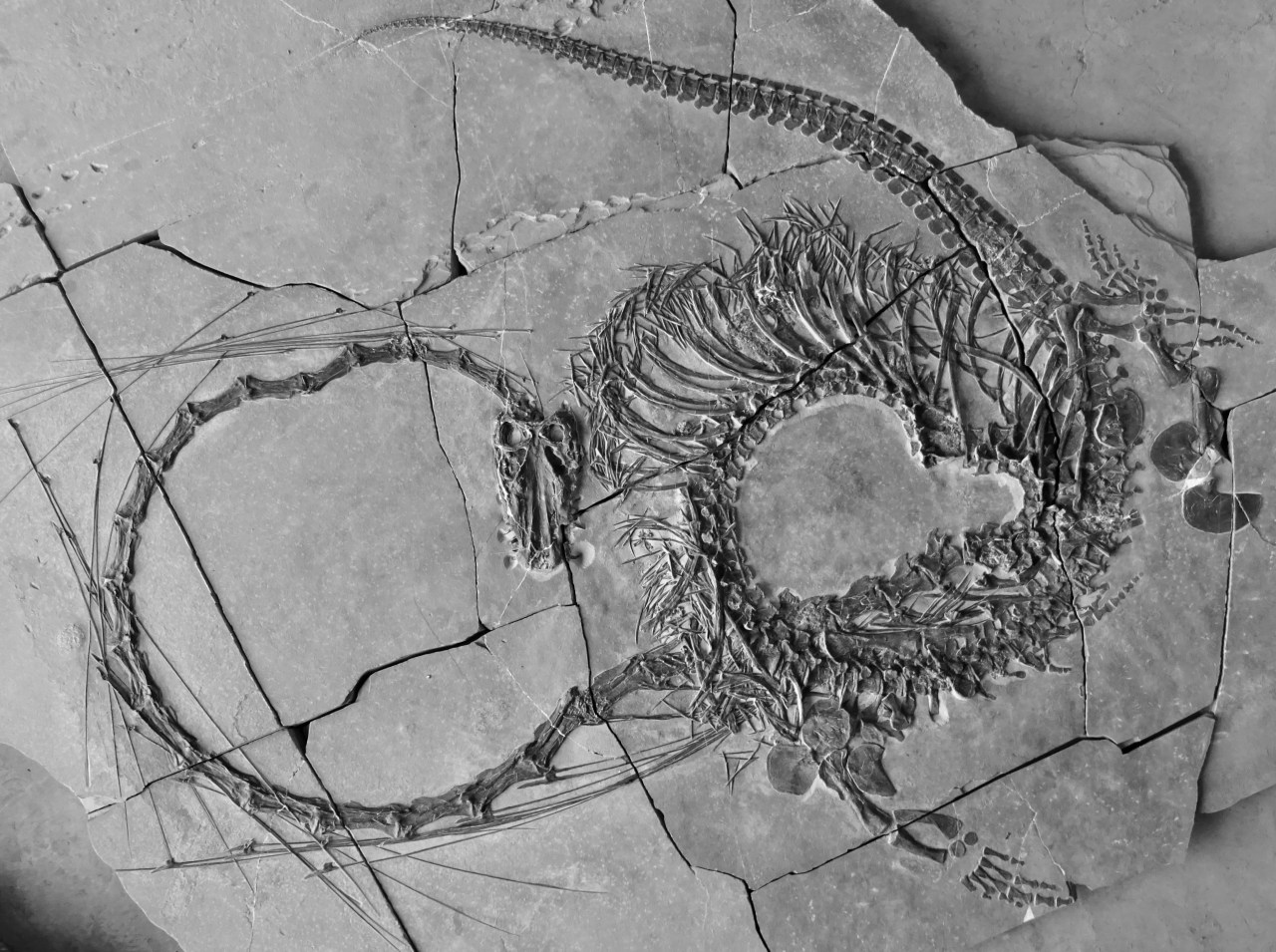
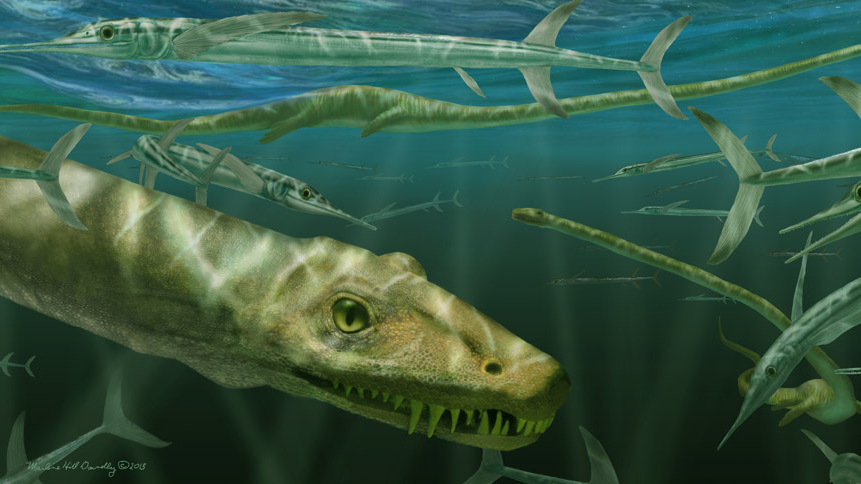
Paleontologists have discovered a 240-million-year-old "dragon" fossil in China, which is about 16 feet long and believed to be adapted to the ocean. The reptile, named Dinocephalosaurus, has a long neck with 32 separate vertebrae, longer than its body and tail combined, and is thought to have played a key role in feeding. The international team of researchers hopes that further study of this remarkable find will shed light on the evolution of this group of animals.
Scientists have revealed images of a 240-million-year-old aquatic reptile fossil, Dinocephalosaurus orientalis, resembling the mythical Chinese Dragon with its long, snake-like features. The fossil, found in China, shows the reptile had a remarkably long neck and torso, making it appear more snake-like than other marine reptiles from the same period. The discovery, made by an international team of researchers, sheds light on the evolution of this group of animals and their adaptation to an oceanic lifestyle.
Paleontologists have discovered a 240-million-year-old fossil of an aquatic reptile, Dinocephalosaurus orientalis, resembling a "Chinese dragon" with a snake-like appearance and an elongated neck. The complete 16-foot-long fossil, found in southern China, has 32 separate vertebrae in its neck, longer than its body and tail combined, and is believed to have been adapted to the ocean. The international team of researchers hopes to further understand the evolution of this prehistoric creature and the function of its remarkably long neck.
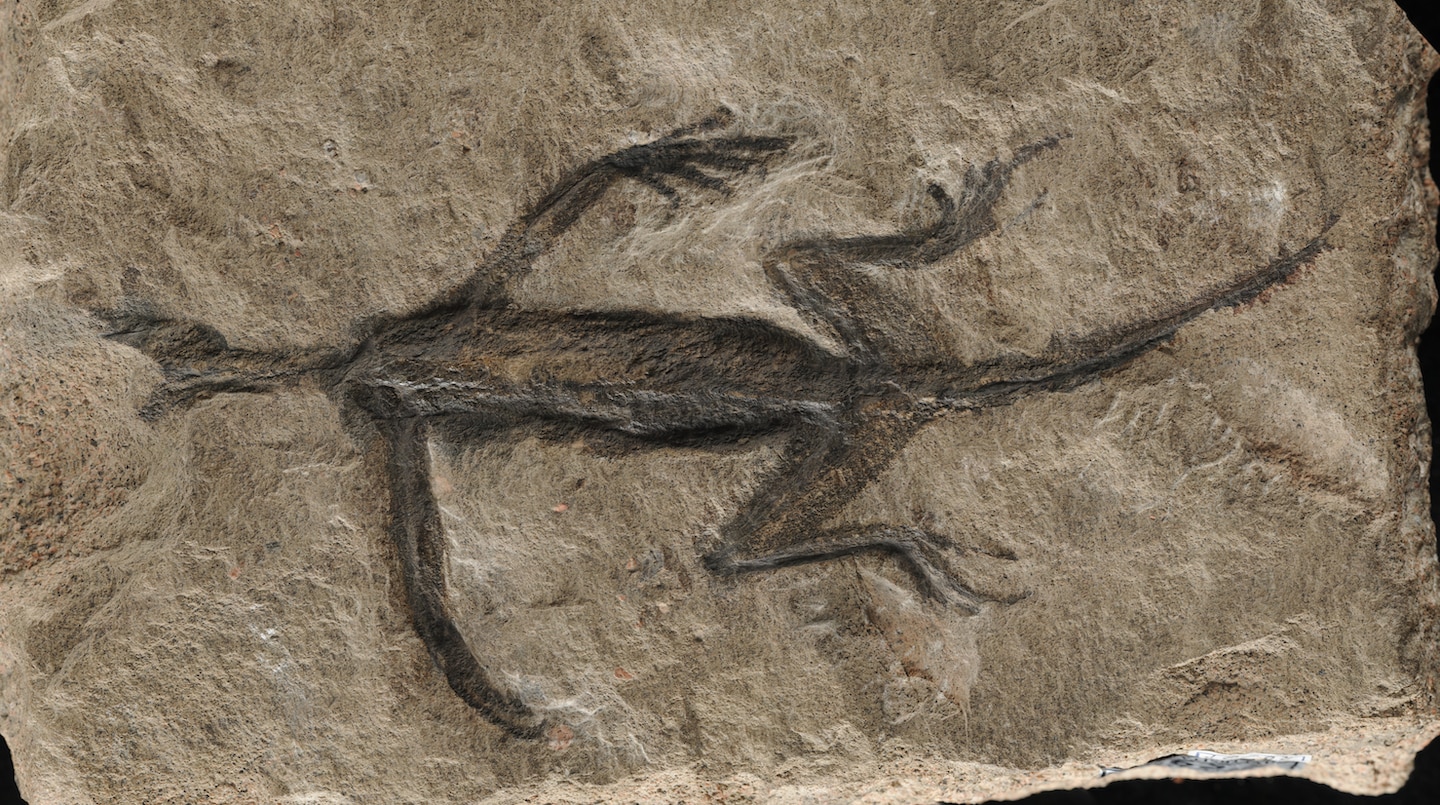
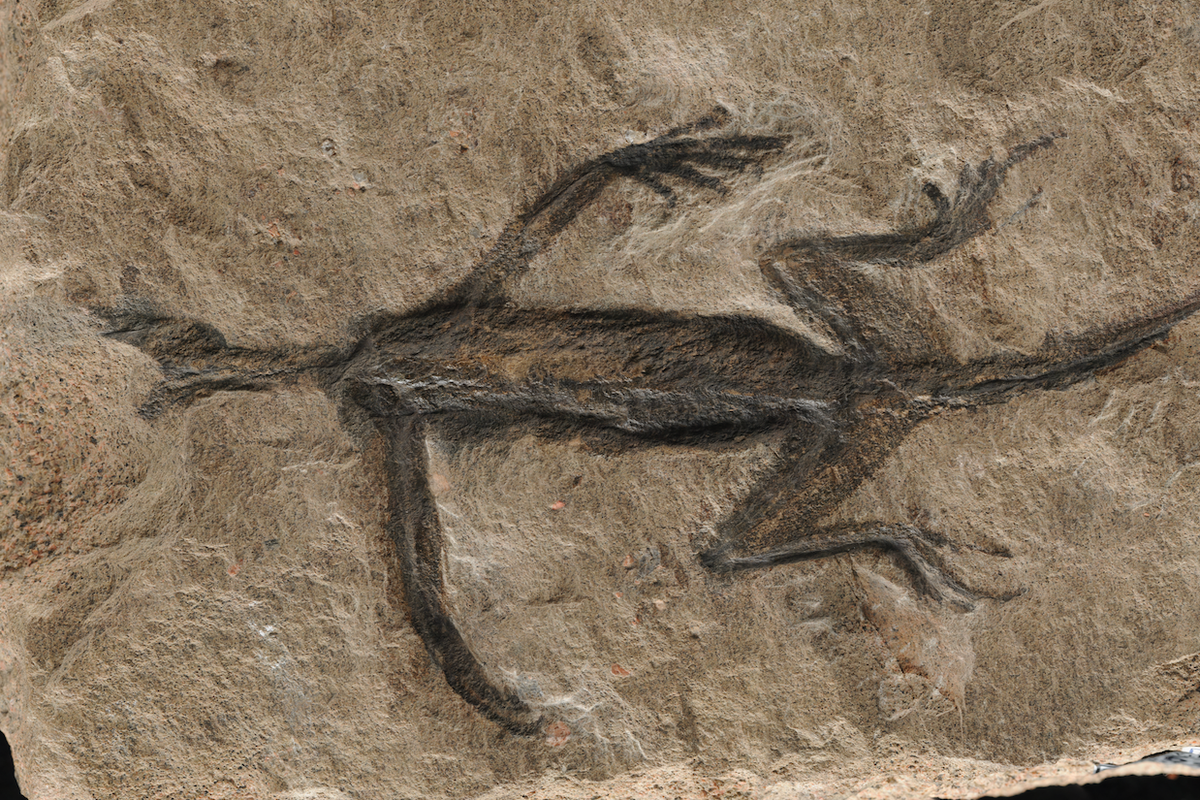
A fossil believed to be a 280 million-year-old reptile species from the Permian period, discovered in the Italian Alps in 1931, has been revealed to be a forgery with most of the reptile's body being black paint applied to preserve a few bones embedded in the rock. The origins of the forgery remain unknown, but researchers hope to uncover the true identity of the animal underneath the paint. This discovery sheds light on the challenges of accurately identifying and preserving ancient fossils, and highlights the need for continued research and technological advancements in the field of paleontology.
Archaeologists have discovered that a 280-million-year-old reptile fossil, known as Tridentinosaurus antiquus, is actually a fake, with its well-preserved soft tissue turning out to be black paint. The lizard-like fossil, found in the Italian Alps in 1931, was believed to be an important discovery shedding light on reptile evolution. However, analysis using UV photography and microscopic examination revealed the presence of a coating material and the texture and composition of the material did not match that of genuine soft tissue fossils. Despite this setback, the researchers noted that the bones of the hindlimbs and femurs appear to be genuine but poorly preserved.