Olivia Rodrigo partnered with the Missouri Abortion Fund to distribute condoms and morning-after pills at her St. Louis concert, championing reproductive health care. She also launched Fund 4 Good, supporting nonprofits prioritizing reproductive rights, girls’ education, and gender-based violence prevention. This move comes amid Missouri's strict abortion laws, and while it has drawn both praise and criticism, experts believe it could energize certain voter bases and increase access to effective birth control in states with abortion bans.
Vice President Kamala Harris made a historic visit to a Planned Parenthood clinic in Minnesota, marking the first time a president or vice president has publicly visited an abortion service provider while in office. Harris highlighted the broader health care services provided by Planned Parenthood and criticized lawmakers who have supported abortion bans. The visit comes as Democrats focus on reproductive care in the 2024 elections, with concerns about abortion restrictions and attacks on Planned Parenthood clinics across the country.
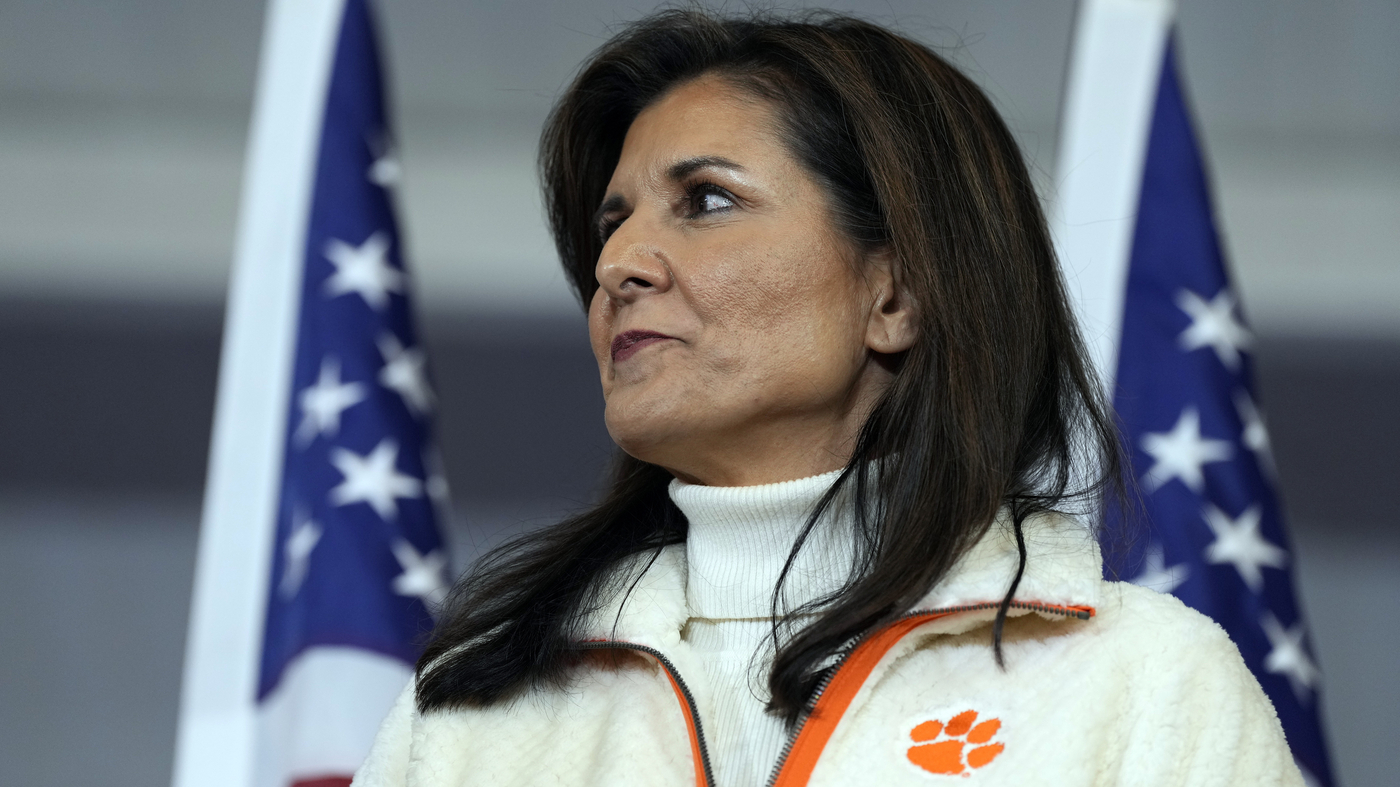
Republican presidential candidate Nikki Haley supports an Alabama Supreme Court ruling that considers frozen embryos as children, potentially impacting in-vitro fertilization (IVF) and reproductive health care. While Haley believes embryos are babies, she also emphasizes the importance of preserving access to fertility treatments for women. The ruling has led to a pause in IVF treatments at Alabama's largest hospital network, prompting concerns about access to care for those struggling with infertility.
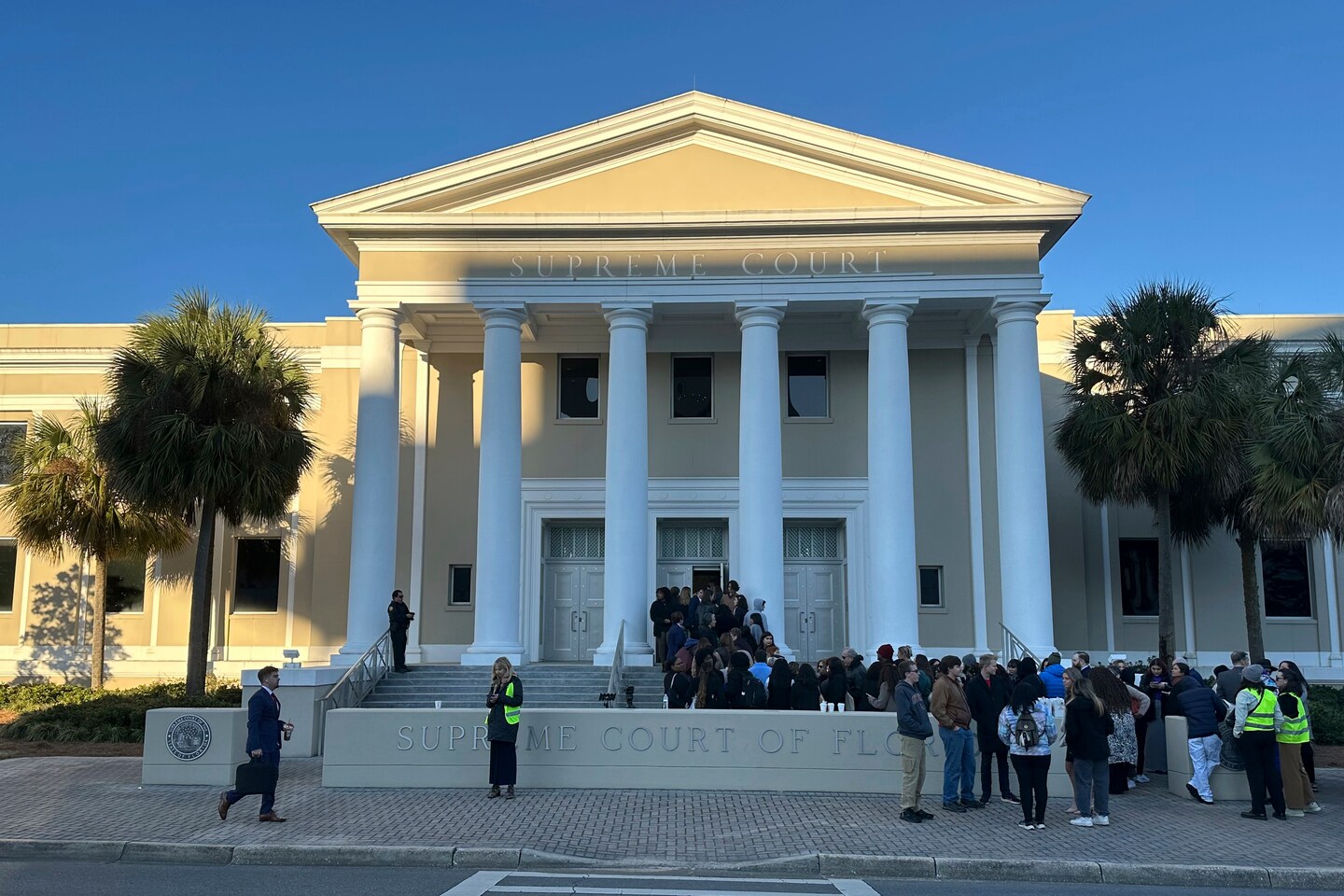
The Florida Supreme Court heard arguments on a proposed amendment enshrining abortion rights in the state Constitution, which has gathered over 1.5 million signatures. The state Attorney General objects to the language and has asked the court to reject it, arguing that it is ambiguous. If passed, the amendment would trump any legislation on abortion, and a 60 percent supermajority would be needed to add it to the constitution. The stakes are high in Florida, where access to abortion could become more difficult, and the court's decision could have significant implications for the state's abortion laws.
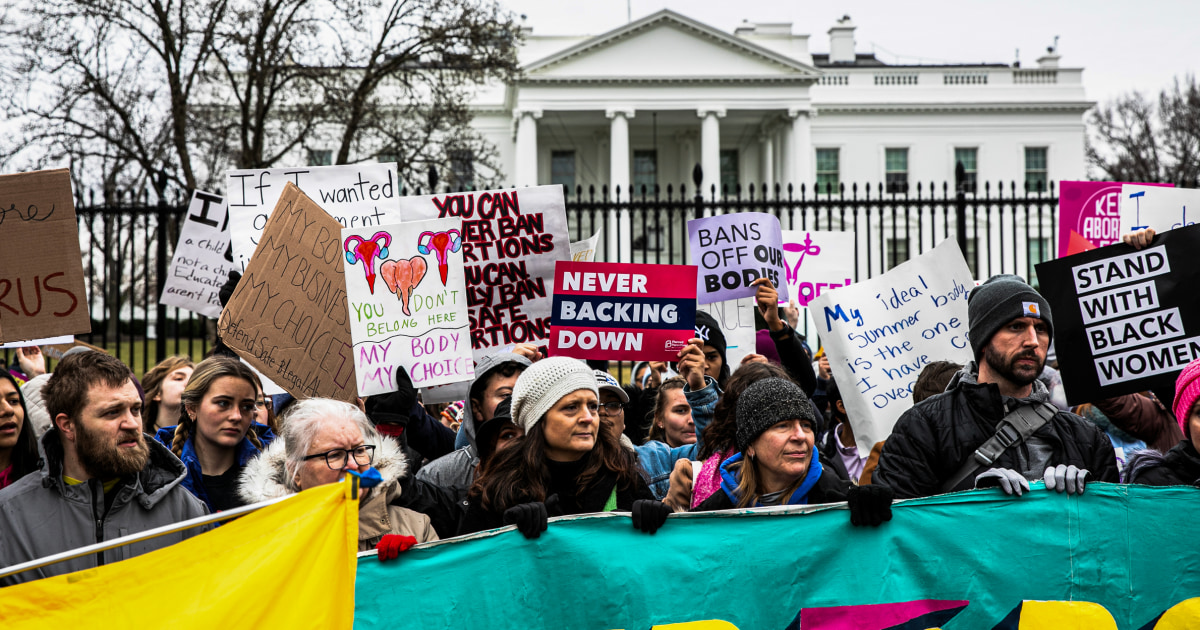
President Biden will convene his Cabinet to discuss abortion rights on the 51st anniversary of the Roe v. Wade ruling, announcing new initiatives to strengthen access to contraception, medication abortion, and emergency medical care. The administration will issue new guidance to expand coverage of FDA-approved contraceptives under the Affordable Care Act, educate patients about their rights, and strengthen access to contraception for federal workers. The Department of Justice is defending the position that emergency care can include abortion care, and the administration plans to make abortion a core part of its strategy in the upcoming election.
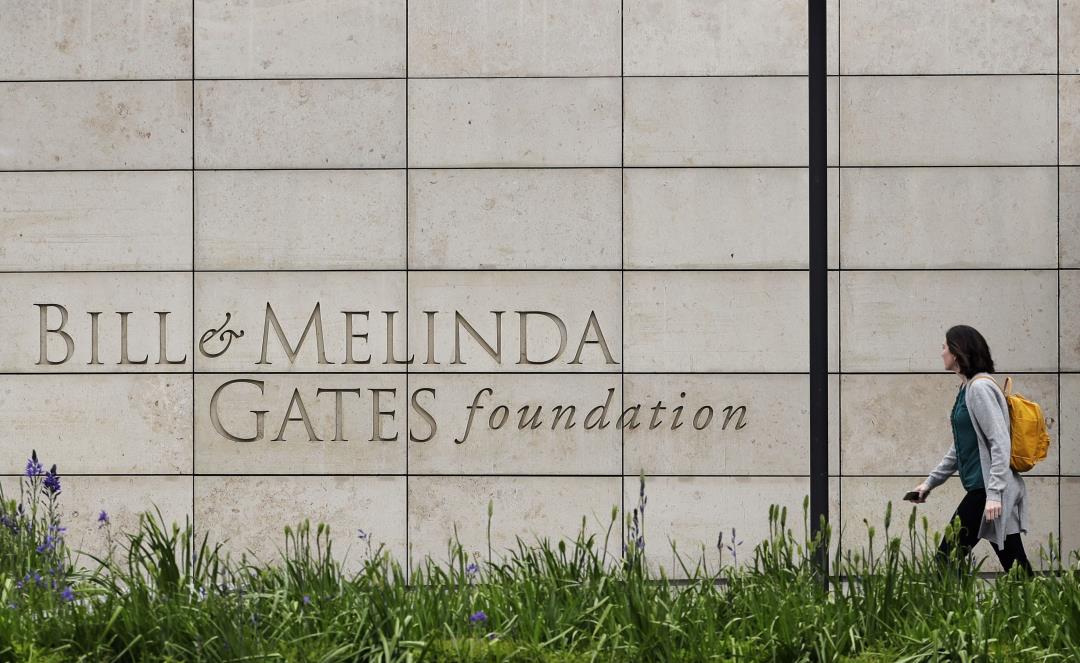
The Bill & Melinda Gates Foundation has pledged $200 million to support reproductive health care, with $100 million each going to health products manufacturer Unitaid and UNFPA, the UN agency for reproductive health. The funding will be used to improve access to health care, contraceptive supplies, and information in low- and middle-income countries. The announcement was made during the foundation's annual Goalkeepers conference, where progress towards the Sustainable Development Goals was discussed. Former President Jimmy Carter and singer Bono were recognized for their contributions to health care initiatives, while the fate of the US President's Emergency Plan for AIDS Relief remains uncertain due to demands from Republican lawmakers.
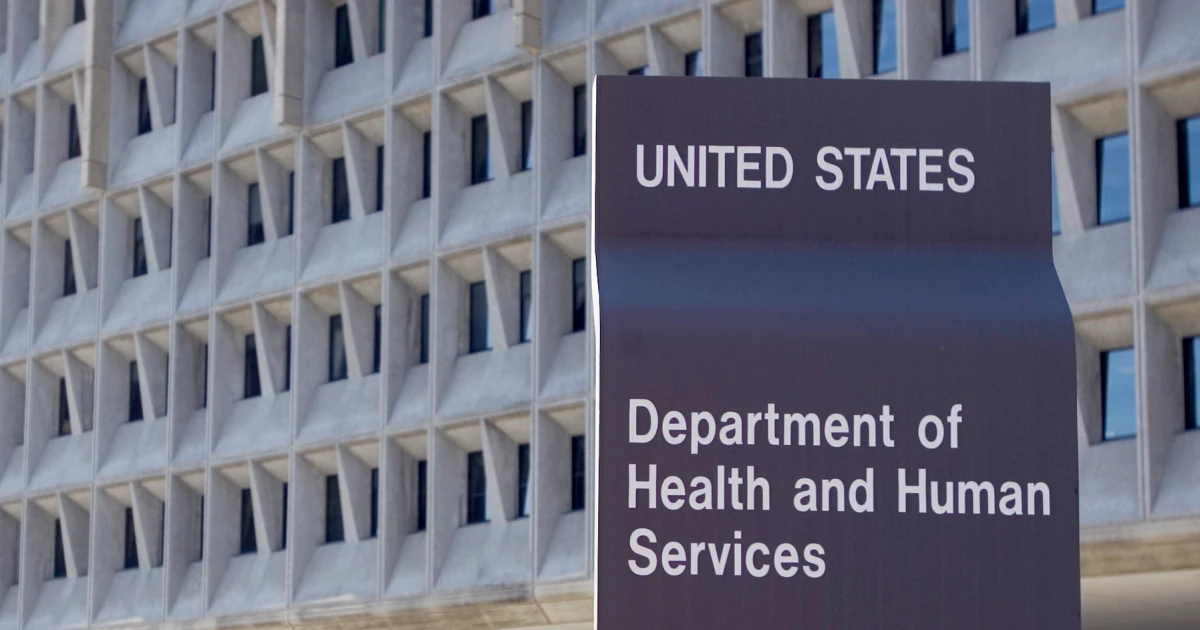
The Biden administration has proposed new health privacy protections to prevent protected health information from being used to investigate or sue people who facilitate abortions. The changes would bolster reproductive health care privacy and strengthen existing privacy rule protections under the Health Insurance Portability and Accountability Act of 1996. The proposed rule would continue to allow a regulated entity such as a health insurance company or provider to use or disclose protected health information "for permissible purposes" under the privacy rule, but not when its primary purpose is to investigate or impose liability on any person for seeking or facilitating lawful reproductive care.