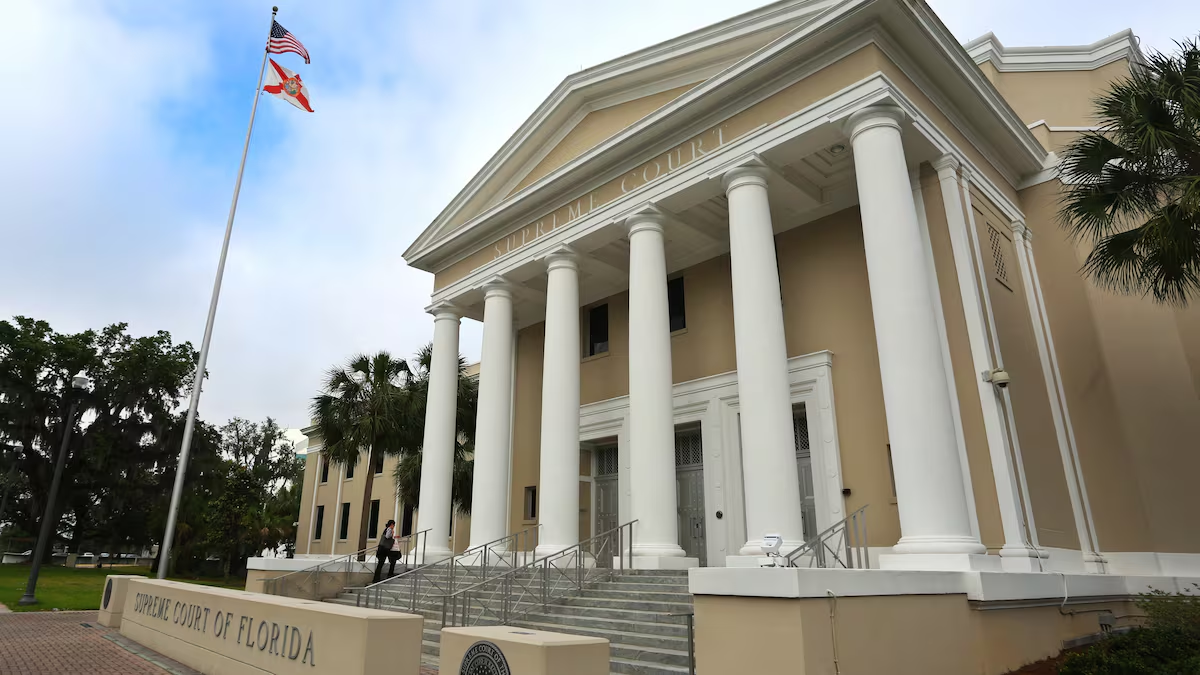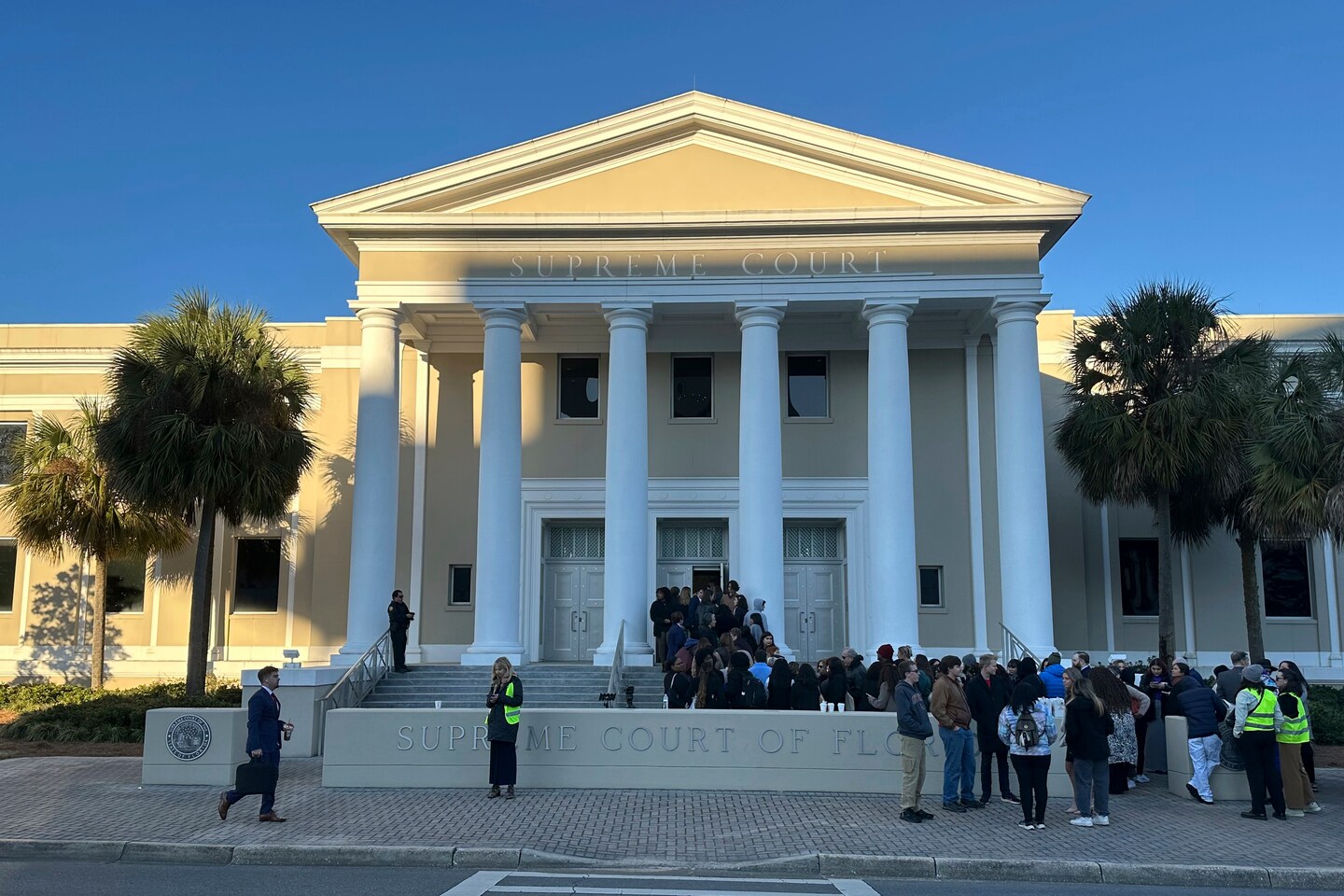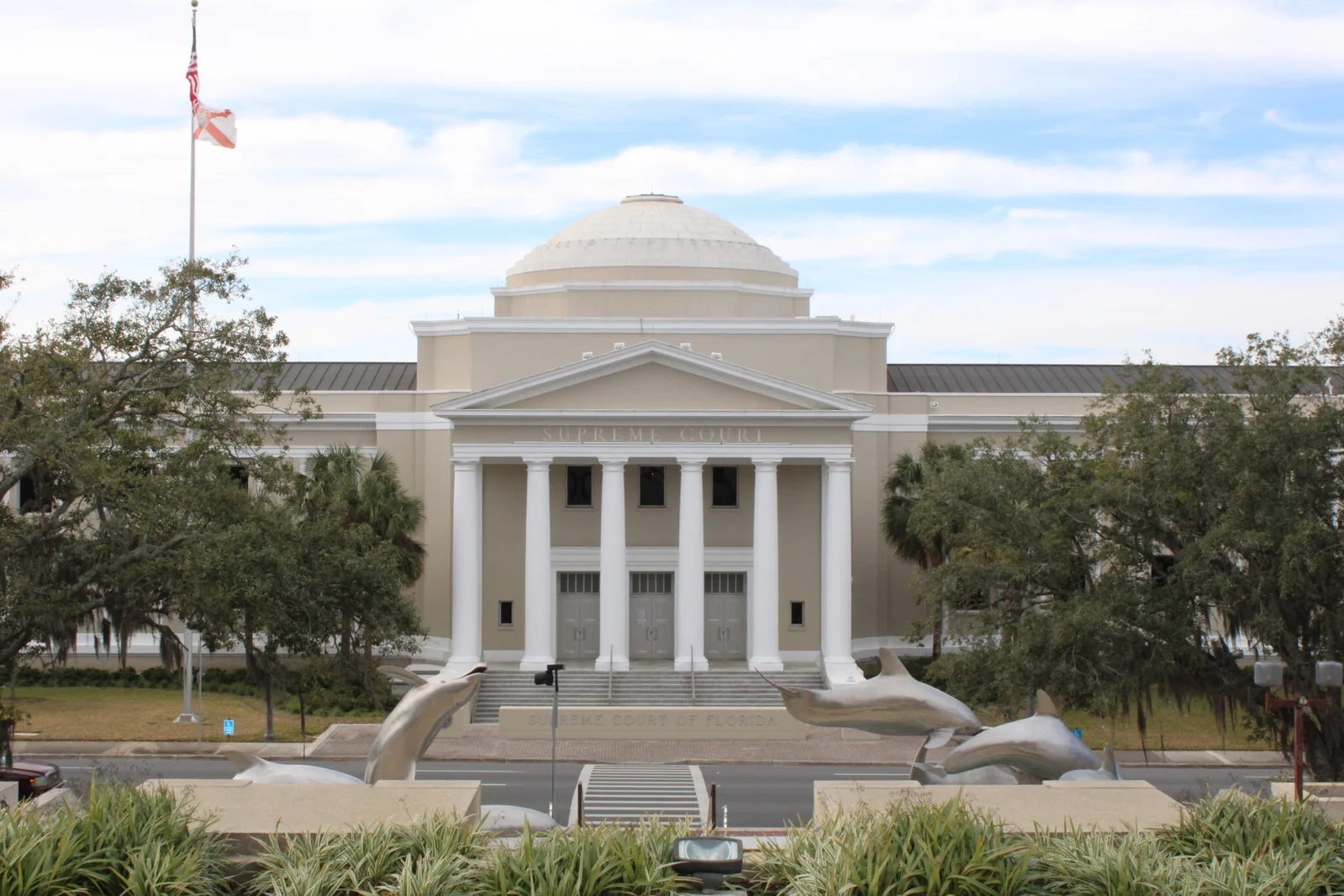
Jared Smith, a former Tampa judge ousted in 2022, did not make the final list for the Florida Supreme Court vacancy, which was filled with candidates sharing conservative judicial philosophies like originalism and textualism, reflecting Governor DeSantis's influence on the court's ideological shift.
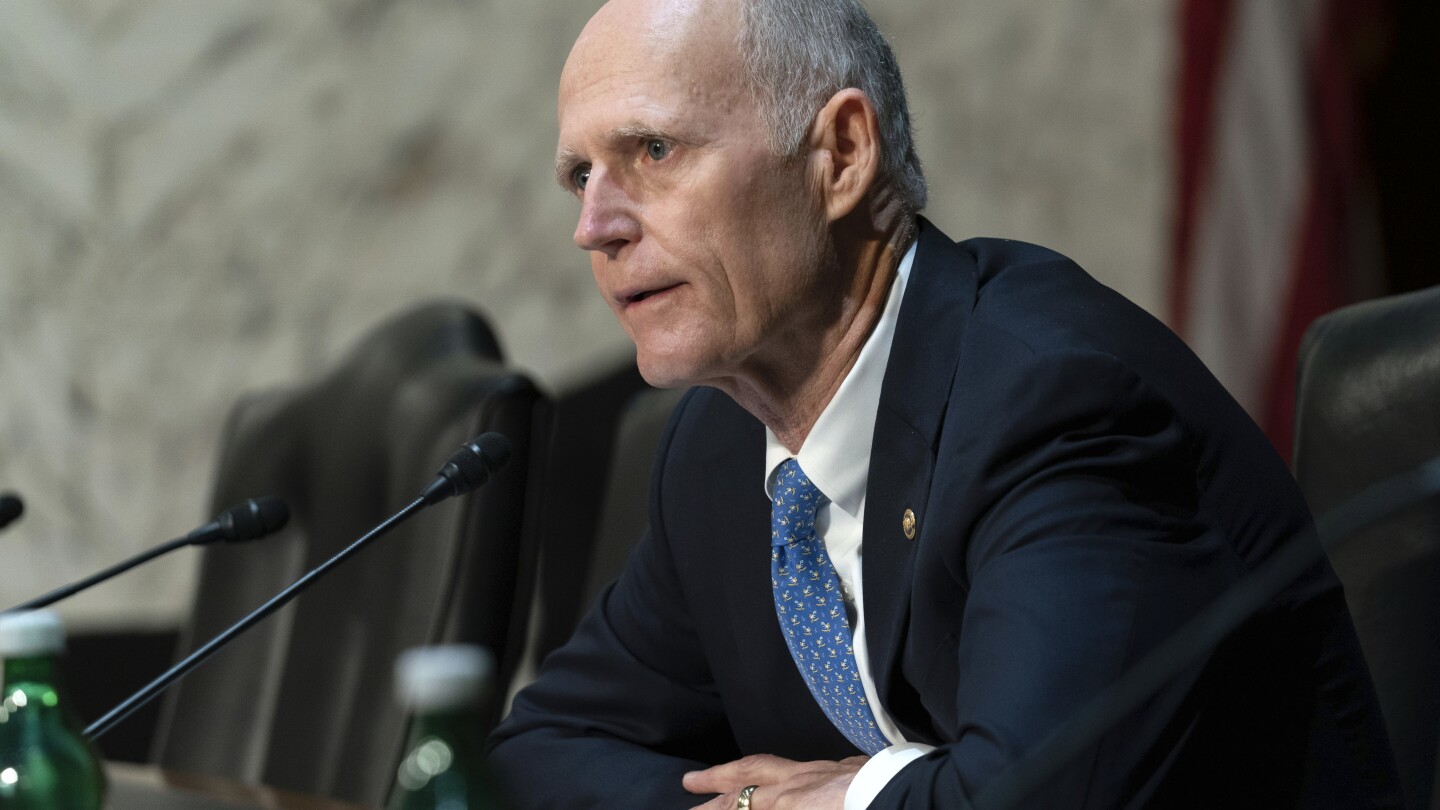
Republican Sen. Rick Scott of Florida, seeking reelection, has softened his stance on abortion, opposing a November ballot initiative to strike down the state’s six-week abortion ban while advocating for states' rights on the issue. This shift follows the Florida Supreme Court's approval of the abortion amendment for the ballot. Democrats are aiming to leverage the abortion issue in their efforts to unseat Scott and other Republicans, with Florida becoming more conservative in recent years. The stakes are high for Scott, flagged as a prime target by national Democrats in their efforts to preserve a narrow majority in the Senate.
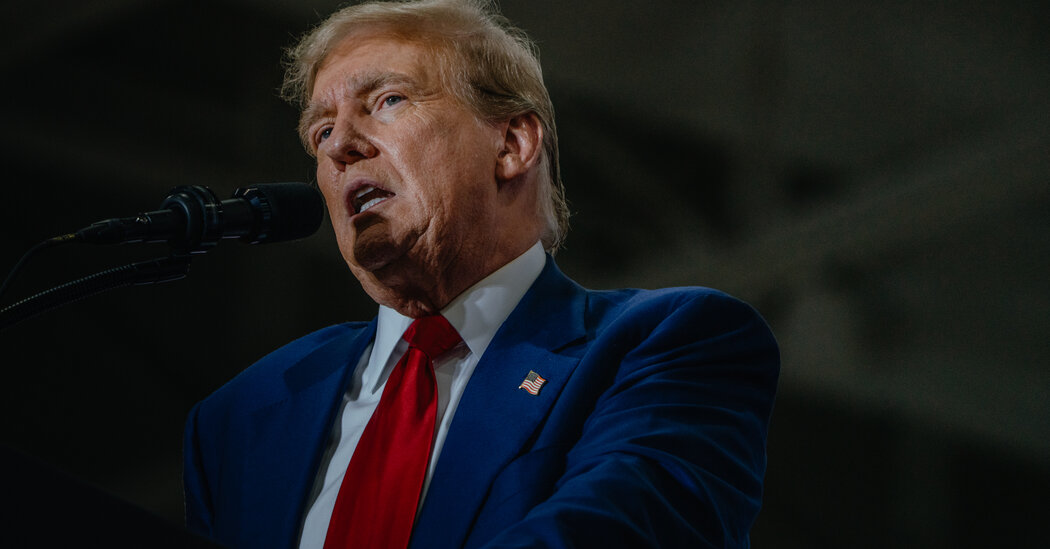
Former President Donald Trump teased that he would address the abortion issue "next week" after two Florida Supreme Court rulings shook up the 2024 campaign in his home state, allowing a strict six-week abortion ban to take effect in May and a proposed constitutional amendment guaranteeing access to abortion "before viability" to be placed on the ballot. Trump, who has previously indicated support for a 15-week federal ban on abortion, avoided discussing the issue during campaign appearances in crucial swing states, but said that a statement on abortion would be made next week.
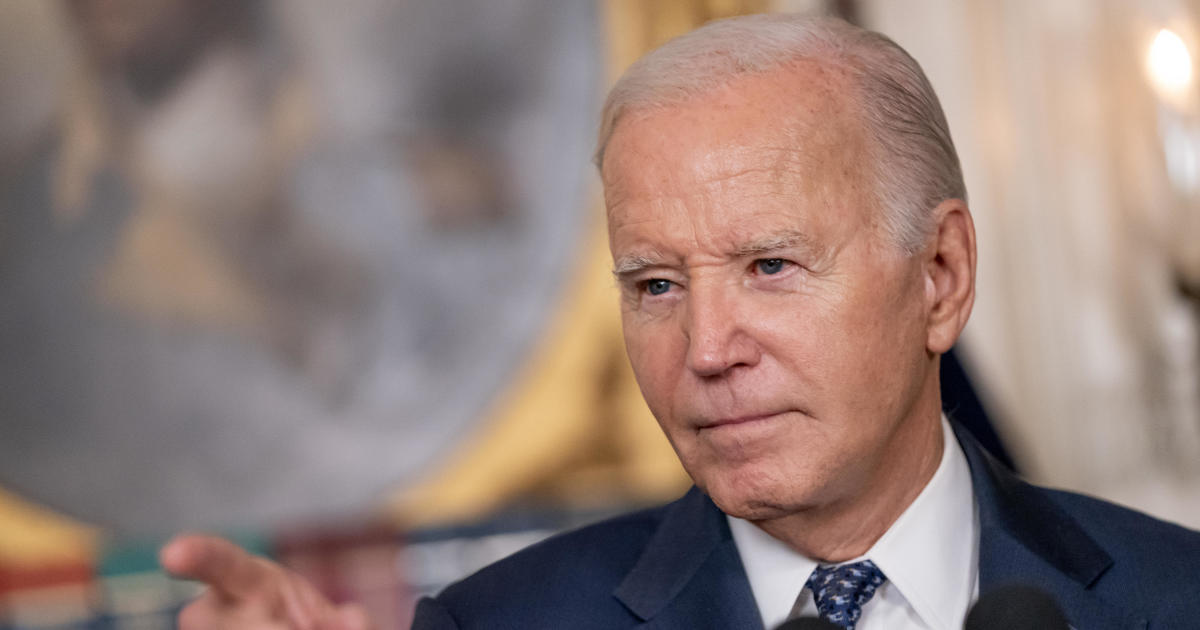
President Biden's reelection campaign has released an ad attacking former President Donald Trump over his role in ending the federal right to an abortion, highlighting Democrats' support for abortion access. The ad aims to make Roe v. Wade the law of the land again and is part of a $30 million advertising effort in major battleground states. Florida's Supreme Court has cleared the way for abortion access to be on the November ballot, and the issue of abortion rights is seen as a potential factor in flipping Florida, which Trump won in 2020. Since the overturning of Roe, Democrats have found abortion rights to be a winning issue, and a majority of voters believe that the overturning of Roe has been bad for the country.
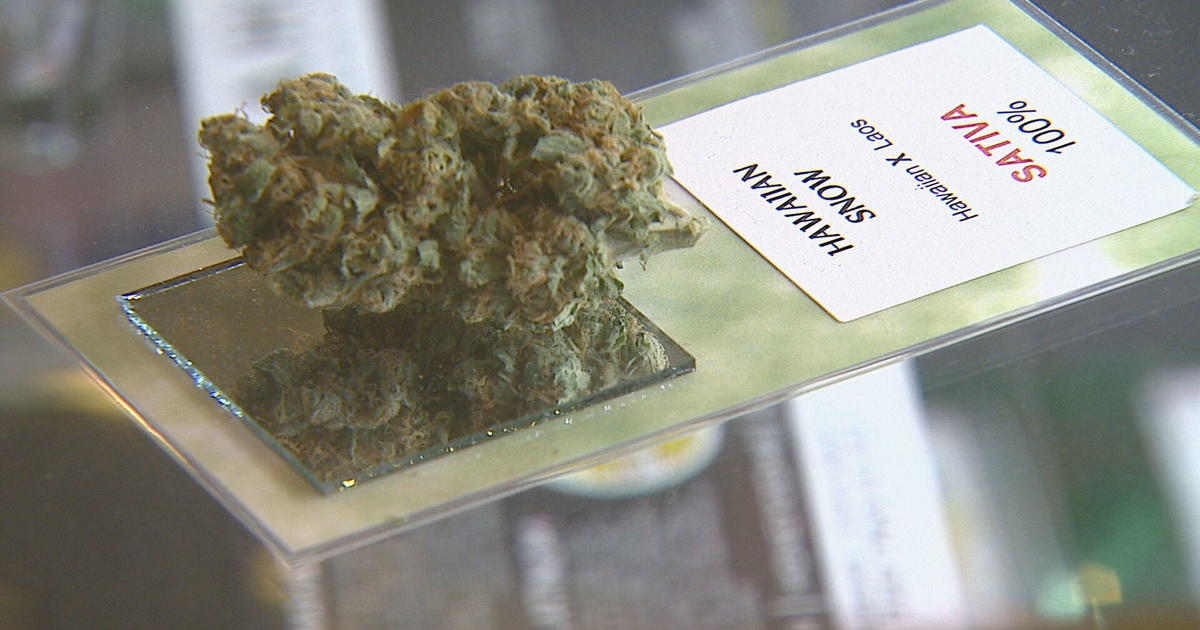
The Florida Supreme Court has approved two proposed amendments to be on the November ballot, one for legalizing recreational marijuana and the other for protecting abortion rights, despite objections from the attorney general. The court upheld a 15-week abortion ban but also allowed an initiative to "limit government interference with abortion" to proceed to the ballot. If approved by 60% of voters, abortion rights will be enshrined in the state constitution. Additionally, the court approved a measure to legalize recreational marijuana for adults 21 and older, allowing companies that grow and sell medical marijuana to sell it for any reason.
The Florida Supreme Court has approved placing a proposed constitutional amendment for recreational marijuana on the November ballot, despite opposition from the state's attorney general. The decision, which was divided 5-2, allows for the potential legalization of recreational marijuana in the state. Proponents of the measure, including Trulieve, the state's largest medical marijuana company, have praised the ruling, while opponents have raised concerns about the broad scope of the proposal. If approved by 60 percent of voters, the amendment would have significant implications for Florida's cannabis industry and its residents.
The Florida Supreme Court has ruled to allow voters to decide on protecting abortion rights and legalizing recreational marijuana in the November ballot, rejecting the state attorney general's arguments against the measures. The proposed amendment on abortion rights would protect the right to an abortion with exceptions, while the recreational marijuana measure would allow companies to sell to adults over 21 and legalize personal use. The rulings could impact the upcoming elections and motivate more Democrats to vote, while drawing criticism from Republican Governor Ron DeSantis.
The Florida Supreme Court has ruled to allow a proposed ballot measure, Amendment 4, which would limit government intervention in abortion procedures, to appear on the November ballot, while also upholding Florida's 15-week abortion ban. The court's decision paves the way for the six-week "heartbeat" ban signed by Gov. Ron DeSantis to go into effect, making Florida less permissive than neighboring states. Planned Parenthood's challenge to the law based on Florida's privacy protections was rejected by the court. Amendment 4, introduced by Floridians Protecting Freedoms, seeks to allow abortions before viability while still requiring parental notification for minors. If passed with 60% support, it will supersede the six-week ban.
The Florida Supreme Court did not issue rulings on proposed amendments for abortion rights and recreational cannabis, frustrating hopes for clarity on their potential placement on the November ballot. The court's failure to release opinions on Thursday, the typical day for such releases, has heightened uncertainty as the April 1 deadline approaches. The proposed abortion amendment aims to limit government interference with abortion, while the recreational cannabis amendment seeks to allow adult use of cannabis. Legal challenges and arguments from both sides have added to the anticipation surrounding these crucial decisions.
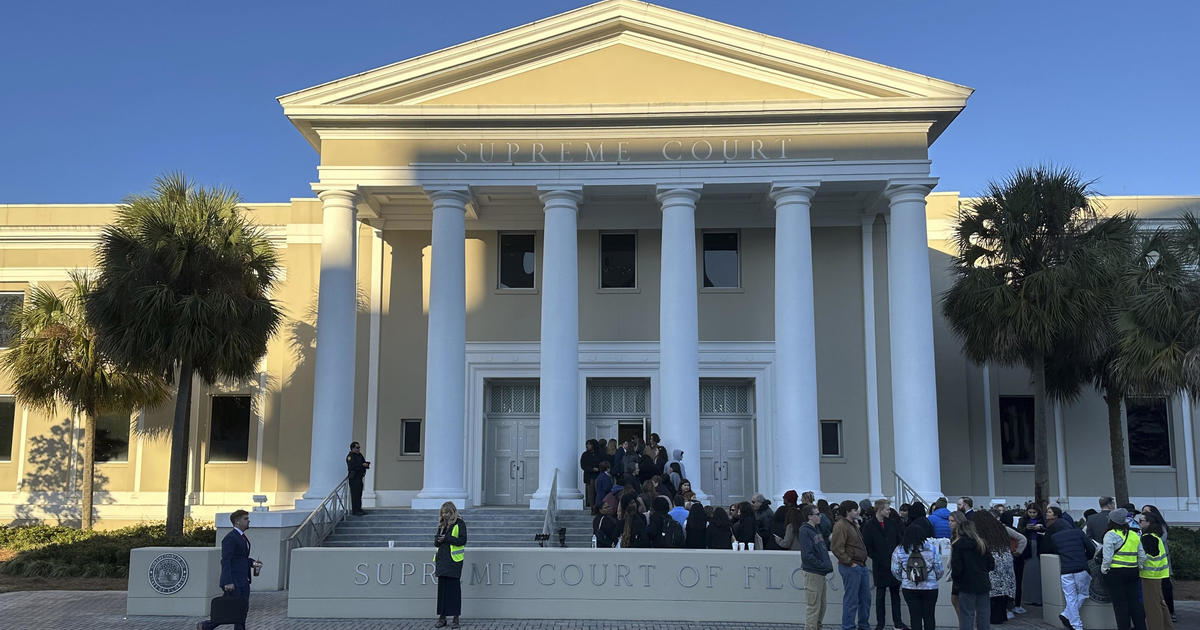
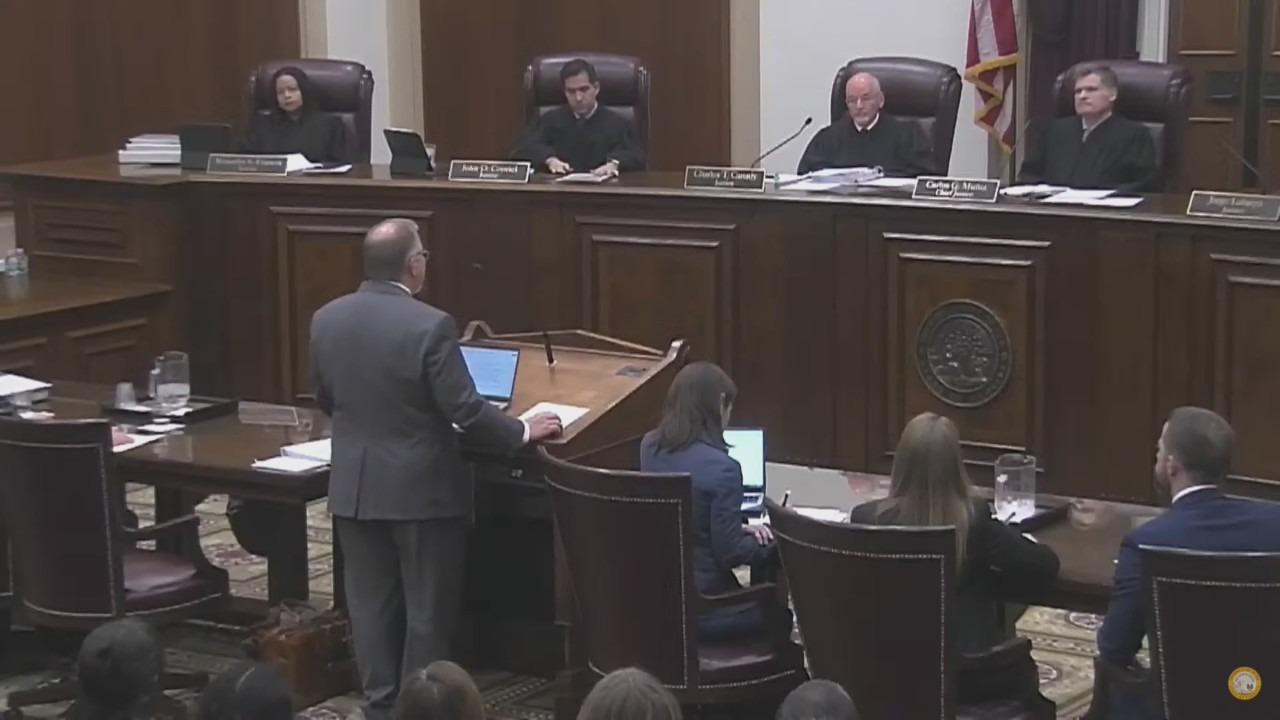
The Florida Supreme Court heard arguments over a proposed constitutional amendment that would enshrine abortion rights in the state constitution, with conservatives challenging the ballot language as misleading. The court, largely appointed by Republican Gov. Ron DeSantis, raised tough questions about the proposed amendment's language, expressing concerns about its reach and clarity. The proposed amendment would bar restrictions on abortion before fetal viability, potentially undoing the state's current bans, and is part of a broader national effort to put abortion rights directly in the hands of voters in 2024.
The Florida Supreme Court heard oral arguments regarding a proposed abortion rights amendment, Amendment 4, which seeks to enshrine the right to abortion in the state constitution. The state's attorney general argued that the ballot summary is misleading, while proponents emphasized the importance of democratic decision-making. Justices expressed concerns about voter understanding and the potential legislative impacts of the amendment. The court's ruling could have significant implications for abortion rights in Florida and the surrounding region.
The Florida Supreme Court heard arguments on a proposed amendment enshrining abortion rights in the state Constitution, which has gathered over 1.5 million signatures. The state Attorney General objects to the language and has asked the court to reject it, arguing that it is ambiguous. If passed, the amendment would trump any legislation on abortion, and a 60 percent supermajority would be needed to add it to the constitution. The stakes are high in Florida, where access to abortion could become more difficult, and the court's decision could have significant implications for the state's abortion laws.
The Florida Supreme Court has ruled that Marsy's Law, a constitutional amendment that grants rights to crime victims, does not guarantee anonymity for police officers involved in deadly force incidents. The court's decision, which was hailed as a victory for government transparency and the First Amendment, came after a legal battle over the release of the names of two Tallahassee police officers who fatally shot armed suspects. The court concluded that Marsy's Law does not provide a categorical right for victims, including police officers, to withhold their names from disclosure. The ruling has significant implications for police accountability and access to information in the state.
The Florida Supreme Court is questioning the justification behind Florida Power & Light's rate hikes, raising concerns about the utility company's reasoning for increasing prices.
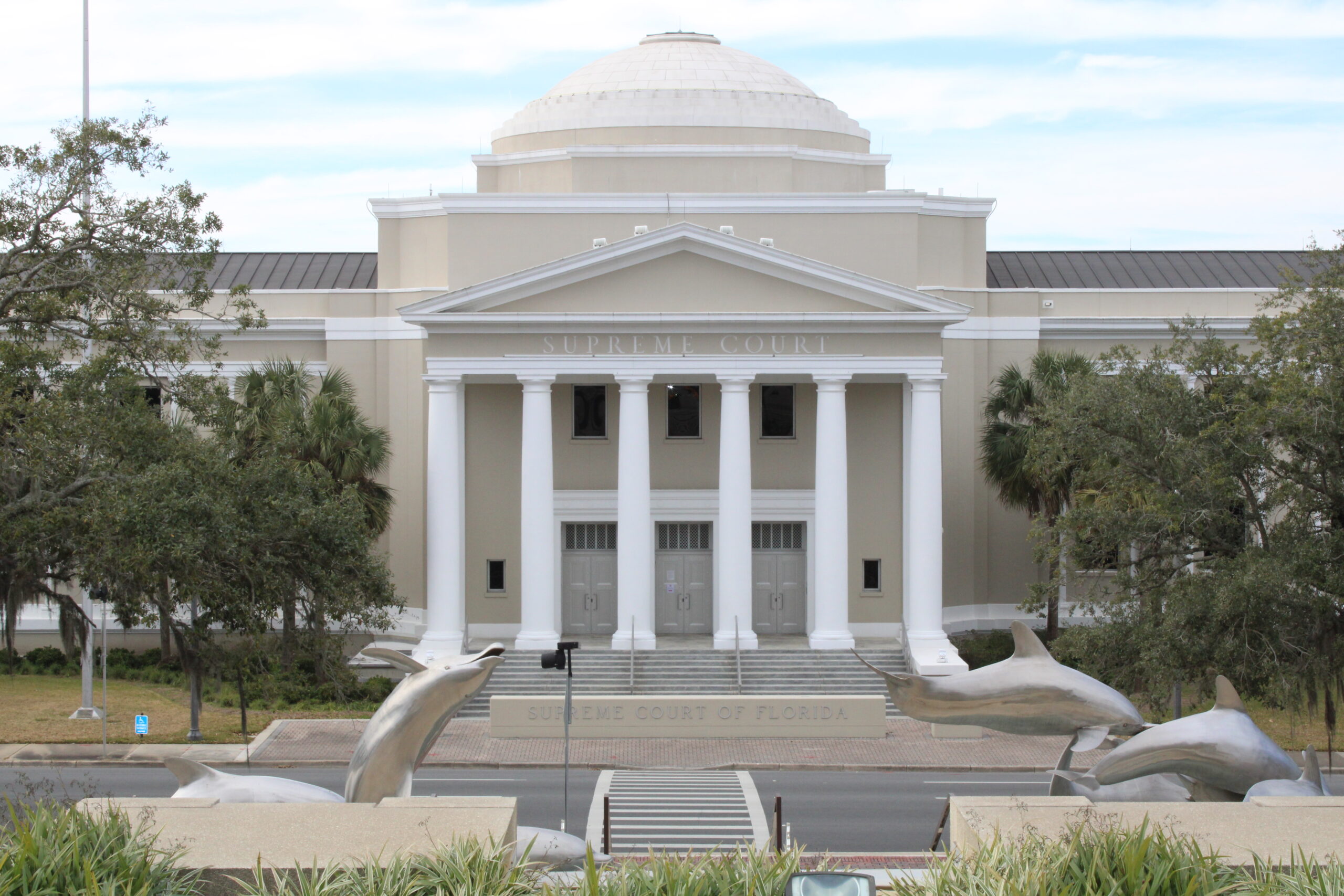
Abortion-rights supporters in Florida are bracing for potential restrictions on abortion access as the state Supreme Court, reshaped by Governor Ron DeSantis, prepares to weigh the constitutionality of the state's 15-week abortion ban. Many expect the conservative-leaning court to uphold the ban, which provides no exceptions for victims of rape or incest. If the ban is upheld, a stricter six-week abortion ban signed by DeSantis earlier this year will go into effect. Abortion-rights advocates are already shifting their focus to a campaign for a constitutional amendment to protect abortion access, but they anticipate a long and challenging process.