The Boston Foundation's annual report indicates that housing prices and rents in Greater Boston continue to rise sharply, making homeownership increasingly unaffordable for middle-class residents.
Despite overall inflation easing, housing costs have remained high, posing a challenge for the Federal Reserve as it considers interest rate adjustments. While private-sector data suggests that rents have been moderating, government data still shows housing inflation persisting, impacting inflation calculations and the Fed's target of 2 percent. The combination of rising housing prices and high interest rates has exacerbated the housing affordability crisis, affecting both renters and homebuyers.
A report from Harvard's Joint Center for Housing Studies reveals that homelessness in the U.S. surged in 2023, with approximately 653,000 people experiencing homelessness, marking the largest single-year increase on record. The rise in homelessness is attributed to soaring rents, which have outpaced worker wage gains, leaving many households spending between 30% and 50% of their income on housing. The expiration of pandemic relief and increasing rental prices have contributed to the spike in housing insecurity, particularly affecting states such as Arizona, Ohio, Tennessee, and Texas.
Despite record home prices, economists predict that housing will contribute to a decrease in inflation in 2024, as cooling rents act as a downward pressure. Shelter remains the biggest obstacle in the fight against inflation.
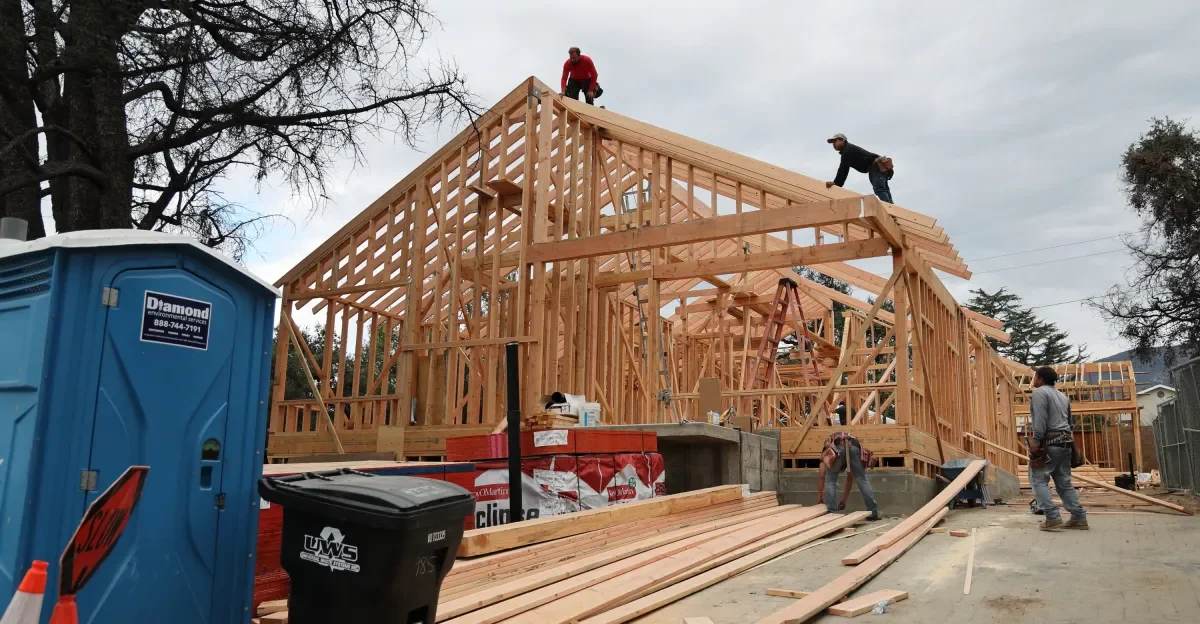
Rents across the United States are starting to decrease as construction booms, providing relief for tenants. Redfin reported that median asking rents fell 2.1% in November compared to the previous year, the steepest decline since February 2020. The increase in rental construction during the pandemic has led to a surplus of available homes for rent, pushing prices lower. However, official government data from the Bureau of Labor Statistics shows rents continuing to increase due to the way rent is calculated. Despite this, experts believe that the ongoing construction will eventually lead to more favorable conditions for renters in the coming years.
Mortgage rates have reached a 22-year high, with the average 30-year fixed-rate mortgage at 7.23%, according to Freddie Mac. The resilient U.S. economy has led to soaring borrowing costs, exacerbating affordability challenges for homebuyers and slowing home sales. As a result, the number of all-cash buyers has increased. On the other hand, rents have decreased for a third consecutive month, providing some relief for renters and potentially allowing first-time buyers to wait out the expensive housing market.
Realtor.com has revised its previous housing market predictions and now expects a dip in home prices and rents. The company predicts a 0.6% drop in average home list prices and a 0.9% dip in rents this year, reversing its earlier forecast for a 5.4% year-over-year rise in 2023 and a 6.3% rise in rents. However, the downgraded outlook does not signal a major wave of relief as home costs are still expected to be higher for buyers in 2023 due to mild and not universal home price declines.
Realtor.com has revised its housing market predictions and now expects a dip in home prices and rents, with a 0.6% drop in average home list prices and a 0.9% dip in rents this year. The initial 2023 forecast, which predicted a 5.4% year-over-year rise in home prices, has been downgraded to a 0.6% dip. However, home costs are still expected to be higher for buyers in 2023, as home price declines are mild and not universal. Realtor.com also downgraded other 2023 predictions, including a 5% drop in housing inventory and a 15.8% fall in home sales.
The metaverse, once a buzzy obsession of the tech world, has died due to a lack of coherent vision and the rise of generative artificial intelligence. Rents are still high despite people leaving urban centers during the pandemic because people got sick of living with each other. BlackRock is wrestling with who could succeed Larry Fink, and Microsoft instructed managers to give fewer "exceptional rewards" in a leaked email. Insider won in seven categories at the New York Press Club Awards.
Big money investors pumped billions into buying up apartment buildings during the pandemic era, based on the assumption that rents would continue to increase. However, rents are flatlining and expenses are increasing, leaving landlords to face big losses. Some of the most speculative investment deals were done with mortgages shoveled into a riskier part of the securitized-loan market known as commercial-real-estate collateralized loan obligations, or CRE CLOs, which could lead to delinquency rates increasing. Falling property prices have compounded the problems for investors, and as short-term debts come due, they will be difficult to swap with commensurately sized loans today, because of the falling values, higher interest rates, and lender caution.
Investors who bought apartment buildings during the pandemic era based on the assumption that rents would continue to increase are facing big losses as rents stagnate and expenses rise. The problem could worsen as more mortgages expire at properties where fix-and-flip strategies have stalled, throwing a growing number into default. Some of the most speculative investment deals were done with mortgages shoveled into a riskier part of the securitized-loan market known as commercial-real-estate collateralized loan obligations, or CRE CLOs, which could lead to an uptick in delinquency rates. Falling property prices have compounded the problems for investors, and as short-term debts come due, they will be difficult to swap with commensurately sized loans today, forcing landlords to pour in millions of dollars to pay the difference.
Billionaire investor Barry Sternlicht predicts that inflation will drop hard, citing falling rents as the reason. He believes that there is a lag in the way the government reports rental data, but if corrected, it will show up later. Shelter is one-third of CPI, so if corrected, it will bring headline inflation down, and it will likely happen in the late summer and early fall. Sternlicht argues that even though inflation is falling, the US is going into a serious recession.