Amid increased US immigration crackdowns under Trump, Hondurans in the US are sending more money home than ever, driven by fear of detention and deportation, which has also impacted illegal migration and smuggling activities.
The US immigration crackdown is disrupting global remittance flows, which are vital for the economies of many developing nations, especially in Central America, potentially causing significant economic harm as remittances decline due to reduced immigration and deportations.
Bitcoin faces selling pressure following the debut of spot exchange-traded funds in the U.S., with Binance traders leading the pullback. Hong Kong-based HashKey Group meets its $100 million fundraising target, reaching a valuation of $1.2 billion. Circle reports a surge in remittances flowing through Asia via its USDC stablecoin, highlighting its use beyond speculative trading. The Asia-Pacific region accounts for 29% of global digital currency value received, with remittance transfers being a significant factor.
Mexico's poverty rate has decreased from 49.9% in 2018 to 43.5% in 2022, with 5.7 million fewer people living below the poverty line. President Andrés Manuel López Obrador's increase in the minimum wage and the rise in remittances, which almost doubled from $33.5 billion in 2018 to $60 billion in 2023, have contributed to this decline. However, extreme poverty and money problems related to healthcare have increased slightly. The effectiveness of government programs in helping the poorest Mexicans remains uncertain.
Mexico's poverty rate has decreased from 49.9% in 2018 to 43.5% in 2022, with 5.7 million fewer people living below the poverty line. President López Obrador's increase in the minimum wage and the rise in remittances sent by Mexicans working abroad have contributed to this decline. However, extreme poverty has slightly increased, affecting 7.1% of the population. The number of people reporting financial difficulties related to healthcare has also risen, potentially due to healthcare system restructuring and the impact of the COVID-19 pandemic.
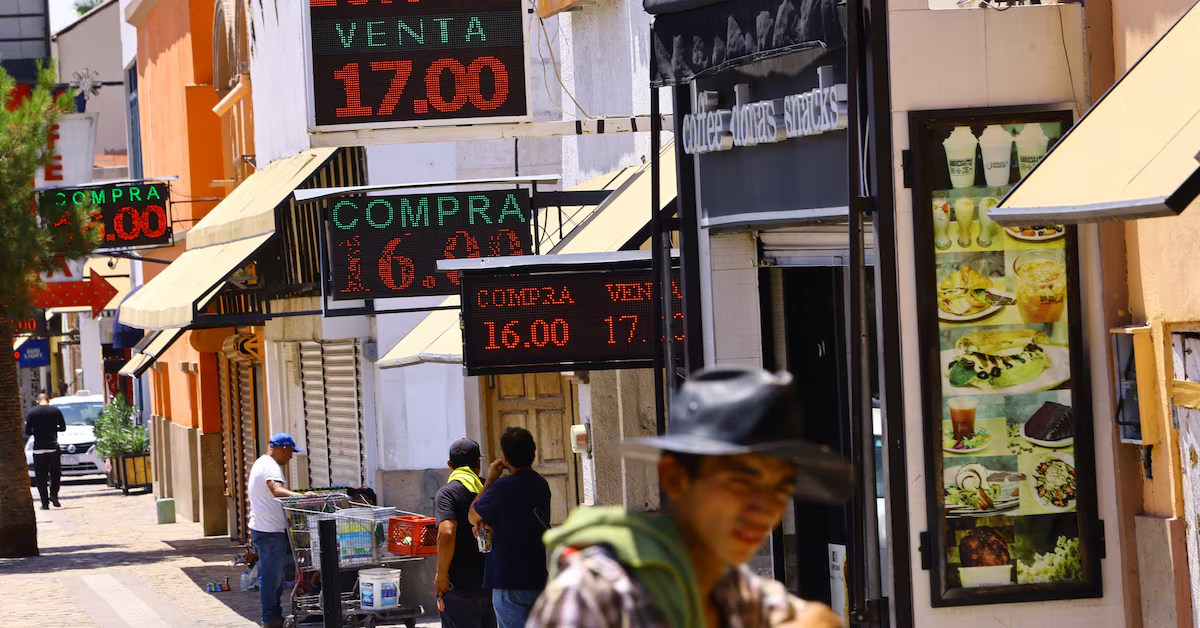
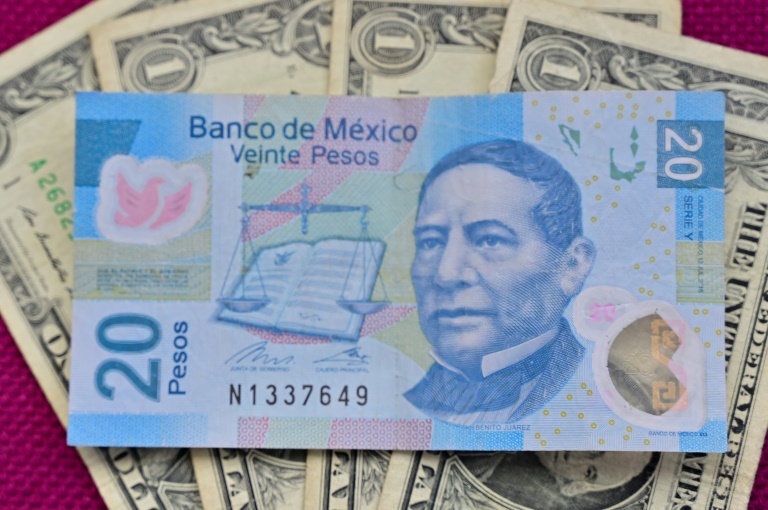
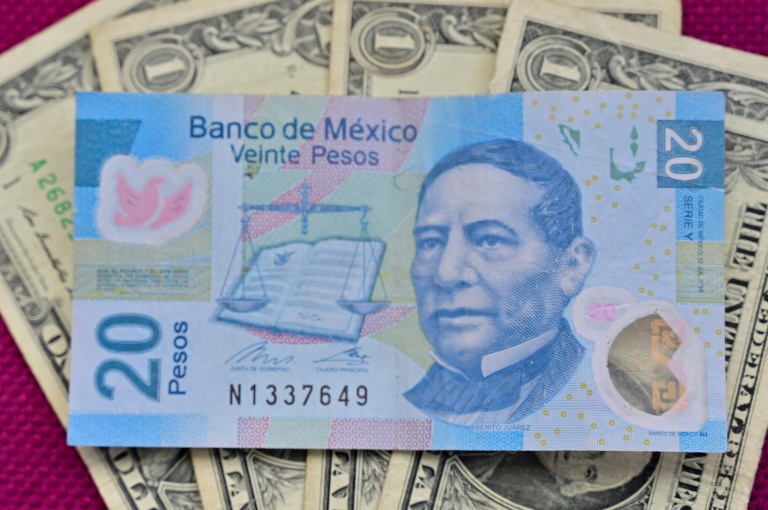
The appreciation of the Mexican peso against the US dollar is reducing the value of remittances sent from the US, causing concerns for Mexican families who rely on this income. The peso has risen by over 14% against the dollar this year, making the dollars sent from the US less valuable. This is particularly impacting low-income families, as the purchasing power of remittances has deteriorated due to peso appreciation. Despite rising inflation, remittances to Mexico are still increasing, suggesting that some Mexicans are sending more money to offset the effects of inflation.
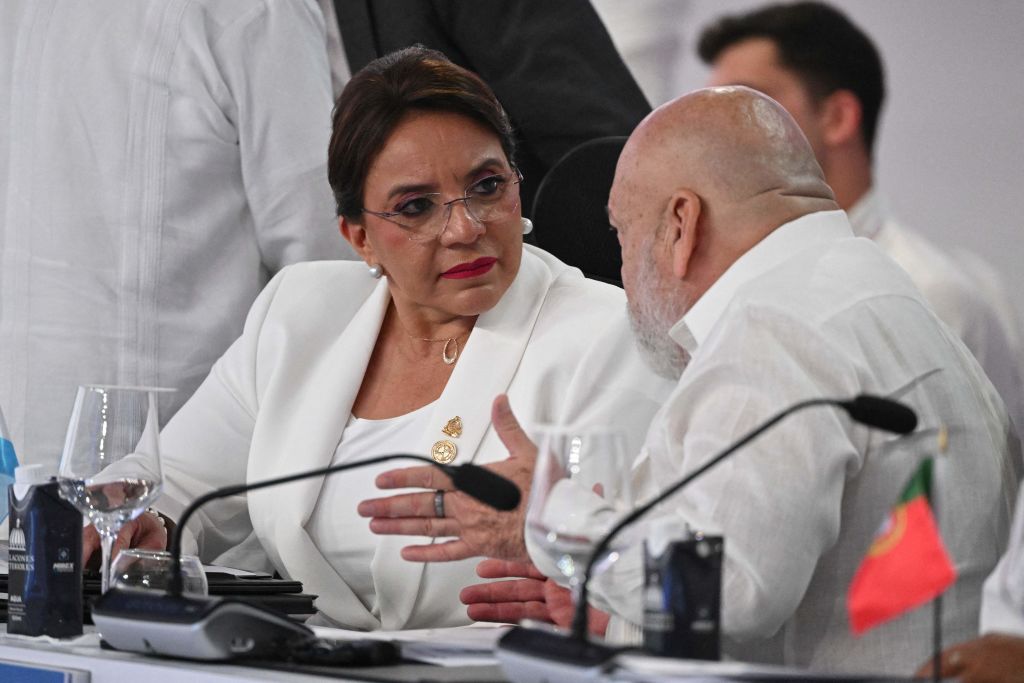
Honduras, the Latin American country most dependent on remittances, is caught in a "remittances trap" that keeps the government reliant on these funds while neglecting basic services and the root causes of migration. President Xiomara Castro's administration has failed to establish an anti-corruption commission and has expanded the military's role in security, raising concerns about human rights violations. Castro's decision to cut ties with Taiwan in favor of China was driven by economic motives, but migration continues to increase. Remittances sustain private consumption but hinder productivity and job creation, perpetuating the cycle of migration. To maximize the positive impact of remittances, Honduras should focus on financial inclusion and gender-specific approaches to encourage savings and investment.
The Mexican peso has become one of the world's best performing currencies this year, thanks to high interest rates, financial stability, and inflows of remittances and foreign investment. The currency has posted double-digit percentage gains against the dollar in 2023, reaching its strongest levels since 2016. The peso's strength is partly due to the high level of the Mexican benchmark interest rate, which is now 11.25 percent, and the "nearshoring" trend of US companies moving their production closer to home in Mexico instead of Asia. However, the strong currency reduces the earnings of exporters, while financial analysts expect a slight depreciation in the Mexican currency due to narrowing interest rate differentials.
The Mexican peso has become one of the world's best performing currencies this year, thanks to high interest rates, financial stability, and inflows of remittances and foreign investment. The currency has posted double-digit percentage gains against the dollar in 2023, reaching its strongest levels since 2016. The peso's strength is partly due to the high level of the Mexican benchmark interest rate, which is now 11.25 percent, and the "nearshoring" trend of US companies moving their production closer to home in Mexico instead of Asia. However, the strong currency reduces the earnings of exporters, while financial analysts expect a slight depreciation in the Mexican currency due to narrowing interest rate differentials.