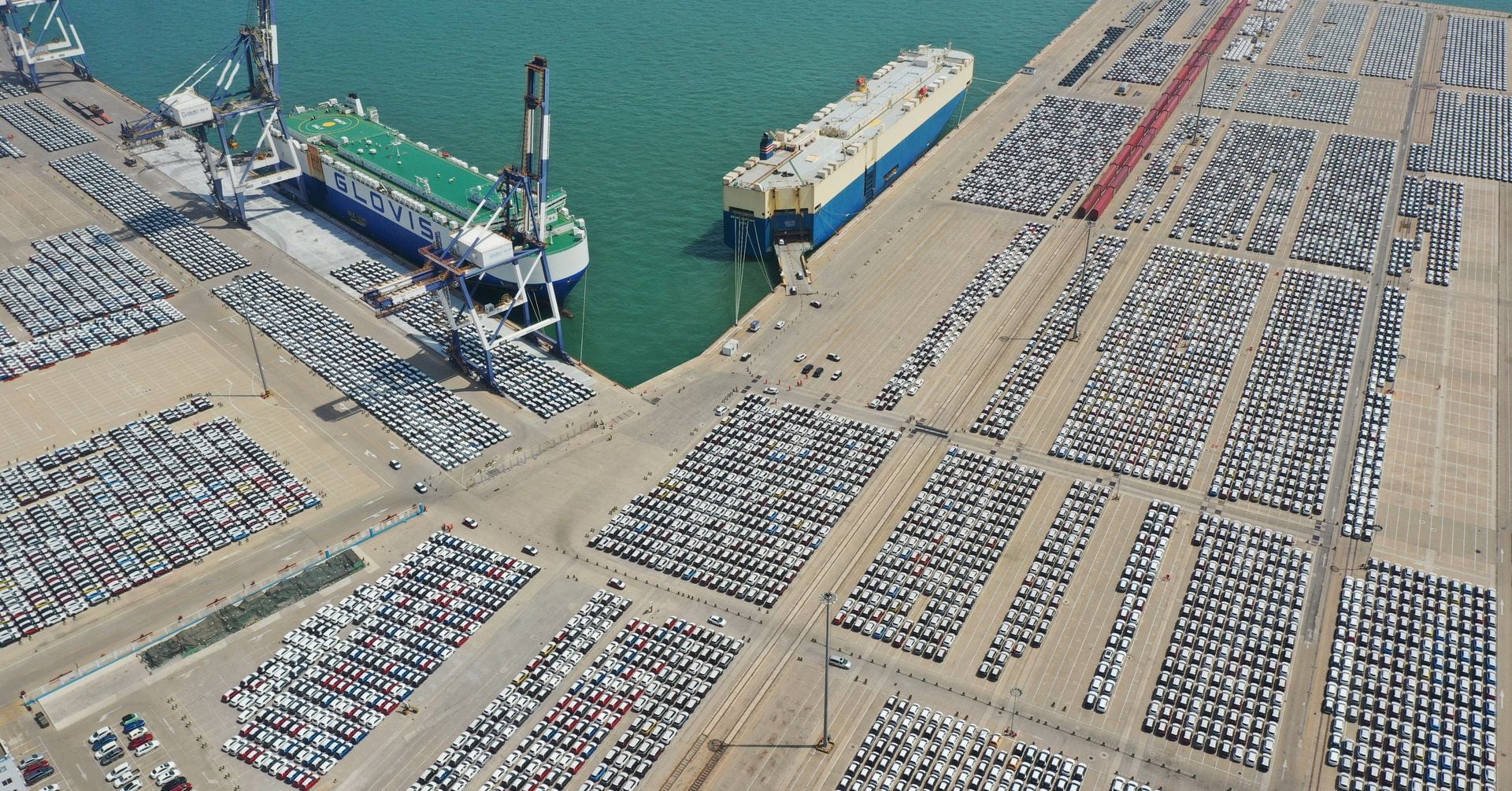
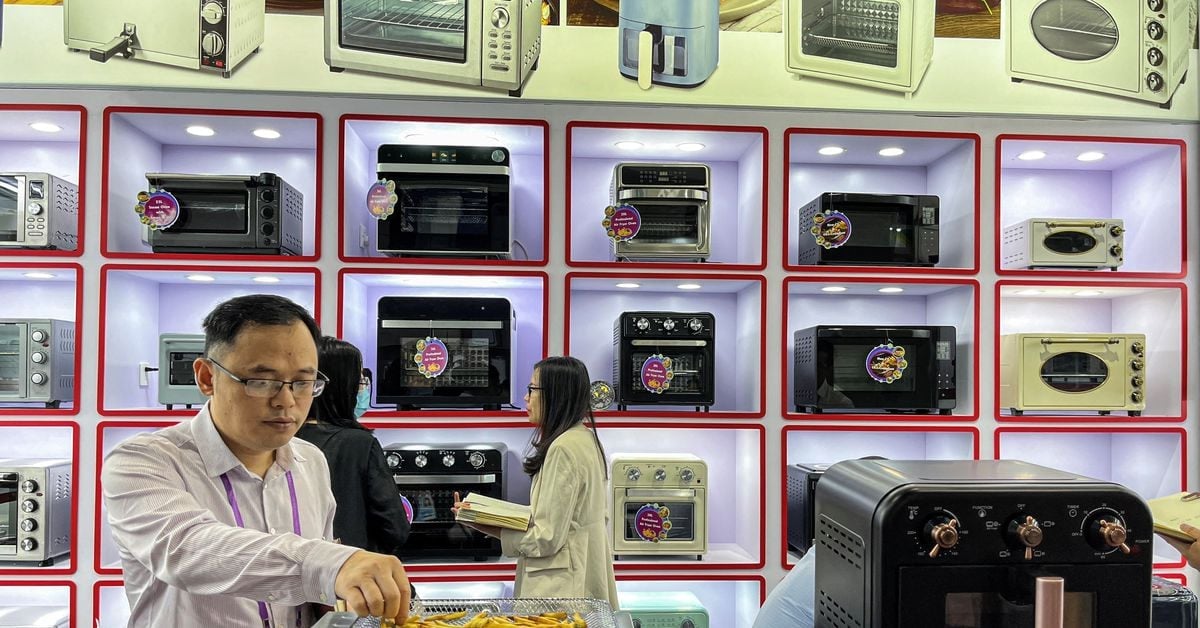
Chinese exporters are abandoning the US market due to unpredictable tariffs, instead focusing on expanding into Europe, Latin America, the Middle East, and Africa, despite facing increased competition and lower prices, as they seek to offset lost US demand amid ongoing trade tensions.
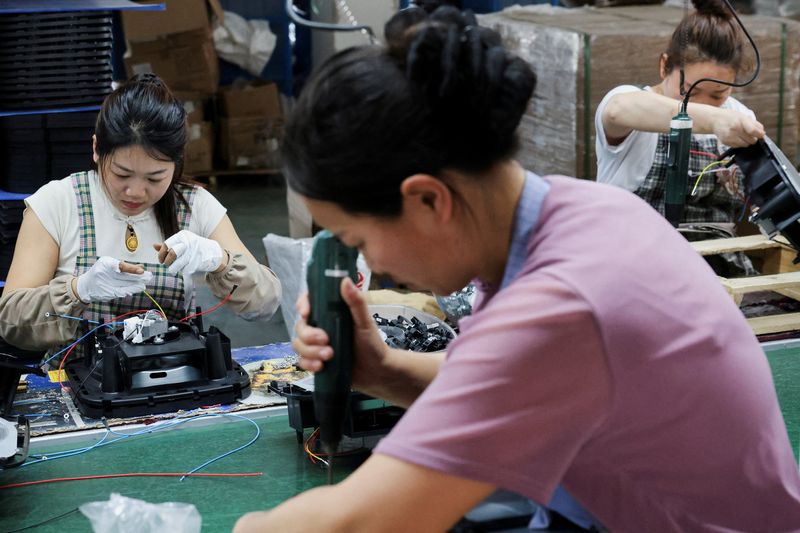
China's producer prices have been falling for 15 consecutive months, leading to a plunge in industrial profits and factory activity contraction. Smaller Chinese exporters are facing the threat of survival due to relentless price wars and shrinking business, as higher interest rates abroad and rising trade protectionism squeeze demand. Policymakers are urged to prioritize fixing deflation over reaching growth targets, as sluggish exports necessitate stimulating household consumption. The prolonged factory deflation is exacerbating China's economic challenges, with concerns about overcapacity and inefficient monetary policy.
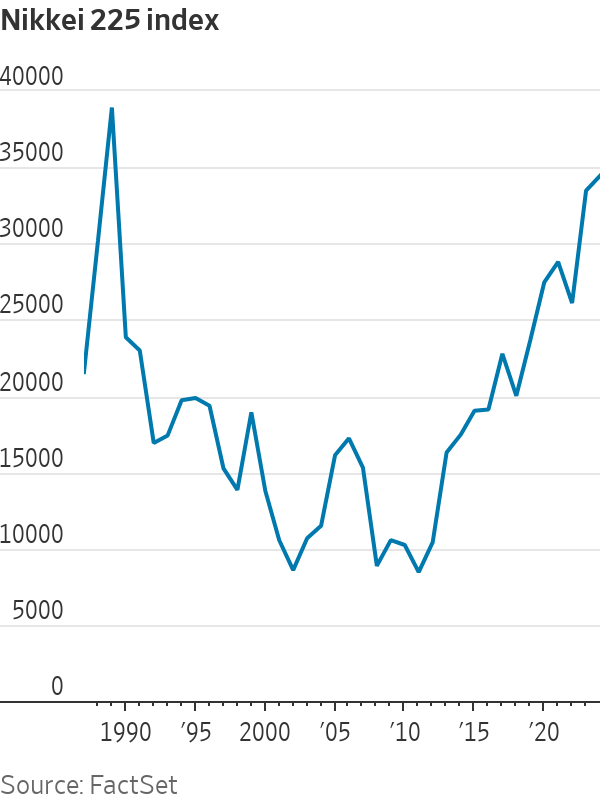
Japanese stocks, led by technology shares and a weaker yen, reached a nearly 34-year high, with the Nikkei Stock Average rising 2% to its highest level since February 1990. Nintendo shares also hit a record high, reflecting strong earnings and anticipation for a new console launch.
Exporters are seeking alternative air, land, and ocean routes to bypass the disruptions caused by attacks in the Red Sea, which have disrupted the key trade route linking Europe and North America with Asia via the Suez Canal. Container shipping costs have surged, prompting companies to explore longer ocean routes or intermodal transport options. The consumer goods sector, supplying top retailers like Walmart and IKEA, is expected to be the most impacted. Moving goods by air is an expensive solution, so companies are considering a combination of air and sea routes. The situation is compounded by the Panama Canal's reduced ship passages and upcoming factory closures for Chinese New Year.
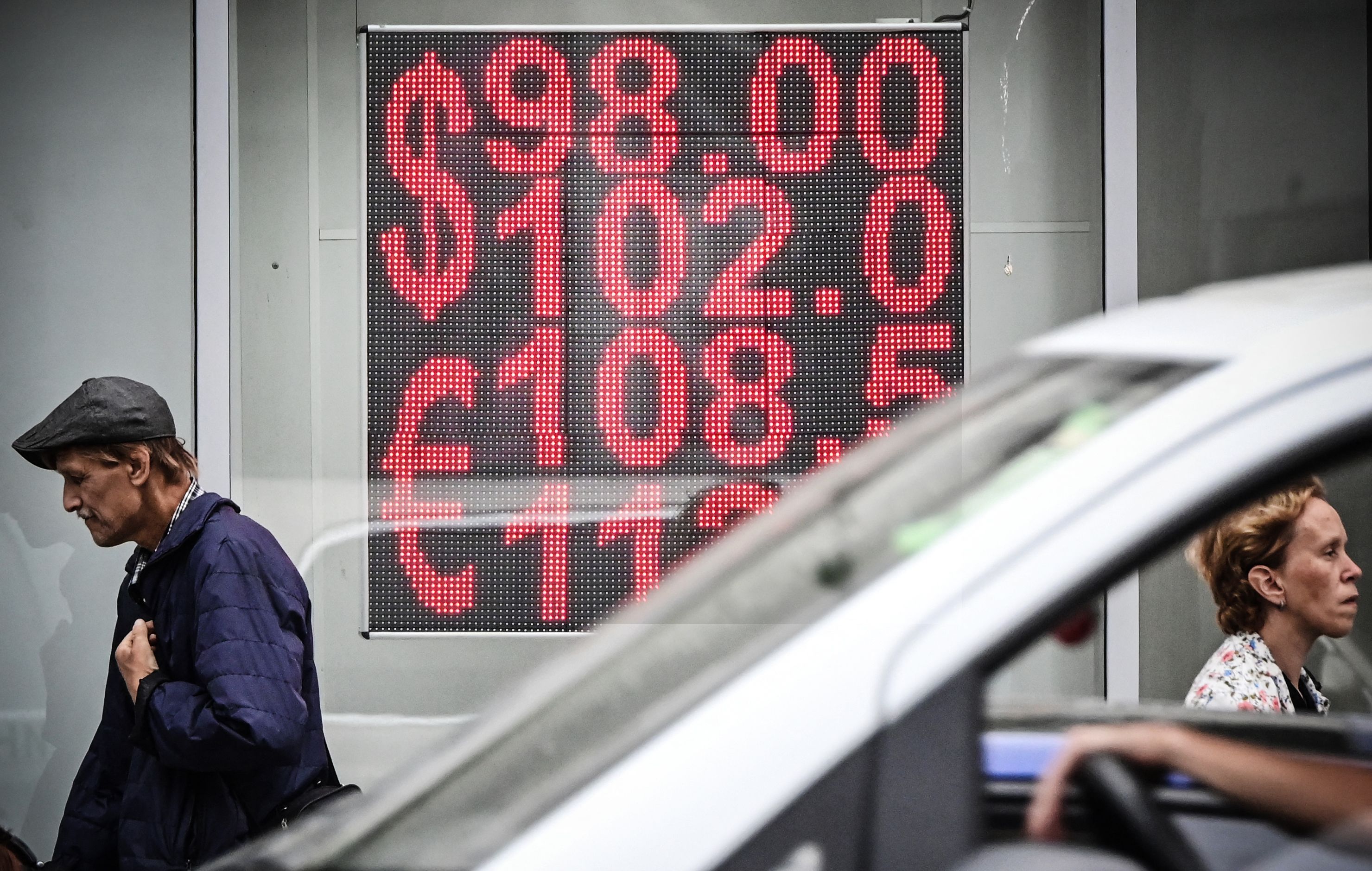
Russia has decided not to implement partial capital controls to stem the falling ruble, following speculation that the extreme measure was being considered. The government and exporters had discussed the move amid a slump in the currency, but it was decided not to implement the measure after talks between President Putin and the head of the Central Bank. The Bank of Russia recently announced an emergency interest rate hike to address the weakening ruble. If the interest rate increase does not work and the ruble continues to weaken, the government may impose capital controls as a last resort.
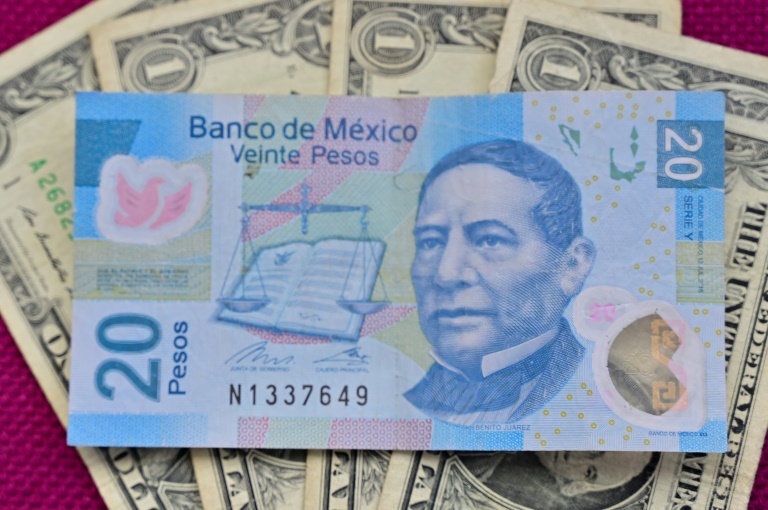
The Mexican peso has become one of the world's best performing currencies this year, thanks to high interest rates, financial stability, and inflows of remittances and foreign investment. The currency has posted double-digit percentage gains against the dollar in 2023, reaching its strongest levels since 2016. The peso's strength is partly due to the high level of the Mexican benchmark interest rate, which is now 11.25 percent, and the "nearshoring" trend of US companies moving their production closer to home in Mexico instead of Asia. However, the strong currency reduces the earnings of exporters, while financial analysts expect a slight depreciation in the Mexican currency due to narrowing interest rate differentials.
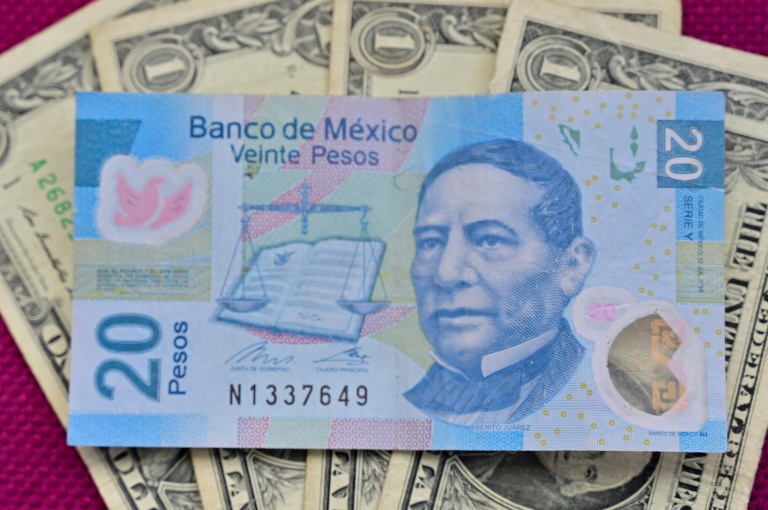
The Mexican peso has become one of the world's best performing currencies this year, thanks to high interest rates, financial stability, and inflows of remittances and foreign investment. The currency has posted double-digit percentage gains against the dollar in 2023, reaching its strongest levels since 2016. The peso's strength is partly due to the high level of the Mexican benchmark interest rate, which is now 11.25 percent, and the "nearshoring" trend of US companies moving their production closer to home in Mexico instead of Asia. However, the strong currency reduces the earnings of exporters, while financial analysts expect a slight depreciation in the Mexican currency due to narrowing interest rate differentials.
Chinese exporters at the Canton Fair expressed concerns about the weak global economy, with many cutting labor costs and freezing investments. The subdued mood at the fair suggests that China's unexpected jump in exports in March may have been due to delayed orders from COVID restrictions rather than renewed economic strength. The worsening outlook for workers in the manufacturing industries raises concerns among policymakers, who target 12 million new jobs across China this year.