Tag

Reionization

All articles tagged with #reionization

Desert Telescope Reveals Billion-Year-Old Cosmic Secrets

Originally Published 2 months ago — by Yahoo News Canada

Featured image for Desert Telescope Reveals Billion-Year-Old Cosmic Secrets
Source: Yahoo News Canada

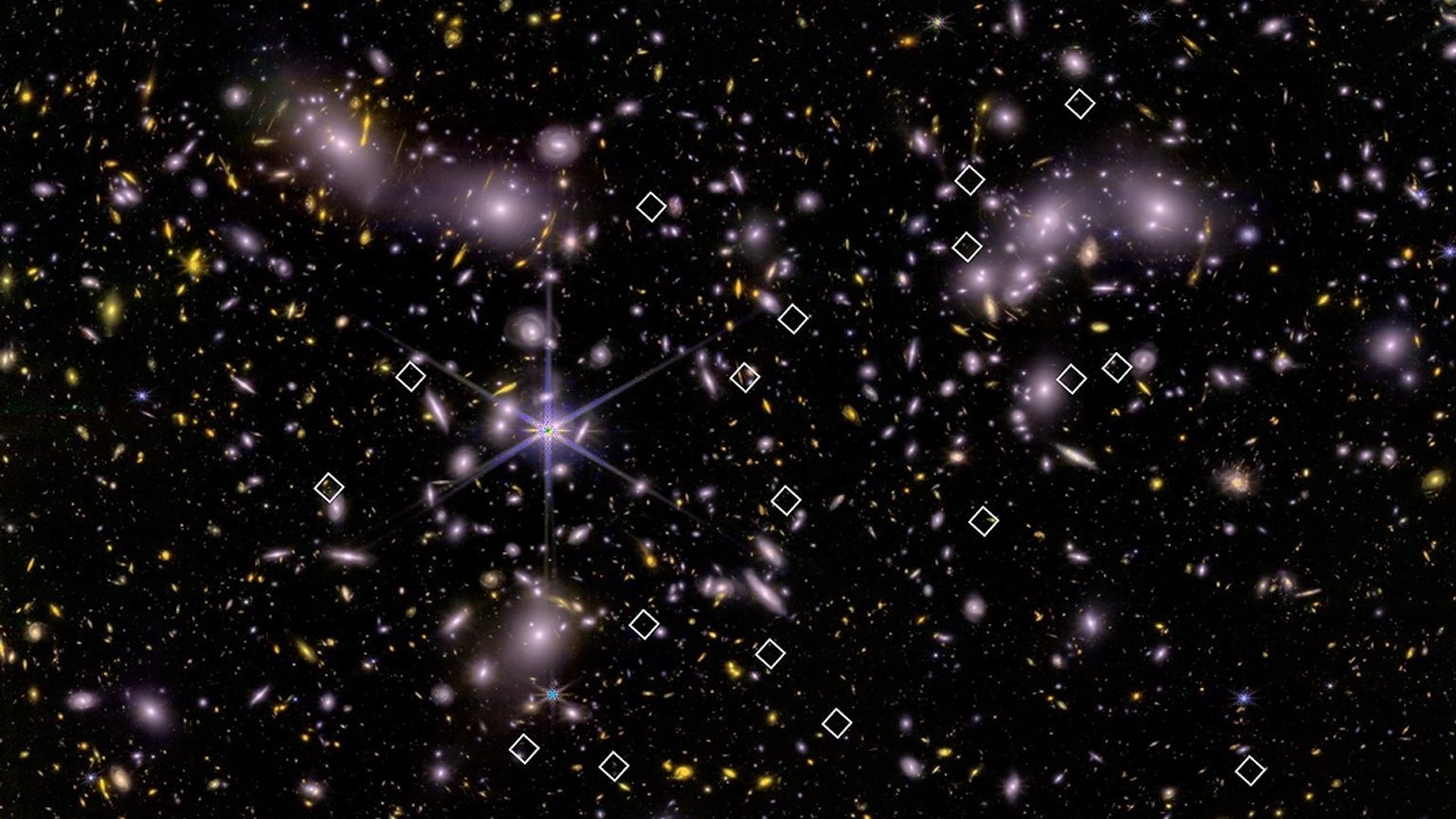
A decade of data from the Murchison Widefield Array telescope suggests that the universe was heating up around 800 million years after the Big Bang, challenging the idea of a 'cold start' for reionization and indicating early heating likely caused by black holes and stellar remnants.

Unveiling the Dawn of Time's First Light

Originally Published 3 months ago — by ScienceAlert

Featured image for Unveiling the Dawn of Time's First Light
Source: ScienceAlert

Recent observations from the Hubble and James Webb Space Telescopes suggest that small dwarf galaxies played a crucial role in illuminating the early Universe during cosmic reionization, challenging previous assumptions that larger galaxies and black holes were the primary sources of ionizing radiation. This discovery highlights the importance of low-mass galaxies in shaping the Universe's evolution and opens new avenues for understanding our cosmic origins.

James Webb Telescope Reveals Tiny Galaxies Transforming the Universe

Originally Published 6 months ago — by Live Science

Featured image for James Webb Telescope Reveals Tiny Galaxies Transforming the Universe
Source: Live Science

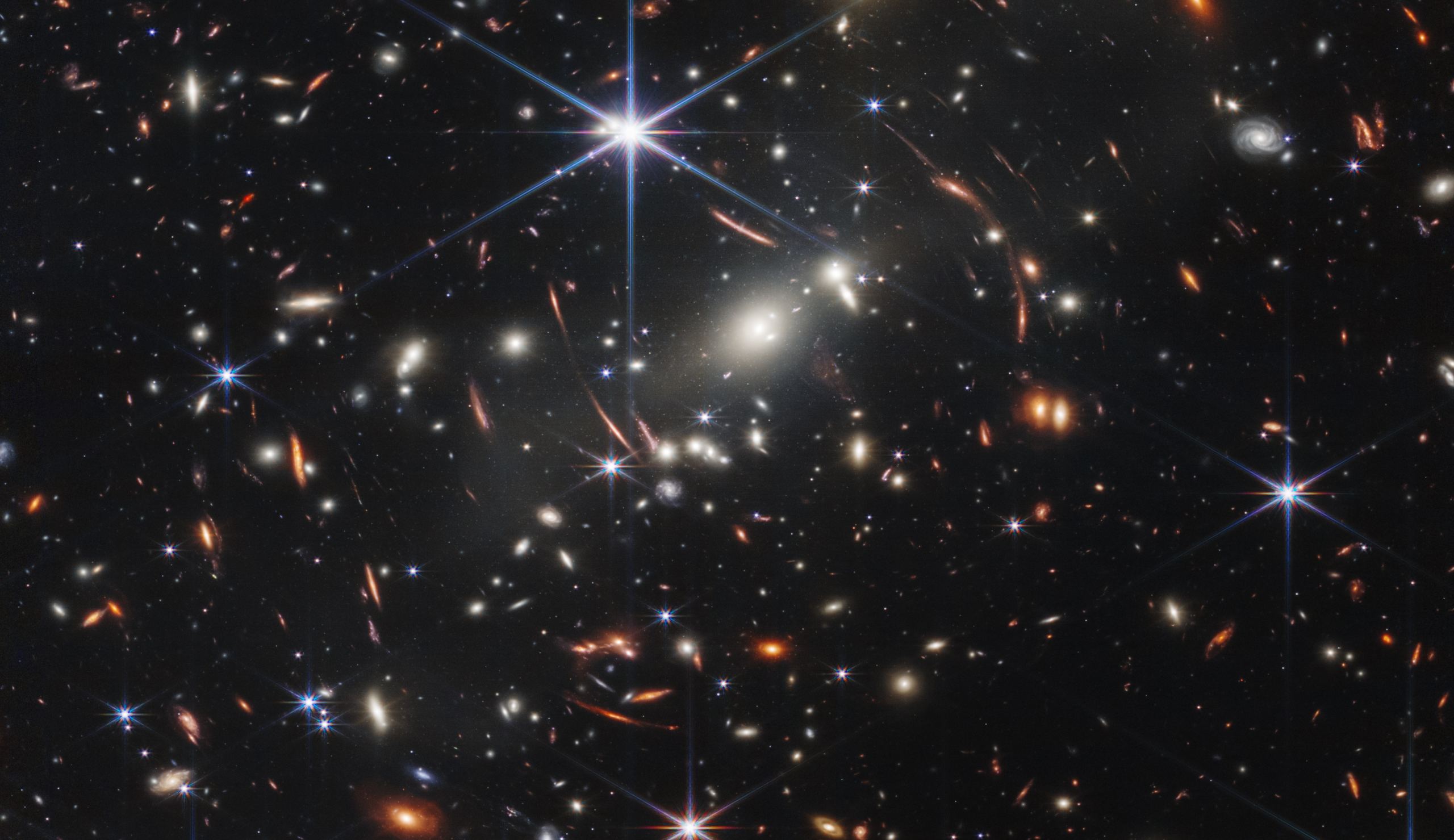
Astronomers using the James Webb Space Telescope have discovered small, starburst galaxies from the early universe that likely emitted enough ultraviolet light to drive the Era of Reionization, transforming the universe by clearing hydrogen fog in its first billion years.

Earth-based telescopes unveil first stars from the Cosmic Dawn

Originally Published 7 months ago — by 404 Media

Featured image for Earth-based telescopes unveil first stars from the Cosmic Dawn
Source: 404 Media

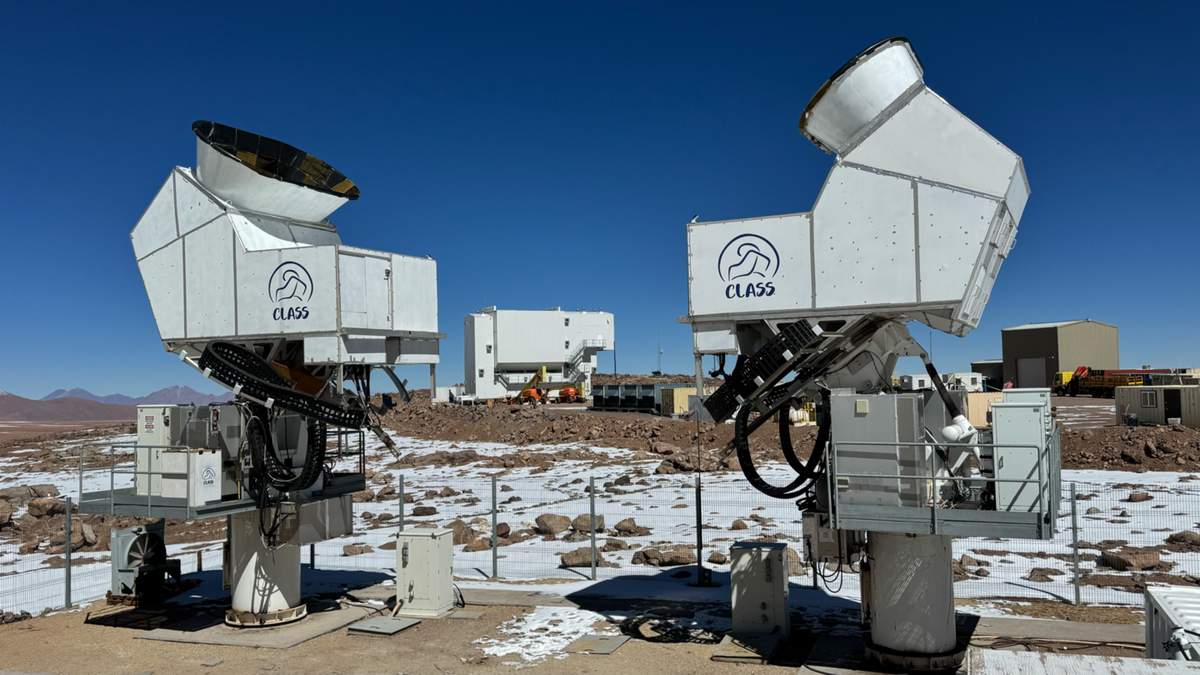
Scientists have achieved a groundbreaking measurement of the cosmic dawn from Earth using ground-based telescopes in Chile, capturing signals from over 13 billion years ago that reveal the interaction of the first stars with the early universe, potentially making future research more affordable and accessible.

Unveiling the Cosmic Dawn: What Ignited the Universe's First Light

Originally Published 1 year ago — by ScienceAlert

Featured image for Unveiling the Cosmic Dawn: What Ignited the Universe's First Light
Source: ScienceAlert

Recent research using data from the Hubble and James Webb Space Telescopes has revealed that small dwarf galaxies played a crucial role in the early Universe by emitting ionizing photons that reionized the murky hydrogen fog, effectively "switching on" the lights of the cosmos. These dwarf galaxies, far more numerous and brighter than previously thought, outnumber larger galaxies by 100 to 1 and collectively emit significant ionizing radiation. This discovery challenges previous assumptions about the sources of cosmic reionization and highlights the importance of understanding low-mass galaxies in the Universe's evolution.

"JWST Unveils Most Distant and Massive Galaxy Ever Found"

Originally Published 1 year ago — by Universe Today

Featured image for "JWST Unveils Most Distant and Massive Galaxy Ever Found"
Source: Universe Today

The James Webb Space Telescope (JWST) is revolutionizing our understanding of the early Universe, prompting significant updates to astronomy textbooks. Its advanced capabilities have revealed unexpected properties of early galaxies, the nature of ancient black holes, and new insights into the Epoch of Reionization. The JWST's findings are reshaping foundational cosmological theories and highlighting the collaborative efforts of the international scientific community.

"James Webb Telescope Reveals Ancient Cosmic Secrets"

Originally Published 1 year ago — by SciTechDaily

Featured image for "James Webb Telescope Reveals Ancient Cosmic Secrets"
Source: SciTechDaily

Data from NASA's James Webb Space Telescope has revealed the earliest starlight spectra, shedding light on the pivotal role of low-mass galaxies in the universe's reionization, challenging existing cosmic evolution theories. These groundbreaking observations provide the clearest picture yet of very low-mass, newborn galaxies less than a billion years after the Big Bang, suggesting their central role in the cosmic origin story. The findings offer insight into the process of early star formation and the evolution of galaxies into the universe we know today.

Unveiling the Role of Dwarf Galaxies in Reionizing the Universe

Originally Published 1 year ago — by NASASpaceflight.com

Featured image for Unveiling the Role of Dwarf Galaxies in Reionizing the Universe
Source: NASASpaceflight.com

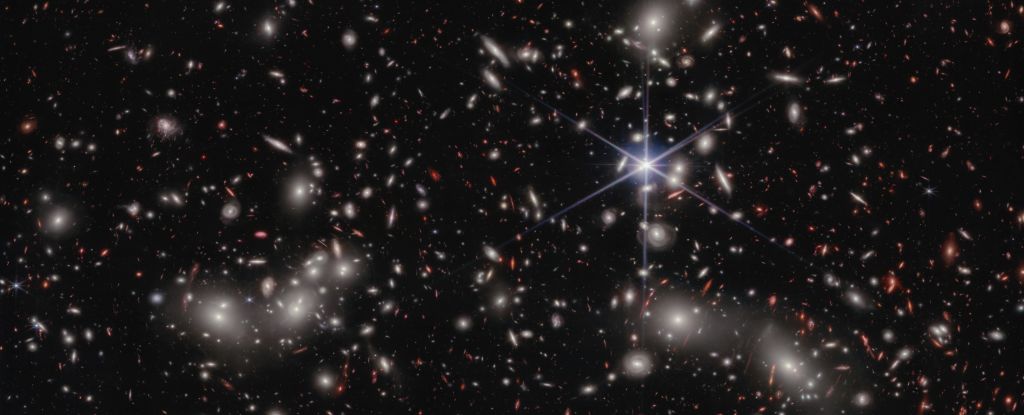
Using the James Webb Space Telescope and Hubble, scientists have made the first spectroscopic observations of some of the oldest galaxies in the universe, shedding light on the reionization period. Gravitational lensing allowed the discovery of eight extremely distant and faint galaxies within the Abell 2744 galaxy cluster, producing four times more ultraviolet light than expected and likely responsible for reionizing the universe. These findings highlight the crucial role of ultra-faint galaxies in shaping the universe's history and will aid in further investigations of the Cosmic Dawn period.

"Dwarf Galaxies: Illuminating the Early Universe with JWST"

Originally Published 1 year ago — by Big Think

Featured image for "Dwarf Galaxies: Illuminating the Early Universe with JWST"
Source: Big Think

The James Webb Space Telescope (JWST) has revealed a multitude of galaxies in a small patch of space, shedding light on cosmic evolution and the reionization of the Universe. Gravitational lensing has unveiled the presence of eight tiny, faint, distant dwarf galaxies, which are producing four times as many ionizing photons as previously assumed, suggesting that these cosmic dwarfs, not quasars or bright galaxies, primarily reionized the Universe. This challenges previous assumptions and provides new insights into the early history of the cosmos.

Unveiling the Role of Dwarf Galaxies in Illuminating the Early Universe

Originally Published 1 year ago — by Phys.org

Featured image for Unveiling the Role of Dwarf Galaxies in Illuminating the Early Universe
Source: Phys.org

New research using the James Webb Space Telescope and a massive cluster of galaxies as a magnifying glass has provided evidence that small, faint dwarf galaxies likely played a significant role in ending the "dark ages" of the early universe by producing enough ionizing light to reionize the cosmos. These findings challenge previous theories that massive galaxies were the main contributors to this cosmic-scale transformation, and suggest that further observations of magnified, faint galaxies in different parts of the sky are needed to confirm these results.

"Dwarf Galaxies: Illuminating the Early Universe's Origins"

Originally Published 1 year ago — by ScienceAlert

Featured image for "Dwarf Galaxies: Illuminating the Early Universe's Origins"
Source: ScienceAlert

Data from the Hubble and James Webb Space Telescopes has revealed that small dwarf galaxies were responsible for bringing light to the early Universe, clearing the fog of murky hydrogen and playing a crucial role in cosmic reionization. These galaxies, far brighter and more abundant than previously thought, emit enough energy to transform the entire state of the Universe. This discovery provides the best evidence yet for the force behind reionization, shedding light on a crucial time in the formation of our Universe.

"Dwarf Galaxies' Impact on Early Universe Unveiled by Webb Telescope"

Originally Published 1 year ago — by Phys.org

Featured image for "Dwarf Galaxies' Impact on Early Universe Unveiled by Webb Telescope"
Source: Phys.org

Using the James Webb Space Telescope, astronomers have observed the faintest galaxies during the first billion years of the universe and found that small dwarf galaxies likely played a crucial role in reionizing the universe. These galaxies were found to be immense producers of ionizing radiation, challenging previous assumptions and highlighting the importance of understanding low-mass galaxies in shaping the universe's history. The findings, published in the journal Nature, provide new insights into the early universe's evolution and will guide future observations to further understand the emergence of the first galaxies.

"Dwarf Galaxies: Illuminating the Early Universe's Darkness"

Originally Published 1 year ago — by Nature.com

Featured image for "Dwarf Galaxies: Illuminating the Early Universe's Darkness"
Source: Nature.com

Astronomers using the James Webb Space Telescope have discovered that faint dwarf galaxies, much smaller than the Milky Way, played a crucial role in clearing the early Universe of its hydrogen fog, allowing starlight to shine through. This process, known as reionization, changed the course of cosmic history, making the Universe transparent and enabling the visibility of distant galaxies. The study suggests that these small galaxies were abundant enough to have ionized the entire Universe, and their role in reionization had implications for the architecture of the present-day Universe.

"Exploring the Enigmatic Cosmic Dark Ages: A Comprehensive Guide"

Originally Published 2 years ago — by Space.com

Featured image for "Exploring the Enigmatic Cosmic Dark Ages: A Comprehensive Guide"
Source: Space.com

The cosmic dark ages is a period in the early universe, starting about 380,000 years after the Big Bang, characterized by a lack of light due to the absorption by neutral hydrogen gas. This era persisted until stars and galaxies formed, emitting ultraviolet light that reionized the hydrogen, making the universe transparent to light. The end of the cosmic dark ages is estimated to have occurred between 680 million and 1.1 billion years after the Big Bang. Recent observations, particularly from the James Webb Space Telescope, have provided new insights into this period, with the potential for future moon-based radio observatories to offer more detailed glimpses into this formative era of the universe.

Unveiling the Birth of the Universe's First Stars

Originally Published 2 years ago — by Big Think

Featured image for Unveiling the Birth of the Universe's First Stars
Source: Big Think

The formation of the first stars in the Universe took at least 50 million years and possibly up to 100 million years or more. Gravity slowly pulled matter together into clumps and clusters, eventually leading to the collapse of dense gas clouds and the ignition of nuclear fusion. These early stars were much larger and more massive than stars today, with an average mass about 10 times that of the Sun. The radiation emitted by these stars, dominated by ultraviolet light, ionized the surrounding neutral atoms and triggered a process known as reionization. However, the intense radiation pressure and lack of heavy elements prevented the formation of small, rocky planets. The first stars marked the beginning of a new chapter in the cosmic story, leading to the eventual formation of galaxies and the evolution of the Universe.