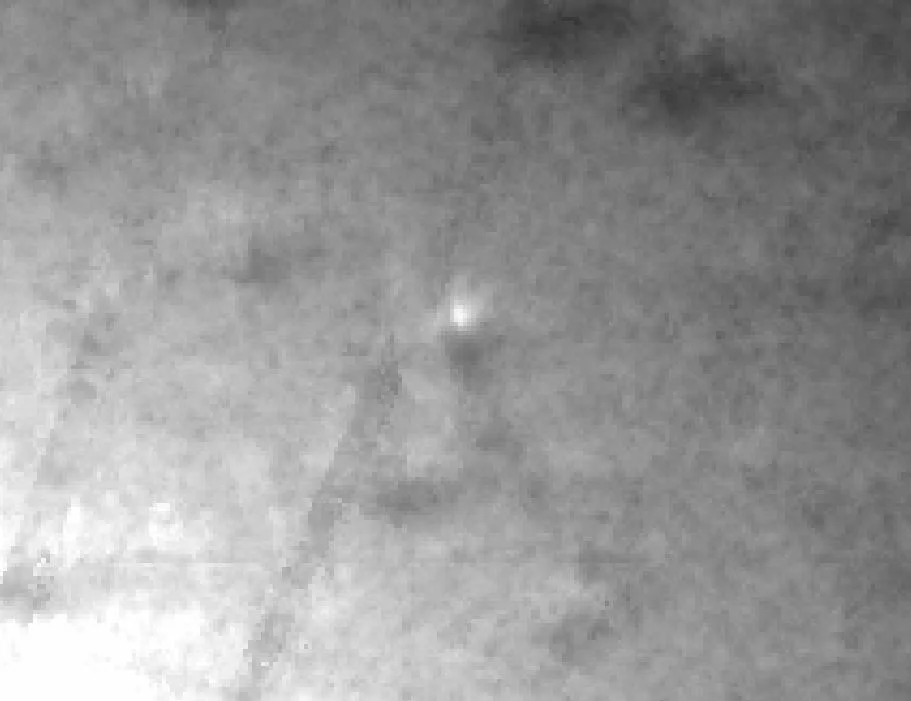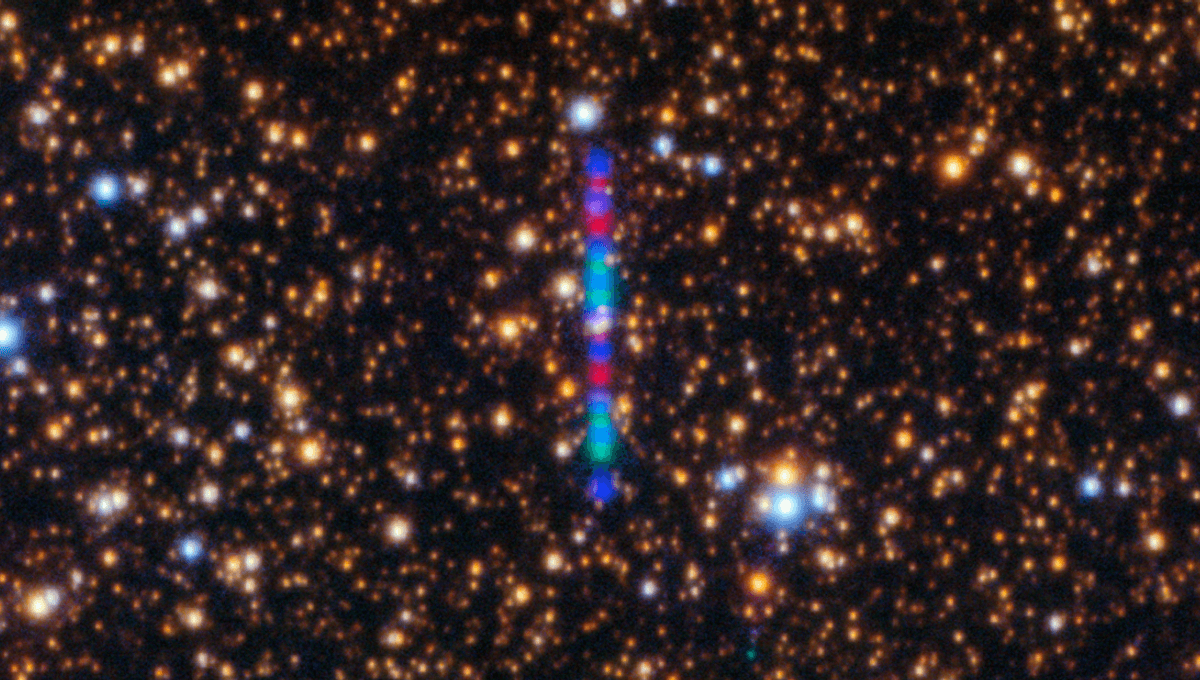
Observations of interstellar comet 3I/ATLAS suggest it has lost over 13% of its mass during its close approach to the Sun, experienced course changes, and exhibited unusual behaviors, providing valuable insights into interstellar objects and cometary physics.
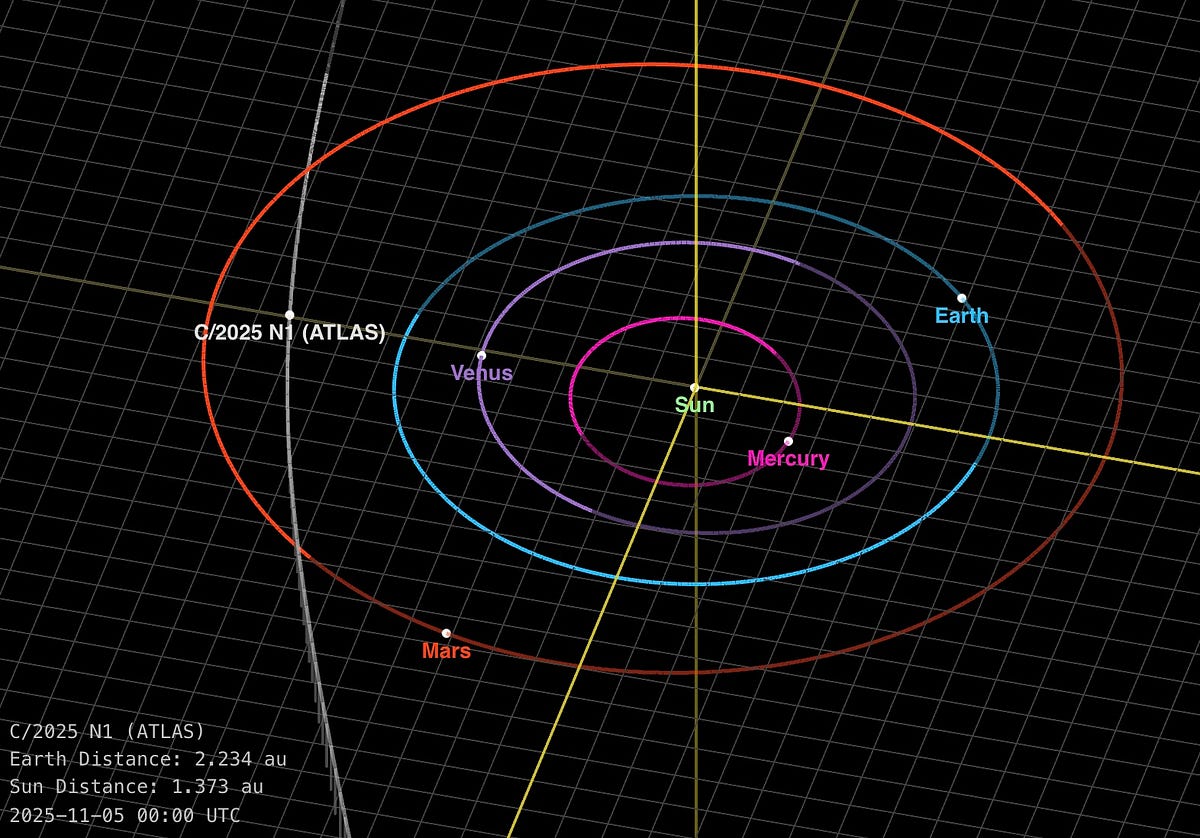
New data on interstellar object 3I/ATLAS after its perihelion suggests it experienced significant mass loss and non-gravitational acceleration, with implications for its natural or artificial nature, and highlights ongoing scientific debates and anomalies surrounding its behavior.
The interstellar object 3I/ATLAS showed evidence of non-gravitational acceleration at perihelion, possibly due to mass loss from sublimation or an internal engine, with upcoming observations expected to clarify its nature and properties.
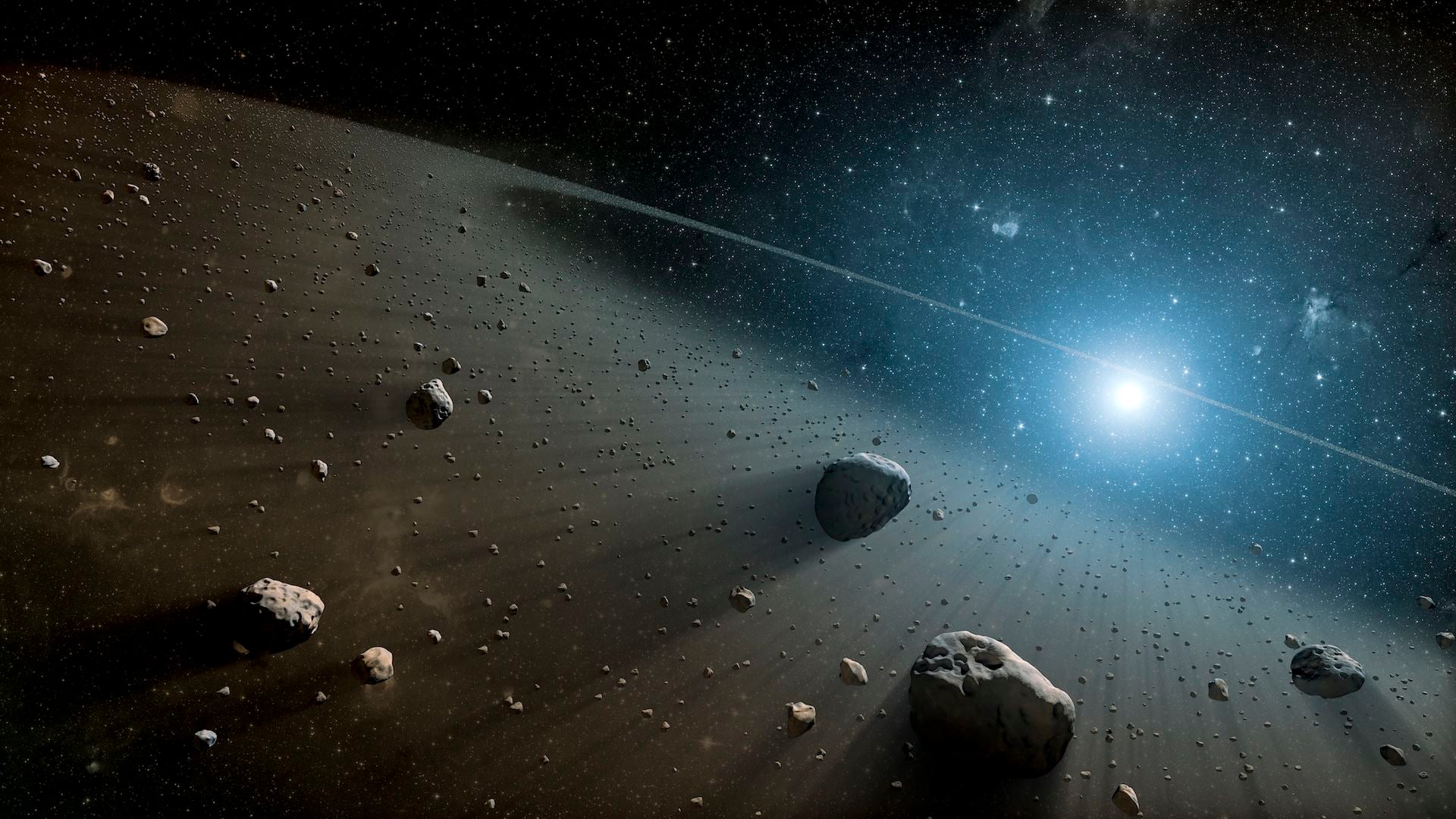
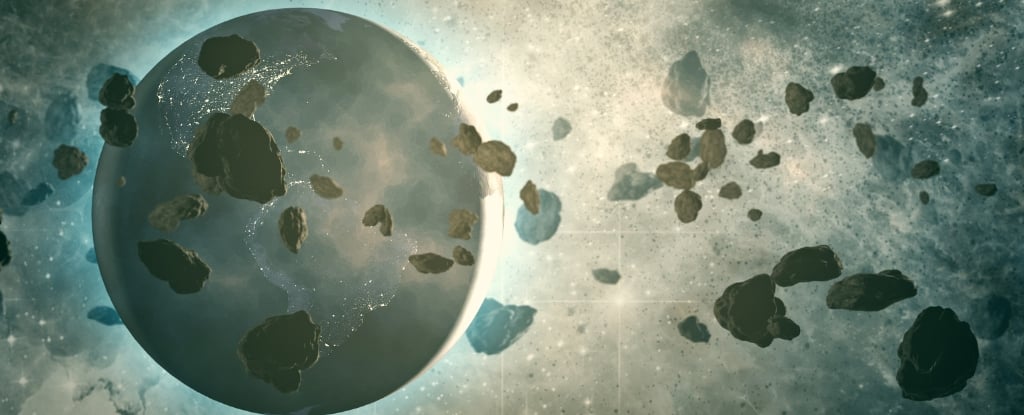
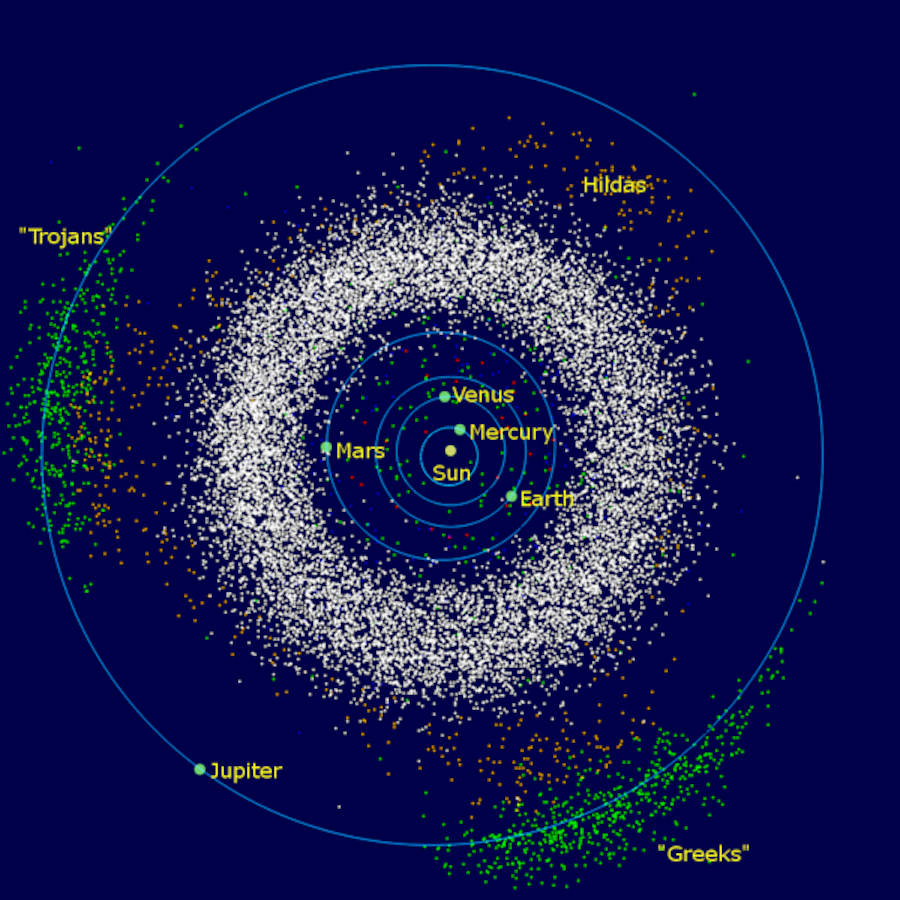
The asteroid belt between Mars and Jupiter is gradually losing material at a rate of about 0.0088% annually, primarily transforming into meteoritic dust or escaping as asteroids that can impact Earth, indicating a dynamic and shrinking structure that has influenced Earth's impact history and future risk assessments.
A new study reveals that the asteroid belt between Mars and Jupiter is gradually losing material at a rate that suggests it was once about twice as massive 3.5 billion years ago, impacting Earth's impact history and future asteroid risk.
The asteroid belt between Mars and Jupiter is gradually losing material at a rate of about 0.0088% annually, primarily through collisions that produce meteoritic dust and fragments that sometimes cross Earth's orbit, indicating a dynamic and shrinking region that has influenced Earth's impact history and future impact risk.
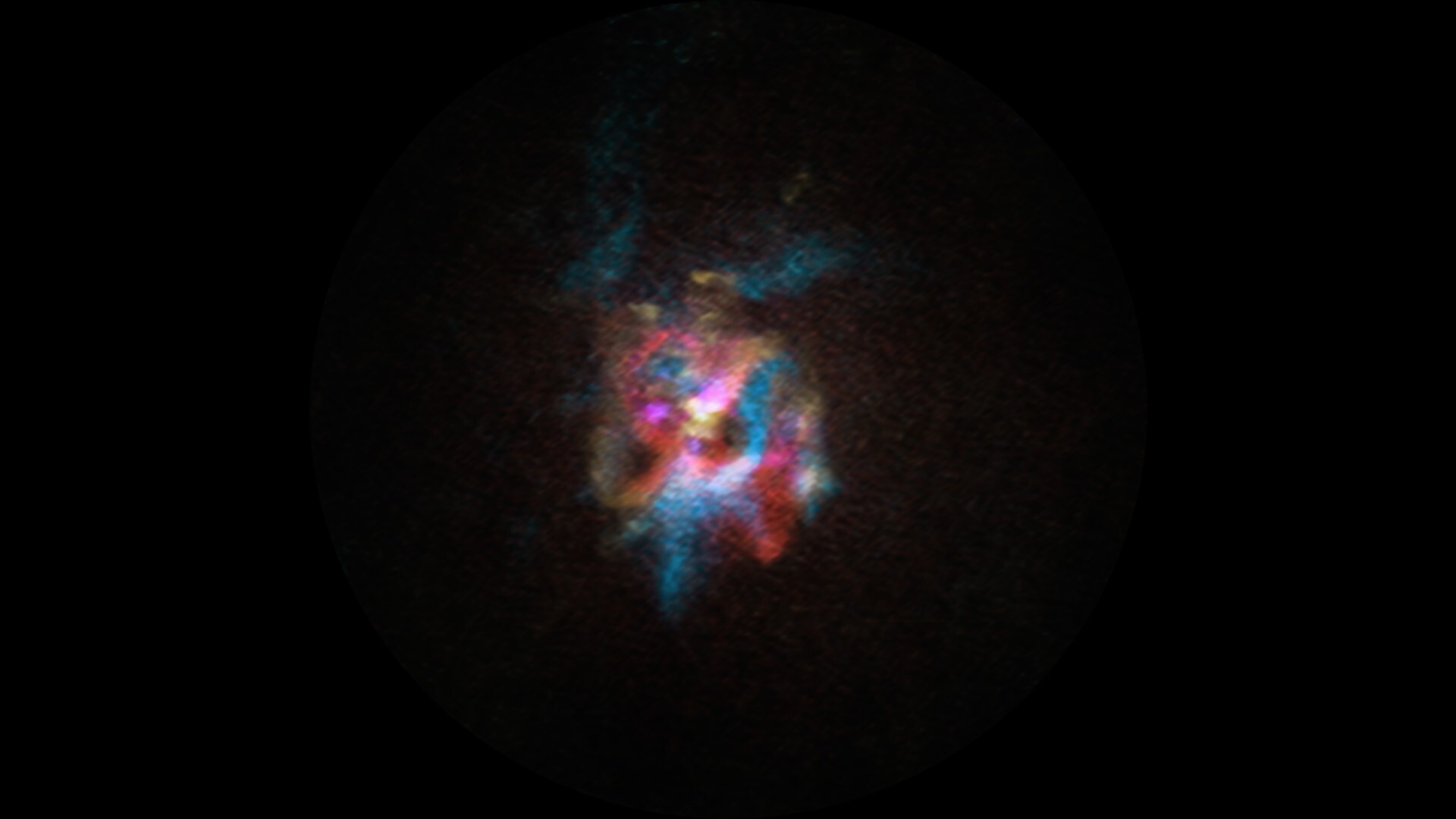
A red supergiant star named DFK 52 has expelled the largest and most complex gas and dust cloud ever observed around such a star, likely involving multiple stars or a binary system, with significant implications for understanding stellar evolution and supernova precursors.
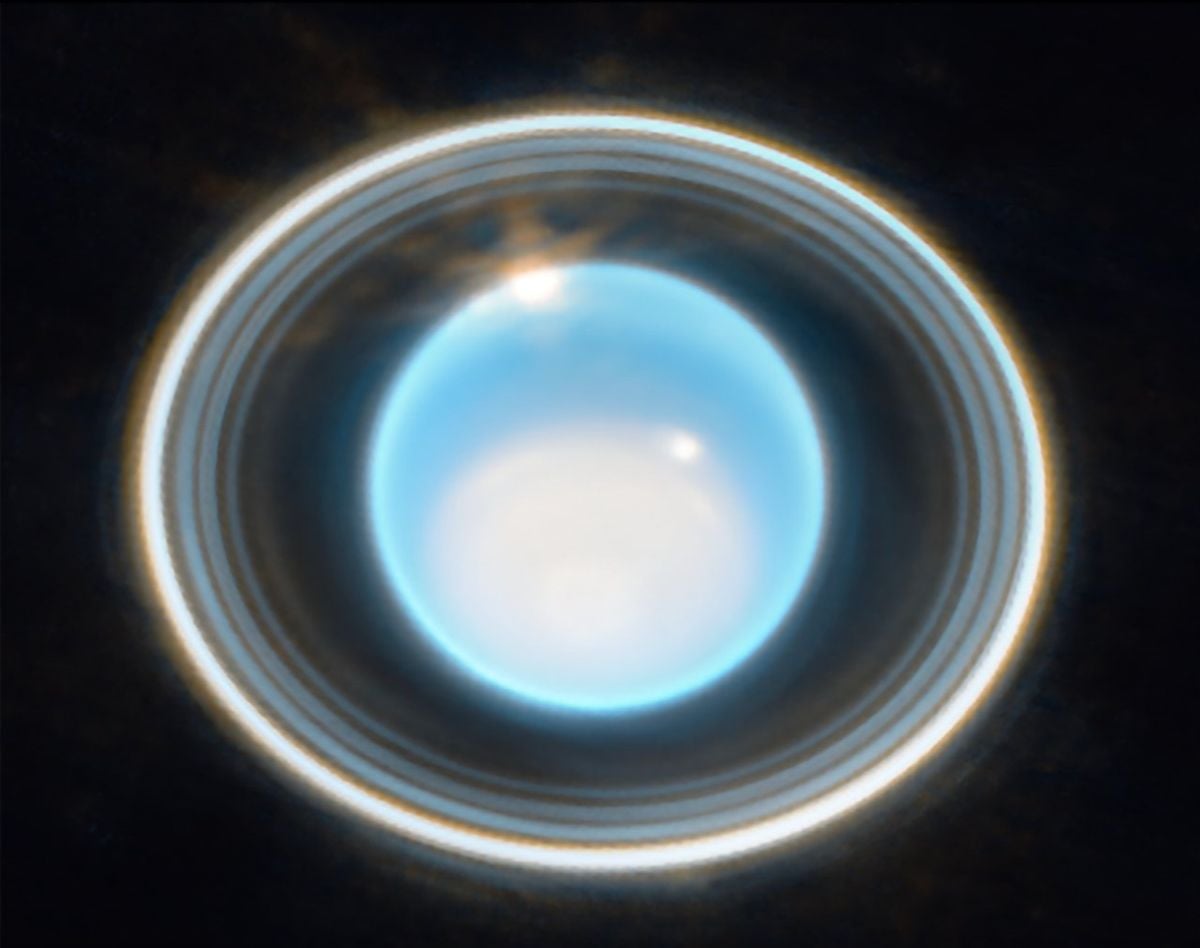
New simulations suggest that the size of Uranus' rings is controlled by its five major moons, which can eject significant amounts of dust out of the Uranian system. The interactions between the moons and the rings, particularly when they are in "mean motion resonances," can truncate the size of Uranus' ring system. The moons Miranda and Ariel have the greatest influence, severely truncating the rings at a distance of 4.3 planetary radii. The research also suggests that the rings may have been larger and brighter in the past but have been diminished by the moons' scouring effect.
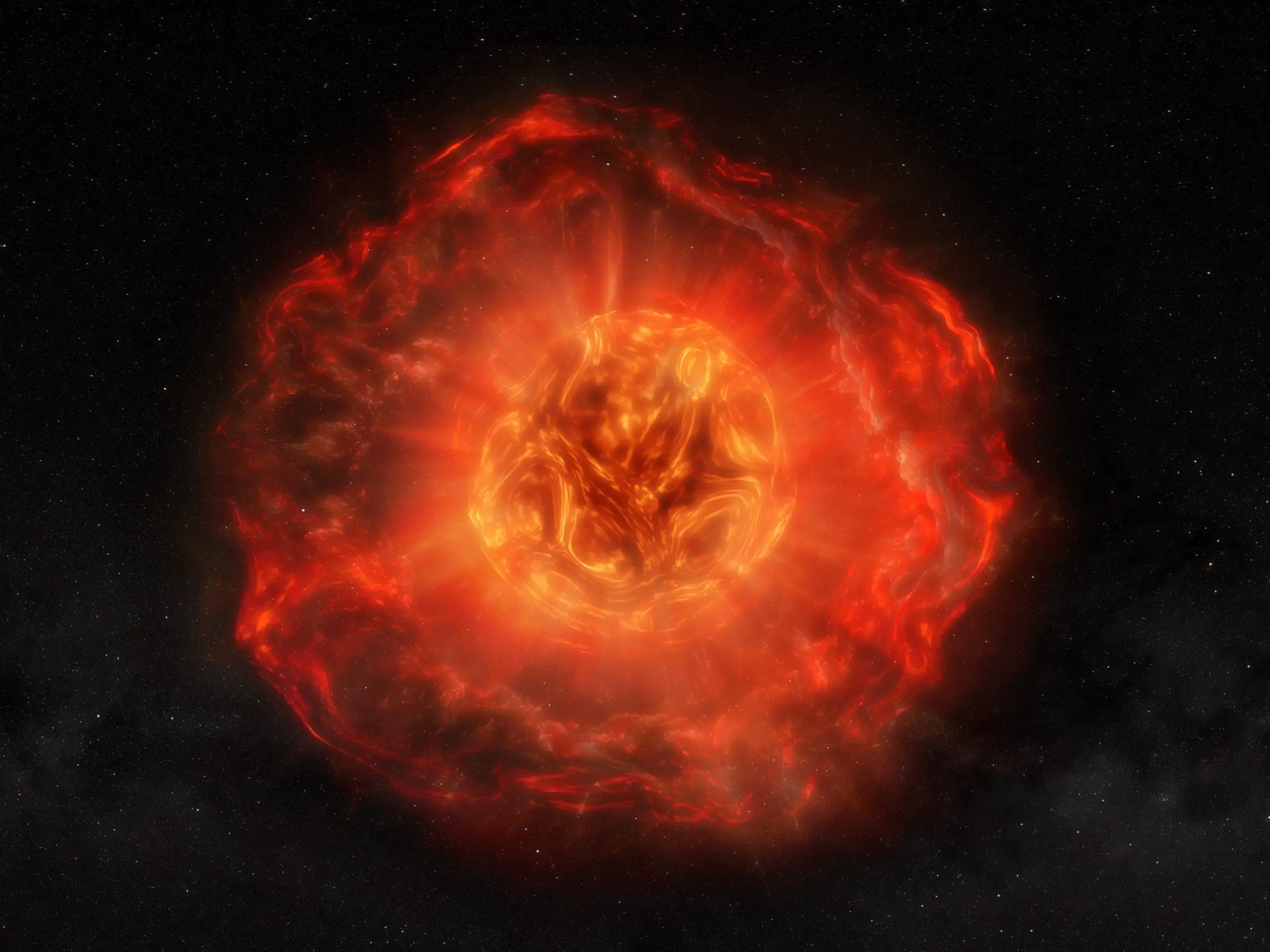
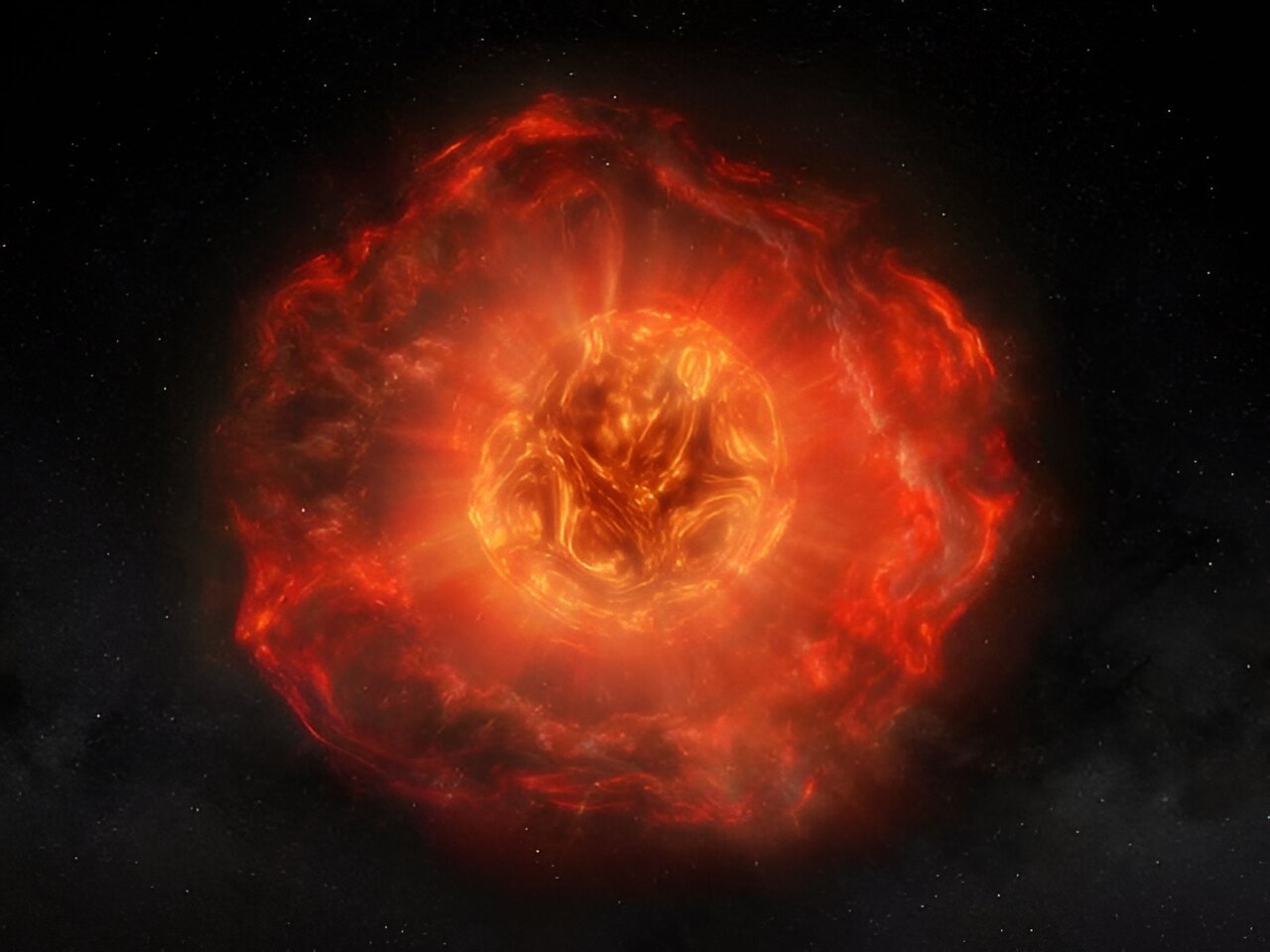
The discovery of a nearby supernova, SN 2023ixf, challenges the standard theory of stellar evolution as it exhibited extreme mass loss in the year leading up to its explosion, shedding a mass equivalent to that of the Sun. This unexpected behavior provides insight into the final stages of a star's life and suggests potential instability. The delayed shock breakout observed in SN 2023ixf indicates the presence of dense material from recent mass loss, contradicting previous expectations. Further observations and collaboration between amateur and professional astronomers are crucial in understanding the evolution of massive stars and their supernova explosions.
A newly discovered Type II supernova, SN 2023ixf, challenges the standard theory of stellar evolution as it exhibited unexpected behavior prior to its explosion. Observations revealed that the shock breakout of the supernova was delayed by several days, indicating extreme mass loss close to the mass of the sun in the final year before the explosion. This sheds light on the instability and potential nuclear burn-off of high-mass elements in the star's core. The discovery provides valuable insights into the evolution of massive stars and their supernova explosions.
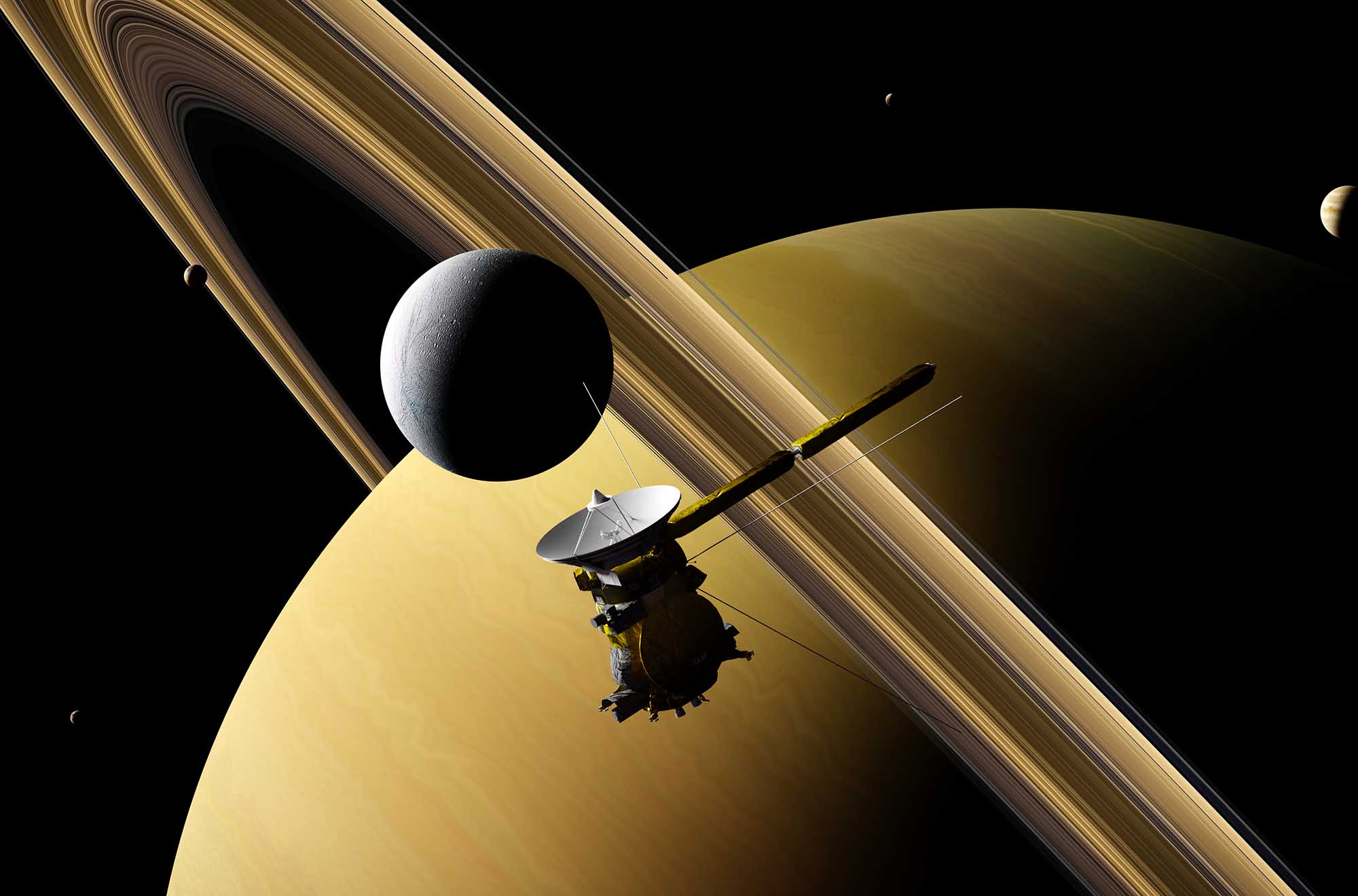
Saturn's iconic rings are losing tons of mass every second and are relatively young, just a few hundred million years old, according to new analysis of data from NASA's Cassini mission. The rings likely formed after the planet itself and will disappear in 100 million years. The research also suggests that the rings are suffering repeated impacts from meteoroids, which erode their dusty essence.