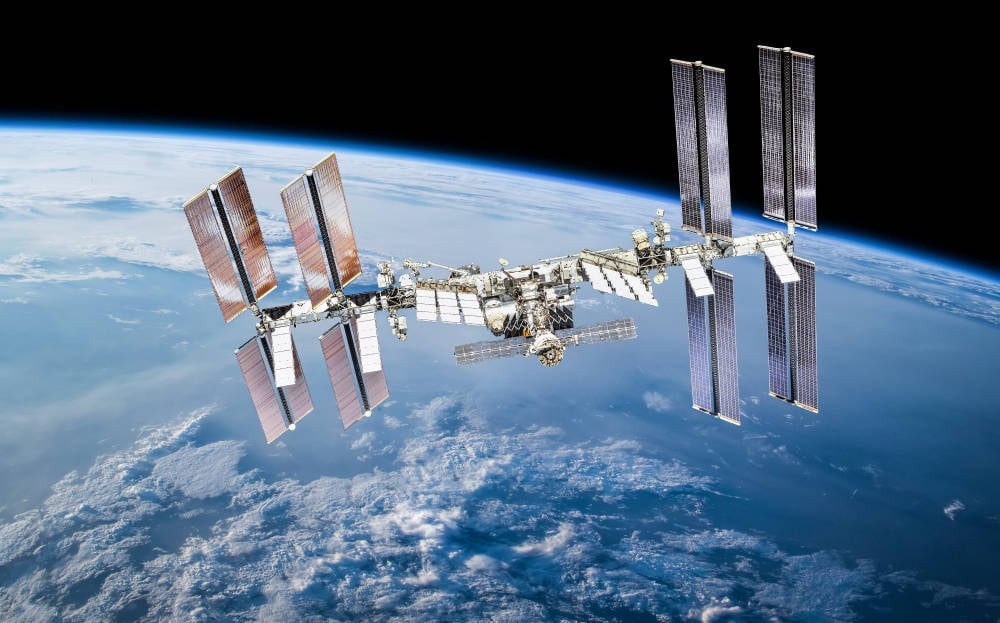
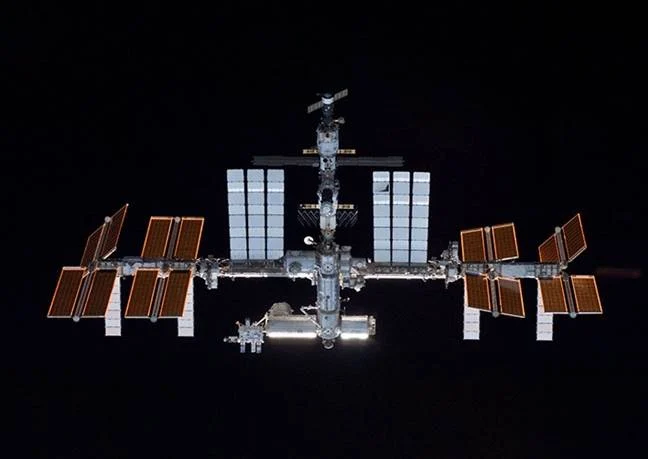
NASA and SpaceX successfully reboosted the ISS using Dragon's Draco thrusters, marking a significant step in reducing reliance on Russian technology for station maintenance and supporting future international missions, including the 2025 Soyuz crew swap.
NASA attempted to reboost the International Space Station using SpaceX's Dragon spacecraft, but the mission was aborted due to a fuel swap issue, highlighting the challenges of maintaining orbit after the retirement of older spacecraft. Meanwhile, NASA is actively working to extend the life of the Swift observatory, which is at risk of uncontrolled reentry due to atmospheric drag, by contracting Katalyst Space Technologies for a rapid robotic rescue mission. The efforts underscore the importance of innovative solutions for space station and satellite maintenance amid evolving space capabilities.
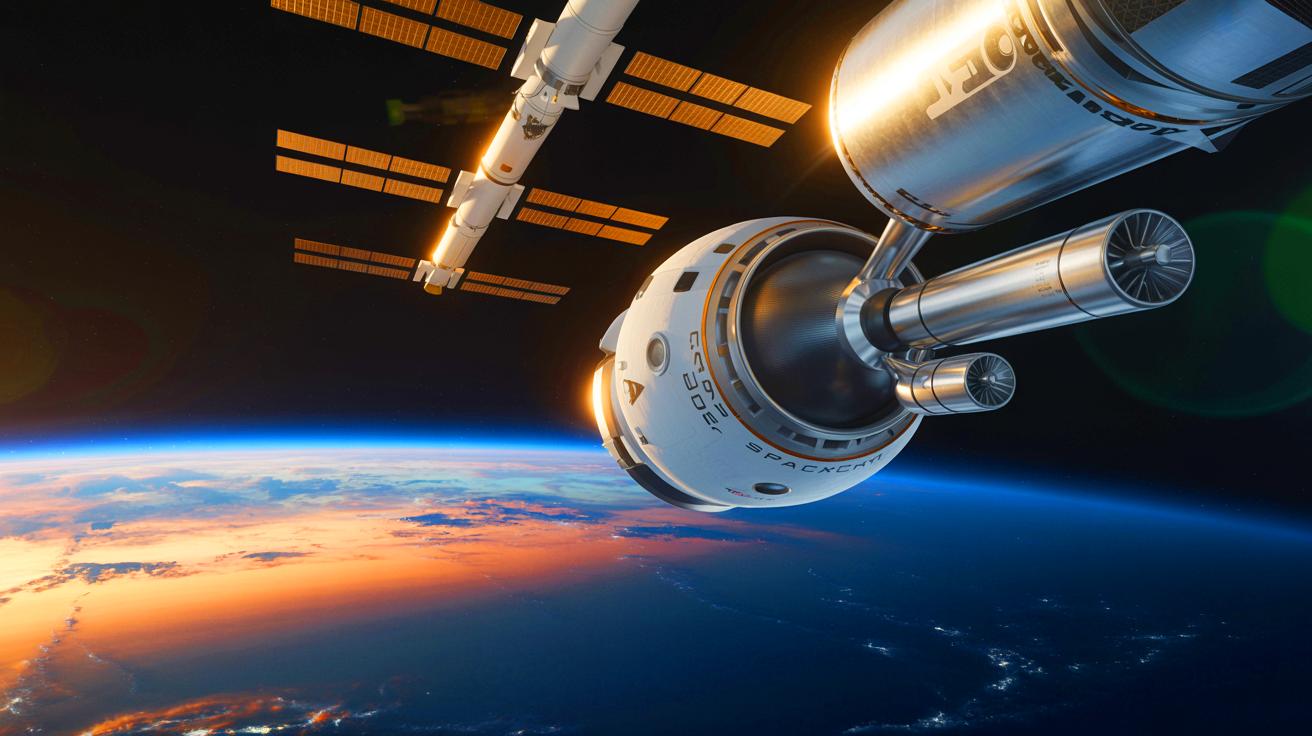
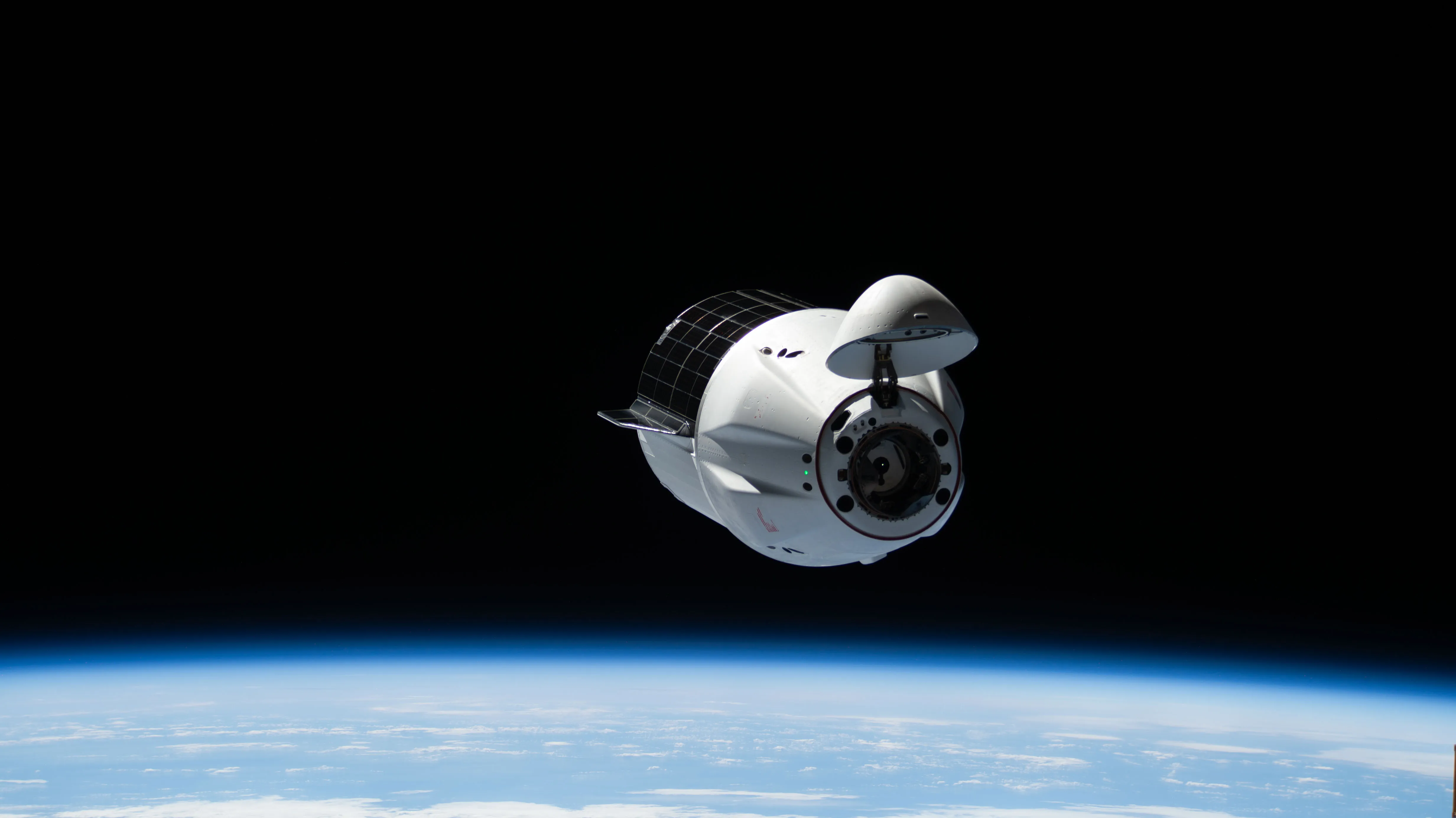
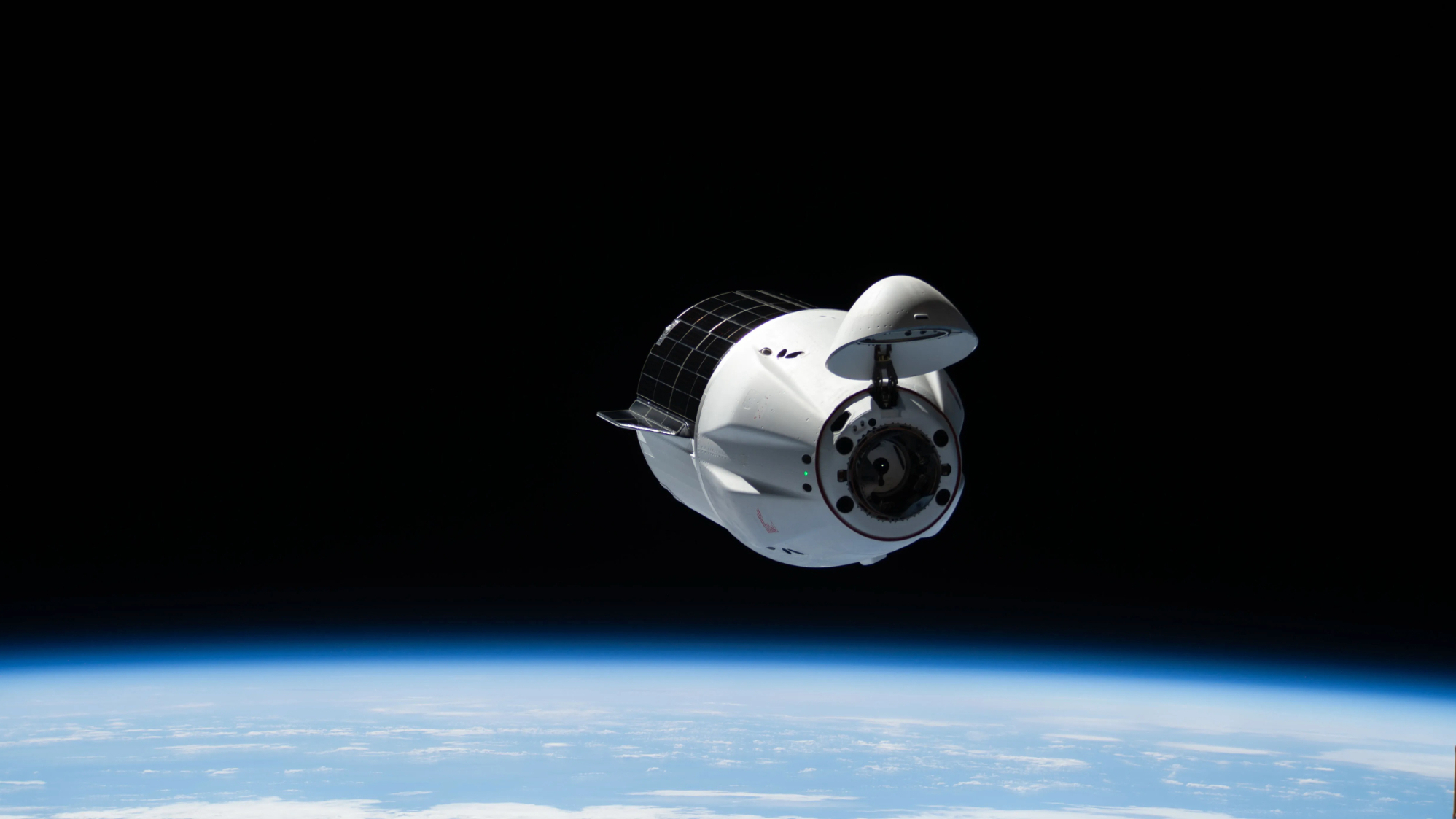
SpaceX has upgraded its Dragon spacecraft with a new thruster system to assist in maintaining the International Space Station's orbit, traditionally managed by Russia, marking a significant step in commercial space operations and collaboration with NASA.
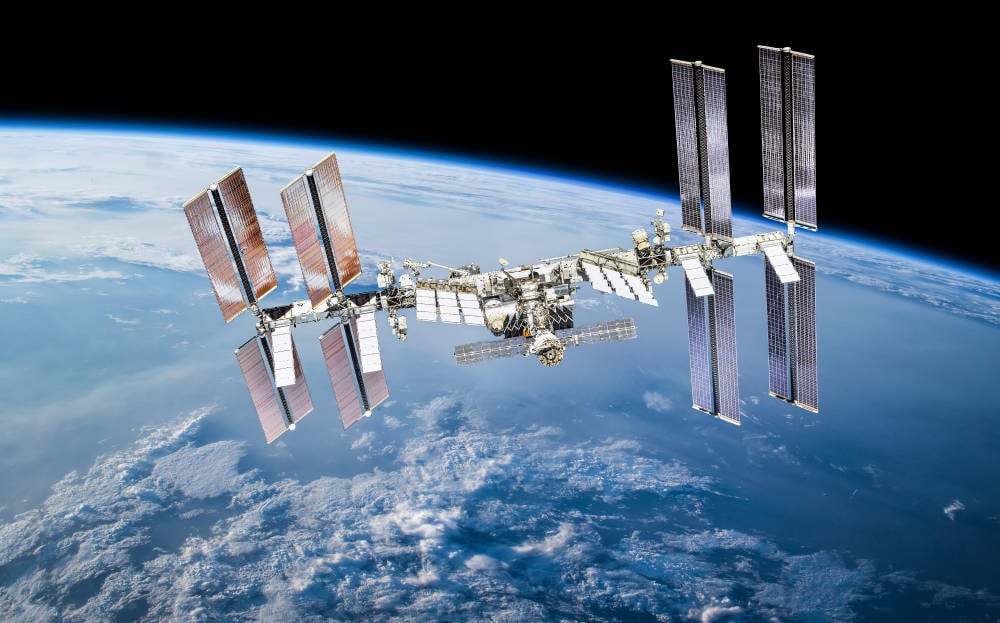
The International Space Station (ISS) is being periodically reboosted to maintain its orbit, traditionally using Russian Progress spacecraft and European ATV, but recently SpaceX's Cargo Dragon has been modified to perform reboosts, marking a significant development as the station approaches its decommissioning phase.
SpaceX's Dragon spacecraft successfully reboosted the International Space Station, raising its orbit slightly and demonstrating its capability to maintain the station's altitude, reducing reliance on Russian rockets amid concerns over the Russian space program's condition.
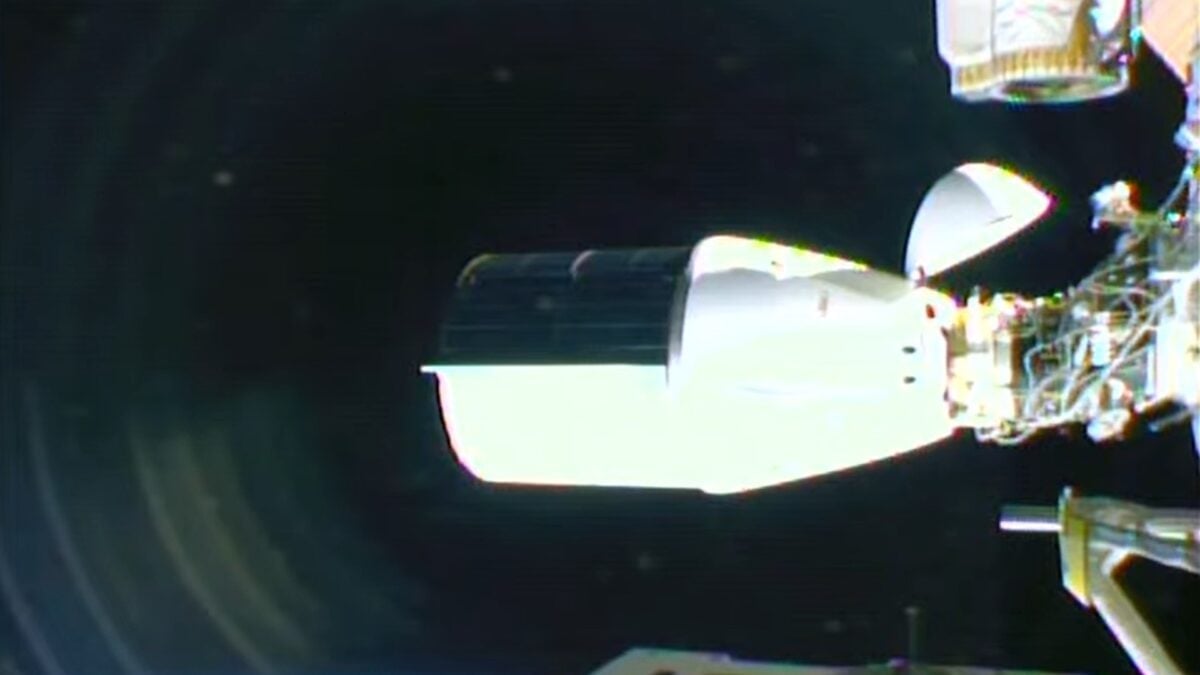
SpaceX's Dragon cargo spacecraft successfully performed a reboost of the International Space Station on September 3, 2025, raising its orbit to counteract atmospheric drag, and demonstrating its capability for future station maintenance and deorbiting tasks.
SpaceX's Dragon spacecraft will be used for the first time to help maintain the International Space Station's orbit by performing reboost maneuvers, starting in September, using a new propellant system and engines, enhancing the station's orbital stability until its planned deorbit around 2030.
SpaceX's Dragon spacecraft successfully demonstrated its ability to reboost the International Space Station (ISS) by adjusting its orbit with a 12-minute, 30-second burn of its Draco thrusters. This capability, previously provided by Roscosmos and Northrop Grumman vehicles, is crucial for maintaining the ISS's orbit. The demonstration also supports SpaceX's future role in deorbiting the ISS when it is retired, expected around 2030. The Dragon freighter, part of the 31st commercial resupply mission, also delivered over 6,000 pounds of cargo to the ISS.