Tag

Radio Interference

All articles tagged with #radio interference

science-and-technology2 months ago

SpaceX Satellite Network Emits Mysterious Signal

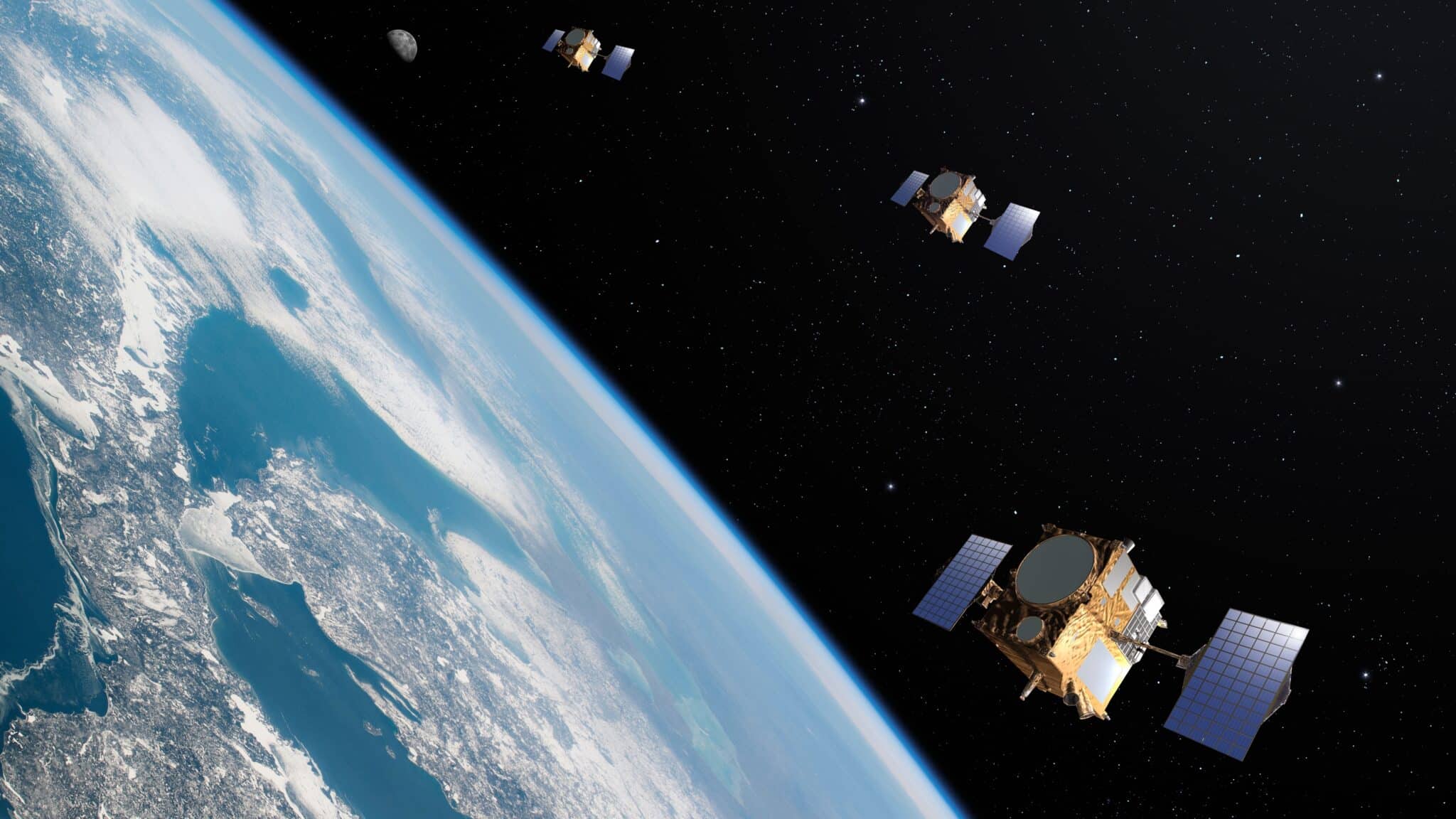
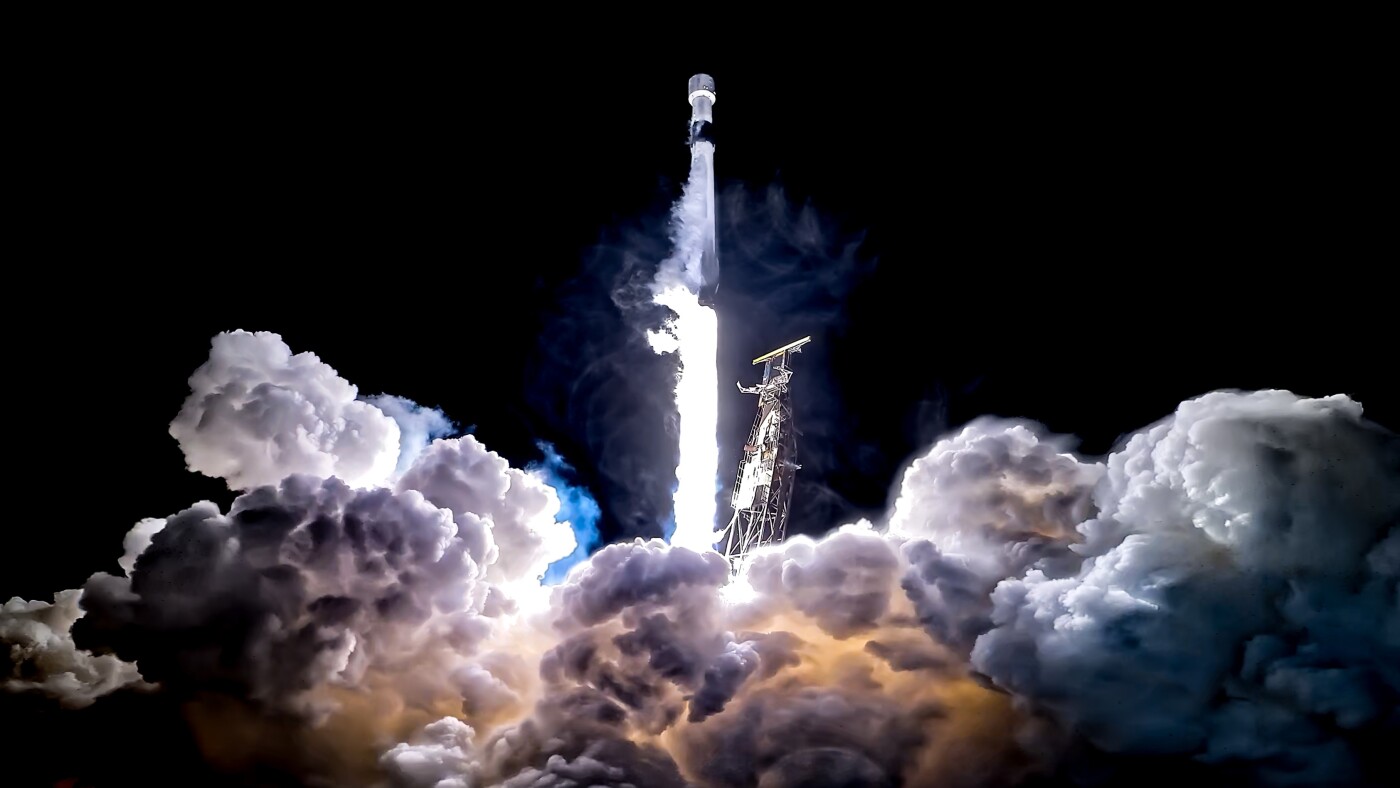
A classified constellation of SpaceX's Starshield satellites is emitting unexpected signals in the radio spectrum, potentially violating international standards and risking interference with other satellites. Discovered by amateur tracker Scott Tilley, these signals are unusual because they are transmitted on frequencies typically used for uplinking, raising questions about their purpose and the potential for space communication disruptions. SpaceX and the NRO have not commented on the issue.
astronomy5 months ago

Satellite proliferation challenges radio astronomy and spectrum sharing

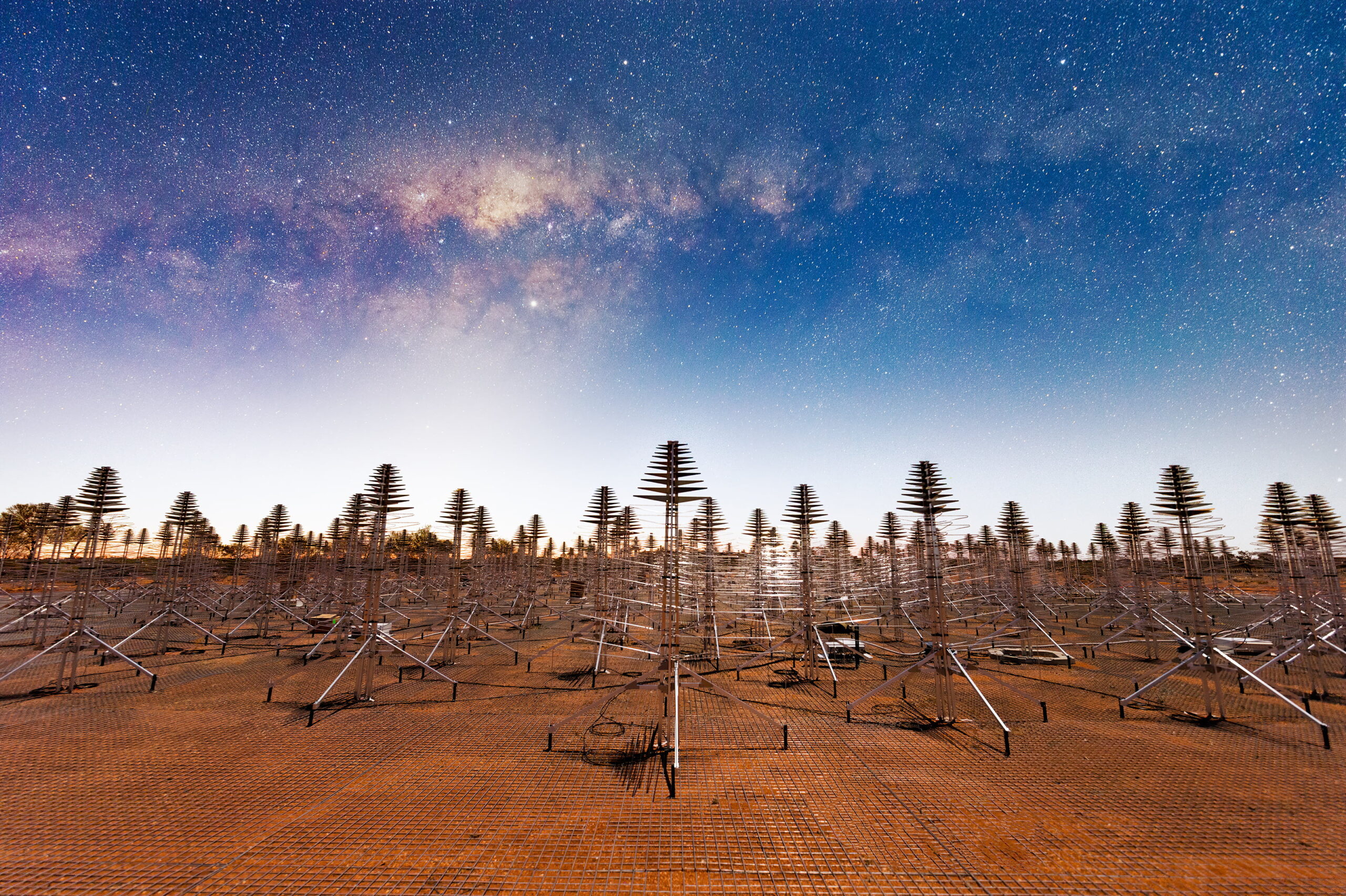
A study using the SKA-Low pathfinder telescope found that nearly 30% of Starlink satellites in orbit emit unintentional electromagnetic radiation at low radio frequencies, which could significantly impact radio astronomy observations, especially for the Epoch of Reionization studies. The findings highlight the need for increased regulation and mitigation efforts to address satellite-induced radio interference, as current international guidelines do not regulate this type of emission.

science6 months ago

Wi-Fi and Phone Satellites Obstruct Scientists' View of Black Holes and the Universe

Scientists rely on radio signals from distant black holes to precisely measure Earth's position for satellite navigation and observation, but increasing human-made radio signals from Wi-Fi, mobile phones, and satellites are causing interference, threatening these essential measurements. To address this, international cooperation is needed to allocate more radio spectrum lanes and establish radio quiet zones, ensuring the continued accuracy of geodetic measurements and satellite services.

science-and-technology1 year ago

Concerns Mount Over Starlink's Impact on Space and Earth

Elon Musk's Starlink satellites, while providing valuable internet services globally, are causing significant interference with astronomical observations, particularly in radio astronomy. Scientists express concerns that the increasing number of satellites, which could reach 100,000 by 2030, are obstructing views of the universe and complicating the detection of faint signals from distant celestial objects. Efforts are underway to mitigate these impacts, including collaboration between SpaceX and scientific organizations to develop solutions like shielding and signal avoidance techniques.

space-weather1 year ago

"Record-breaking Solar Storms Disrupt Communications and Illuminate Skies with Stunning Auroras"

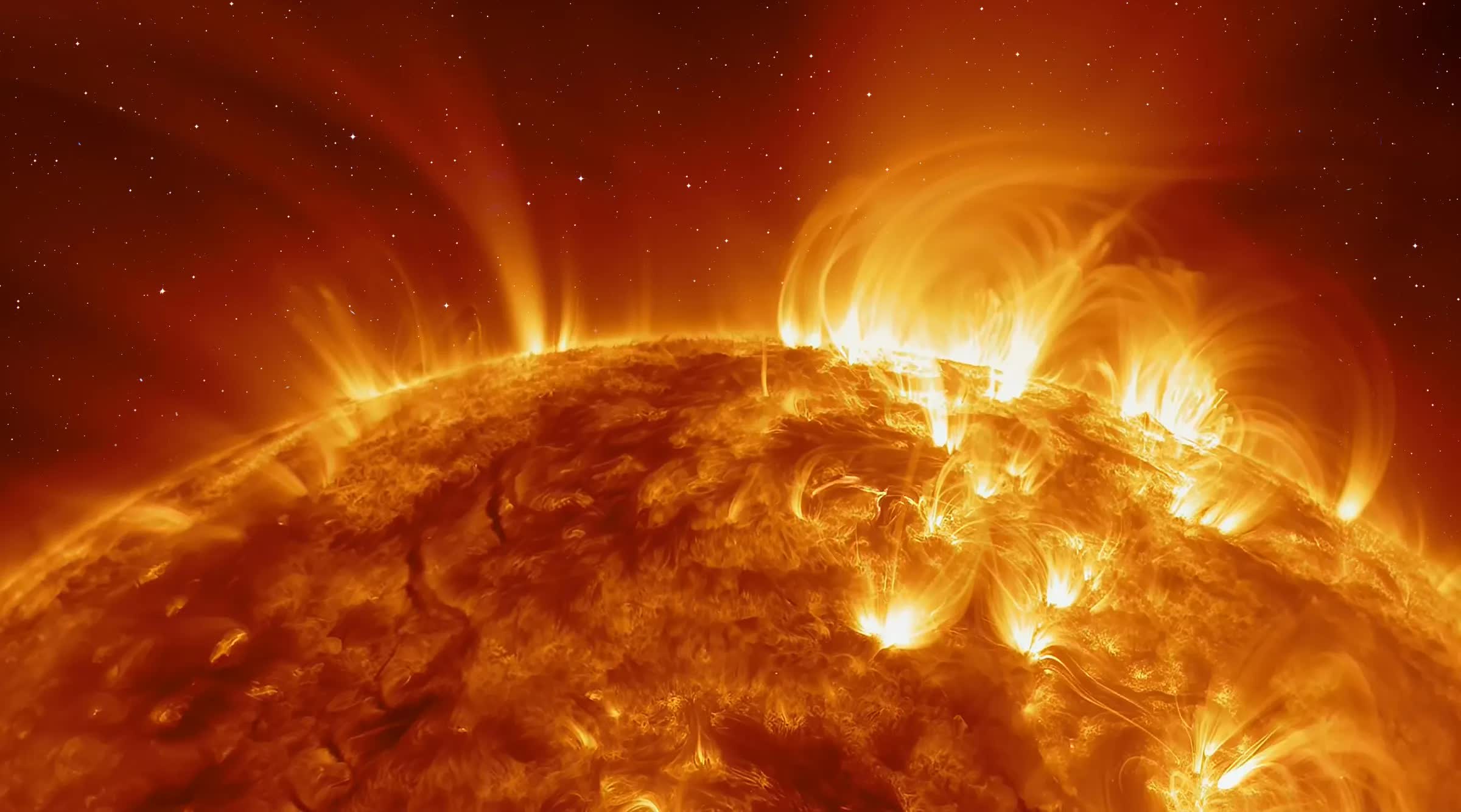
Space weather forecasters have issued a geomagnetic storm watch, warning of potential interference with radio transmissions and the possibility of stunning aurora viewing. The outburst of plasma from a solar flare could affect high-frequency radio transmissions and satellite tracking, but is not expected to cause major disruptions. This event is part of the sun's active solar maximum cycle, occurring approximately every 11 years, and provides an opportunity for those at higher latitudes to witness beautiful night skies.

science-and-technology2 years ago

Solar Flares Spark Spectacular Northern Lights Show Across the Globe

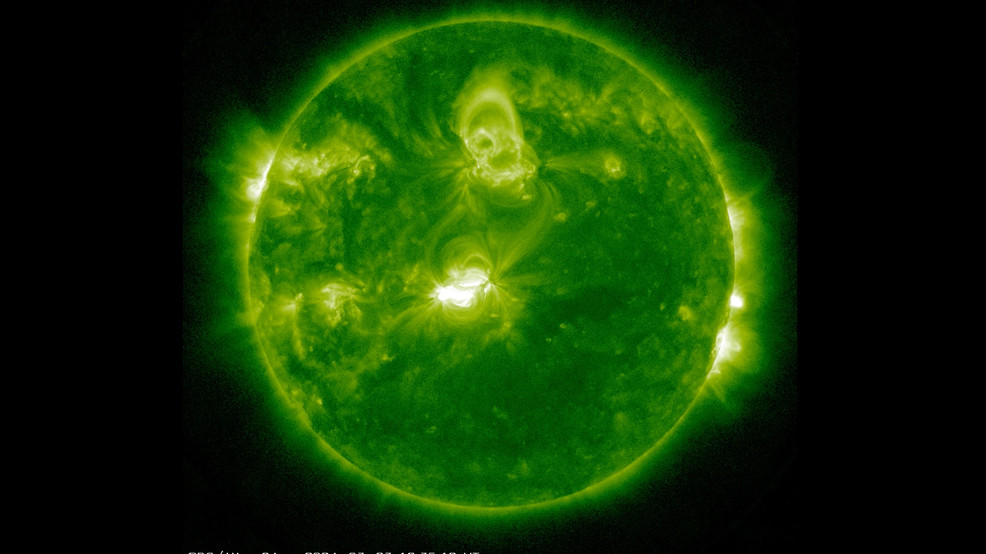
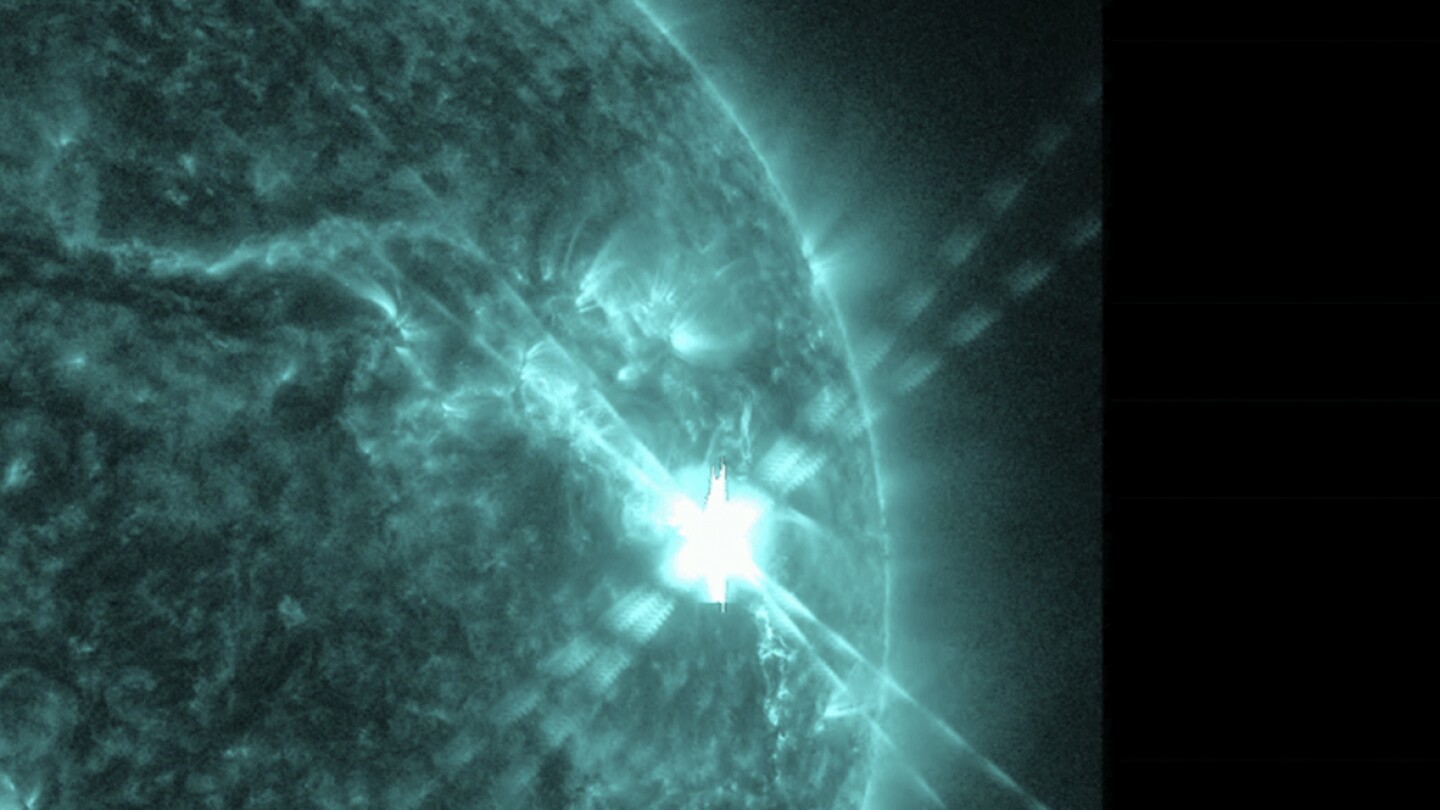
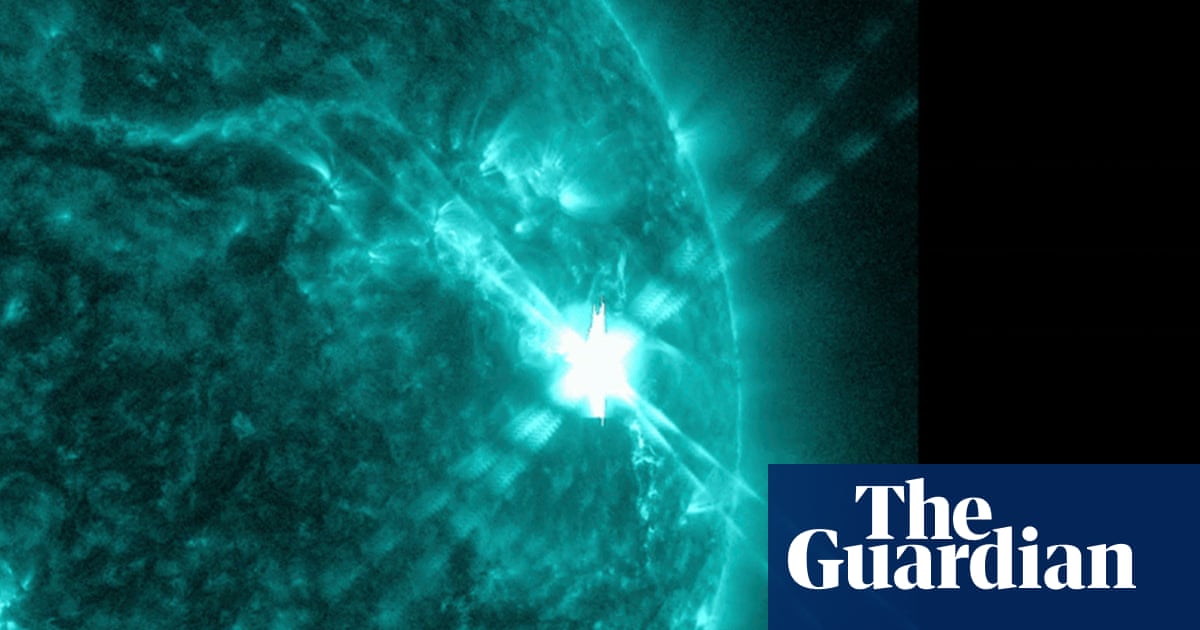
NASA has detected a powerful X2.8 solar flare, the most substantial since 2017, which caused two hours of radio interference in the US and other sunlit areas. Solar flares can disrupt radio communications, power grids, and navigation signals, as well as pose risks to spacecraft and astronauts. Scientists are monitoring the Sun's activity for potential coronal mass ejections (CMEs) that could cause further disruptions and geomagnetic storms. NASA's observatories, including the Solar Dynamics Observatory, study the Sun's activity and its impact on Earth's environment.

science-and-technology2 years ago

Solar Flare Disrupts Radio Signals and Promises Stunning Northern Lights Display

NASA's Solar Dynamics Observatory captured the biggest solar flare since 2017, causing a massive radio burst that disrupted radio communication on Earth for two hours. The flare and radio burst were one of the largest solar radio events ever recorded, affecting even higher frequencies. Scientists are monitoring the sunspot region for a possible coronal mass ejection that could result in a geomagnetic storm, disrupting high-frequency radio signals and potentially triggering northern lights in the coming days. The sun is nearing the peak of its 11-year solar cycle, with maximum sunspot activity predicted for 2025.

science-and-technology2 years ago

"Massive Solar Flare Causes Temporary Radio Signal Disruption on Earth"

NASA's Solar Dynamics Observatory captured the largest solar flare in years, causing two hours of radio interference on Earth. The flare, accompanied by a massive radio burst, disrupted communication and affected even higher frequencies. Scientists are monitoring the sunspot region for a possible coronal mass ejection that could trigger a geomagnetic storm, disrupting high-frequency radio signals and potentially causing northern lights in the coming days. The sun is nearing the peak of its 11-year solar cycle, with maximum sunspot activity predicted for 2025.

science-and-technology2 years ago

"Powerful Solar Flare Disrupts Earth's Radio Communications and Promises Spectacular Northern Lights"

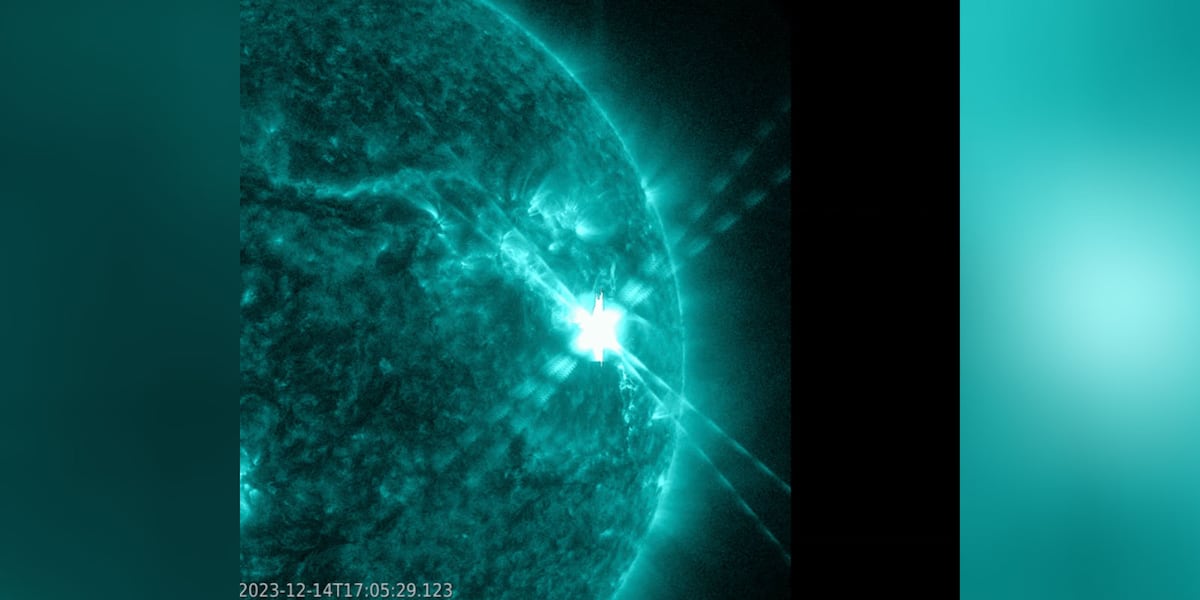
NASA has released images of a powerful solar flare, an X-class flare of the highest intensity, that caused radio interference on Earth for about two hours. The flare, the most powerful in six years, was captured by NASA's solar dynamics observatory and has the potential to affect radio communications, power grids, navigation signals, and pose risks to spacecraft and astronauts. The event was described as "amazing" and one of the largest solar radio events ever recorded.

science-and-technology2 years ago

"Concerns Rise as Enormous Satellite Outshines Stars in Night Sky"

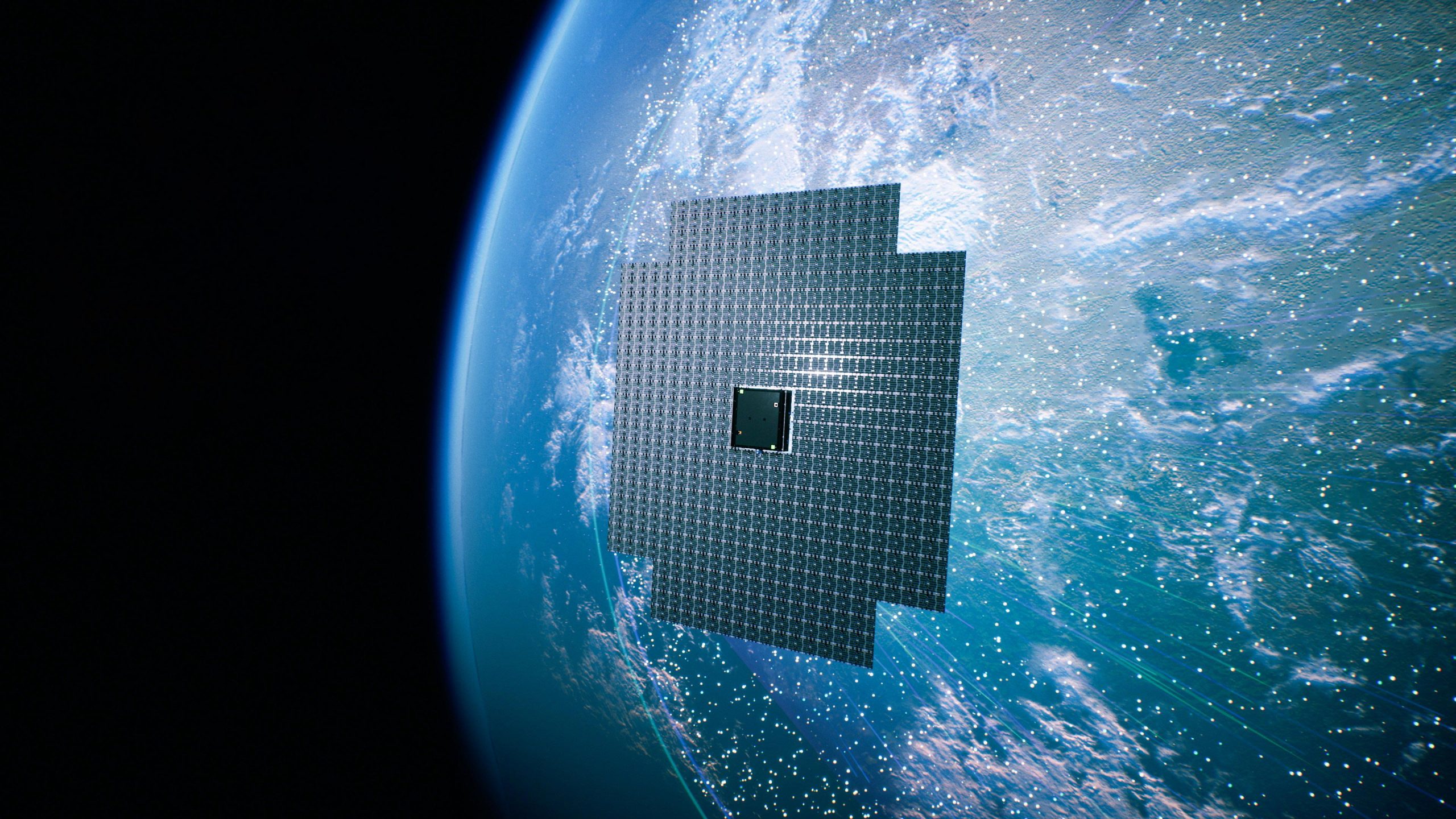
The prototype satellite BlueWalker 3, part of a planned constellation for global mobile communications, has raised concerns among astronomers due to its brightness, outshining all but the brightest stars in the night sky. The satellite's potential to disrupt astronomical observations and radio astronomy has prompted an international team of scientists to assess its impact. The data collected show an abrupt increase in brightness coinciding with the unfolding of the satellite's antenna array. The interference with radio astronomy is also a concern, as BlueWalker 3 transmits at frequencies close to those used by radio telescopes. Efforts are being made to develop strategies to protect existing and upcoming telescopes from the numerous satellites planned for launch in the next decade.