Tag

Bluewalker 3

All articles tagged with #bluewalker 3

science2 years ago

Satellite's Brightness Threatens Ground-Based Astronomy and Drowns Out Stars

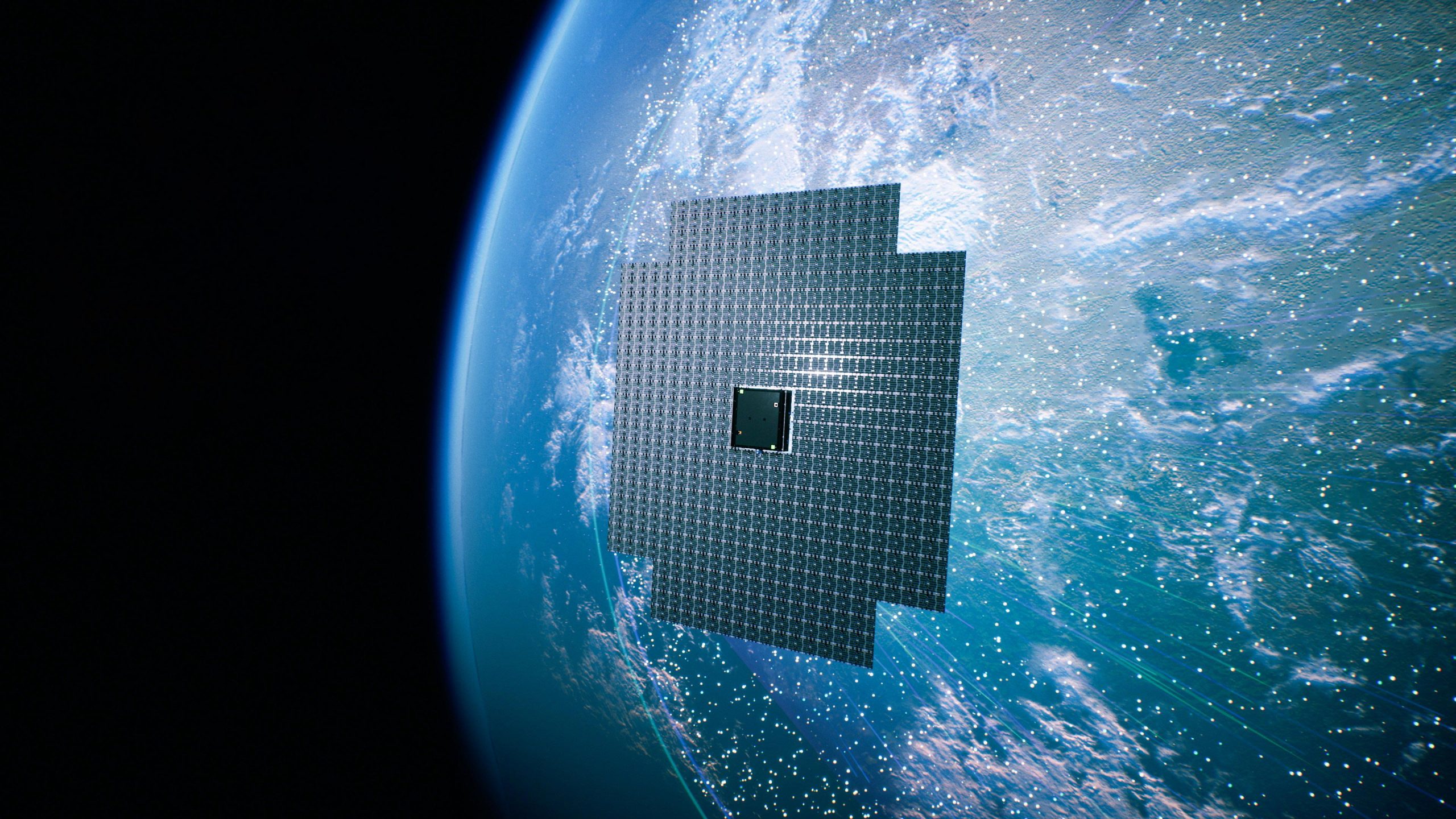
BlueWalker 3, a prototype satellite developed by AST SpaceMobile, has been spotted in the night sky and is as bright as two of the brightest stars. Its peak brightness raises concerns about light pollution and its impact on ground-based astronomy. The satellite's large constellation and proximity to Earth in low-earth orbit pose challenges for observing planets and stars. Additionally, the satellite's radio frequency could interfere with radio astronomy. Researchers are calling for a cap on the number of low-altitude satellites to prevent a sky polluted with artificial light.

science-and-technology2 years ago

"BlueWalker 3: The Brightest Satellite Outshining Stars and Raising Astronomical Concerns"

BlueWalker 3, a prototype communications satellite with a large antenna, has become one of the brightest objects in the night sky, causing concern among astronomers. The satellite's brightness exceeds the International Astronomical Union's guidelines and poses a threat to observatories and astronomical research. With the increasing proliferation of satellites, including constellations like Starlink, the night sky is becoming crowded, and the cumulative effect of these satellites could transform the natural view of the sky. Astronomers are calling for active satellite tracking and avoidance strategies to mitigate the impact on ground-based telescopes. Collaboration between the space industry and the astronomy community is crucial to finding solutions to this growing problem of light pollution from satellites.

technology2 years ago

"BlueWalker 3: The Controversial Brightest Satellite in the Night Sky"

The BlueWalker 3 satellite, which can turn a mobile phone into a satellite phone, is now one of the brightest objects in the night sky, raising concerns among astronomers about light pollution. The satellite's remarkable brightness poses a significant challenge for ground-based telescopes used by astronomers to observe the celestial night sky. Rapidly growing mega-constellations of internet satellites are already disrupting astronomical observations, and the BlueWalker 3 is the brightest satellite in low Earth orbit yet. Astronomers are calling for measures to address this issue, including potential adjustments to satellite designs and mandatory evaluations of a satellite's impact on the nighttime sky prior to launch.

science-and-technology2 years ago

"Concerns Rise as Enormous Satellite Outshines Stars in Night Sky"

The prototype satellite BlueWalker 3, part of a planned constellation for global mobile communications, has raised concerns among astronomers due to its brightness, outshining all but the brightest stars in the night sky. The satellite's potential to disrupt astronomical observations and radio astronomy has prompted an international team of scientists to assess its impact. The data collected show an abrupt increase in brightness coinciding with the unfolding of the satellite's antenna array. The interference with radio astronomy is also a concern, as BlueWalker 3 transmits at frequencies close to those used by radio telescopes. Efforts are being made to develop strategies to protect existing and upcoming telescopes from the numerous satellites planned for launch in the next decade.

science-and-technology2 years ago

"Massive BlueWalker 3 Satellite Raises Concerns Over Light Pollution and Astronomical Observations"

Astronomers have expressed concerns over the increasing light pollution caused by BlueWalker 3, a communications satellite resembling a Tetris block. The satellite's peak brightness is comparable to some of the brightest stars in the night sky, posing challenges to ground-based and space-based astronomy. The large reflective brightness of such satellites leaves streaks in telescope detectors, making it difficult to recover affected data. Additionally, the radio frequencies used by BlueWalker 3 could interfere with radio astronomy. Efforts are being made to mitigate the impact, but the trend towards launching larger and brighter satellites continues. Researchers have called for a cap on low-altitude satellites to reduce light pollution and preserve the ability to study the night sky.