A study confirms that residents near Coldwater Creek in Missouri, contaminated with WWII-era nuclear waste, have a higher risk of cancer, especially those who lived closer to the creek during the 1940s-1960s, highlighting ongoing environmental health concerns and the need for remediation.

Children living near Coldwater Creek in St. Louis, contaminated with atomic waste from WWII, have a significantly higher risk of cancer, with risk increasing the closer they lived to the creek, raising concerns about long-term health impacts of radioactive pollution.
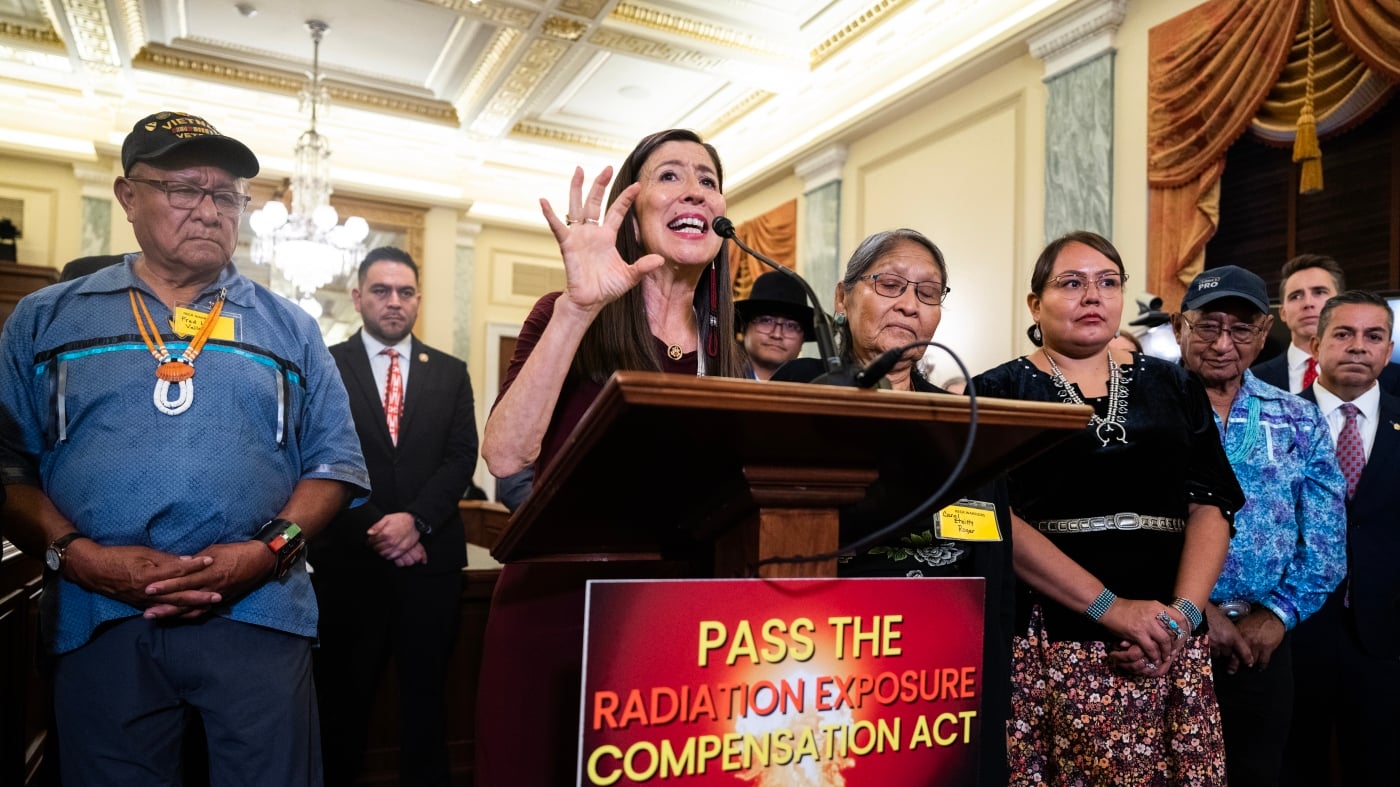
A study links childhood exposure to radioactive waste from Coldwater Creek near St. Louis to increased cancer risk, leading to legislative efforts to aid affected individuals, highlighting ongoing concerns about radiation safety and environmental cleanup.
A Harvard-led study found that children living near Coldwater Creek in Missouri, contaminated by radioactive waste from Coldwater Creek, had a 44% higher risk of developing cancer later in life, highlighting long-term health risks from nuclear waste exposure and prompting calls for accountability and caution in nuclear projects.
Newly-released government records reveal that radioactive waste from the Manhattan Project was known to pose a threat to people living near Coldwater Creek in St. Louis as early as 1949, but federal officials repeatedly downplayed the risks. Generations of children who grew up near the creek have faced rare cancers and autoimmune disorders believed to be caused by exposure to its waters and sediment. Cleanup of the creek is expected to take until 2038, and a federal study has found elevated rates of various cancers in the area. The documents show that private companies and the government were aware of the contamination but kept it secret from the public.