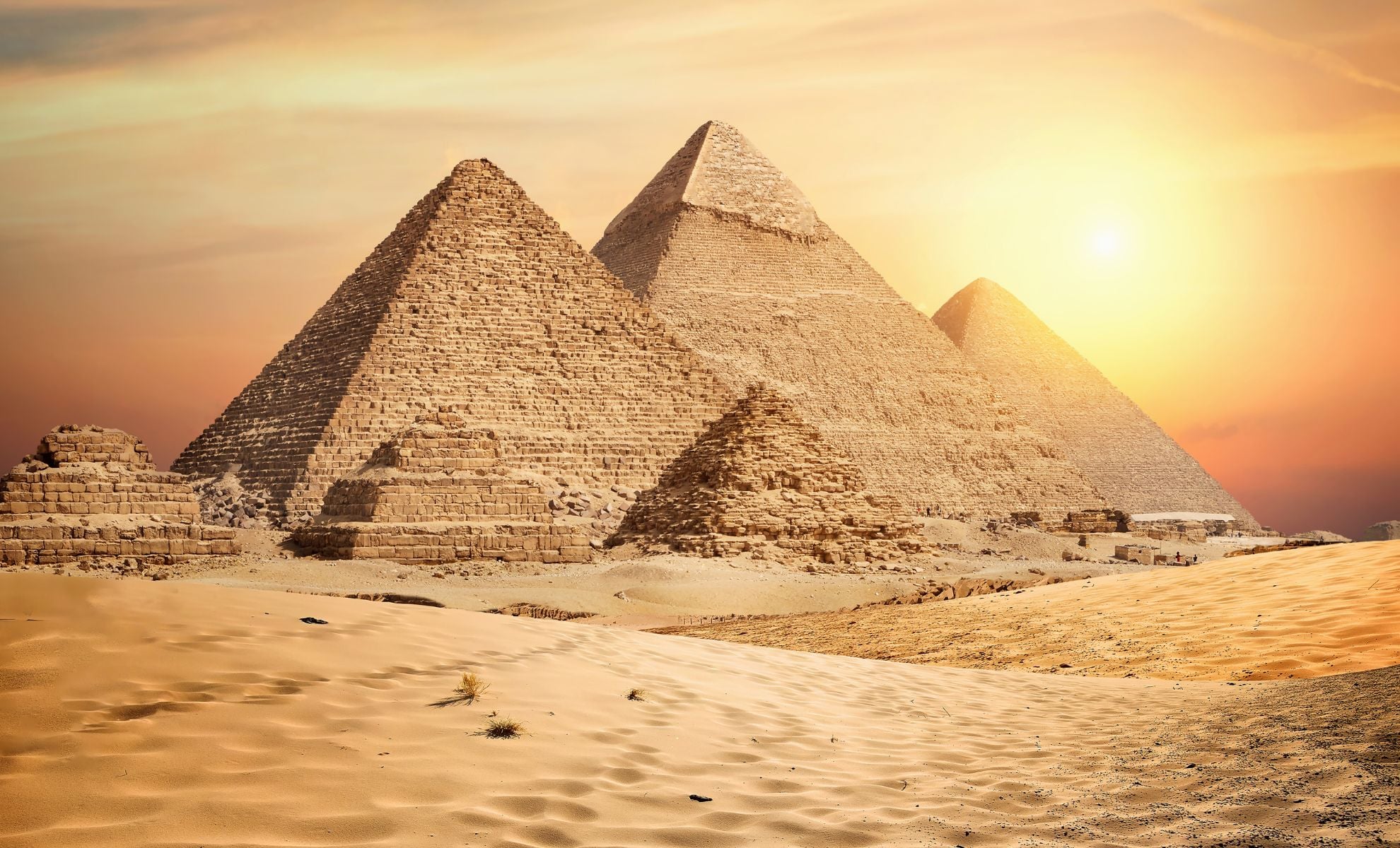
Scientists have detected plasma bubbles in Earth's ionosphere over Egypt's Pyramids using a new long-range radar system, marking a significant advancement in space weather monitoring that could improve predictions of disruptions to communication and navigation systems worldwide.
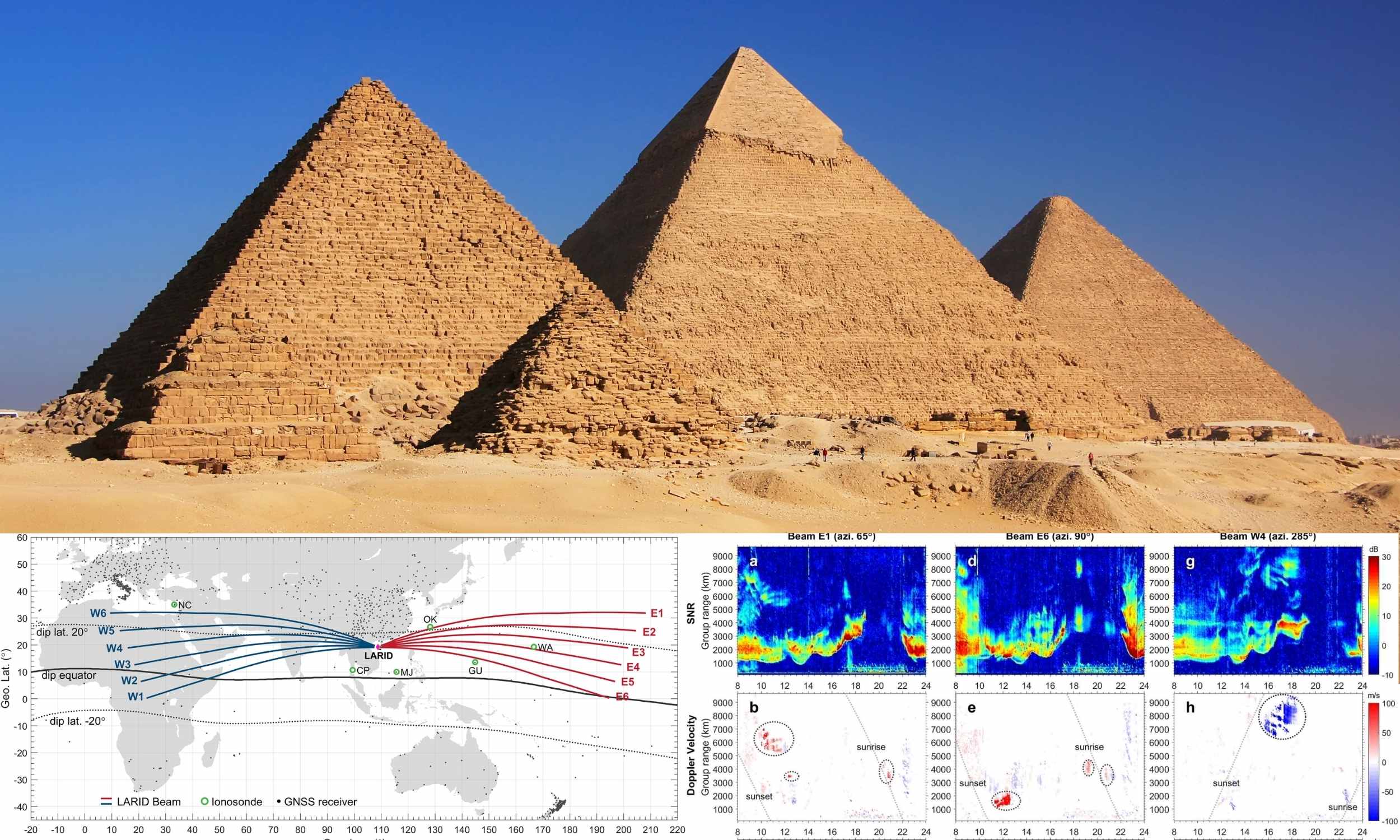
A Chinese radar station on Hainan Island has detected a plasma bubble over the Pyramids of Giza from nearly 6,000 miles away, demonstrating advanced long-range ionospheric monitoring that can help predict space weather effects on communication and navigation systems worldwide.
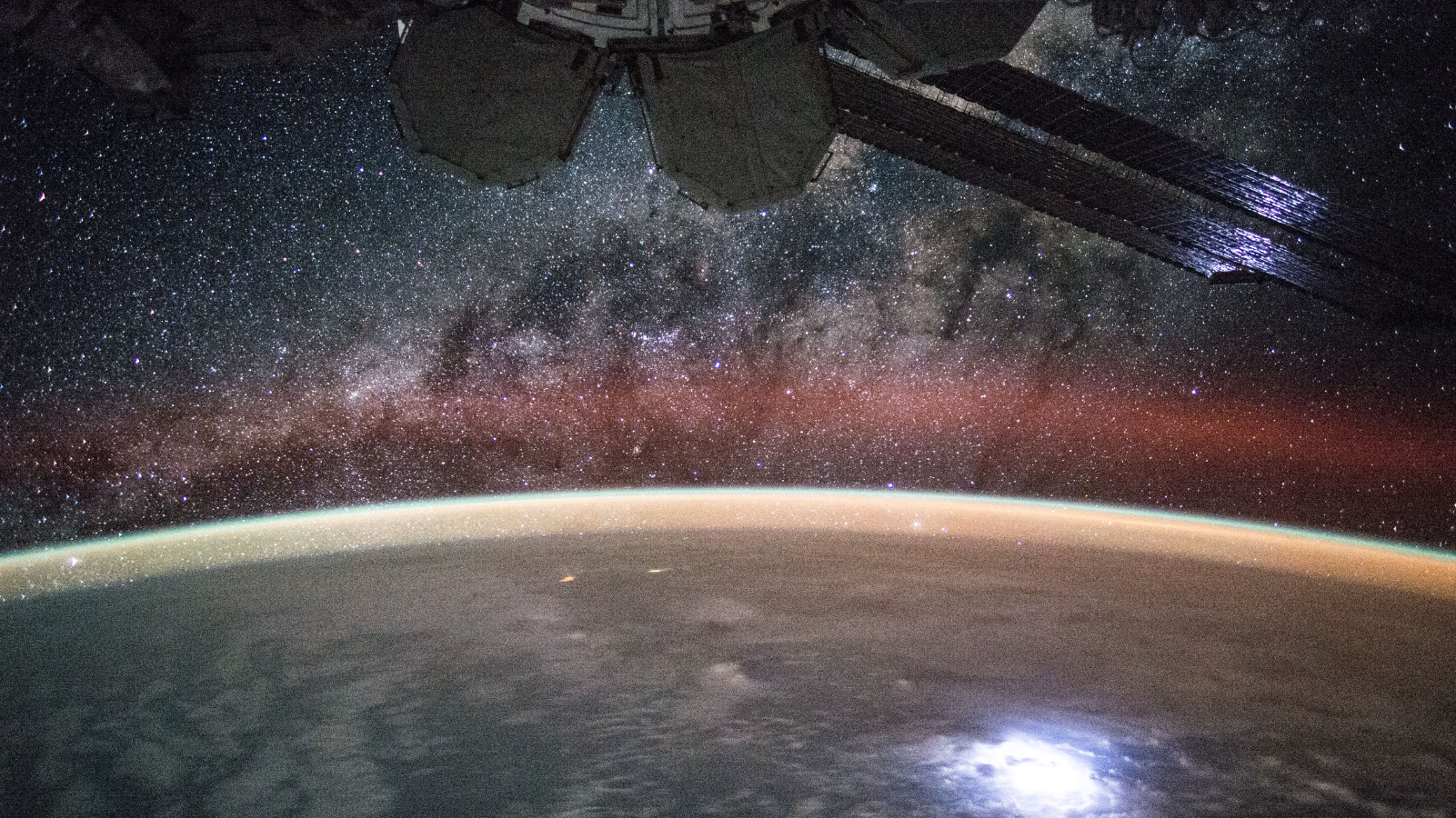
Scientists in China have developed a machine learning method to detect invisible equatorial plasma bubbles in Earth's ionosphere by analyzing changes in airglow, which could help prevent disruptions to GPS and radio signals caused by these cavities.
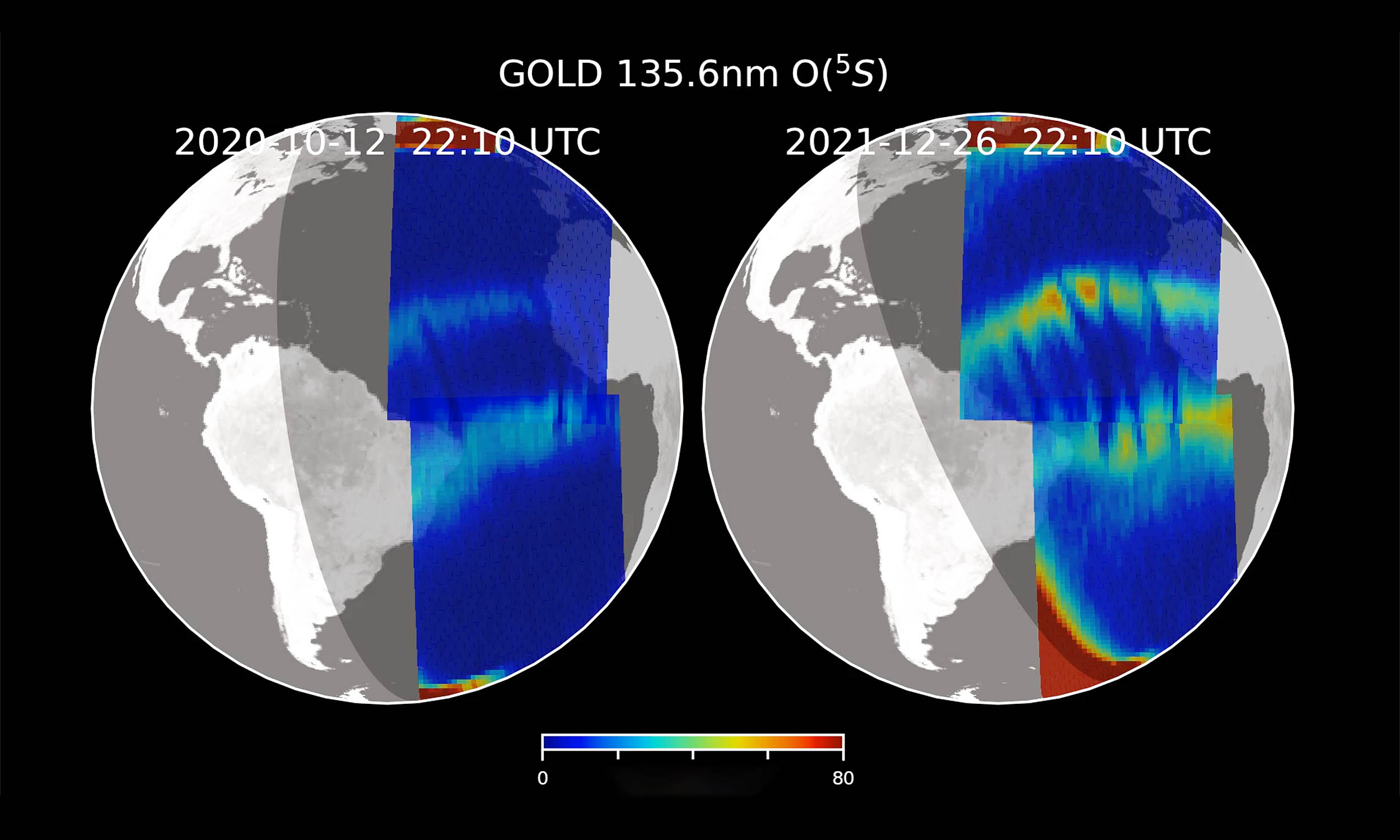
NASA's GOLD satellite has unexpectedly observed X-shaped plasma structures in Earth's ionosphere during calm conditions, revealing complex atmospheric dynamics that can impact GPS and radio signals, with implications for future space weather forecasting.
Ham radio operators used the October 14 solar eclipse to conduct an experiment on the Earth's ionosphere, which affects radio frequency communications. By collecting data on global communications during the eclipse, they were able to study the impact on RF transmissions. The experiment also revealed the presence of plasma bubbles near the Earth's magnetic equator, causing interference and a Doppler shift in the signals. Future lunar eclipses will provide more opportunities for ham radio operators to contribute to ionospheric science.
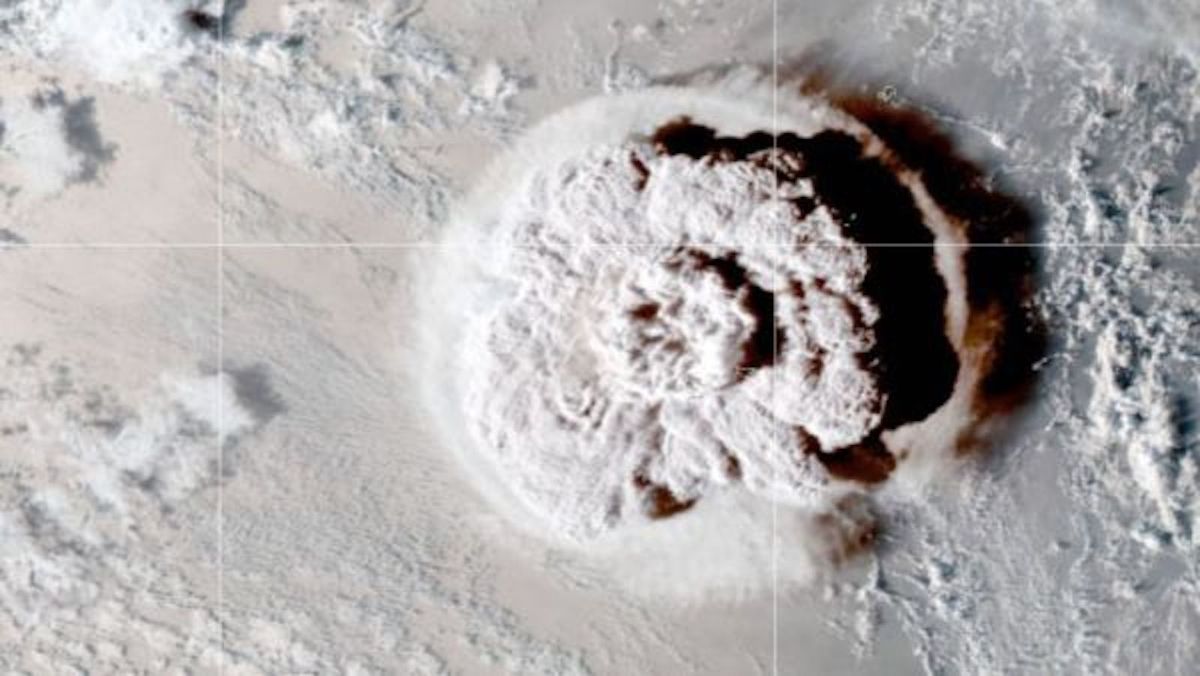
An underwater volcanic eruption in Tonga last year generated plasma bubbles that disrupted radio communications in outer space, according to a new study. The eruption was the most powerful natural explosion in more than a century, rivaling the strength of the largest U.S. nuclear bomb. The new findings may help scientists forecast plasma bubbles associated with volcanic eruptions and other events on Earth's surface. Future research can also investigate the atmospheric effects of volcanoes on distant worlds.