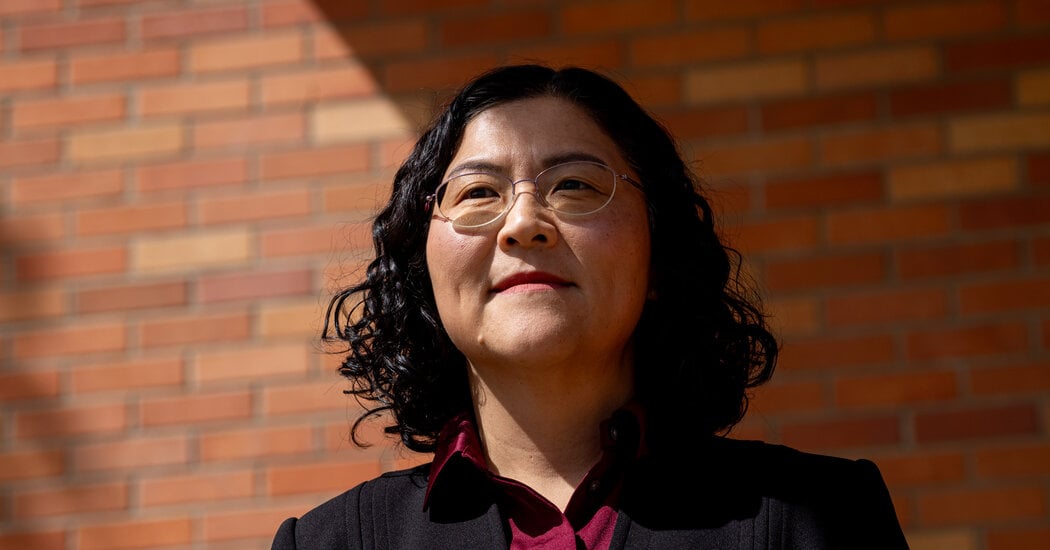
The U.S. federal government has significantly reduced funding for research on health disparities among minority and low-income groups, citing concerns over identity politics, which threatens ongoing efforts to understand and address racial and socioeconomic health gaps.
A new report by the nonprofit Reprieve found that states made significantly more mistakes during the executions of Black people than they did with prisoners of other races, with half of the botched lethal injection executions being of Black people, despite them accounting for only a third of the prisoners executed. The study suggests that racism extends even to the final step of the death penalty, and experts believe that systemic racial discrimination and biases in healthcare may contribute to the disparities in the administration of lethal injections. The authors of the report recommend imposing a moratorium on lethal injection executions and commissioning investigations to better understand the issues.
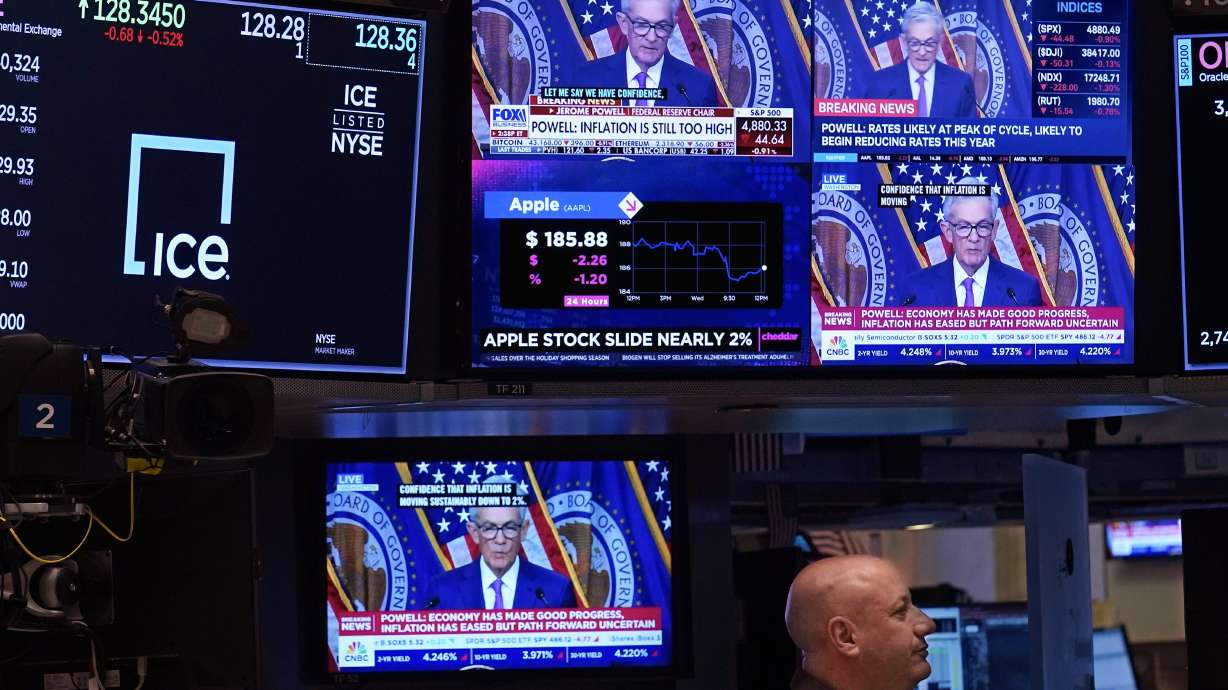
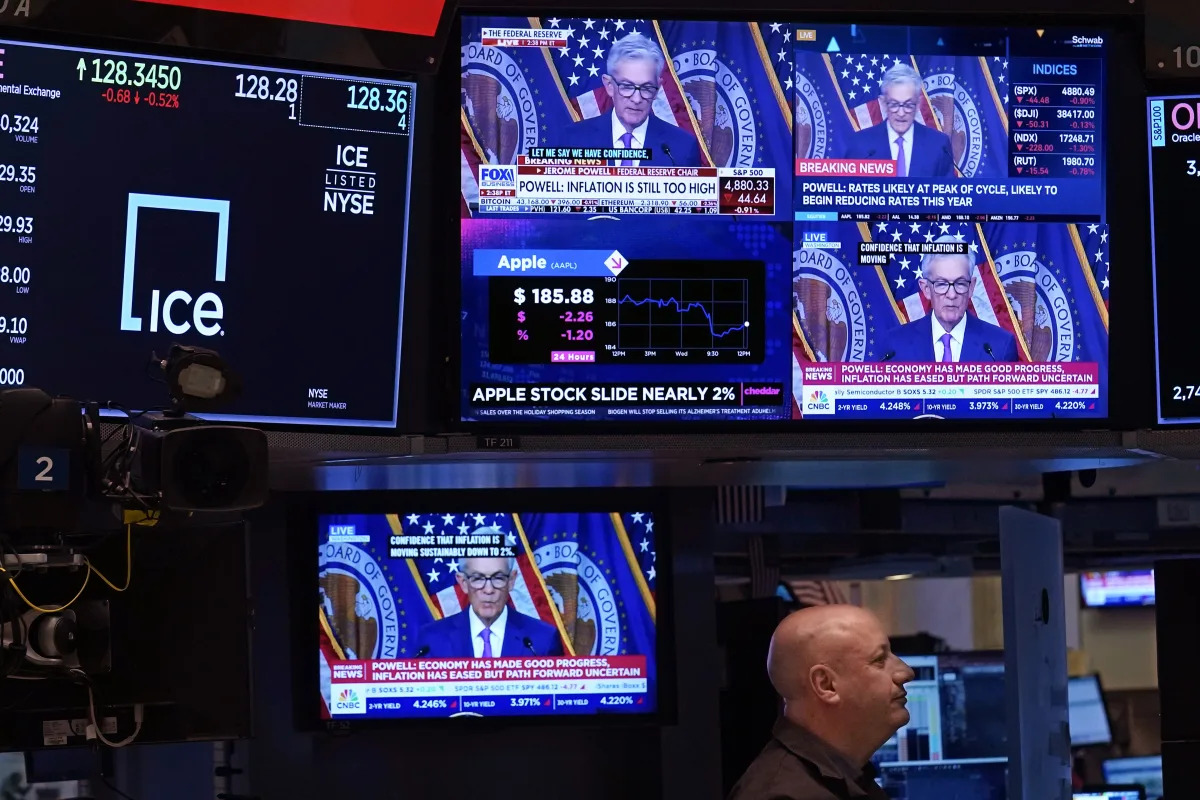
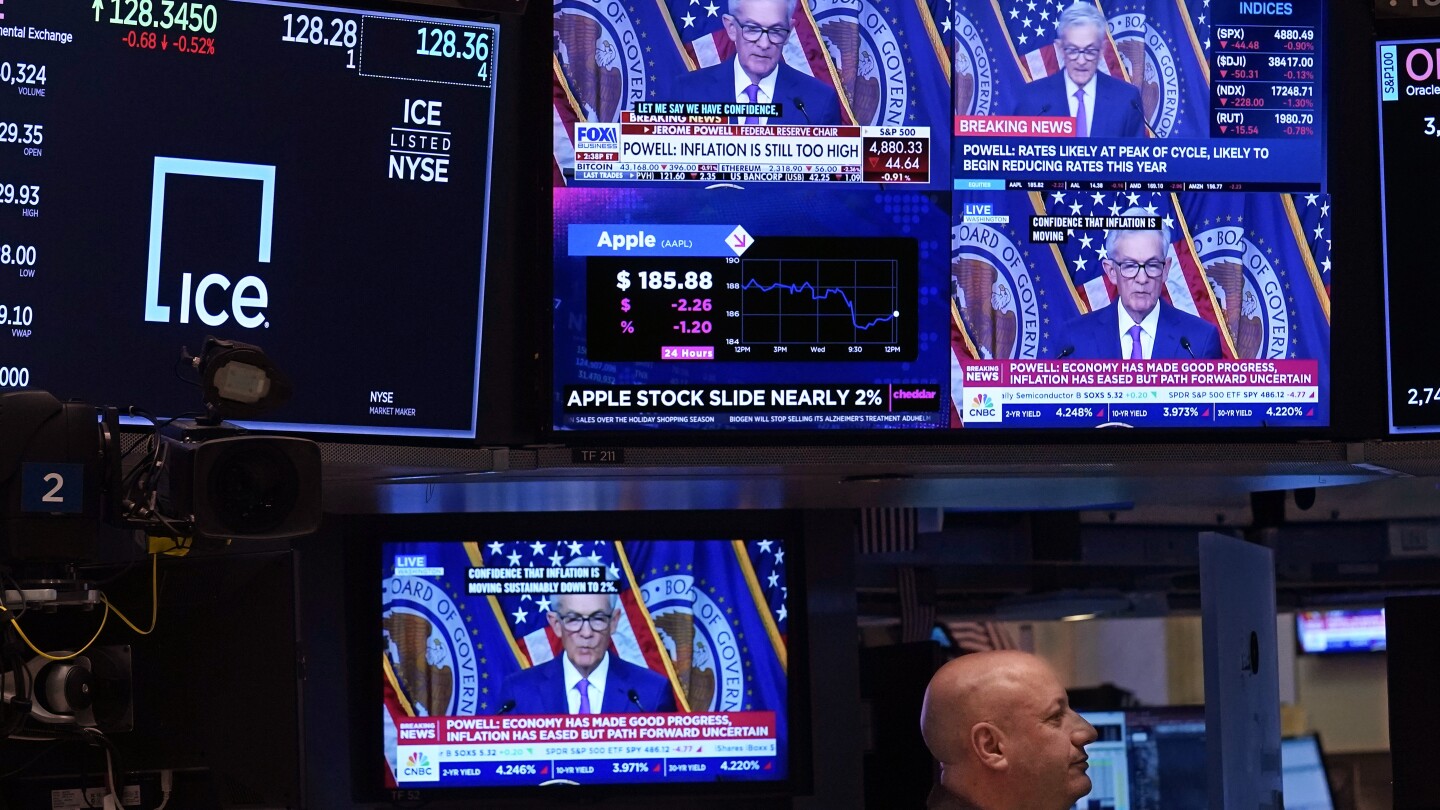
Despite income gains and government financial support during the pandemic, wealth disparities by race grew as the real net worth of white individuals outgrew that of Black and Hispanic individuals, with a significant divergence in the values of financial asset holdings. Black and Hispanic households have a smaller percentage of investments in stocks and mutual funds compared to white households, and Black-owned businesses were more adversely affected during the pandemic. Treasury deputy secretary Walley Adeyemo acknowledged the need for policy prescriptions to address the significant wealth gap between Black and white households in America.
Despite income gains and government financial support during the pandemic, wealth disparities by race grew, with white individuals experiencing a 30% increase in net worth compared to Black individuals and a 9% increase compared to Hispanic individuals. The rise in financial asset prices, particularly in stocks, widened the wealth gap, as a larger percentage of white households have investments in stocks and mutual funds. Black and Hispanic households have more wealth concentrated in pensions, and Black-owned businesses were disproportionately affected by the pandemic. While there have been improvements in employment and wages for Black Americans, Treasury Deputy Secretary Walley Adeyemo suggested that policy interventions may be necessary to address the significant wealth gap between Black and white households in the U.S.
Despite income gains and government financial support during the pandemic, wealth disparities by race grew as the real net worth of white individuals outpaced that of Black and Hispanic individuals, largely due to the outsize gain in financial asset prices, particularly in stocks. Black and Hispanic households have more wealth concentrated in pensions than in stocks and mutual funds, and Black-owned businesses were disproportionately affected by the pandemic. While there have been improvements in employment and wages for Black Americans, Treasury Deputy Secretary Walley Adeyemo suggested that policy interventions may be necessary to address the significant wealth gap between Black and white households in the U.S.
Despite income gains and government support during the pandemic, wealth disparities between white, Black, and Hispanic individuals widened, with white individuals experiencing greater net worth growth. The disparity is attributed to differences in stock market investments, with a larger percentage of white households having money in stocks and mutual funds. Black and Hispanic households were more affected by declines in financial asset values and business ownership during the pandemic. While there have been improvements in employment and wages for Black Americans, Treasury Deputy Secretary Walley Adeyemo suggests that policy interventions may be necessary to address the significant wealth gap between racial groups in the U.S.
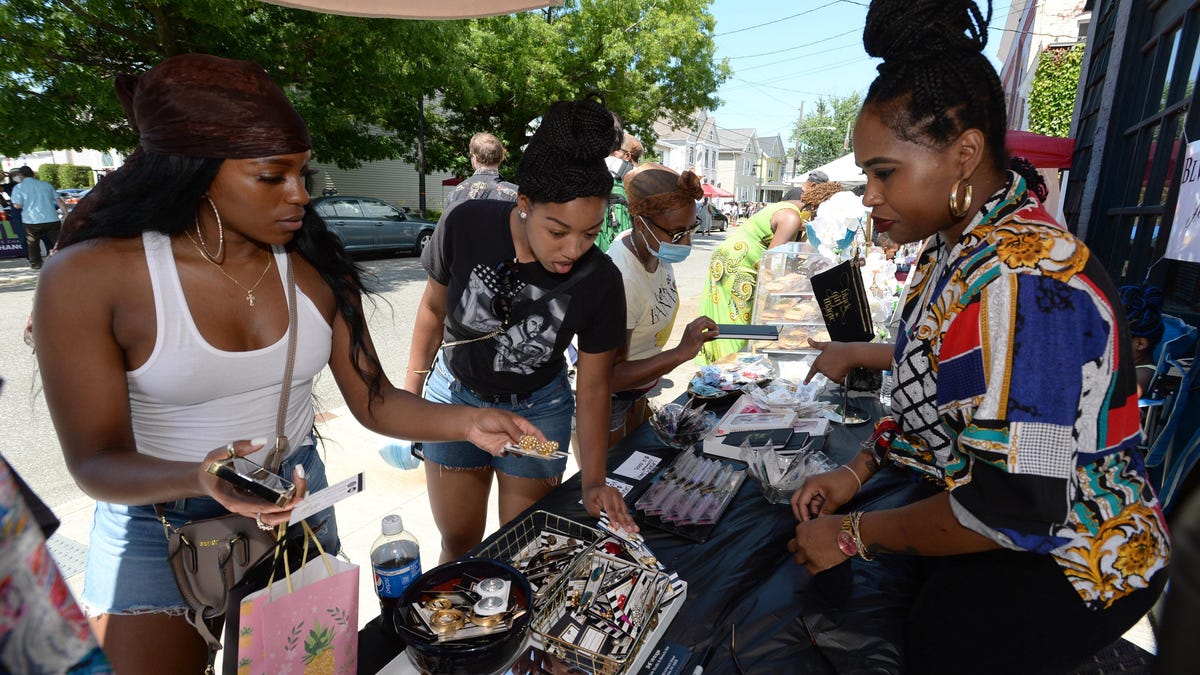
Despite the growth in the number of Black-owned businesses in the U.S., they still represent a small percentage of all employer-firm owners, with a disproportionate impact on employment and economic development in Black communities. While most Black-owned businesses have small payrolls, some generate billion-dollar revenues and employ thousands of workers. World Wide Technology, led by David Steward, tops the list with $17 billion in revenue and 10,000 employees, highlighting the potential of Black-owned businesses to contribute to the economy and address racial inequality.
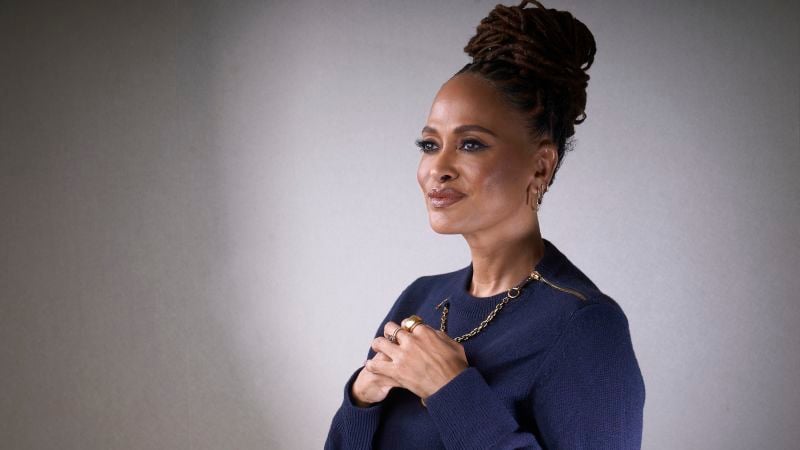
Ava DuVernay discusses her latest film "Origin," which addresses America's inequality and division, expressing urgency in sparking dialogue and action. She emphasizes the importance of confronting the country's history of racial inequality and aims to use her films to defend justice and dignity. Despite the weighty subjects she tackles, DuVernay finds joy in engaging with communities outside of Hollywood and takes pride in elevating stories of America's unvarnished history.
Taraji P Henson emotionally speaks out about the race and gender pay gap in Hollywood, expressing frustration over being paid a fraction of what she believes she deserves. Henson highlights the financial realities of the industry, including taxes and team expenses, and emphasizes the need to fight for equal pay for future generations.
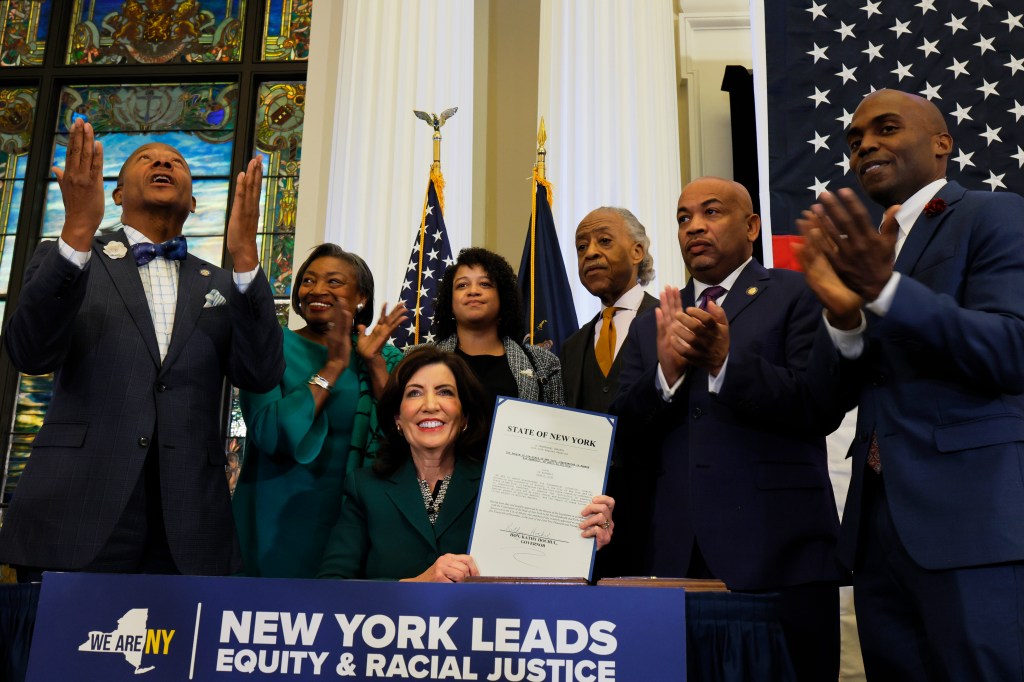
New York Governor Kathy Hochul has approved legislation to create a commission to study reparations for the descendants of slaves. Hochul called on New Yorkers to confront the state's role in benefiting from slavery and to engage in a "hard" conversation about racial inequality. The commission, consisting of nine members appointed by the governor, Assembly, and Senate, will report its findings and recommendations within a year. While white Americans generally oppose reparations and Black Americans largely support them, a Siena College survey found that 45% of New Yorkers support the idea of a reparations commission.
Lung cancer survival rates have increased in the past five years, but racial disparities persist, with Black and Latino communities experiencing lower survival rates compared to White individuals. The American Lung Association's "State of Lung Cancer" report emphasizes the need for improved messaging about lung cancer screening, as it remains the leading cause of cancer-related deaths in the US. Factors contributing to the overall improvement in survival rates include targeted immunotherapies and increased access to screenings. However, stigma, low screening rates, and limited health insurance coverage hinder progress. Smoking rates, radon, air pollution, and secondhand smoke are identified as risk factors, and public health messaging about lung cancer needs to change to address misconceptions.
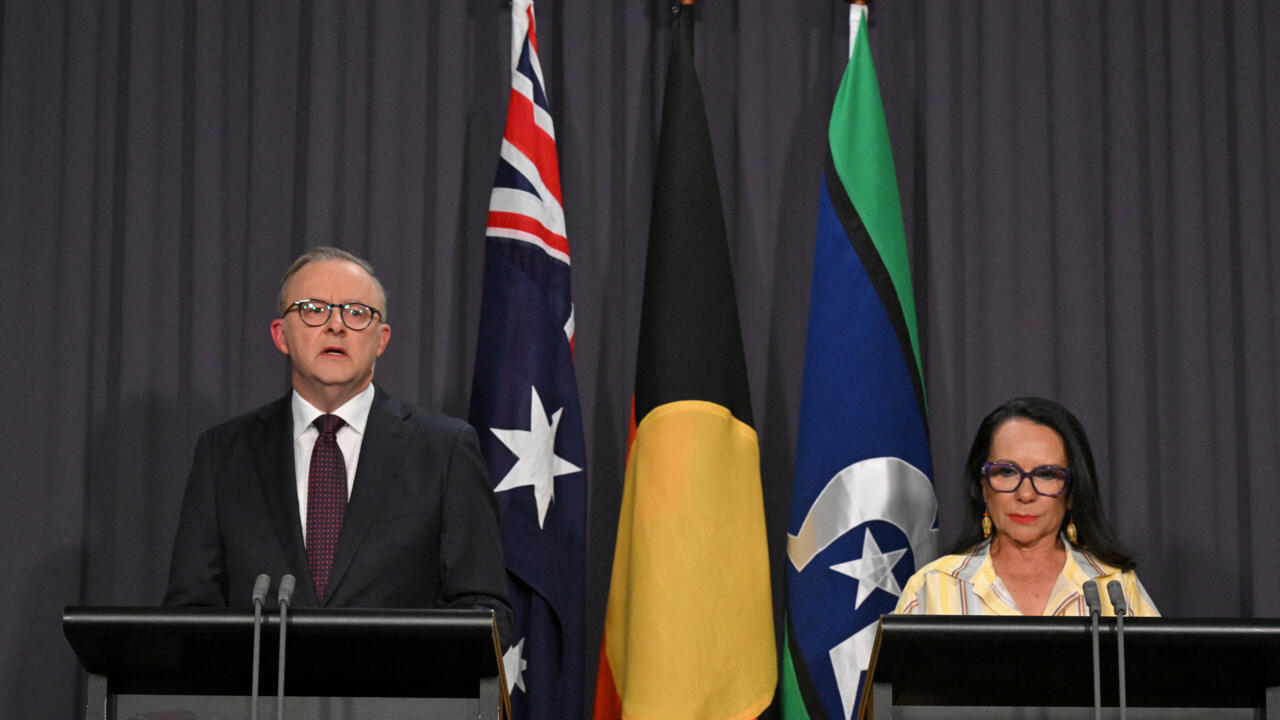
Australians have rejected a proposal to amend the country's constitution to acknowledge Aboriginal and Torres Strait Islanders and create a consultative body called the "Voice" to Parliament. With 55% of voters voting "no," the referendum campaign highlighted racial tensions and a divide between Indigenous communities and the white majority. Despite support from the government, the "yes" campaign had been trailing in opinion polls. Indigenous Australians expressed anger and disappointment, while opponents of the amendment raised concerns about the effectiveness and potential consequences of the "Voice" assembly.
Black adults living in historically redlined neighborhoods have an 8% higher risk of developing heart failure compared to Black adults in non-redlined areas, according to a study published in the American Heart Association's journal Circulation. The discriminatory lending practice of redlining, which denied loans and insurance to people of color seeking homes outside undesirable areas, has had long-term effects on the health of these communities. The study also found that higher levels of socioeconomic distress explained approximately half of the excess risk of heart failure. Previous research has shown that hypertension and Type 2 diabetes also disproportionately affect Black residents in these neighborhoods.
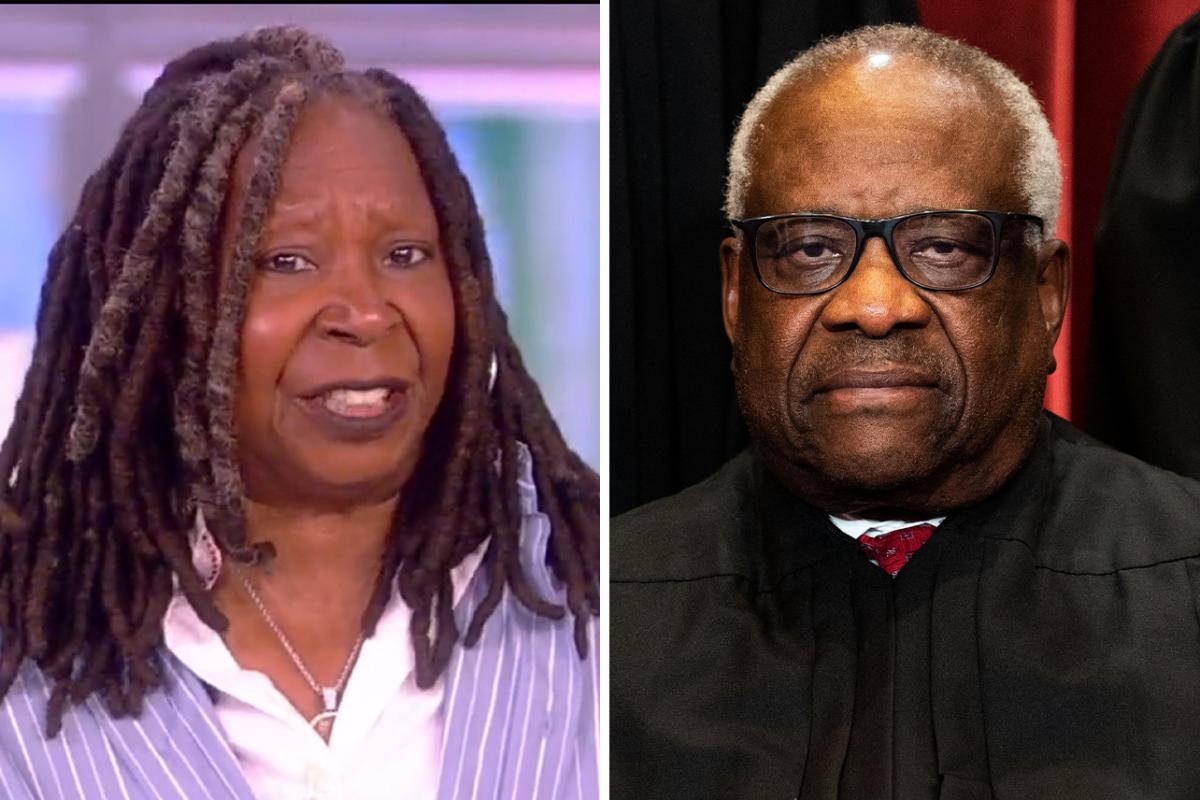
Whoopi Goldberg criticized Justice Clarence Thomas on The View for his stance on affirmative action, calling him out for his lack of understanding of diversity and the struggles faced by marginalized communities. Goldberg highlighted the importance of fighting for equal rights and criticized Thomas for making minority students feel lesser than. The Supreme Court recently ruled to block affirmative action at Harvard and the University of North Carolina, a decision that has sparked controversy and debate.
Former Vice President Mike Pence endorsed the Supreme Court's decision to eliminate affirmative action programs in colleges and universities, stating that he does not believe there is racial inequality in the American education system. Pence argued that affirmative action was a temporary solution and that its end is a testament to the accomplishments of minority students. However, education and civil rights groups warn that this ruling will worsen inequality, as institutions in states that have already banned affirmative action have struggled to enroll diverse classes. Other Republican presidential candidates, including former President Donald Trump, also praised the decision.