Kristen Stewart, as she promotes her directorial debut, passionately speaks out about the ongoing gender inequality in Hollywood, highlighting the challenges women face in filmmaking, the backsliding in progress, and the need for greater opportunities and representation for women in the industry.
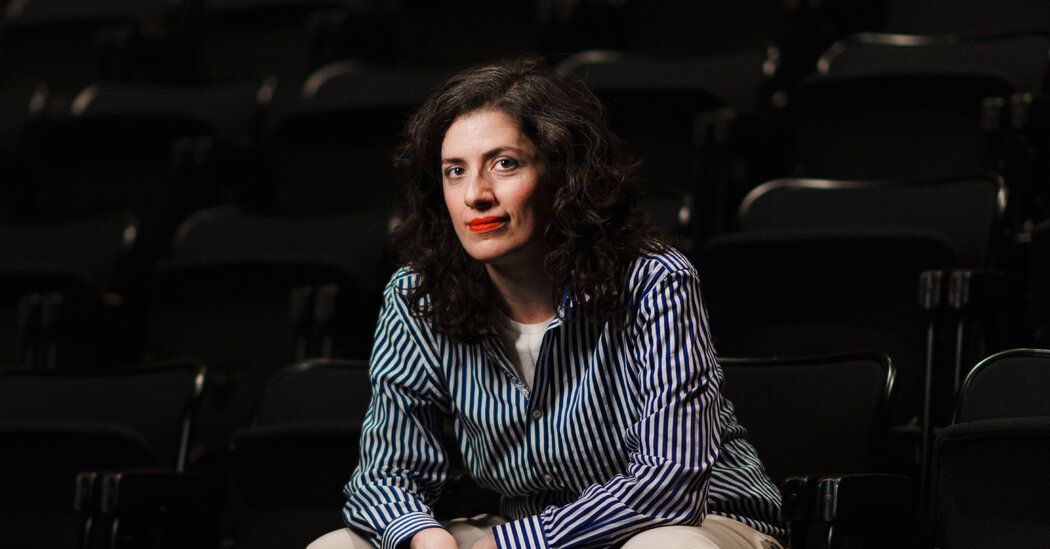
Kristen Stewart expressed her frustration that progress for women filmmakers in Hollywood has regressed post-MeToo, highlighting the decline in films directed by women and criticizing the industry's ongoing gender inequality and silencing of women's stories.
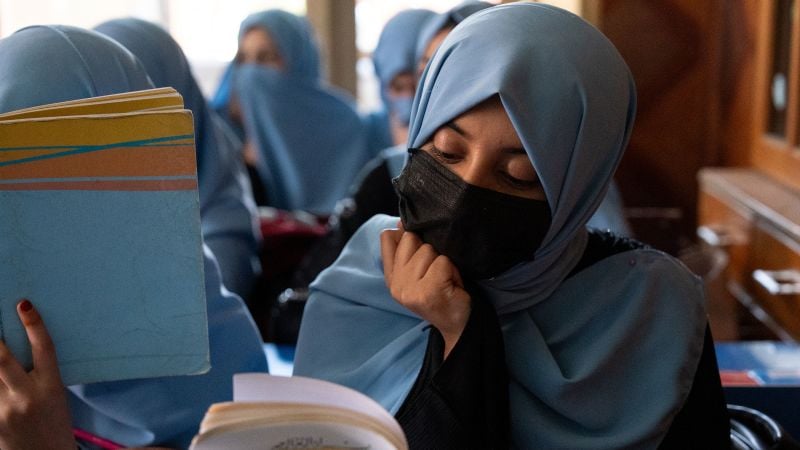
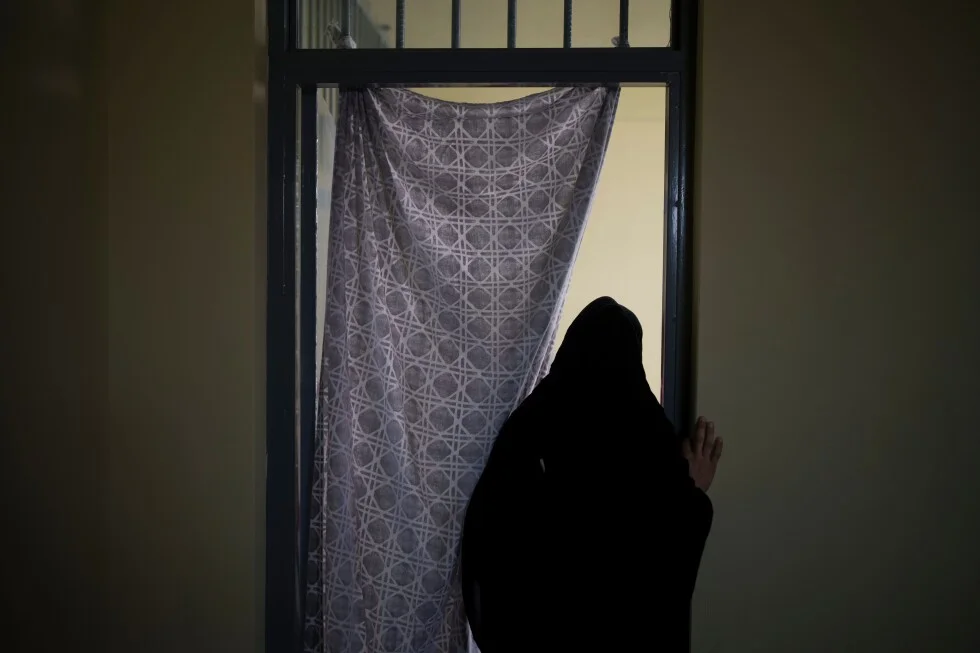
In Afghanistan, the Taliban's ban on girls' secondary education has led to a surge in religious schools called madrasas, which are often religiously focused and aligned with Taliban ideology, while many girls and women feel their educational and future aspirations are being crushed, leading to underground efforts to continue learning amid risks.
Catherine Hardwicke, director of Twilight, revealed that after the film's success, she was given a mini cupcake as a congratulatory gift, highlighting the gender inequality in the film industry where male directors receive substantial rewards like cars or deals, whereas women often receive minimal recognition. Despite the film's massive success, she was also dropped from the sequel and faced challenges in her subsequent projects.
The Wiener Festwochen in Vienna is addressing gender inequality in classical music by launching the "Academy Second Modernism," which will feature works by 50 female and nonbinary composers over five years. Despite some progress, such as women in the New York Philharmonic being allowed to perform in pants and the Berlin Philharmonic hiring its first female concertmaster, gender imbalances remain significant, with less than 8% of works staged by orchestras worldwide being composed by women.
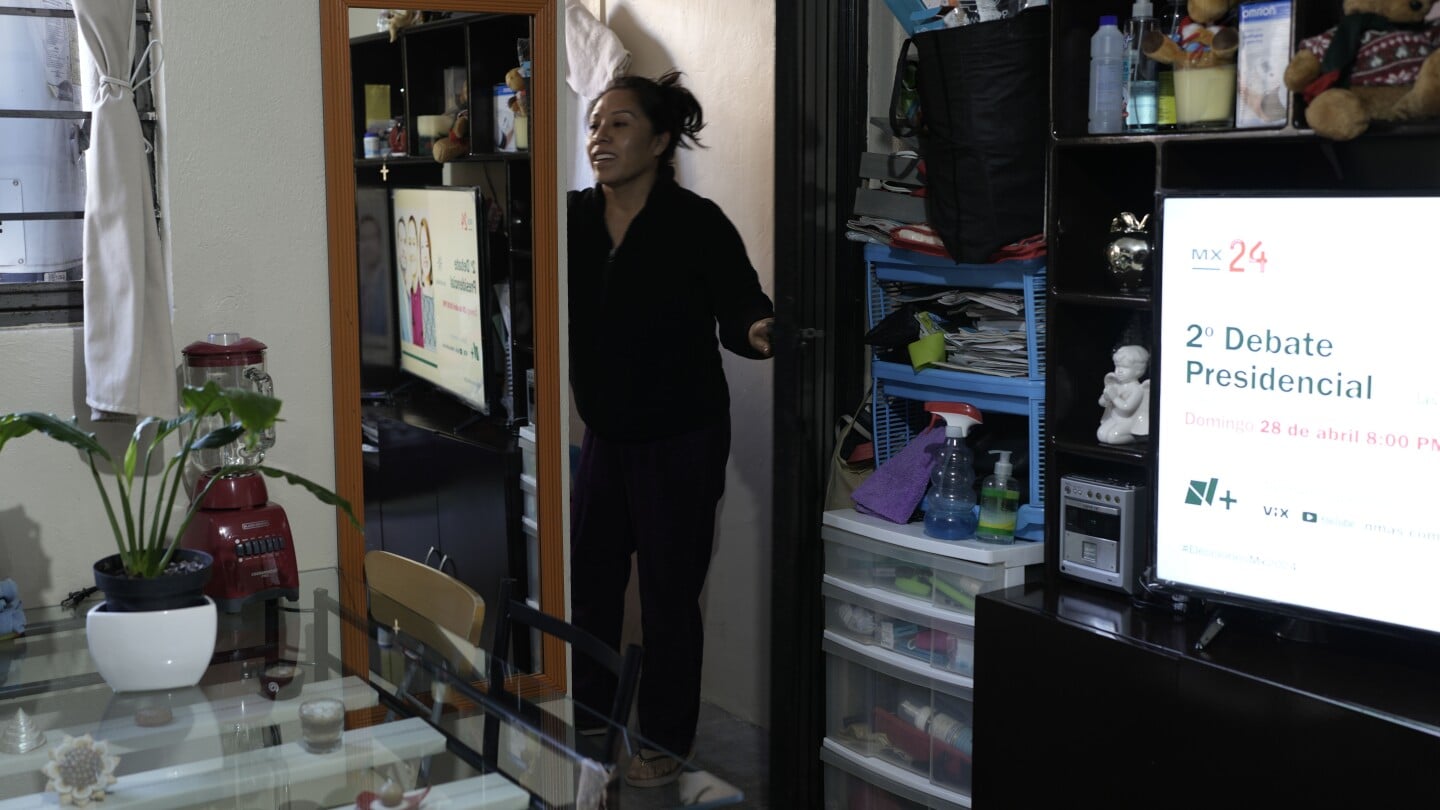
As Mexico approaches a historic presidential election with two female candidates, millions of domestic workers, predominantly women, continue to face low pay, abuse, and unstable working conditions. Despite recent reforms, enforcement remains weak, leaving many workers unprotected. The hope is that a female president might bring positive changes, but skepticism remains high among those who feel long ignored by the government.
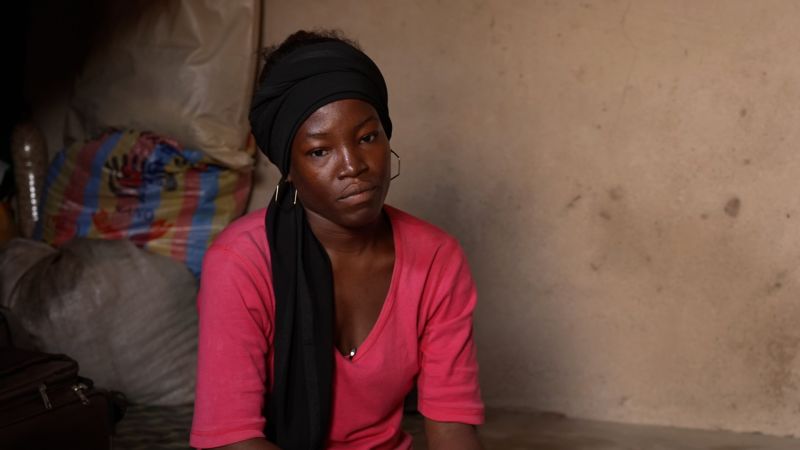
CNN's Stephanie Busari revisits Chibok, Nigeria, 10 years after the abduction of over 270 schoolgirls by Boko Haram militants, highlighting the ongoing impact of kidnappings in the region. This story is part of CNN's As Equals series on gender inequality.
South Korea's fertility rate has hit a new record low of 0.72, well below the 2.1 threshold needed for population stability, leading to concerns of a halved population by 2100 and an aging society. Despite government incentives and proposals such as hiring nannies from South East Asia and offering military exemptions, many women feel it's unfeasible to have children and work due to gender inequality in the workplace and at home, with only 7% of new fathers taking parental leave compared to 70% of new mothers.
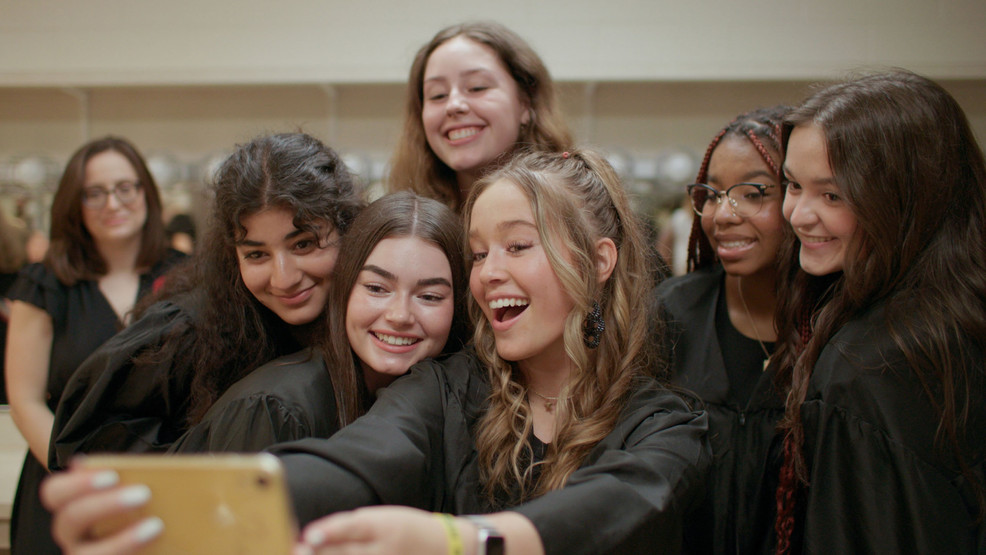
"Girls State" at Sundance 2024 explores the experiences of teenage girls from diverse backgrounds navigating a week-long immersive experiment in American democracy, highlighting the challenges of gender inequality and the pressure for perfection they face. In contrast to "Boys State," the young women in the documentary feel voiceless and limited in their opportunities, shedding light on the troubling realities of youth politics and societal expectations.
Taraji P Henson emotionally speaks out about the race and gender pay gap in Hollywood, expressing frustration over being paid a fraction of what she believes she deserves. Henson highlights the financial realities of the industry, including taxes and team expenses, and emphasizes the need to fight for equal pay for future generations.
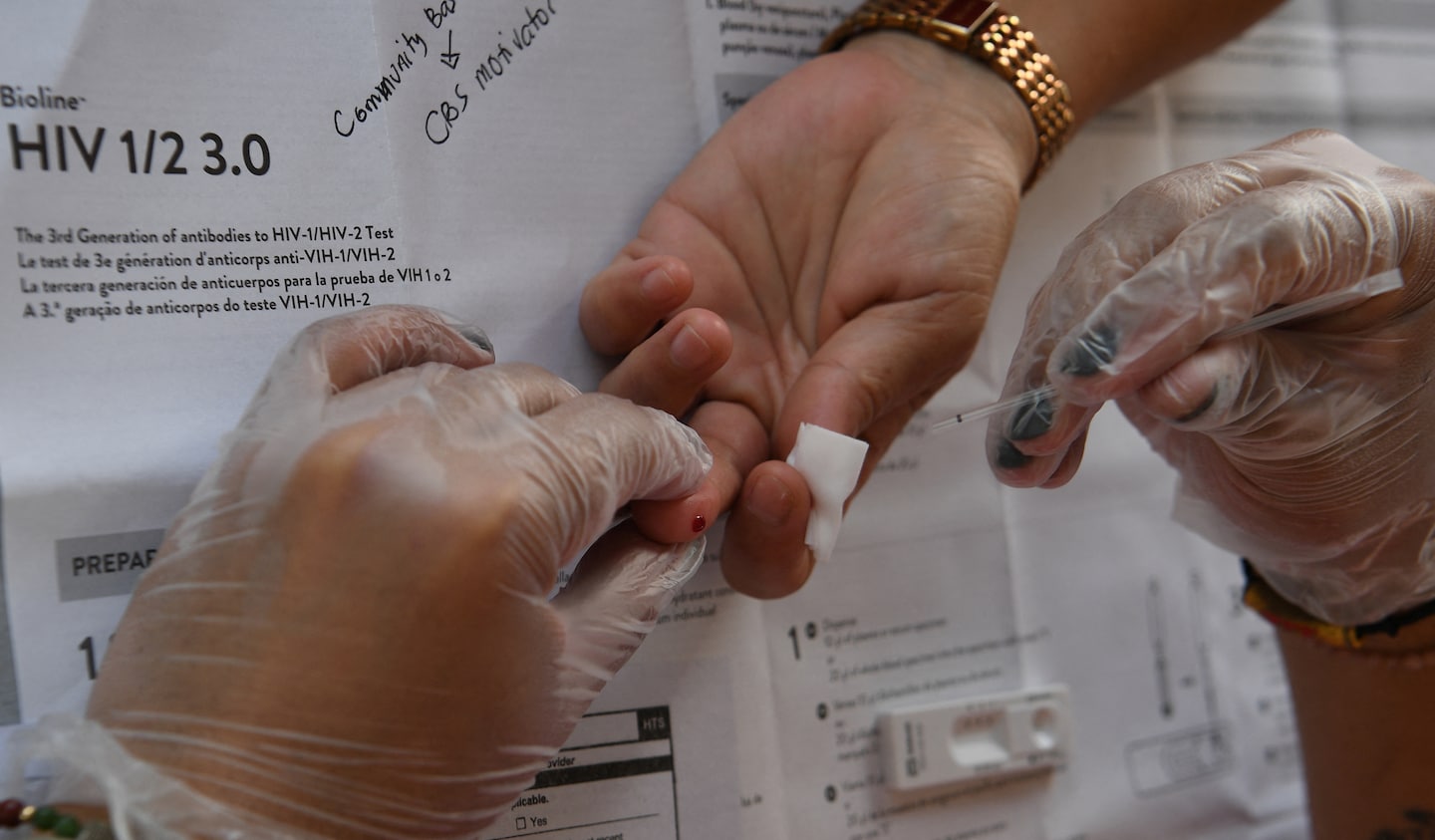
Girls are more than twice as likely to contract HIV compared to boys, with nearly 98,000 adolescent girls being infected in 2022 alone, according to a UNICEF analysis. The report highlights gender inequality, limited access to healthcare, and a lack of educational programs as factors putting girls at higher risk for HIV globally. Sub-Saharan Africa has the highest prevalence of HIV among children and adolescents, with girls and young women being three times more affected than males. The report emphasizes the need to address these obstacles and ensure the sexual and reproductive health and rights of adolescent girls and young women are met. While progress has been made in preventing and treating HIV/AIDS, nearly 1 million children and teens with HIV remain untreated, and challenges such as testing requirements and a lack of age-appropriate medication persist.
A group of 32 female athletes from the University of Oregon has filed a class action sex-discrimination lawsuit against the school, accusing it of violating federal law by providing unequal athletic financial aid and resources. The lawsuit specifically targets the benefits received by male athletes through Oregon's NIL collective, Division Street, and Opendorse. The plaintiffs argue that the school should be held responsible for the disparities created by the for-profit entity. The complaint also highlights gender discrepancies in facilities, mental health services, travel accommodations, and coaching compensation. The athletes are seeking damages and changes to address the alleged gender discrimination.
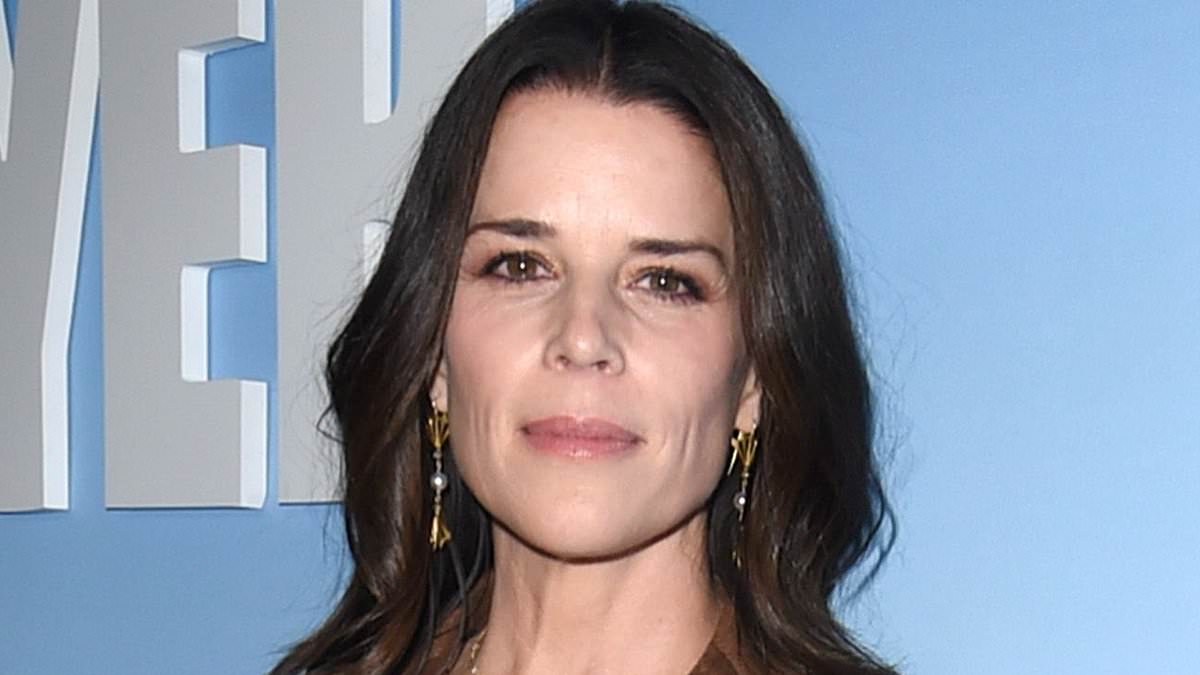
Neve Campbell, who played the lead character Sidney Prescott in the Scream horror franchise, revealed that she has finally watched Scream 6 after opting out of the project due to a salary dispute and gender inequality in the movie industry. Campbell praised the cast and expressed her care for the franchise, while criticizing the studio executives who rejected her salary request. She emphasized the importance of being valued as a woman in the industry and explained that she couldn't accept an offer that didn't equate to her contribution. Campbell's decision to leave the franchise was difficult but necessary for her.
Actress Emily Blunt has revealed that she immediately rejects a script if it includes the words "strong female lead" as she finds those roles to be stoic and boring. Blunt prefers playing characters with secrets and has spoken out about gender inequality in the industry, noting the pressure on women to be likeable compared to men. She recently starred in films such as Pain Hustlers and Oppenheimer, and while she is taking a break from acting to spend time with her family, she reassured fans that she is not quitting Hollywood.
Women and girls in Afghanistan have been disproportionately affected by the recent earthquakes, with higher death tolls and injuries due to the virtual gender apartheid imposed by the Taliban, which has trapped countless women inside their homes. The majority of casualties were women, who were unable to escape collapsing houses and faced increased risks due to restrictions on their rights and mobility. Women and girls also lacked access to information on earthquake preparedness and faced major protection concerns in the aftermath. The earthquakes are expected to worsen the mental health crisis among Afghan women, and women-headed households are facing difficulties accessing emergency relief efforts.