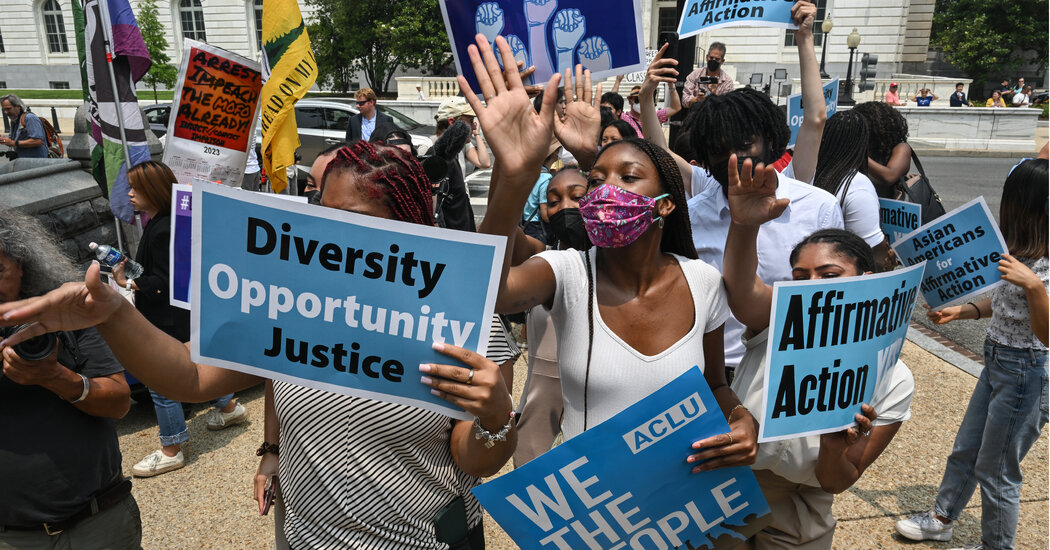
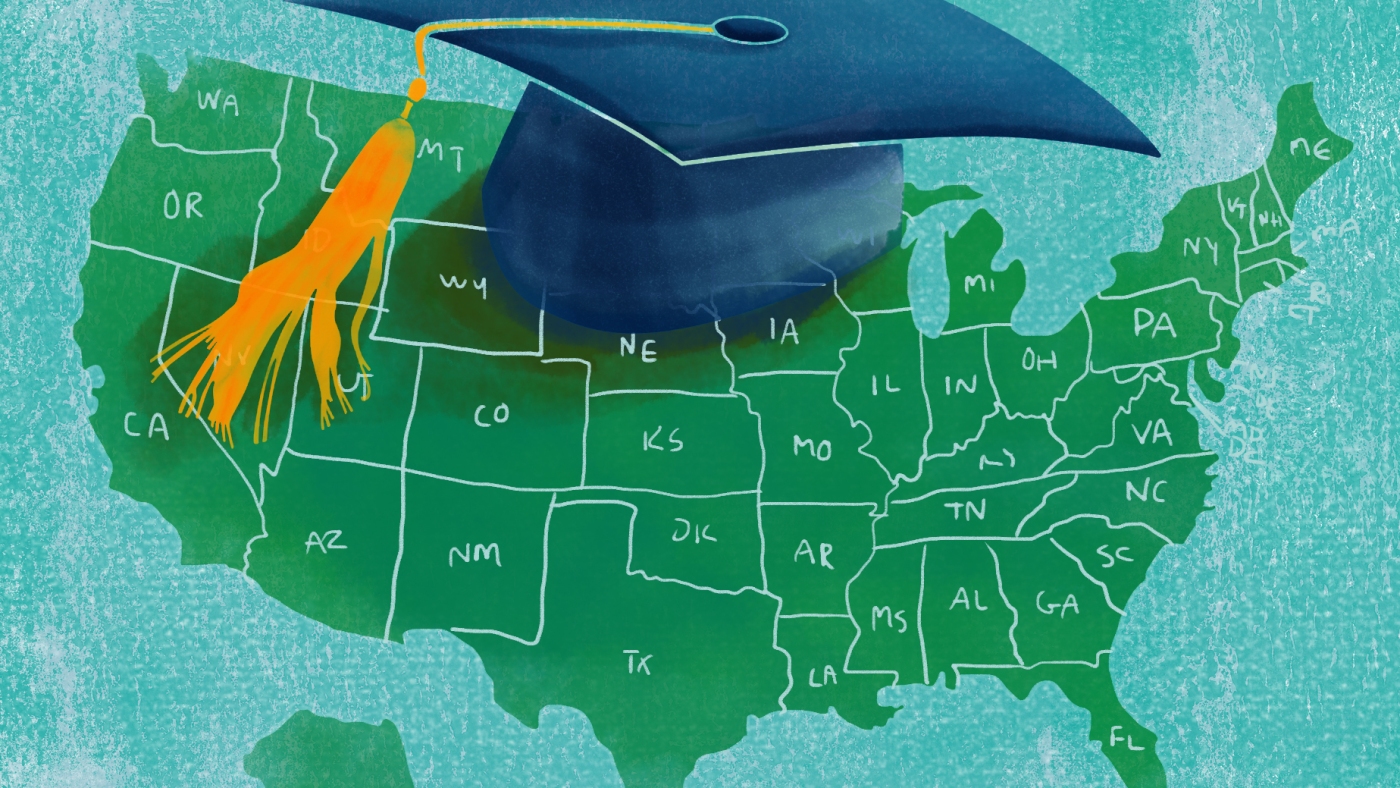
Black student enrollment at many elite colleges has declined significantly following the Supreme Court's ban on affirmative action, with some campuses seeing Black populations as low as 2% of new students, raising concerns about progress in racial diversity and social mobility in higher education.

The Trump administration warned Harvard to provide more race-related admissions data or face unspecified enforcement actions, continuing efforts to scrutinize and potentially limit diversity policies in higher education following the Supreme Court's ban on affirmative action.
The College Board has discontinued its Landscape tool, which helped universities identify promising low-income high-achieving students, following the Supreme Court's ban on affirmative action and criticism from the Trump administration, leading to concerns about diversity efforts in college admissions.
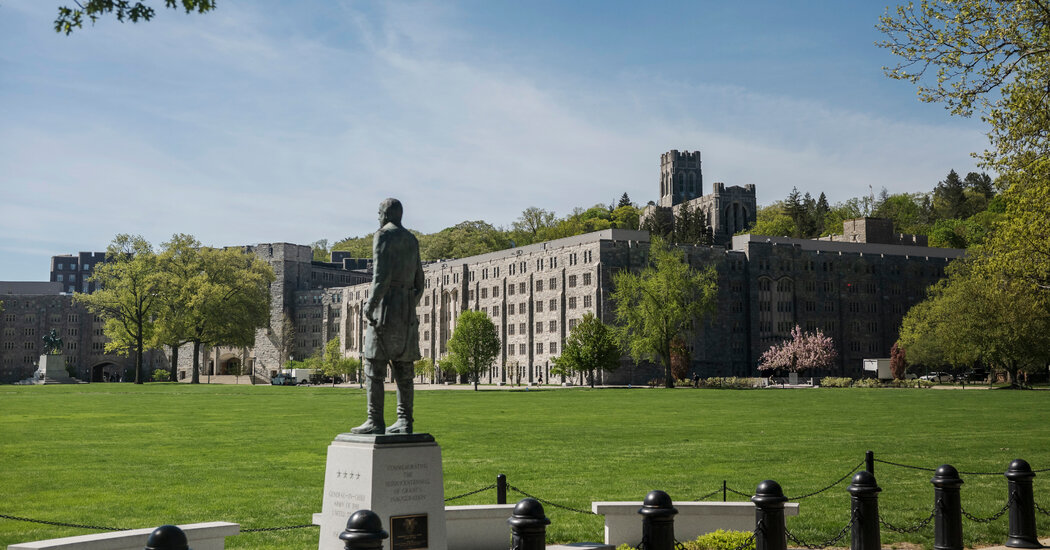
The lawsuits against West Point and Air Force Academy over race-based admissions considerations were dropped after the Trump administration reversed diversity policies, with an agreement ensuring future admissions are based solely on merit and not race, citing concerns about military cohesion and national security.
President Trump signed a memorandum requiring colleges to report detailed admissions data, including applicant race and academic achievements, aiming to scrutinize potential race-based preferences following the Supreme Court's ban on affirmative action. The move seeks to promote meritocracy but faces criticism over its complexity and potential impact on diversity.
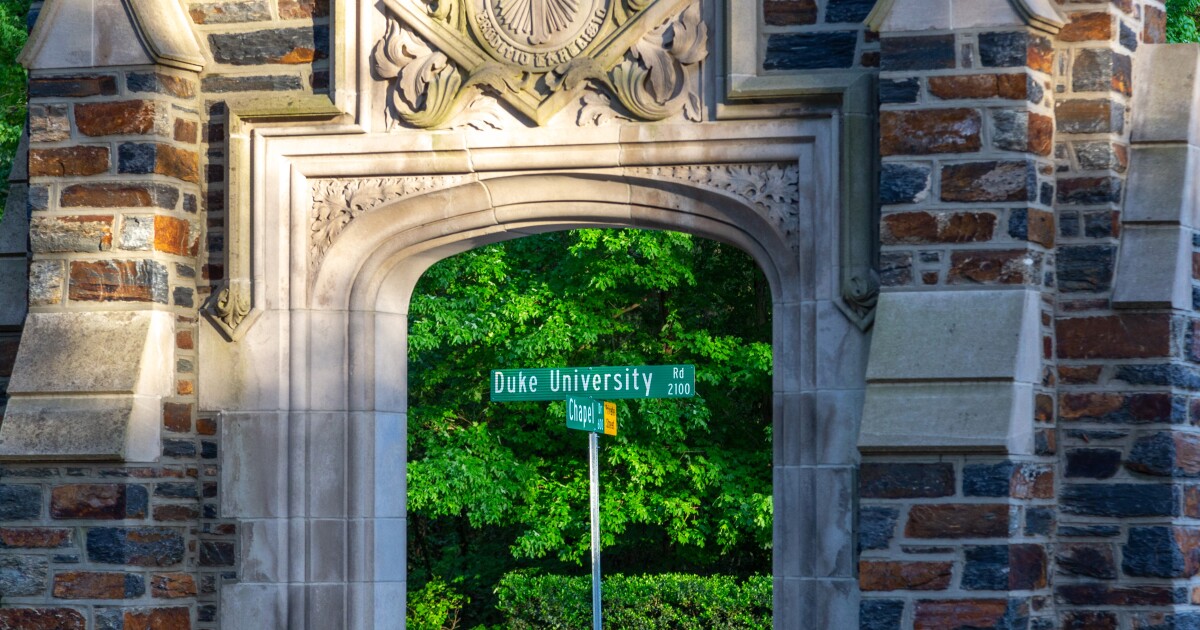
Duke University is under federal investigation for its diversity practices amid funding cuts and allegations of racial preferences, with the Trump Administration warning of potential loss of federal support and freezing of funds, as the university faces broader scrutiny and financial challenges.
A lawsuit filed by Students for Fair Admissions challenges a federal program supporting Hispanic-Serving Institutions, claiming it discriminates based on ethnicity and violates anti-discrimination laws, amid ongoing legal battles over race-conscious college policies.
The Trump administration is seeking to dismantle a $37 billion federal affirmative action program for minority- and women-owned businesses, arguing it violates the Constitution's equal protection clause, which could end the program's race- and sex-based contracting practices.
The U.S. Supreme Court declined to hear a case challenging a Boston high school admissions policy that allegedly considered race, despite objections from conservative justices who argued it constituted racial discrimination. The policy, which was in effect for one year, was deemed lawful by lower courts as it was race-neutral. The court also refused to take up a Wisconsin case on school policies for gender identity, with conservative justices again dissenting. These decisions highlight ongoing debates over race and parental rights in education.
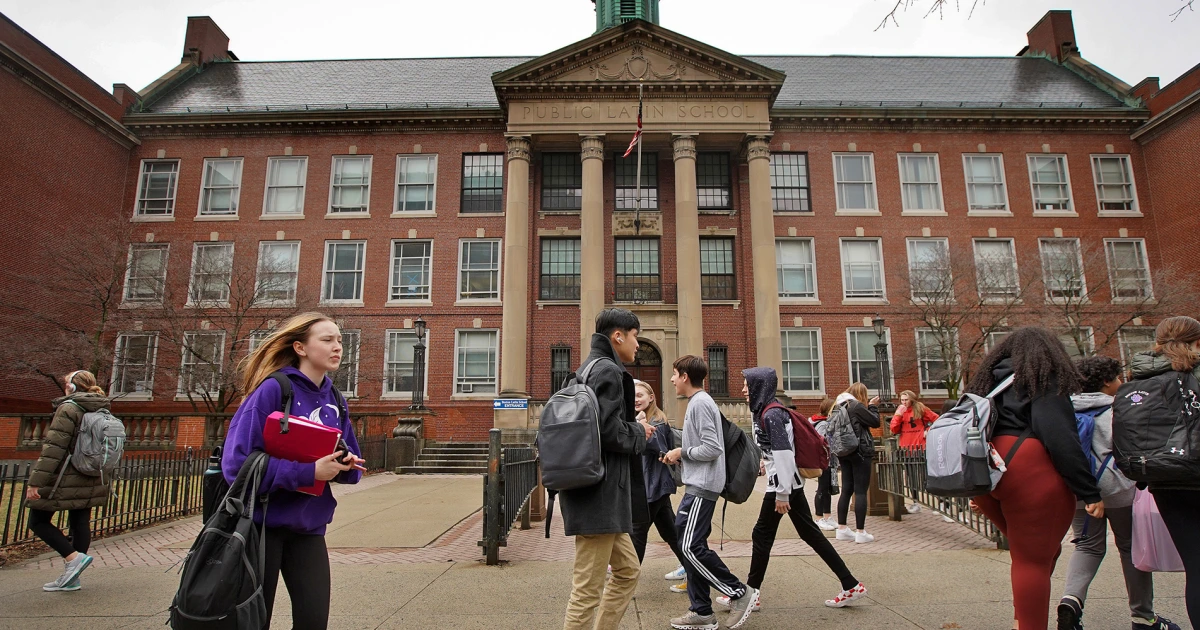
The Supreme Court declined to review a case challenging Boston public schools' zip-code based admissions policy aimed at promoting racial diversity without using race as a factor. This decision leaves in place a lower court ruling that upheld the policy, which was challenged by a coalition claiming it discriminated against Asian American and White students. The case follows a previous Supreme Court ruling ending affirmative action in universities, prompting schools to explore 'race-neutral' diversity efforts. Justices Alito and Thomas dissented, arguing the policy perpetuates race-based affirmative action.
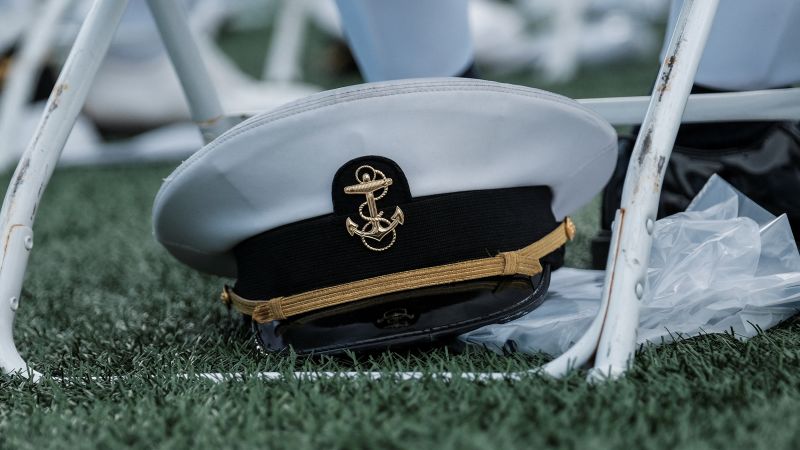
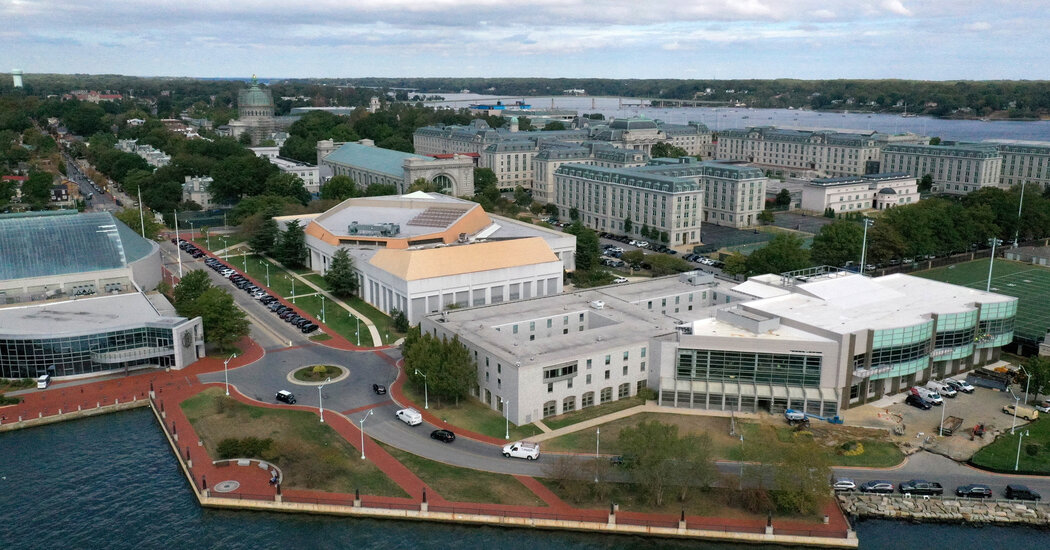
A federal judge ruled that the U.S. Naval Academy can continue considering race in its admissions process, citing national security interests and the need for a diverse officer corps. This decision comes despite a Supreme Court ruling broadly prohibiting race consideration in college admissions, with an exemption for military academies. The ruling was challenged by Students for Fair Admissions, who plan to appeal, arguing that prioritizing minority candidates is unfair to white applicants. The court emphasized that race is a minor factor in admissions and is part of a broader effort to ensure military effectiveness and cohesion.
A federal judge has upheld the Naval Academy's use of race in admissions, citing a compelling national security interest in maintaining diversity within the military. The ruling, by US Senior District Judge Richard Bennett, comes amid legal challenges from Students for Fair Admissions, who argue that such policies violate the US Constitution. The decision highlights the executive branch's authority over military personnel decisions, despite recent Supreme Court rulings limiting race-based admissions in colleges. Students for Fair Admissions plans to appeal the decision.
A federal judge has upheld the use of racial preferences in the admissions process at the U.S. Naval Academy, affirming the institution's policy of considering race as a factor to promote diversity within its student body. This decision aligns with similar rulings that support affirmative action in educational settings, emphasizing the importance of diversity in military leadership.
Walmart, the largest U.S. retailer, is scaling back its diversity, equity, and inclusion (DEI) policies amid conservative pressure to reduce 'wokeness' in corporate America. This includes ending a racial equity center and withdrawing from a gay rights index. The move follows the U.S. Supreme Court's decision against affirmative action, which has emboldened conservative groups to challenge corporate DEI initiatives. Walmart's changes also involve monitoring marketplace items and reviewing grants to ensure they align with new guidelines.
Walmart, the world's largest retailer, is scaling back its diversity, equity, and inclusion (DEI) policies amid pressure from conservative activists and following the U.S. Supreme Court's ruling against affirmative action. The company will not renew its commitment to a racial equity center, will stop participating in a gay rights index, and will not prioritize race or gender in supplier contracts. This move aligns with actions by other major corporations like Ford and Lowe's, reflecting a broader trend of corporate America reevaluating DEI initiatives.