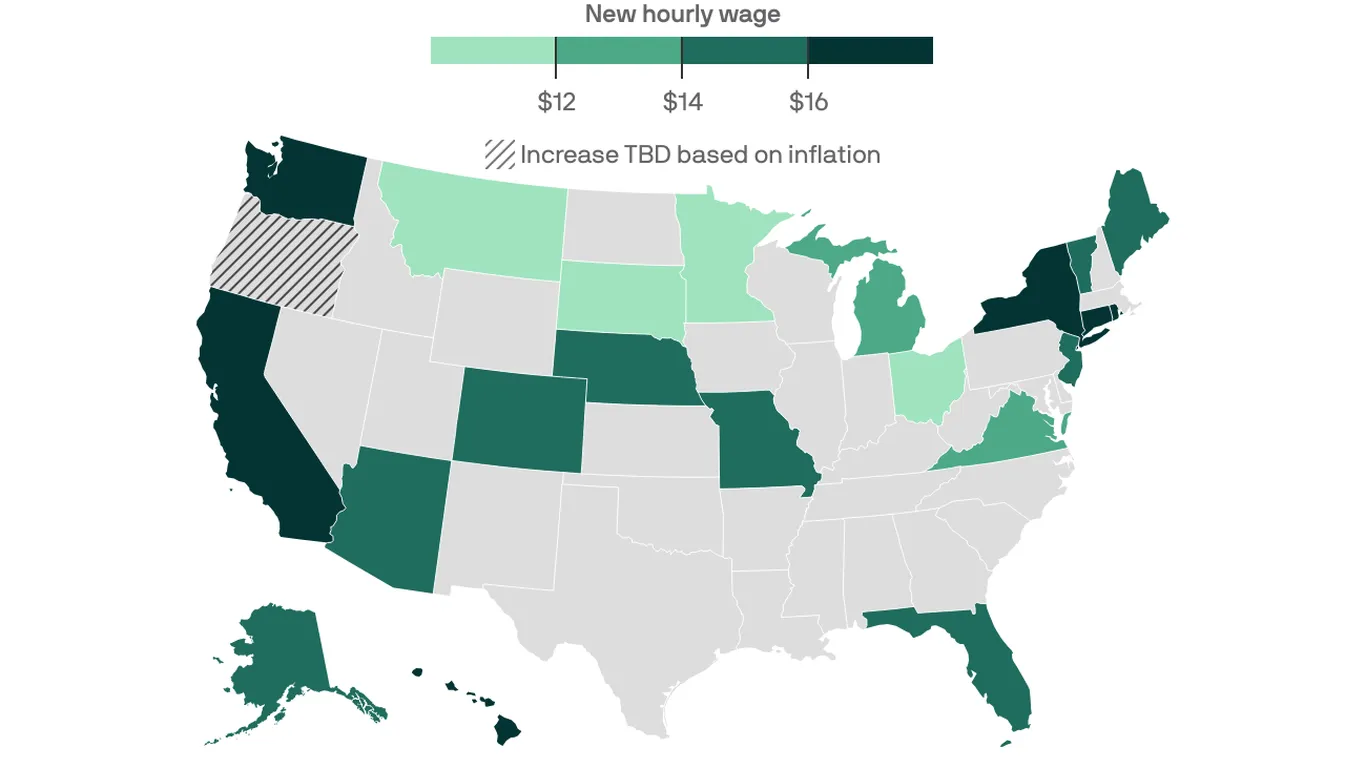
Washington will have the highest state minimum wage in the U.S. at $17.13 in 2026, following a series of increases tied to inflation, with local cities like Seattle and Tukwila also setting high wage floors. The policy aims to support low-wage workers despite criticism about potential economic impacts.
Kroger plans to close two stores in Everett and Kent due to low performance, affecting 360 workers, amid broader store closures nationwide and challenges like theft and regulatory costs, following a failed merger with Albertsons.
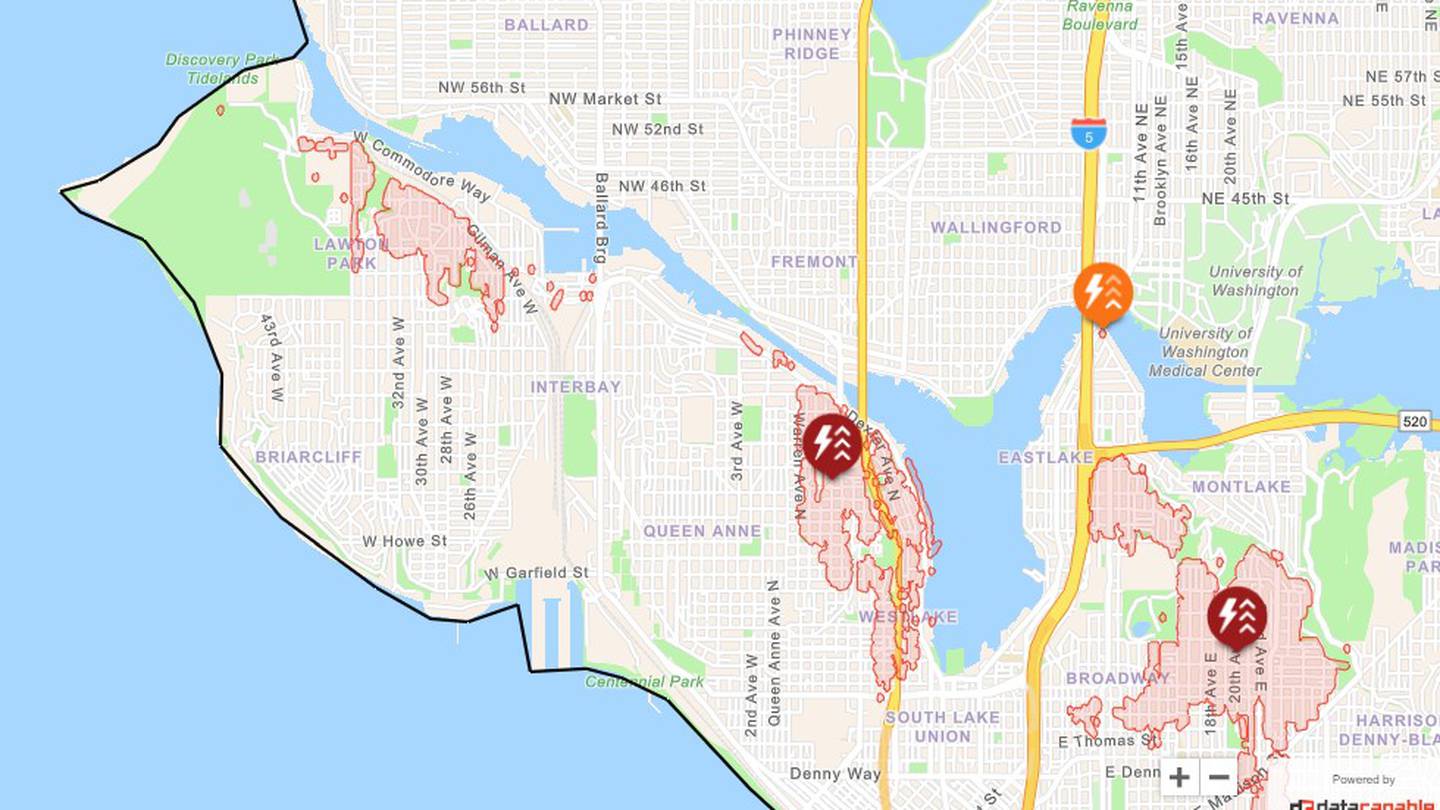
Thousands of customers in the Puget Sound area experienced power outages on Monday morning, affecting neighborhoods in Seattle, Pierce County, and North Bend. Utility crews worked to restore power, with most outages resolved by 8 a.m., except for 5,600 customers in the Graham area.
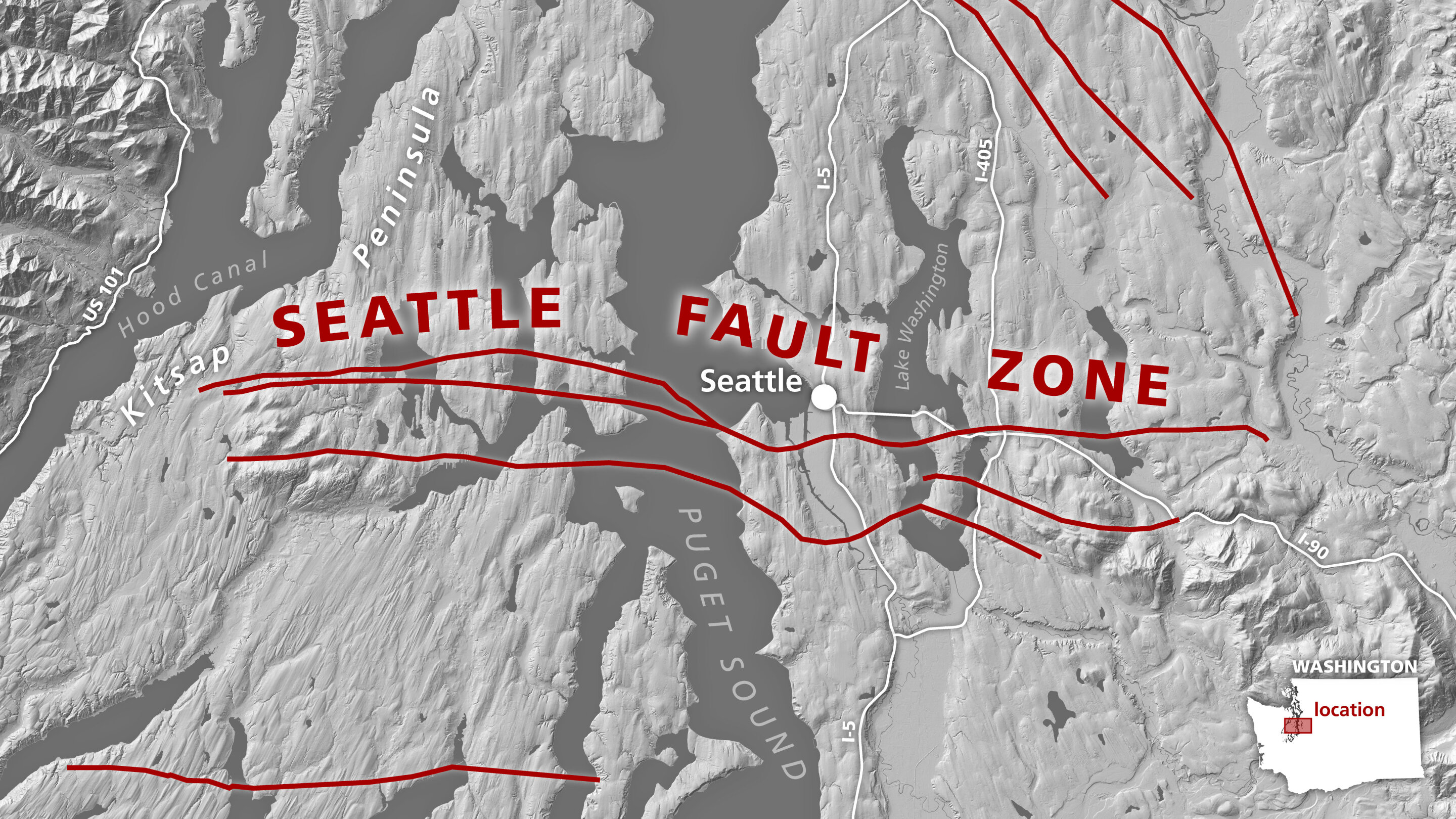
Geologists have uncovered a new origin story for the Seattle fault zone, suggesting its formation around 55 million years ago due to tectonic deformation and interactions with ancient volcanic islands. This study, published in Tectonics, aims to enhance hazard modeling for the densely populated Puget Sound region. The research reveals magnetic evidence indicating the fault's potential origin from the continent's edge splitting in half over 50 million years ago, offering a fresh perspective on the fault system's initial formation and providing valuable details about the region's geologic structure.
A new study proposes an origin story for the Seattle fault, suggesting that around 55 million years ago, an island chain was pulled toward the continent, leading to a major ancient fault that set the geologic stage for the modern Seattle fault. The study's findings provide valuable details about the bedrock under the Seattle basin, aiding in more accurate models of future ground shaking in the area and potentially improving hazard modeling for the densely populated region.
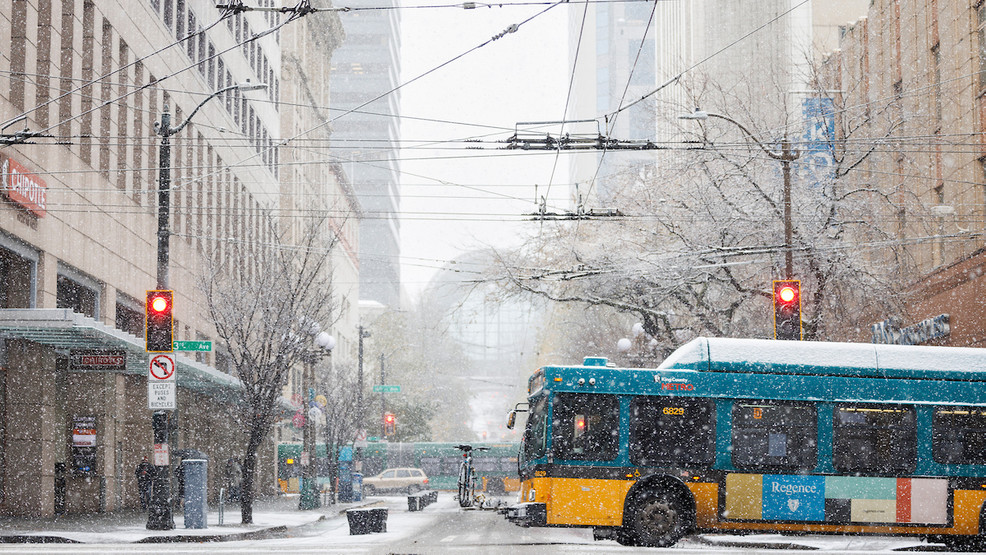
Lowland snow is possible for the Puget Sound area in the coming days following a winter storm, with a mix of rain and wet snow expected on Wednesday and the potential for scattered snow showers on Thursday and Friday. Cold air will move into the region, but the precipitation is forecasted to be hit-and-miss, making widespread snow unlikely. However, select sea-level locations may see one to four inches of snow by Friday, with the possibility of heavier snowfall in certain areas. Another round of precipitation is expected on Saturday, but its impact remains uncertain at this time.
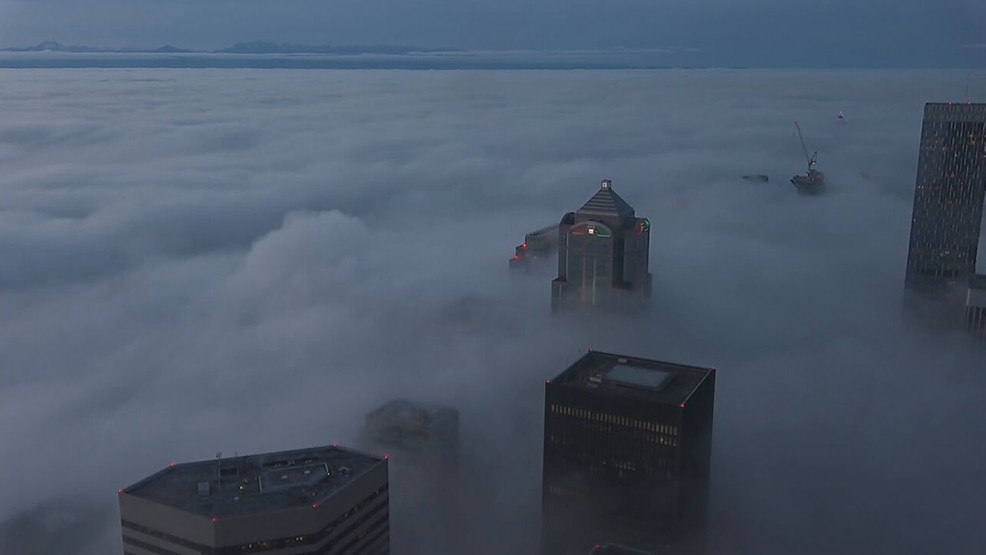
Dense fog is expected to persist in the Puget Sound region, including Seattle, Tacoma, and Bremerton, until midday Thursday, causing low visibility and hazardous driving conditions. The fog is being trapped by high pressure and local topography, with the lack of wind contributing to its persistence. The Washington State Ferries had to cancel a route due to low visibility, but it has since resumed. Breezy conditions on Friday will help clear the fog, with rain showers and snowfall expected in the mountain passes. Mild Pacific moisture may lead to freezing rain in the mountains on Christmas Day, followed by heavier rain for holiday travel on Tuesday.
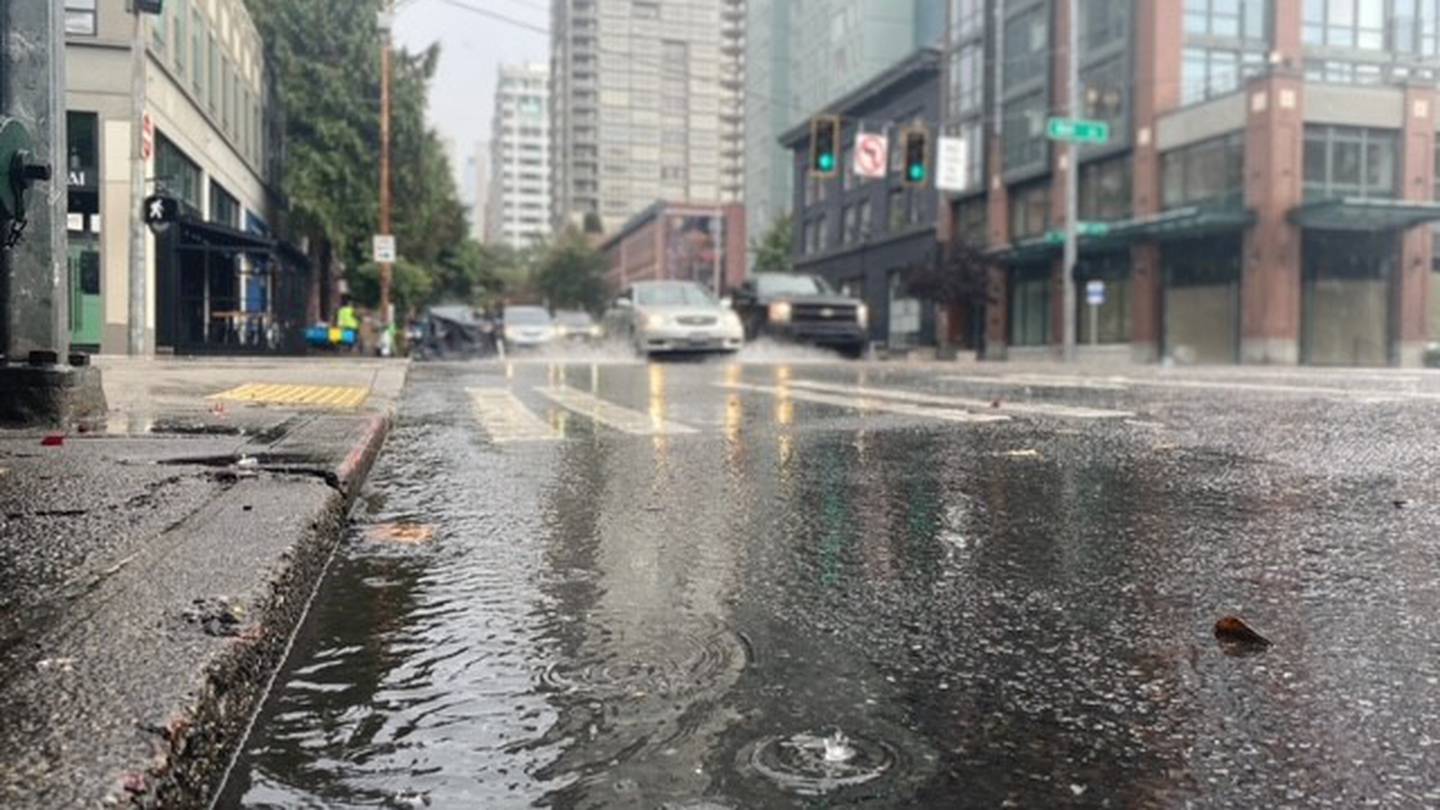
Rain showers will taper off in Western Washington, with mostly cloudy skies and temperatures in the upper 50s to lower 60s. A convergence zone may develop on Monday night, bringing showers and isolated heavier rain. Widespread precipitation could bring 0.50-0.75" of rain across Puget Sound lowlands through Tuesday. Snow levels will drop between 2,000-4,000', with the possibility of up to 12" of snow for elevations above 3,000' and 1-6" below 3,000'. A Winter Storm Watch is in effect for mountain passes and areas east of the north and central Cascades. Widespread lowland rain and mountain snow are expected through at least Thursday.
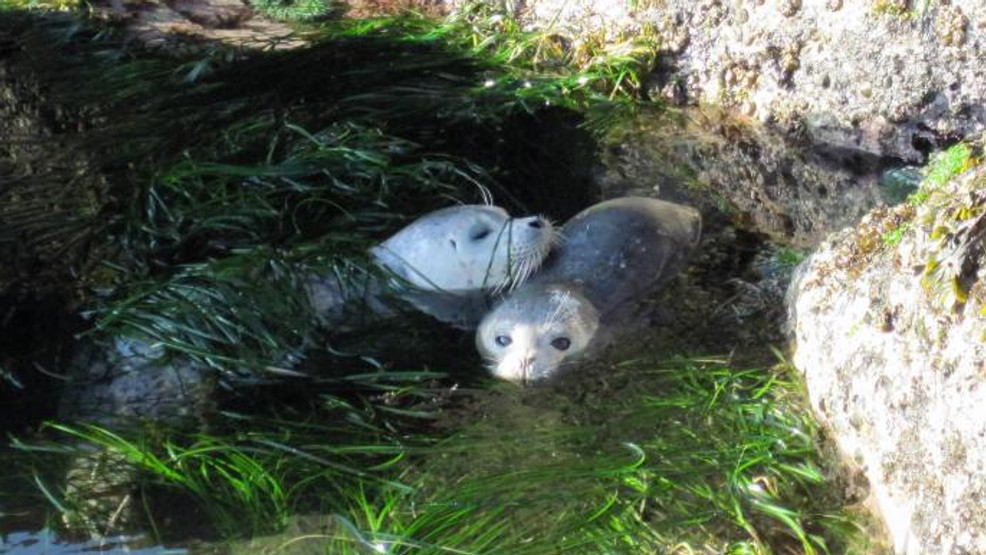
An "unprecedented outbreak" of H5N1 avian influenza, also known as bird flu, has reached harbor seals in the Puget Sound, according to experts. The highly pathogenic virus, which has the potential to infect humans and cause severe disease, was confirmed in three adult seals stranded on Marrowstone Island. While the risk to humans is currently low, experts advise maintaining a social distance from wildlife and avoiding contact with sick or dead animals. The virus is believed to have jumped directly from birds to mammals, highlighting the importance of caution and protective measures when encountering sick or wild animals.
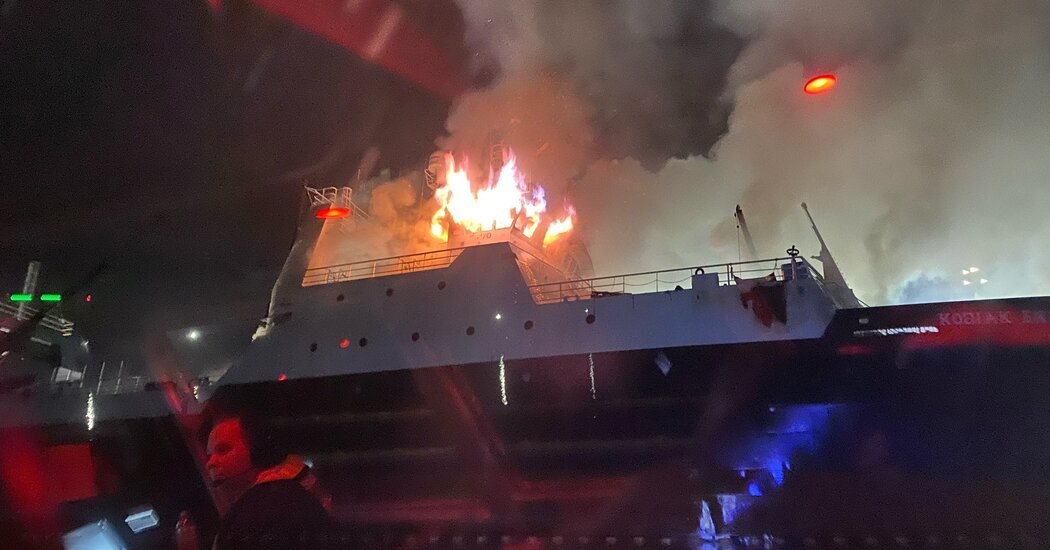
A shelter-in-place order for residents in the Tacoma, Wash., region was lifted on Monday, two days after a fishing vessel caught fire in the Puget Sound area, sending thick smoke into the air and diverting maritime traffic. The cause of the fire was under investigation, and the Environmental Protection Agency was monitoring air quality in the surrounding areas as a precautionary measure. The vessel was reported to have an estimated 55,000 gallons of diesel and 19,000 pounds of Freon, a noncombustible gas commonly used as a refrigerant.
After 50 years in captivity, Tokitae, the oldest orca in captivity, has a plan to return home to Puget Sound. The Miami Seaquarium, where Tokitae lives, has announced a "formal and binding agreement" with a group called the Friends of Lolita to begin the process of returning Tokitae to her native waters. The joint effort is "working toward and hope the relocation will be possible in the next 18 to 24 months".
Lolita the Orca, who was captured over 50 years ago and held at the Miami Seaquarium, may soon be returned to her "home waters" to live out the rest of her days. The announcement is expected to be made by the Miami Seaquarium, Florida non-profit Friends of Lolita, and philanthropist Jim Irsay. Lolita, also known as Tokitae, is the oldest orca to be held in captivity and has fallen ill in recent years. Animal rights activists have long advocated for her return to her home pod in Puget Sound, where Southern resident orcas spend several months each year. The Southern Resident population has been on the endangered species list since 2005, and pods were reduced during 1965-75 because of captures for marine parks.
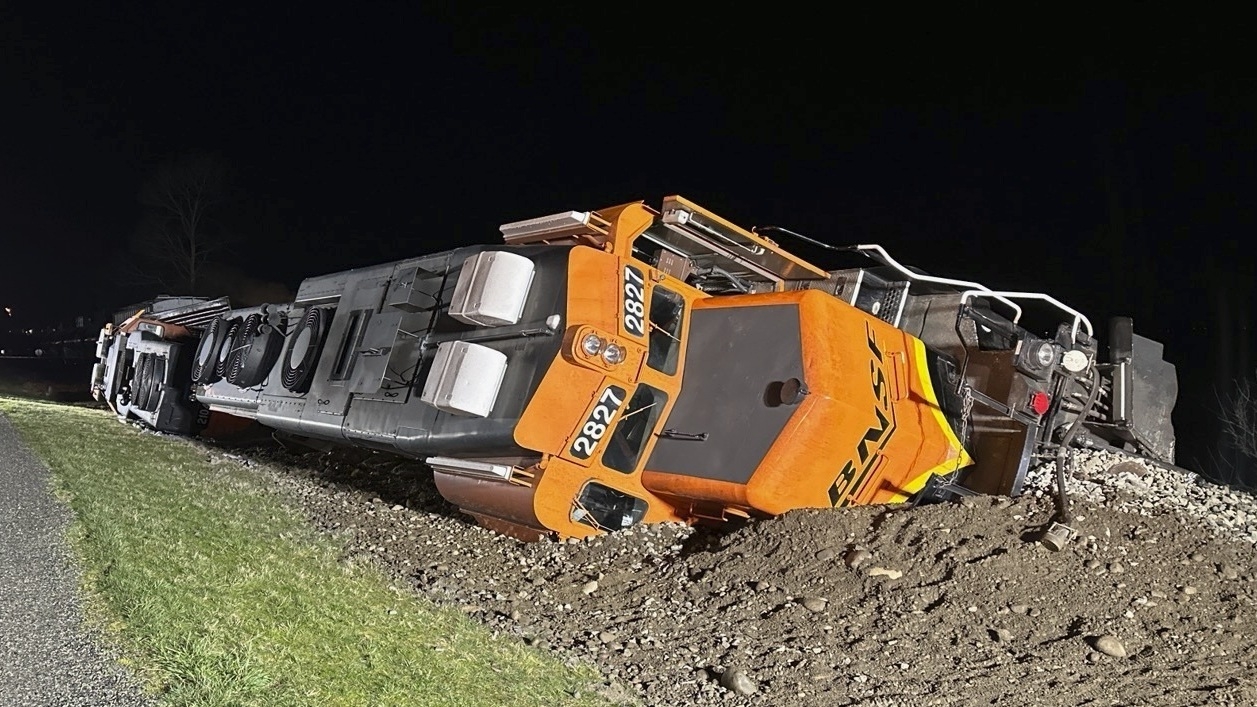
Two BNSF trains derailed in Arizona and Washington state, with the latter spilling diesel fuel on tribal land along Puget Sound. No injuries were reported. The derailment in Arizona involved a train carrying corn syrup, while the one in Washington occurred on a berm along Padilla Bay, on the Swinomish tribal reservation near Anacortes. Most of the spilled diesel fuel leaked on the land side of the berm rather than toward the water, and there were no indications the spill reached the water or affected any wildlife.