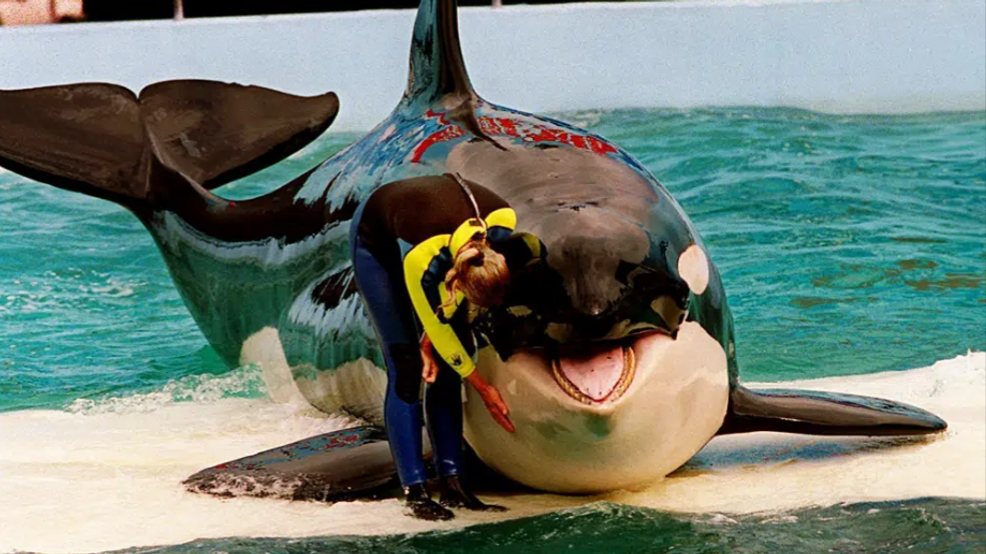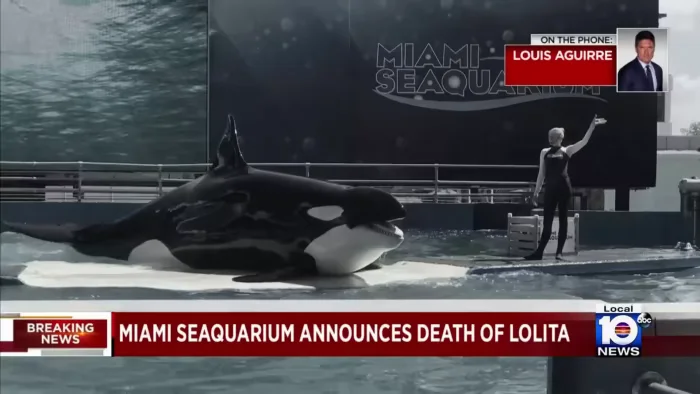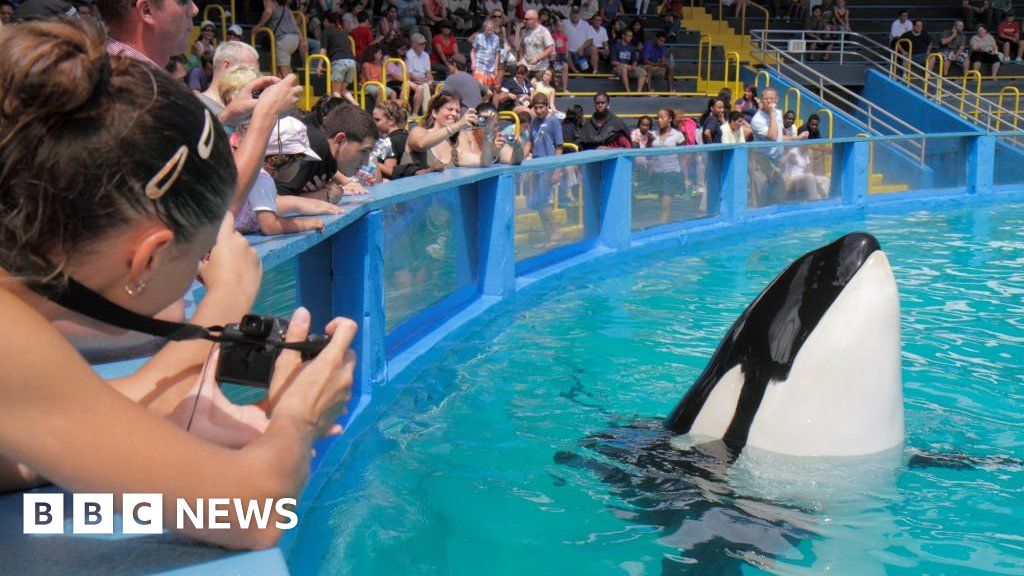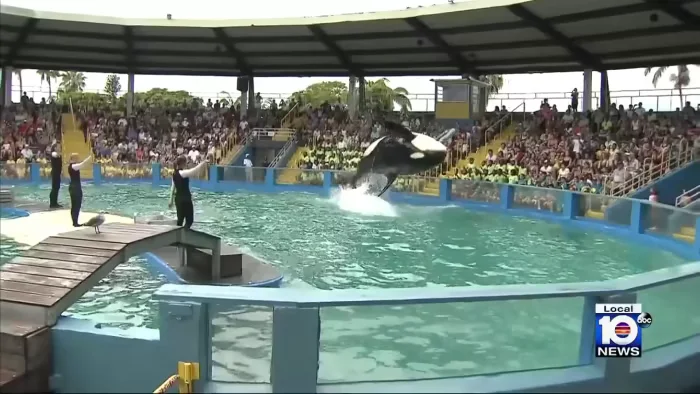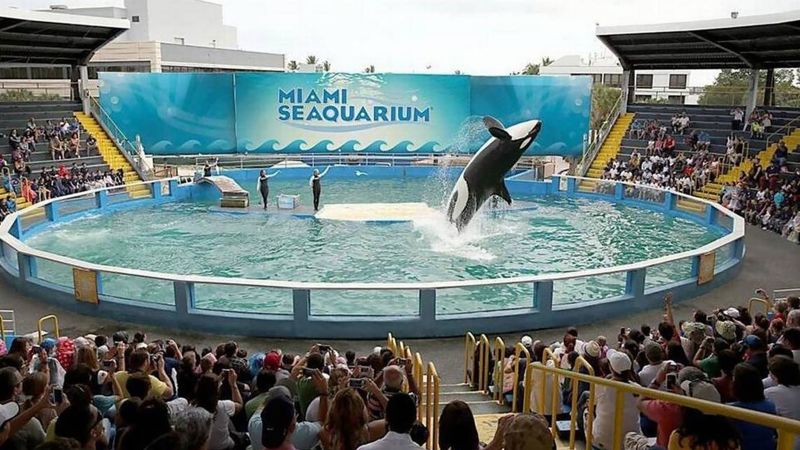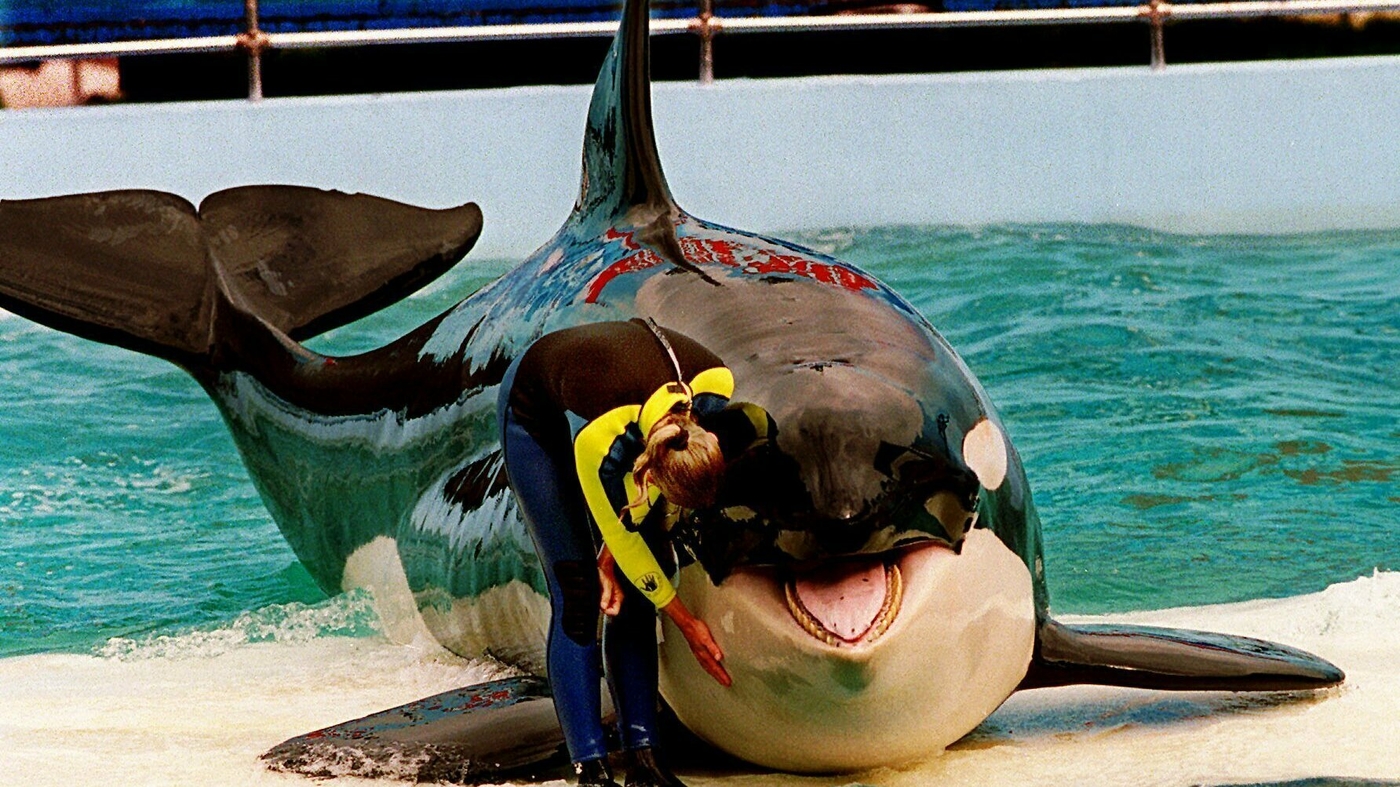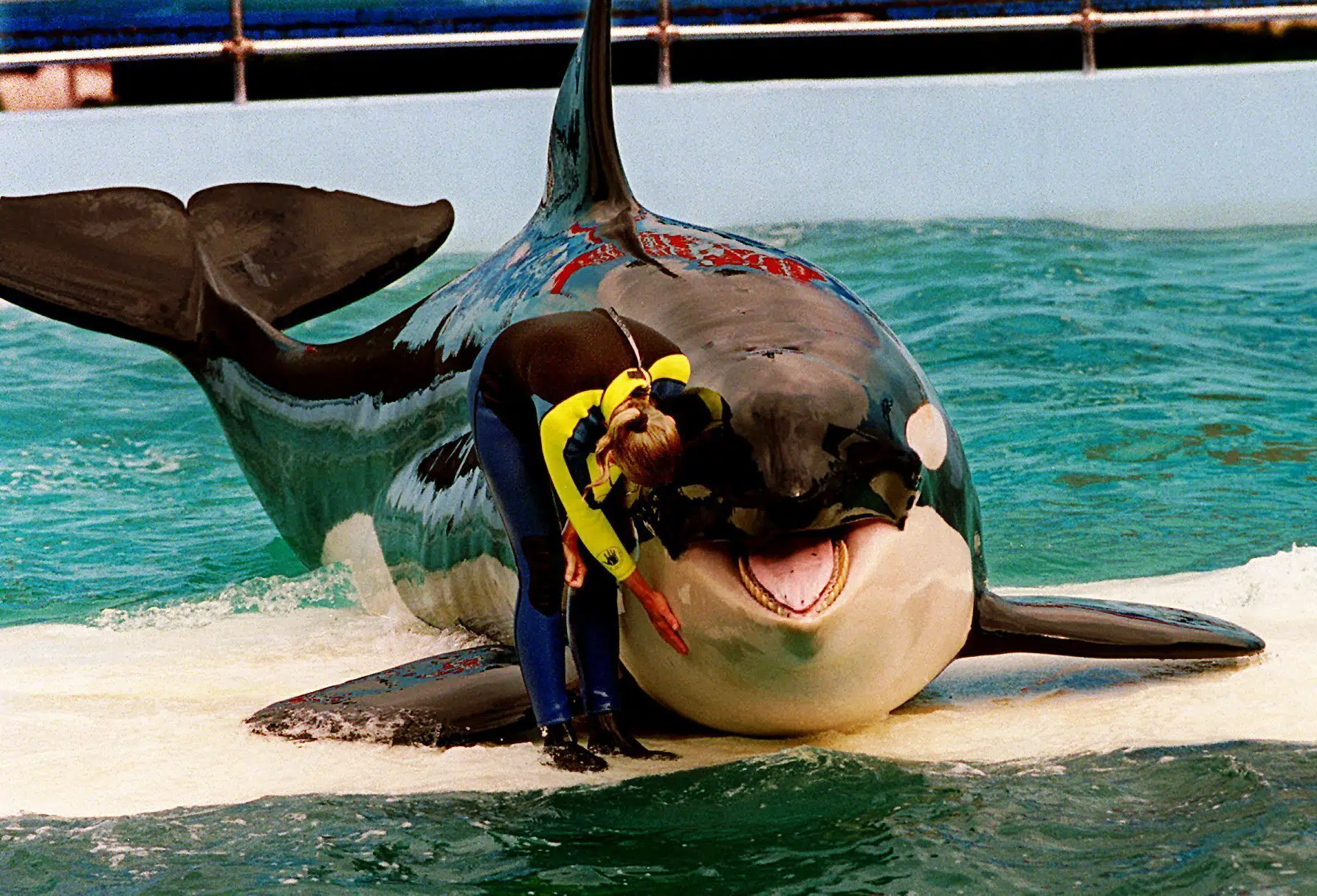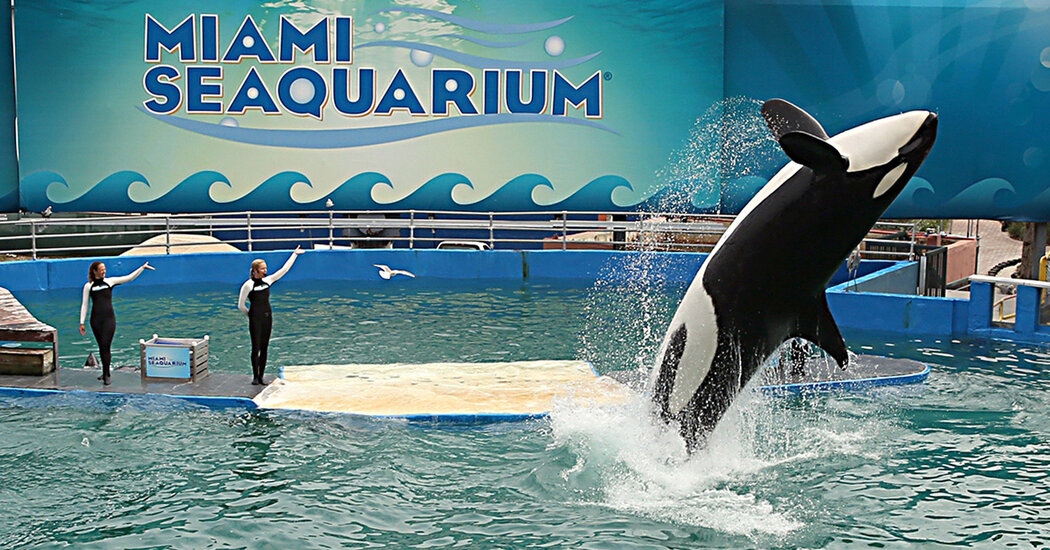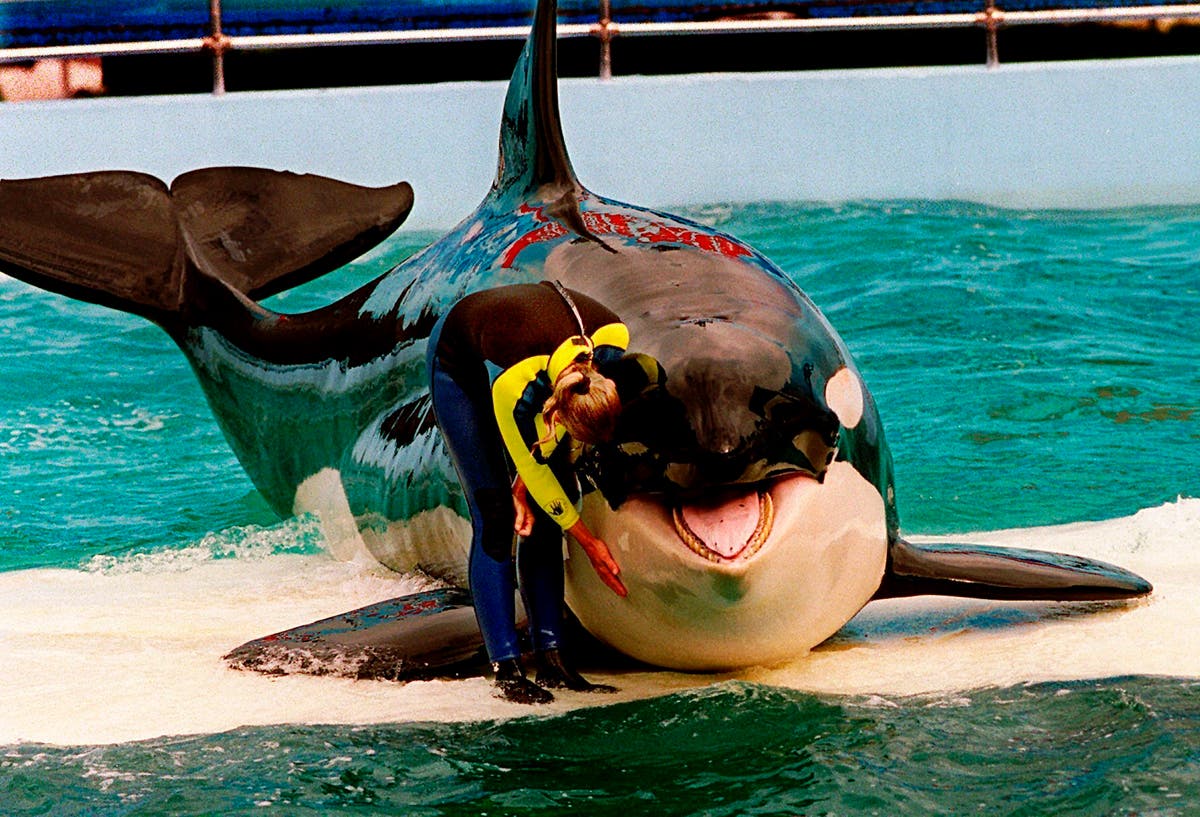
Lolita, an orca held in captivity at the Miami Seaquarium for over 50 years, has died after exhibiting signs of distress. The park had planned to release her into the ocean following public pressure. Lolita's death is suspected to be due to a renal problem. Animal rights activists have long advocated for her freedom, and a plan to relocate her to a natural sea pen gained support earlier this year. Lolita retired from performing last spring, but her captivity and living conditions have been criticized for depriving her of a natural life and causing severe psychological trauma.
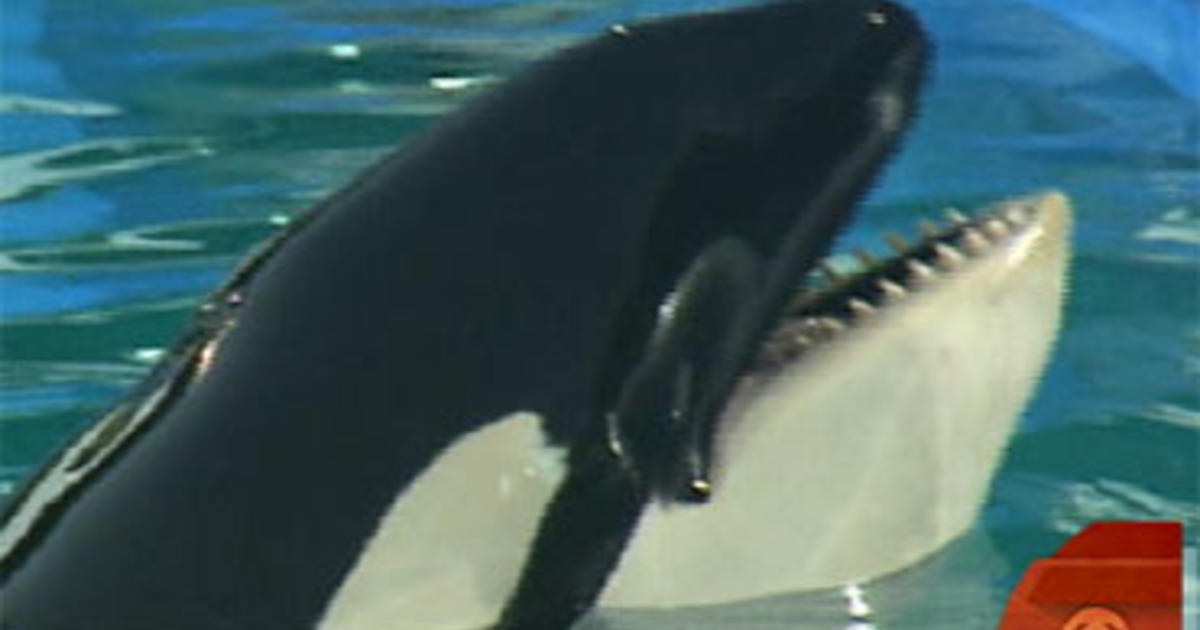
Lolita, a beloved killer whale who had been in captivity for over five decades at the Miami Seaquarium, has died from a suspected renal condition. The orca, also known as Toki or Tokitae, was the oldest killer whale living in captivity at the age of at least 57. Efforts had been underway to release her back into her home waters, with a binding agreement between the Seaquarium and Friends of Lolita. Animal rights groups have long advocated for her relocation to a protected cove sea pen.
Southern resident orca Tokitae, also known as Lolita, has died in captivity at the Miami Seaquarium. The orca's death has raised concerns about animal welfare and the ethics of keeping marine mammals in captivity.
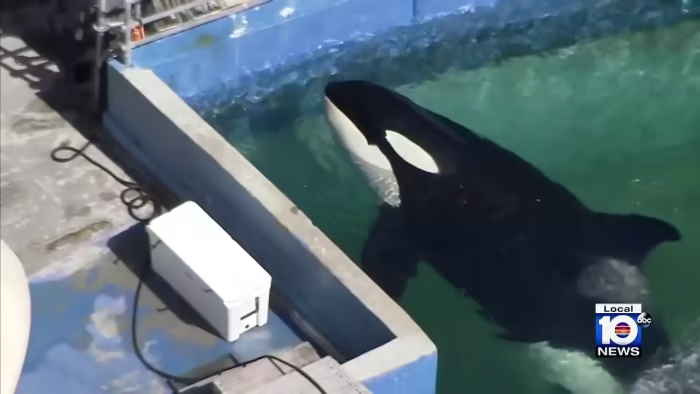
Lolita, a captive orca whale at the Miami Seaquarium, has died after exhibiting serious signs of discomfort for two days. The 57-year-old orca, also known as Tokitae or Toki, was being treated by her medical team but could not be saved. Lolita had been held in captivity since 1970 and performed as a tourist attraction. Efforts were underway to relocate her to her native Pacific Northwest, but plans were not approved in time. Animal rights activists are calling for the release of other captive orcas, including Corky at SeaWorld.
Natalie Portman opened up about how her iconic role as Mathilda in the movie Leon: The Professional made her feel vulnerable and affected her perception of herself due to sexual objectification at a young age. She had to consciously cultivate restraint in real life and protect herself from unhealthy interest from adult men. Although the movie was critically and commercially acclaimed, it still has some cringey aspects to it, making it a difficult and uncomfortable subject for her.
The Miami Seaquarium has announced that it will begin the process of returning Lolita, a 56-year-old orca, to her natural habitat in the Pacific Northwest in the next two years. Lolita, also known as Tokitae, was captured more than 50 years ago and has been living in captivity at the Seaquarium ever since. The move comes after years of lobbying by animal rights activists. Once released, Lolita will likely live out her remaining days in a sea pen that will allow her to feel her "home waters" and reconnect acoustically with the pod she was separated from decades ago.
Three former trainers of Lolita, the orca held in captivity at the Miami Seaquarium, have criticized the plan to move her to a semi-wild sea-pen in Washington state. They question whether the 56-year-old whale is healthy enough to survive the 3,000-mile journey and whether she would be able to adjust to the polluted waters and catch her own food. They also argue that the move would be a "death sentence" for Lolita and that the lack of detail in the plan raises concerns about compliance with laws like the Endangered Species Act and the Marine Mammal Protection Act.
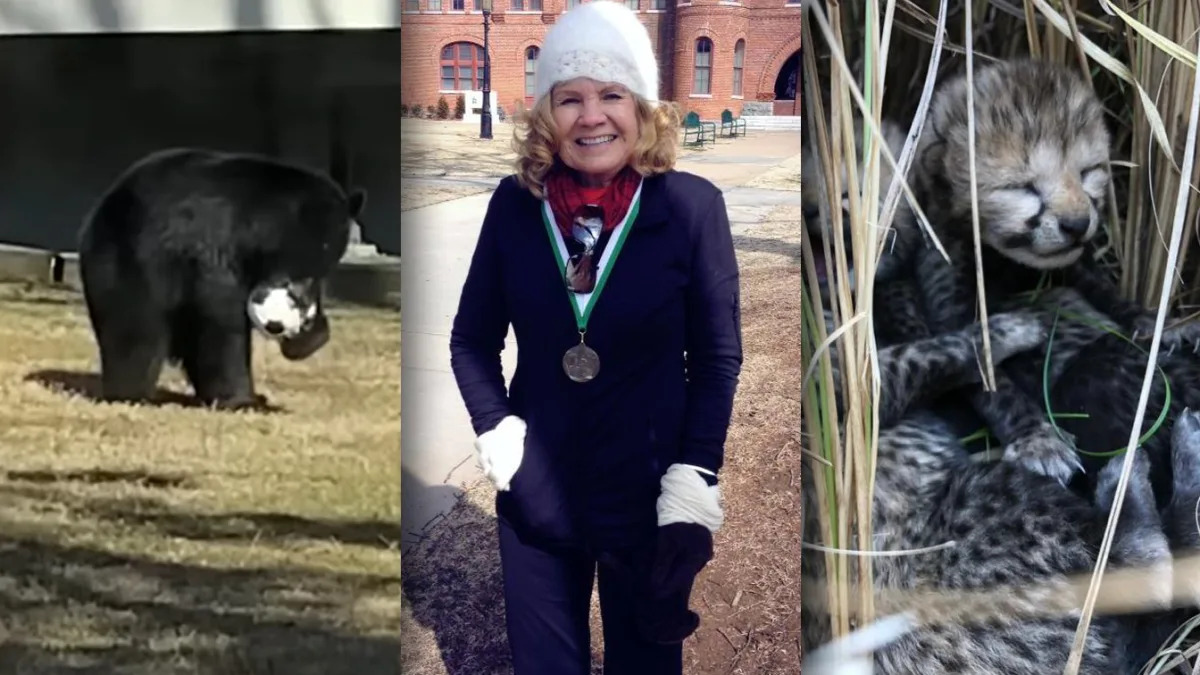
Four cheetah cubs have been born in India, over 70 years after cheetahs were declared extinct in the country. Lolita, a 57-year-old killer whale, may finally be returning to her home in the Pacific Northwest after more than 50 years in captivity. Mae Dean Erb, an almost-80-year-old lady from Oklahoma, has been running or walking at least 5K every day for the past three years. A black bear was caught on video playing with a soccer ball in a New Yorker's yard.
After 50 years of captivity at the Miami Seaquarium, Lolita, a killer whale also known as Tokitae or Toki, is set to be released into her "home waters" in the Pacific Northwest within the next 18 to 24 months. The move comes after a long-running dispute over where Lolita belongs. The Dolphin Company, which operates the Miami Seaquarium, will fly Lolita across the country and house her in a natural sea pen in Washington state, where she will be monitored and taught to fish after decades of being fed by handlers.
After being held in captivity for nearly 50 years, Lolita the orca will be returned to her home waters in the Pacific Northwest. The Miami Seaquarium signed a deal with Friends of Lolita to relocate the orca, with financial assistance from philanthropist Jim Irsay. The plan is to build her an ocean sanctuary with netting, where she will receive constant care from trainers. Lolita was captured from the Pacific coast near Seattle nearly 50 years ago at the age of 4 and is currently the oldest orca to be held in captivity.
Lolita, a killer whale, is set to be freed from the Miami Seaquarium and returned to her home waters in the Pacific Northwest after more than 50 years in captivity. Animal activists have been fighting for her freedom for decades. Lolita has had multiple health scares over the years, but her supporters believe she can survive the move. The financial and logistical issues associated with moving a 5,000-pound whale across the country and teaching her how to hunt again remain a challenge. Jim Irsay, who owns the Indianapolis Colts, has agreed to pay for Lolita's transfer, which could cost upwards of $20 million.
Plans are underway to return Lolita, a captive orca, to her home waters in the Pacific Northwest, where her mother still swims. Lolita was captured over 50 years ago and has spent decades performing for paying crowds. The plan is to transport her by plane to an ocean sanctuary in the waters between Washington and Canada, where she will initially swim inside a large net while trainers and veterinarians teach her how to catch fish. The orca would be under 24-hour care until she acclimates to her new surroundings. The relocation plan still faces hurdles to gaining government approval and could cost up to $20 million.
Lolita, the killer whale also known as Tokitae, will be released to her native waters after more than 50 years in captivity at the Miami Seaquarium. The move comes after an outcry from animal rights advocates who complained that an animal from the ocean should not be kept in a small tank. The Dolphin Company, which operates the Seaquarium, Miami-Dade County, and animal rights advocates have agreed to a "binding agreement" to release the orca. Lolita's relocation could cost up to eight figures and may require the use of a 747 plane or a C-17 military plane.
The Miami Seaquarium has announced a plan to return the beloved Orca Lolita, who has been in captivity since 1970, to her "home waters" in the Pacific Northwest. The Dolphin Company, which operates the Seaquarium, has entered into a formal agreement with Friends of Lolita to bring the dream of returning her to an ocean sanctuary to life. The orca's return to her native waters would require a series of processes to get her re-acclimated to the wild and approval from federal regulatory agencies. It could take a few months to two years to move Lolita back to the Pacific Northwest, and there are concerns about her ongoing health issues.
Lolita the Orca, who was captured over 50 years ago and held at the Miami Seaquarium, may soon be returned to her "home waters" to live out the rest of her days. The announcement is expected to be made by the Miami Seaquarium, Florida non-profit Friends of Lolita, and philanthropist Jim Irsay. Lolita, also known as Tokitae, is the oldest orca to be held in captivity and has fallen ill in recent years. Animal rights activists have long advocated for her return to her home pod in Puget Sound, where Southern resident orcas spend several months each year. The Southern Resident population has been on the endangered species list since 2005, and pods were reduced during 1965-75 because of captures for marine parks.