Joseph Cummins was murdered in Liverpool in 2011 during a foggy night, and the case remains unsolved despite a £20,000 reward and ongoing police investigations, with his family still seeking justice after 15 years.
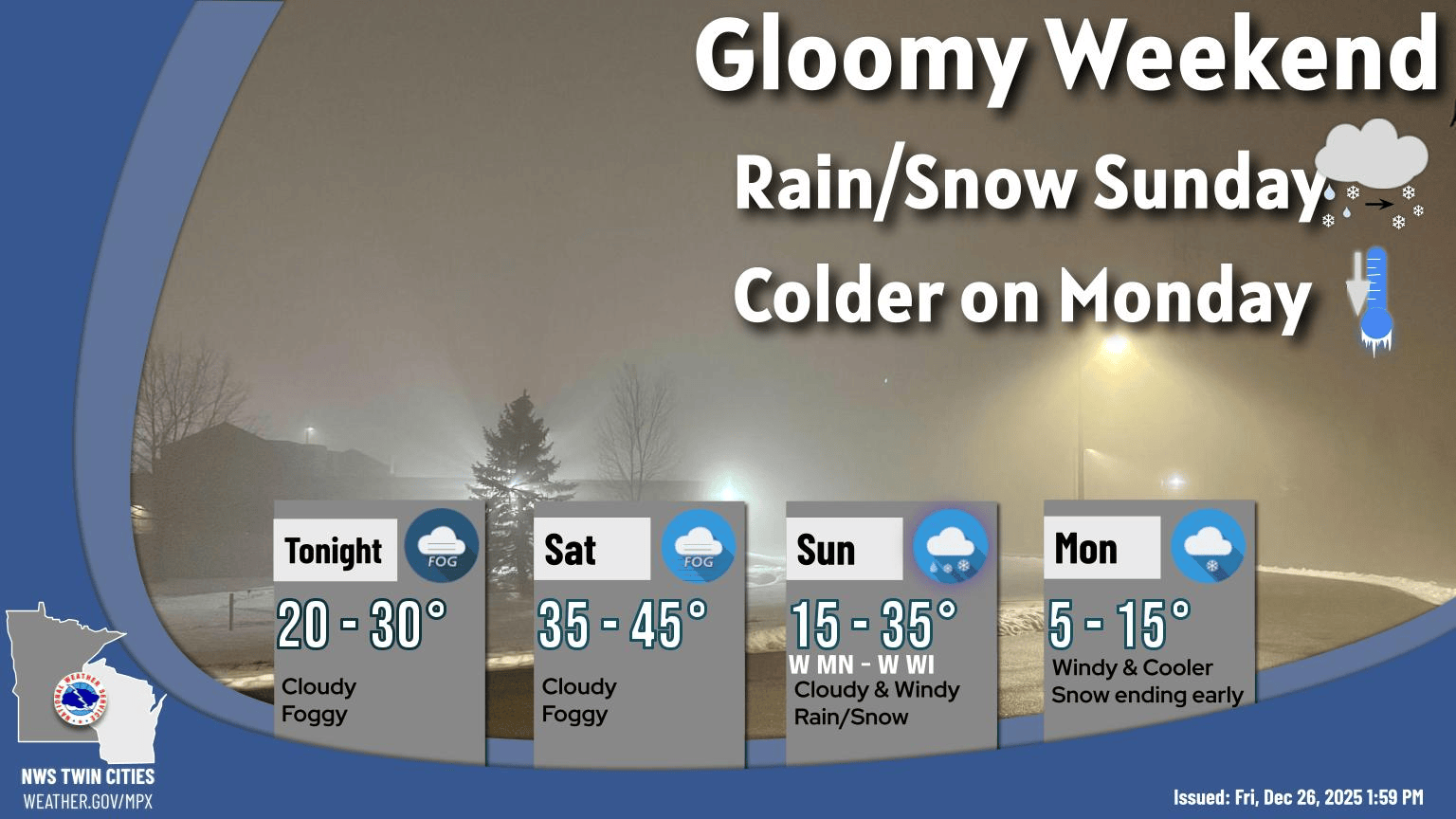
A brief warmup this weekend will bring temperatures into the 40s before a cold front arrives Sunday, causing a sharp cooldown, gusty winds, and a chance of snow across eastern Minnesota, with persistent fog and mild overnight temperatures continuing into Saturday.
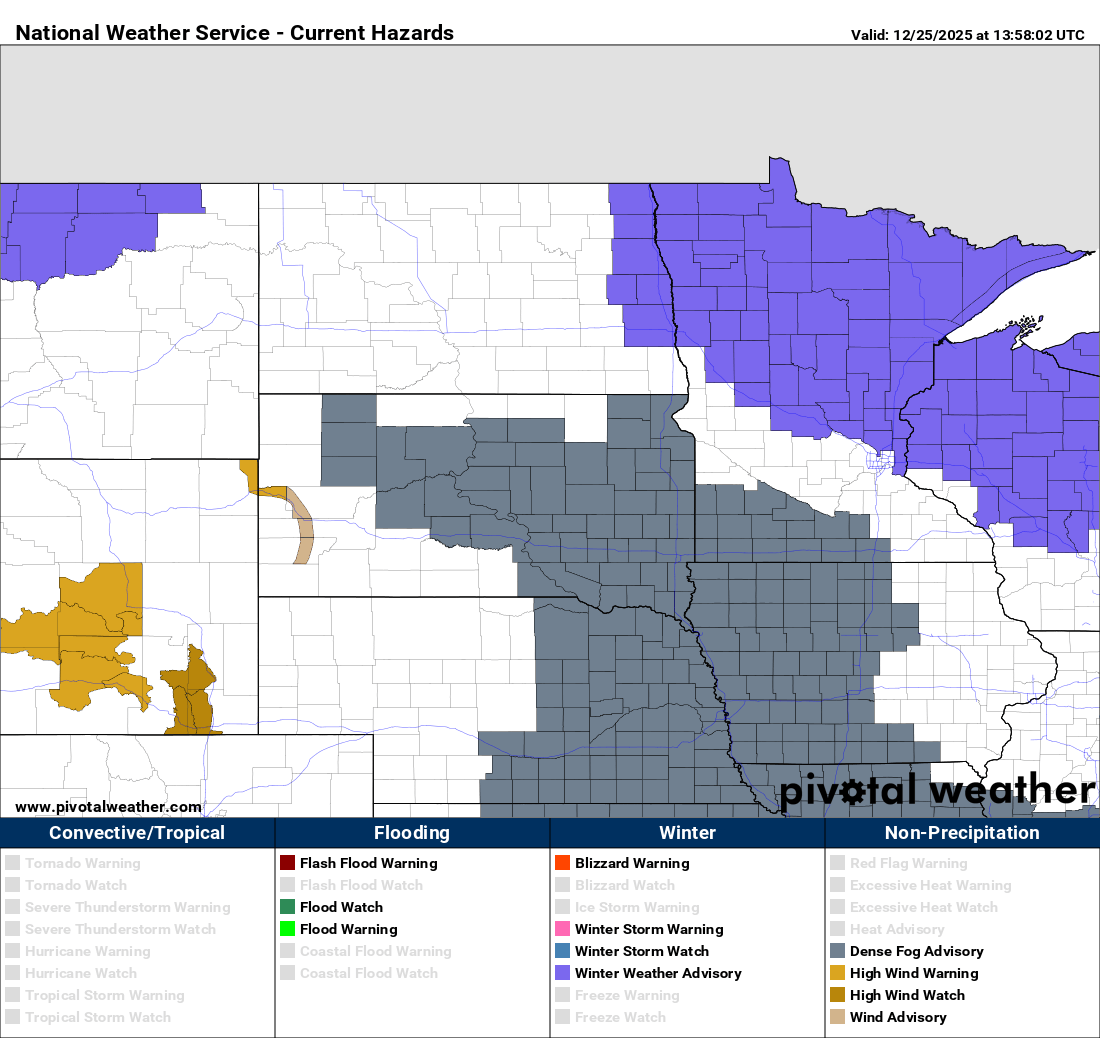
A gloomy and foggy Christmas Day is affecting much of Minnesota, with dense fog, freezing drizzle, and icy travel concerns, especially in the northern regions. While temperatures are relatively warm for late December, a cold Arctic front will bring a sharp drop in temperatures early next week, accompanied by strong winds and dangerously low wind chills.
A severe fog and pollution crisis in Sarajevo has led to flight cancellations, indoor advisories for children, and restrictions on outdoor activities, with air quality rated as 'unhealthy' due to high levels of PM2.5 particles, highlighting ongoing environmental challenges in the Balkans.
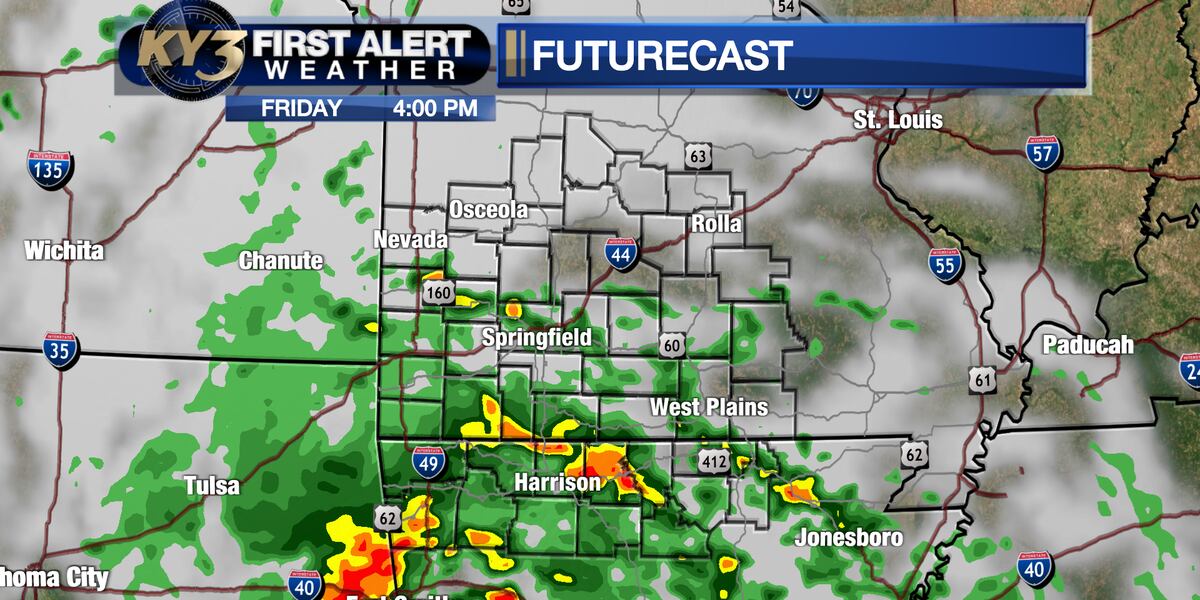
Lingering showers, drizzle, and dense fog are expected tonight with low visibility. Saturday will be mostly cloudy with a slight chance of rain, while Sunday will see some sunshine and warmer temperatures. Pop-up thunderstorms are possible with a higher chance of severe weather early next week. The forecast for the end of next week includes warm temperatures and several storm chances, with Thursday expected to be sunny and dry.
Unusually warm temperatures are expected to continue through the weekend, with highs reaching the upper 40s and even 50s in some areas, resembling March weather. The snow drought persists, with Minnesota and Wisconsin experiencing well-below-average snowfall. Additionally, areas of dense fog are expected to lift, and caution is advised for ice safety.
Patchy fog may develop tonight due to high low-level moisture, with temperatures near freezing outside the Beltway and upper 30s downtown. Tomorrow, morning clouds and fog will give way to sunnier skies with temperatures reaching the mid-50s. Weather models suggest dry conditions through the first 10 days of February, potentially impacting the "big snowstorm" season.
Dense fog in Delhi has disrupted travel, with dozens of flights and trains delayed, leaving passengers stranded at the airport. The Indian Meteorological Department predicts light rains and thundershowers, accompanied by gusty winds, and moderate fog for the next few days. Delhi and the rest of north India have been experiencing cold wave conditions, with the coldest January in 13 years recorded.
A 43-vehicle pileup on the Chesapeake Bay Bridge in Maryland left 13 people injured, with record fog contributing to the chaotic crash. Witnesses described encountering an "impenetrable" wall of fog, leading to a series of collisions. The bridge, known for inspiring fear in some, lacks shoulders and has low railings, making any crash a cause for concern. While such catastrophes are rare, they can lead to long delays on a route already plagued by heavy traffic.
Dense fog advisory is in effect for much of Minnesota and parts of western Wisconsin until 9 a.m. Monday, with visibility expected to be one quarter mile or less. Above-normal temperatures are forecasted to continue into February, with highs reaching around 40 degrees in the Twin Cities on Monday and climbing into the 40s and even upper 40s later in the week. Showers are possible in some areas on Monday afternoon and evening, with passing flurries expected late Monday night.
A 40-vehicle collision on the Chesapeake Bay Bridge in Maryland resulted in 13 injuries, with two patients in serious condition and 11 others with non-life-threatening injuries. The crash, which occurred in heavy fog, involved 23 vehicles in a chain-reaction on the westbound span, with roughly 20 more vehicles in secondary crashes. The westbound span was closed into mid-afternoon for cleanup, while traffic alternated on the eastbound span.
Dense fog advisories were issued for the D.C. area as milky haze reduced visibility, caused by a change in weather pattern bringing warm, humid air over chilly ground, creating advection fog. The disappearance of snow has lowered overall fog coverage, but some still lingers. Photos captured the hauntingly beautiful scenes created by the fog.
Dense fog advisories are in effect as warm air moves in, bringing temperatures to the mid-60s or even 70s. Cooler air will return tonight, setting the stage for moderate to heavy rain Saturday night into Sunday, potentially ending with wet snow in Baltimore. The AFC Championship game may be wet and cool, with the possibility of snow by the end. The Maryland Special Olympic Super-Plunge will see temperatures reaching the 60s to near 70ºF inland, while cooler weather is expected next week.
A record stretch of thick fog has blanketed the Lower 48 states, causing disruptions in flights, vehicle accidents, and school delays. This advection fog, caused by warm, moist air from the Gulf of Mexico being transported over a layer of cold air near the ground, has led to dense fog advisories affecting nearly a third of the U.S. population and parts of 27 states. The fog outbreak is expected to diminish as a storm system sweeps from the Mississippi Valley to the East Coast by the weekend, increasing winds to mix out the soupy air.
Warmer temperatures are expected to continue into Wednesday, with a chance of showers and fog developing as more moisture arrives. Some areas may experience freezing rain overnight, and temperatures should reach above 50 degrees tomorrow, aiding in the snow melt. The increase in humidity will lead to widespread fog, but the rapid snow melt may limit its development.