NASA is advancing its lunar nuclear power initiative with a focus on commercialization, seeking industry proposals for a reactor capable of producing at least 100 kilowatts, to be operational by 2029, through public-private partnerships and emphasizing a wholly commercial deployment approach.
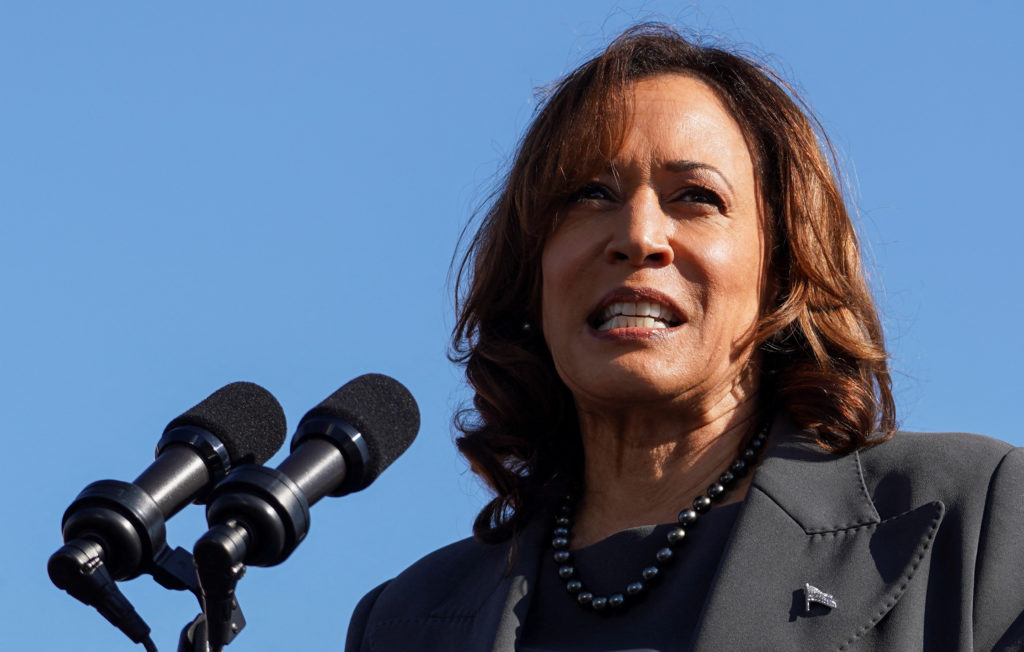
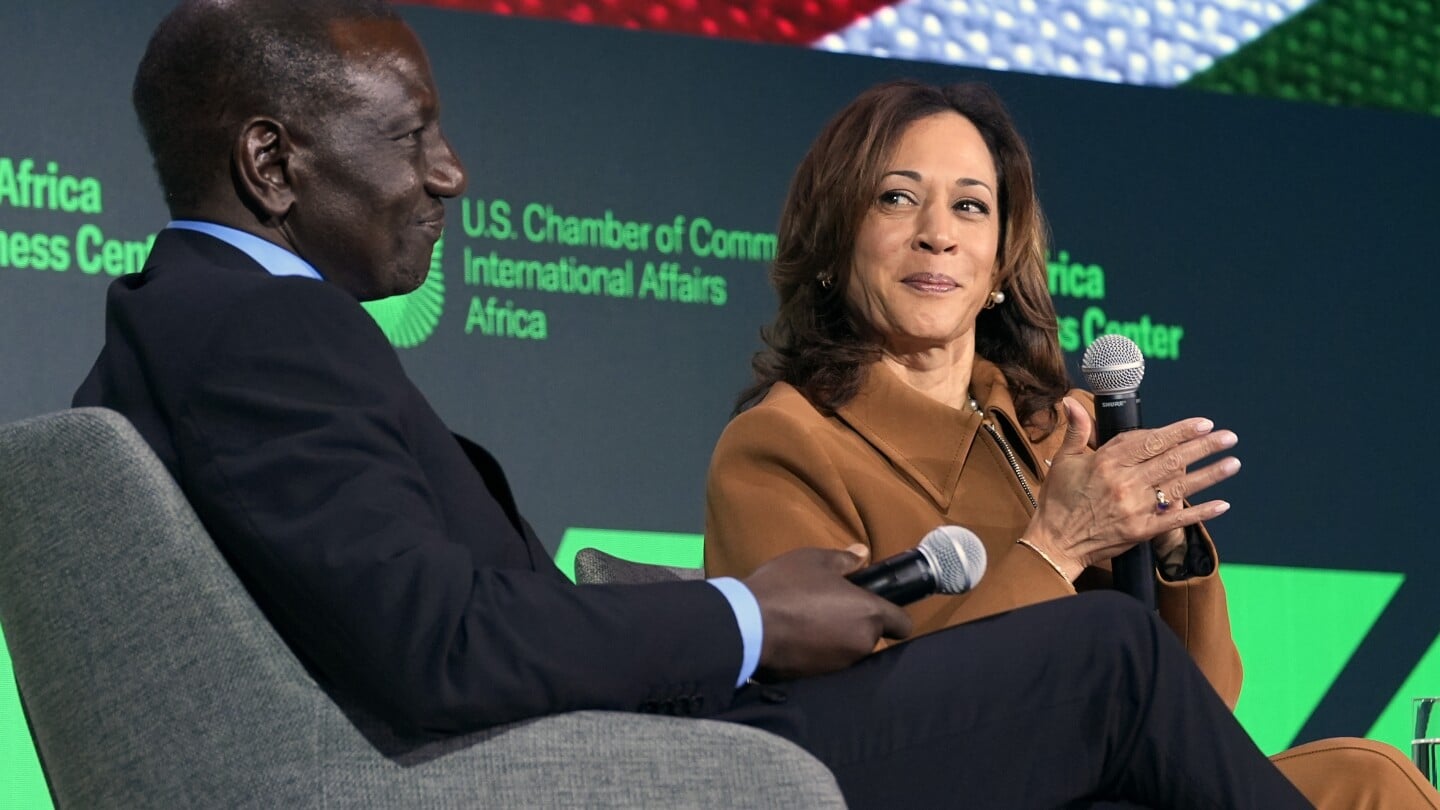
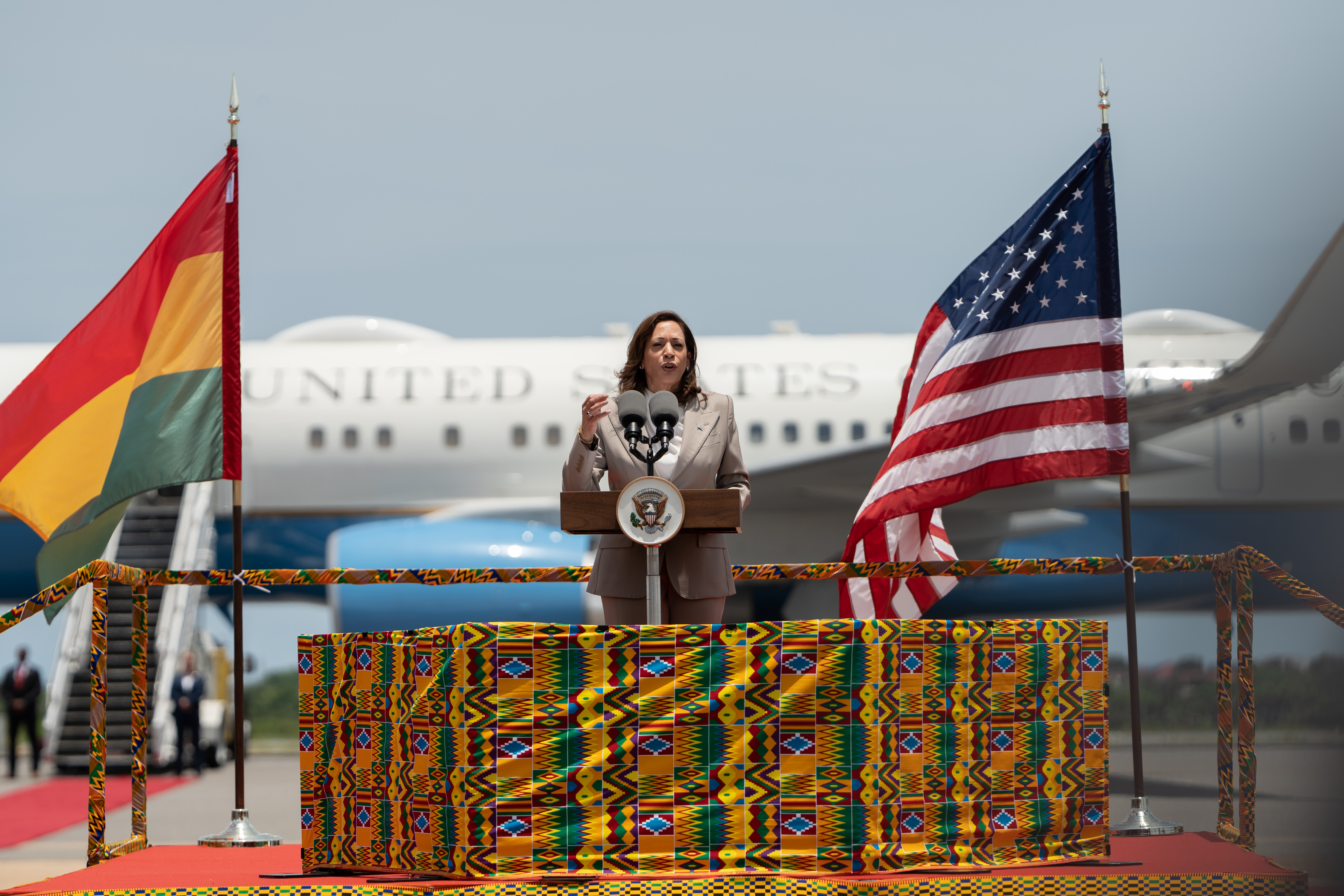
Vice President Kamala Harris announced a new partnership aiming to increase internet access in Africa from 40% to 80% by 2030, emphasizing investment over aid. The initiative includes the Partnership for Digital Access in Africa and the Mobilizing Access to the Digital Economy Alliance, starting with a pilot program for 3 million farmers in Kenya, Tanzania, and Nigeria. Harris also highlighted efforts to bridge the gender divide in technology, with over $1 billion in commitments.
Vice President Kamala Harris announced a new partnership aiming to increase internet access in Africa from 40% to 80% by 2030. This initiative, part of a broader effort to boost economic growth through public-private partnerships, includes the formation of the Partnership for Digital Access in Africa and the Mobilizing Access to the Digital Economy Alliance (MADE). The alliance will initially provide digital access to 3 million farmers in Kenya, Tanzania, and Nigeria. Additionally, efforts to bridge the gender divide in technology have garnered over $1 billion in commitments.
Vice President Kamala Harris announced significant public and private sector commitments to advance digital inclusion in Africa during her historic trip to the continent. Key initiatives include the Mobilizing Access to the Digital Economy (MADE) Alliance, the Partnership for Digital Access in Africa (PDAA), and the Women in the Digital Economy Fund (WiDEF). These efforts aim to enhance digital infrastructure, promote gender equality, and support economic growth by mobilizing billions in investments and fostering collaborations between U.S., African, and global partners.
Frustration with NOAA's short-term data purchase contracts for weather data from private companies was voiced at the American Meteorological Society's annual meeting. Industry executives expressed concerns about the impact of short-term contracts on their ability to invest in satellite constellations and develop new applications. NOAA defended its approach, citing the need to obtain the best value for the government given the allocated funding. The slow pace of integrating commercial data into operational forecasts was attributed to the paradigm shift and mismatched decision cycles between government and private sectors. Suggestions were made to emulate U.S. intelligence agency programs to build long-term partnerships with industry.
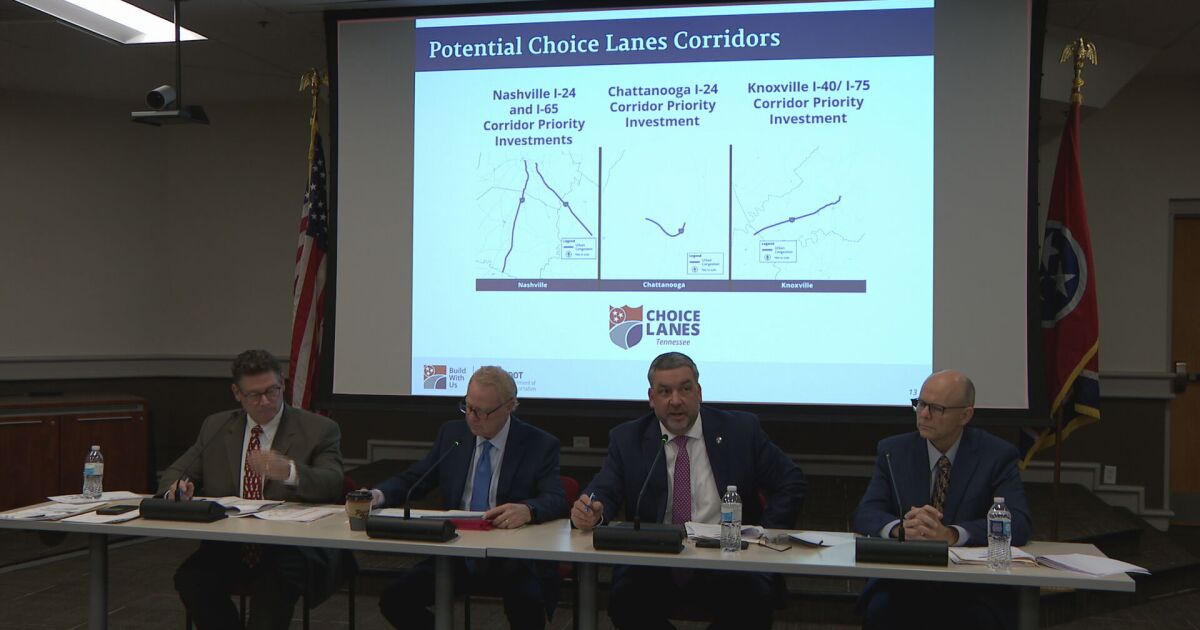
The Tennessee Department of Transportation (TDOT) has released a list of potential locations for optional toll lanes, known as "choice lanes," aimed at alleviating Nashville traffic. The first few locations include I-40 in Knoxville, the Moccasin Bend portion of I-24 in Chattanooga, and stretches of I-65 and I-24 in Middle Tennessee. TDOT prioritizes I-24 from Nashville to Murfreesboro as the most attractive candidate for attracting a private contractor. However, concerns have been raised about accessibility, alternative transportation options, and pricing. Construction bids are not expected until 2025, with the lanes potentially opening in 2027. TDOT believes the project's benefits will outweigh the initial investment.
Brazil's President Luiz Inacio Lula da Silva has unveiled a $350 billion "growth acceleration" plan that aims to attract investments through public-private partnerships and drive an ecological transition. The plan, known as PAC, will focus on energy, logistics, and urban and social infrastructure. Lula's government intends to strengthen partnerships between the public and private sectors, with over $300 billion estimated to be disbursed by 2026. The plan emphasizes fiscal and environmental responsibility while addressing social needs. The private sector is expected to invest $122 billion, while the federal government and state-owned firms like Petrobras will contribute $171 billion and $159 billion, respectively. The plan includes an ecological transition plan to combat environmental degradation and reduce emissions.
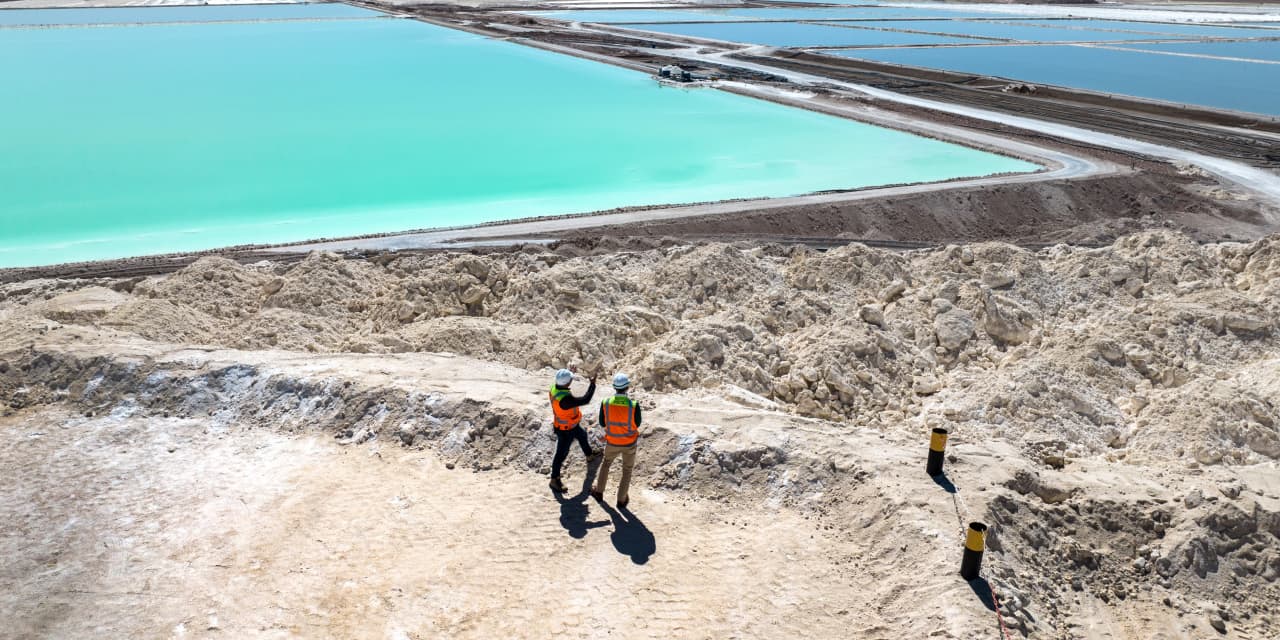
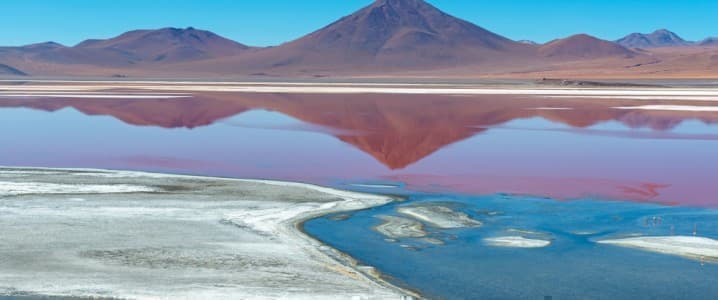
Chilean President Gabriel Boric announced his intention to nationalize the country’s lithium industry, which has provoked negative reactions from investors. However, the mixed history of resource nationalizations suggests the full impacts of this move are anything but a foregone conclusion. Chile is the world’s second-largest producer of lithium, and has the largest reserves. The Boric administration has signaled a gradual phase-in and more flexible, partnership approach, but the success or failure of the plan will likely hinge on the perceived fairness of the compensation and treatment of the current leading companies, SQM and Albemarle.
Chile, the world's second-largest lithium producer, plans to nationalize its lithium extraction industry and will only issue future contracts to public-private partnerships with state control. The move is aimed at protecting the environment and boosting economic growth. Chile produces lithium from brine and hopes to create a state-owned lithium company with the help of its state-owned copper producer, Codelco. While existing contracts with private companies will not be rescinded, the announcement has sent shares in the world's biggest lithium producers tumbling.
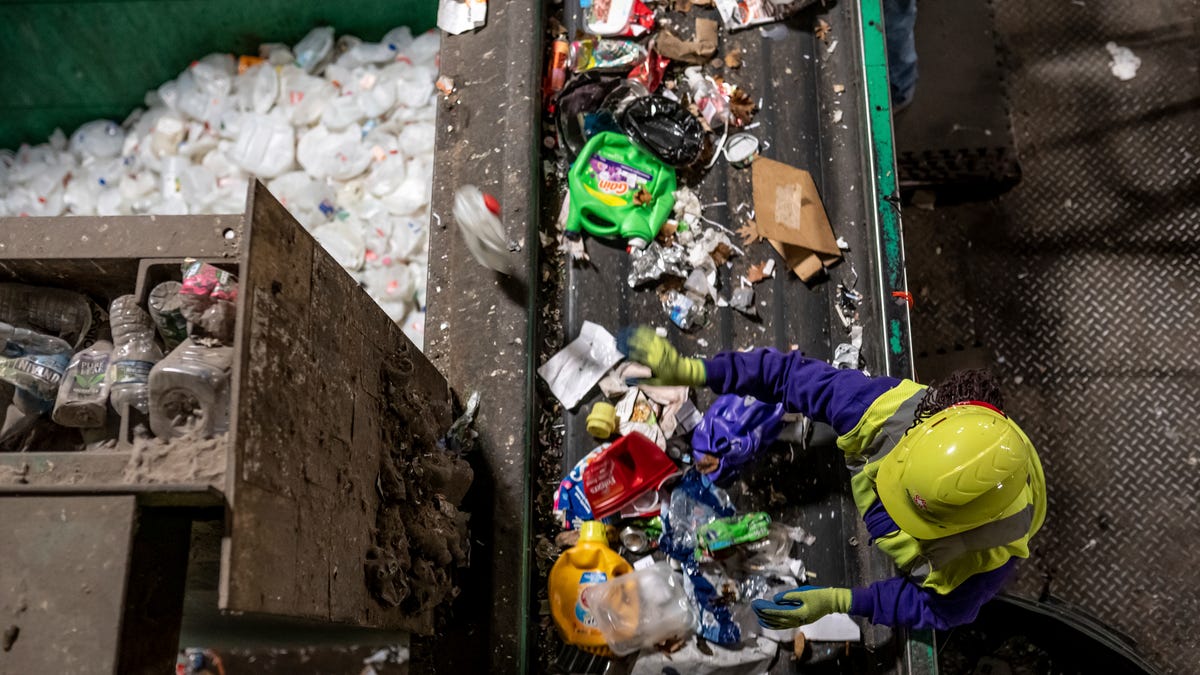
Recycling in Michigan has reached an all-time high, with nearly $16 million in grants being awarded for new projects to expand recycling efforts across the state. The governor and Legislature are committed to raising the state’s recycling rate to 30% by 2029 and to 45% by 2050. The grants will be used for public-private partnerships, including a $35 million recycling processing facility in Detroit, a $1 million grant to provide all 34,000 households in Flint with a free, 96-gallon recycling cart, and a new $5.4 million facility in Alpena County to process recyclables from a six-county area.
Vice President Kamala Harris is embarking on a seven-day trip to Ghana, Tanzania, and Zambia to reset US-Africa relations and encourage American businesses to invest in African nations. The Biden administration is trying to compete with China, which has gained a significant economic foothold on the continent. Harris will focus on elevating the youth and making announcements about public-private sector investments. The trip is intended to make good on the administration’s commitments from December at the U.S.-Africa Leaders Summit. Harris' task will be to shift how Americans view Africa from one that centers on civil war, human rights abuses, and coup d’etats.