New research from the University of Michigan highlights a significant increase in flavored marijuana vape use among US teens, raising concerns about addiction, health risks, and environmental damage, prompting calls for stricter regulations and educational campaigns to curb this trend.
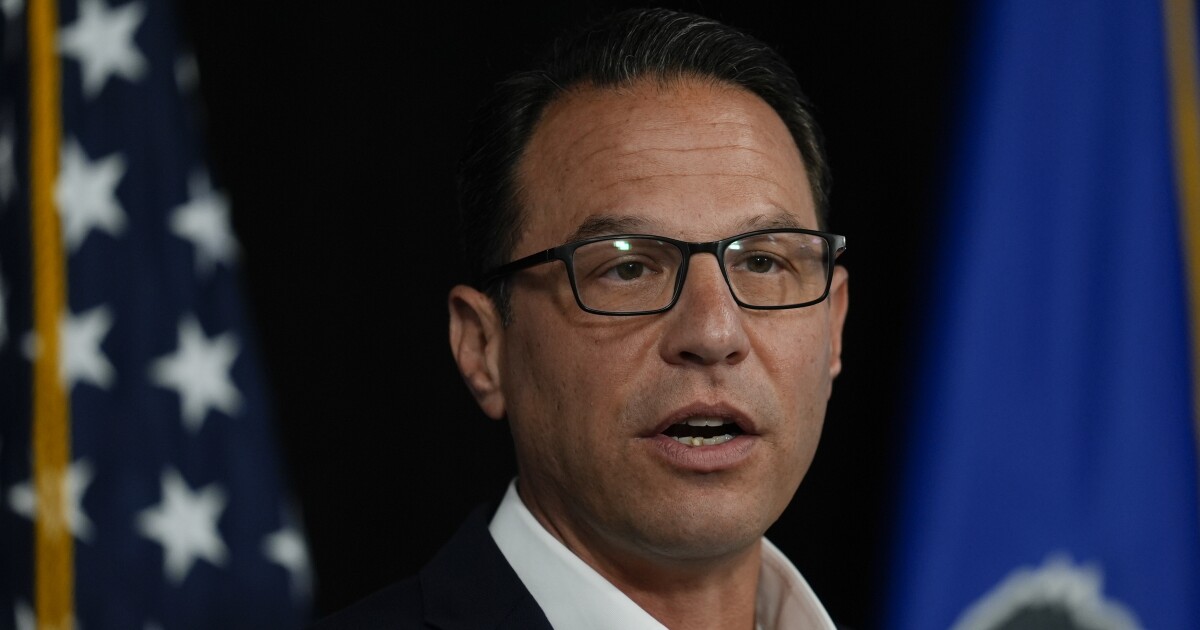
Pennsylvania Governor Josh Shapiro has directed private insurers in the state to cover all vaccines recommended by the CDC's 2024 panel, despite recent contentious decisions and disagreements with federal health agencies, emphasizing local control and evidence-based guidance in public health decisions.
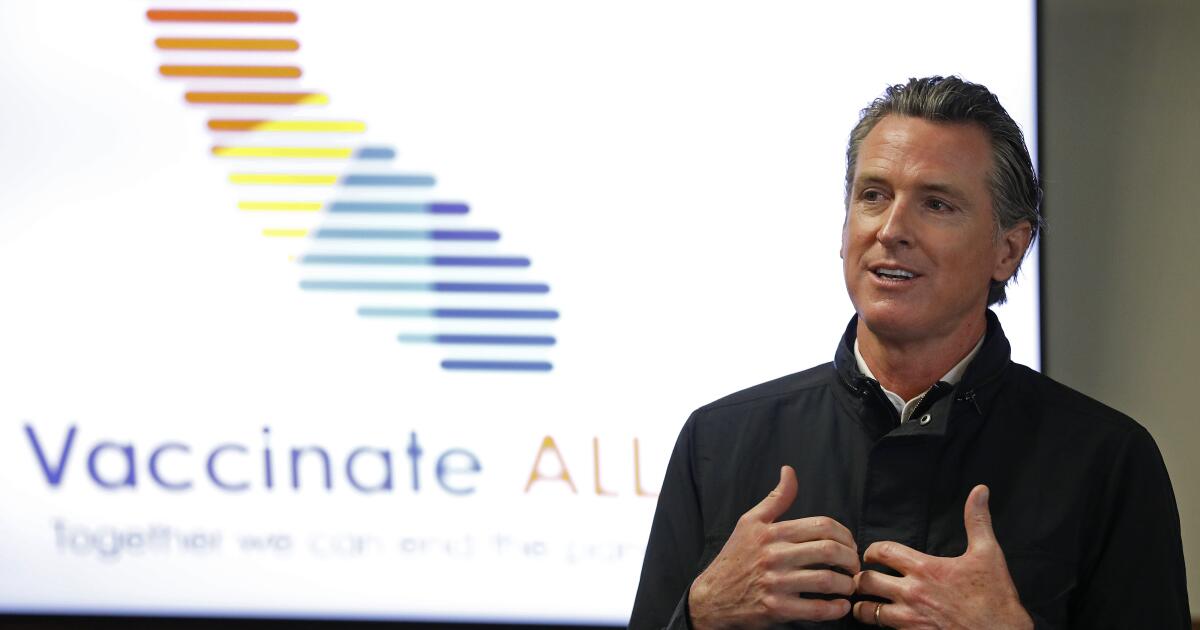
California and West Coast states have independently set their own vaccine guidelines, rejecting CDC recommendations amid federal leadership changes and politicization of vaccine guidance, with new laws and regional alliances emphasizing science-based decisions and expanding vaccine access for various age groups and risk categories.
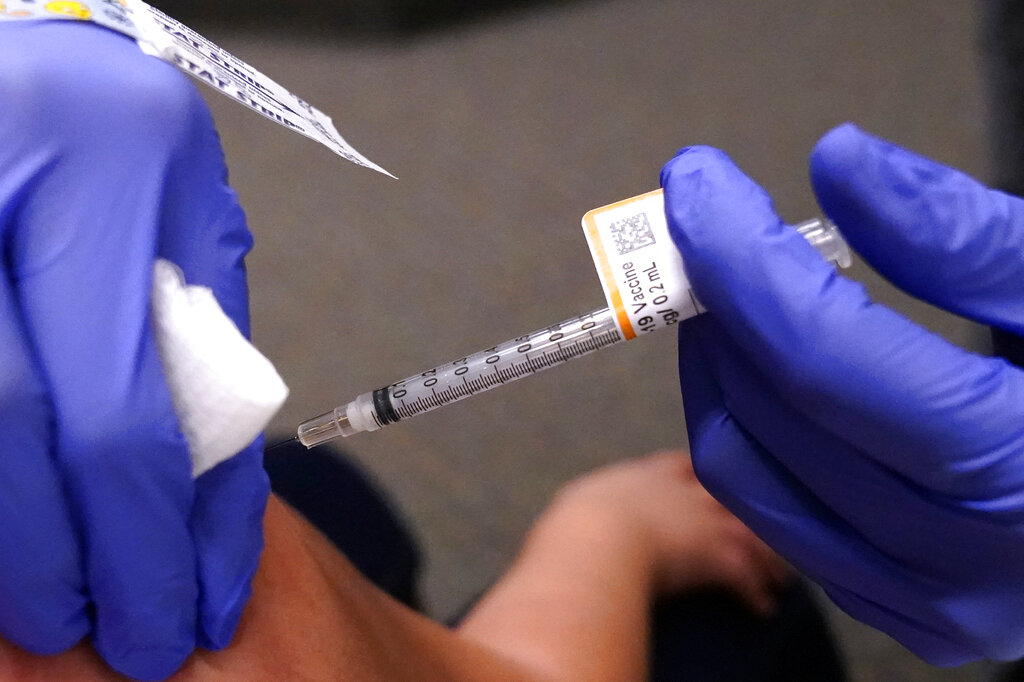
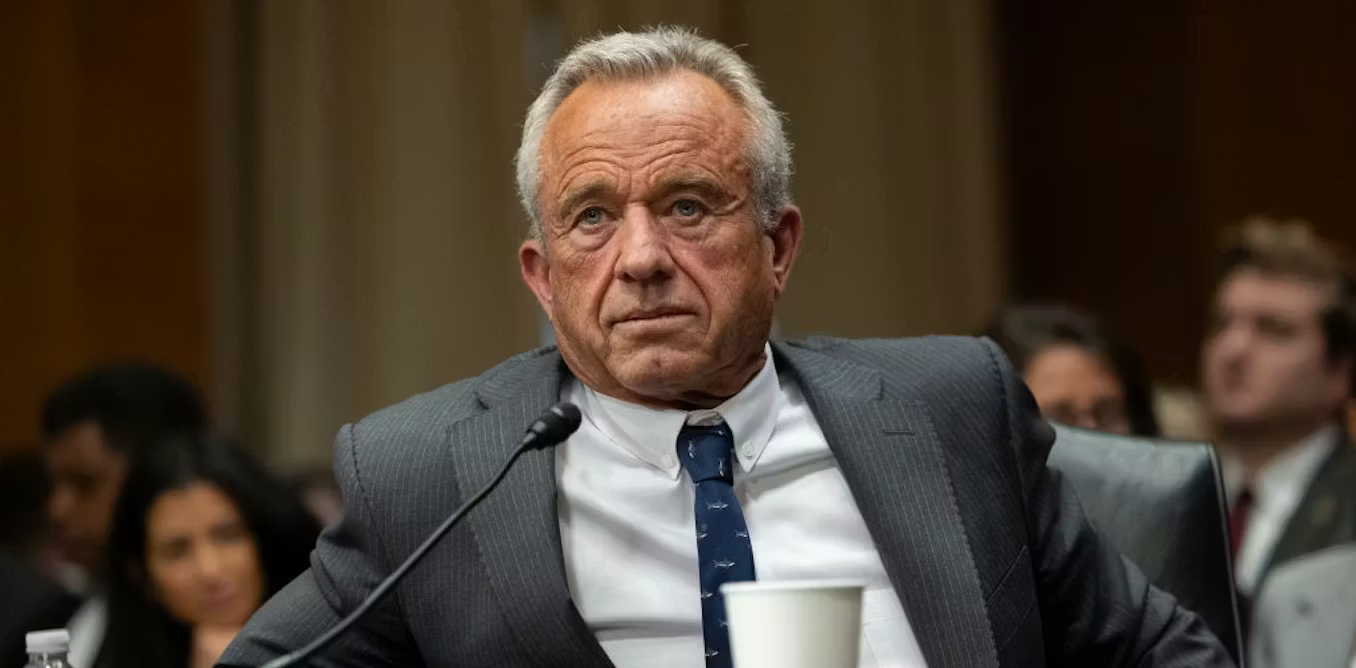
California is recommending COVID-19 vaccination for children 6 months to 2 years old and pregnant/lactating individuals, aligning with medical groups' guidance, despite the CDC's limited recommendations under HHS Secretary Robert F. Kennedy Jr., aiming to promote a science-based approach and protect vulnerable populations.
The article critiques misconceptions about mRNA COVID-19 vaccines, emphasizing their safety, effectiveness, and rapid adaptability compared to traditional vaccines. It highlights recent political and funding shifts away from mRNA research, despite scientific evidence supporting their benefits, and discusses the potential of mRNA technology for future disease prevention. The author warns that misinformation and policy decisions based on false claims could hinder advancements and public health outcomes.
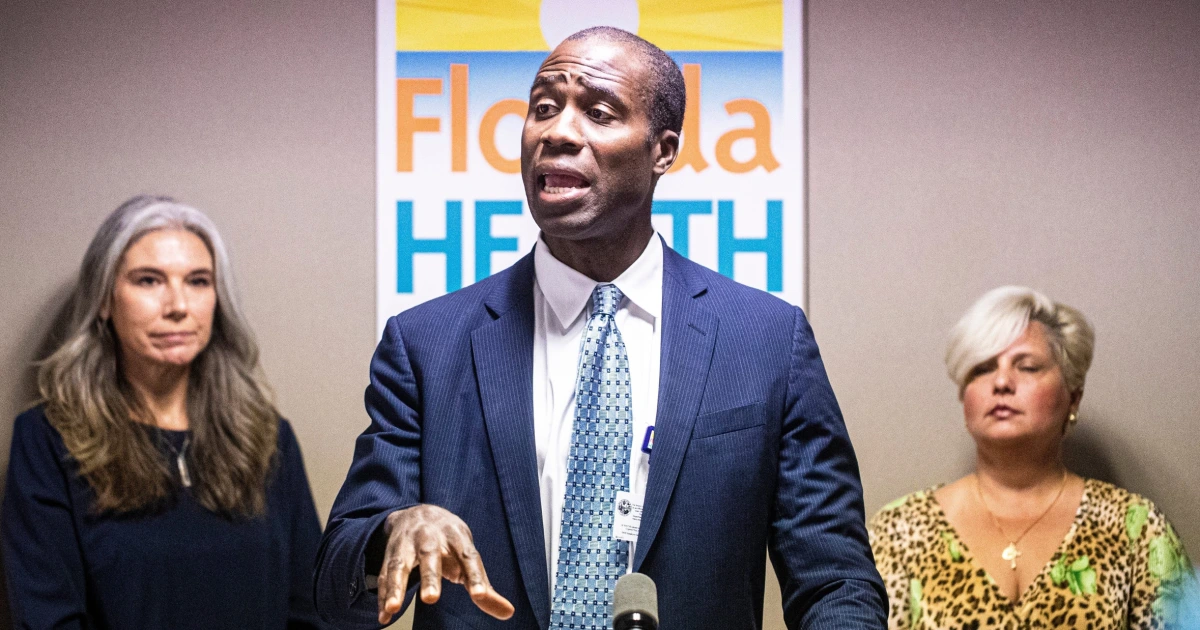
Florida Surgeon General Joseph Ladapo announced that the state will work to eliminate all vaccine mandates, emphasizing individual choice and opposing government-imposed vaccination requirements, while the state continues to require vaccinations for public school students. The move aligns with Florida Governor Ron DeSantis's broader efforts to promote health reforms and reduce regulatory burdens.
RFK Jr. is set to make significant moves within the Biden administration's health agencies this September, testing his influence and potentially impacting public health policies, especially around vaccines and environmental issues, amid political tensions and upcoming midterm elections.
The article discusses how Trump administration officials, including RFK Jr., have promoted views that blame individuals for their chronic illnesses and health issues, attributing them to lifestyle choices and environmental toxins without sufficient evidence. These attitudes influence policies that may stigmatize patients, reduce access to healthcare, and undermine trust in medicine, while also affecting public health strategies and legislation.
Recent changes in federal COVID vaccine recommendations have led to confusion and concern among parents and families, especially pregnant women and those with vulnerable members, due to limited access and shifting guidelines, raising fears about protection and safety.
The CDC warns that defunding syringe exchange programs in Philadelphia, as proposed by Mayor Cherelle L. Parker, could lead to an HIV outbreak among drug users. The CDC emphasizes the importance of these programs in preventing the spread of HIV and other bloodborne diseases, and highlights research showing their effectiveness. Despite the controversy and legal restrictions surrounding syringe exchanges, the CDC advocates for their continued support as a critical public health measure.
The article discusses the widespread consumption of ultra-processed foods (UPFs) in both rural and urban areas of India and highlights the recent ICMR-NIN guidelines advising against UPFs. It underscores the health risks associated with UPFs, such as obesity and non-communicable diseases, and calls for stronger regulatory measures, citing successful examples from countries like Chile and Mexico. The article also provides practical tips for parents to help their children avoid UPFs and emphasizes the need for policy changes to effectively combat the health issues linked to these foods.