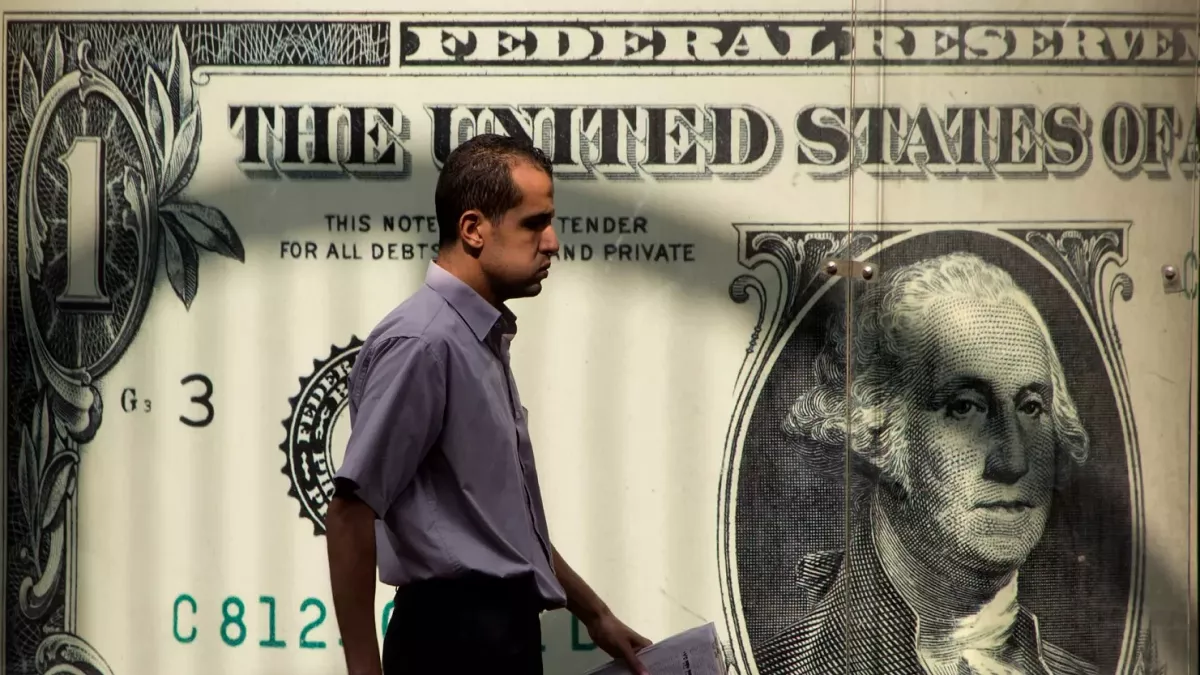
The US federal deficit reached a record high of $291 billion in July 2025, driven by increased government spending on social programs, healthcare, and interest payments, despite a fourfold increase in tariff revenue, which was insufficient to offset the rising expenditures and structural fiscal imbalance.
Japan's government debt has surged to nearly $9 trillion, more than twice its GDP, due to prolonged debt-fueled spending on social programs, pandemic relief, and defense, forcing the country to confront difficult fiscal choices amid economic challenges.
Italy's hard-right government, led by Prime Minister Giorgia Meloni, plans to raise €20 billion by 2026 through the sale of stakes in Poste Italiane, Ferrovie dello Stato, and Eni, as part of efforts to tackle the country's massive public debt. This move marks a significant shift from Meloni's previous stance on keeping Poste Italiane in state hands, drawing criticism from the opposition. The government has already initiated the partial privatisation campaign by selling a quarter stake in Monte dei Paschi di Siena and is also under investigation by the European Commission for the sale of a stake in ITA Airways to Lufthansa.
European Union finance ministers have reached an agreement on the latest reform of the bloc's fiscal rules, allowing more time for cutting public debt and creating incentives for public investment. The new rules set minimum amounts of deficit and debt reduction, with a more lenient approach than the previous framework. The deal will now be negotiated with the European Parliament before becoming law. The reform was prompted by the record-high national debt levels caused by pandemic recovery programs and the need for new spending to meet climate, industrial policy, and security goals.
Developing countries spent a record $443.5 billion in 2022 to service their public debt, a 5% increase from the previous year, as global interest rates surged, according to the World Bank. The cost of servicing debt for the world's poorest nations could surge by as much as 39% in 2023 and 2024, putting them at high risk of debt distress. The World Bank highlighted that there were 18 sovereign defaults in 10 developing countries in the last three years, more than the total in the previous two decades combined. Multilateral banks have increased efforts to help developing countries refinance their debt as new financing options from private sources shrink.
The International Monetary Fund (IMF) has warned that the current pursuit of the energy transition could significantly increase public debt, reaching 45-50% of GDP, which is unsustainable. The IMF suggests putting a price on carbon emissions to generate revenue for transition-focused governments and reduce emissions. However, the report acknowledges that carbon pricing is not popular among the general population, creating a trade-off between achieving climate goals, fiscal sustainability, and political feasibility. The IMF proposes a combination of carbon pricing, green subsidies, and regulation to promote innovation and deployment of low-carbon technologies. This comes after BlackRock's CEO, Larry Fink, stated that the energy transition lacks profitable alternative energy technologies.
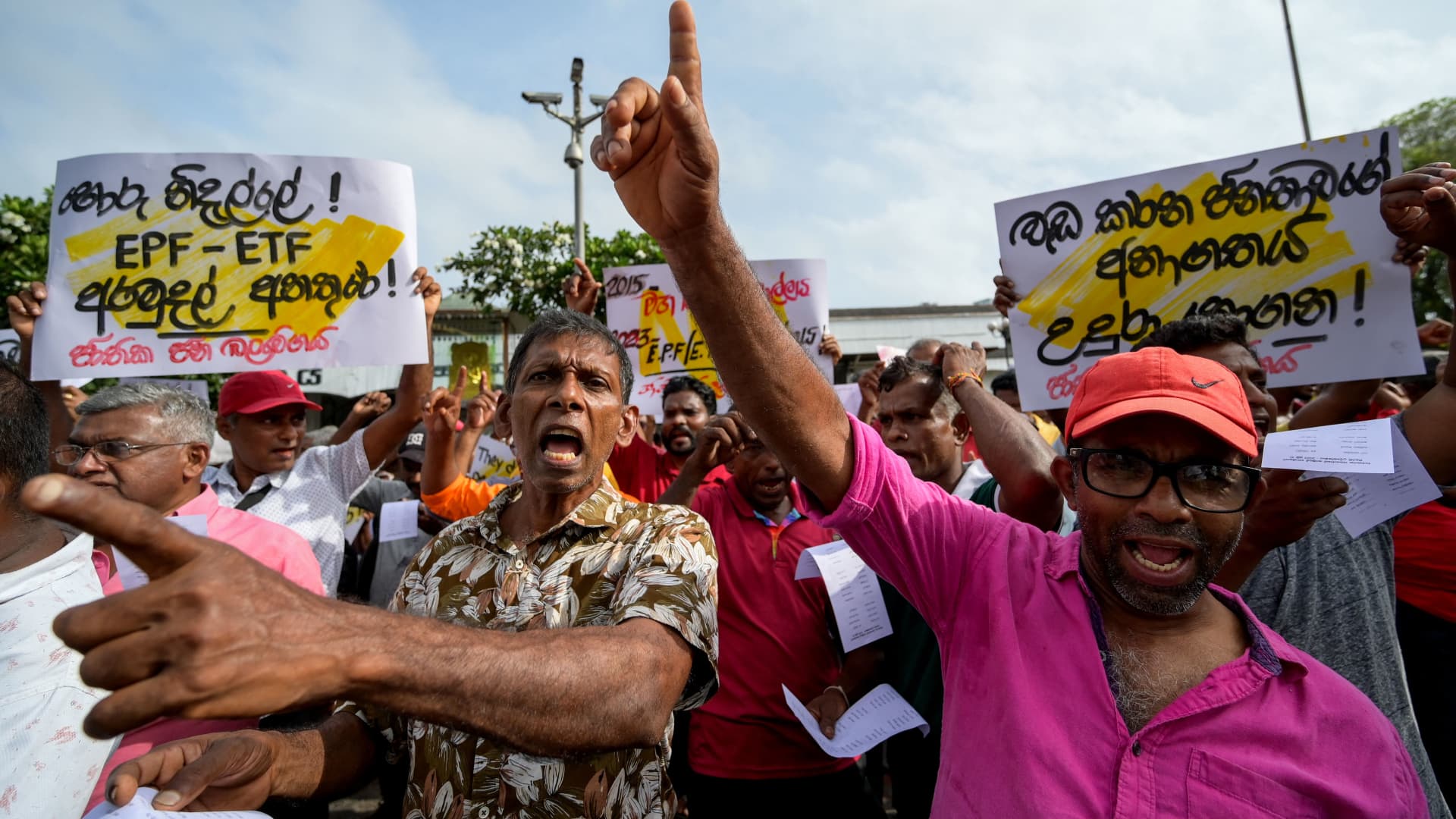
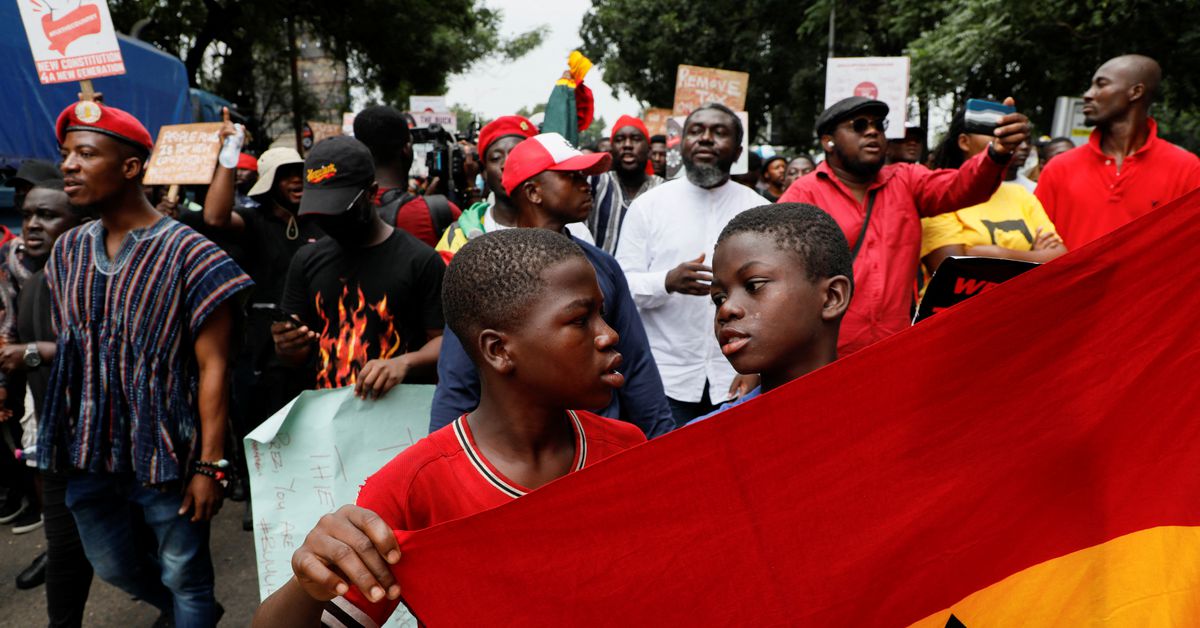
Demonstrators in Ghana's capital, Accra, gathered for a third day of anti-government protests, expressing frustration over the high cost of living and lack of job opportunities. The protests come as the country grapples with its worst economic crisis in a generation, driven by spiraling public debt. Despite police arrests and roadblocks, the situation remained calm on Saturday. Last year, similar protests resulted in clashes with law enforcement. Critics argue that the government has not done enough to alleviate the economic challenges faced by its citizens, with economic growth projected to slow to 1.5% this year.
Economists at the Kansas City Federal Reserve's annual central banking symposium in Jackson Hole, Wyoming, have concluded that the sharp rise in public debt loads over the past decade and a half is likely irreversible. Despite concerns about the growth-crimping implications of high debt, reducing debt-to-GDP ratios is unlikely in practice due to factors such as population aging, the need for public financing in areas like healthcare and pensions, rising interest rates, political divisions, and the broadening pool of creditors. Governments will have to live with high inherited debts and will need to implement spending limits, consider tax hikes, and improve bank regulation to manage the situation.
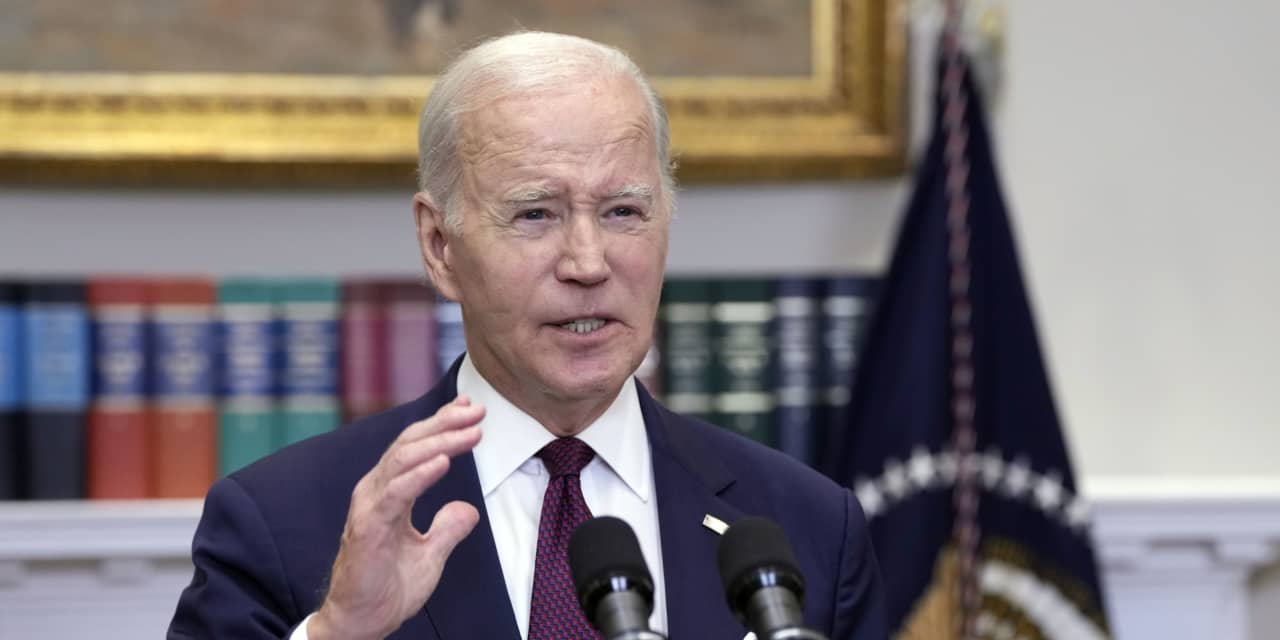
President Biden's economic policy, known as Bidenomics, may pose a significant risk to his re-election campaign as the consequences of excessive public spending could come back to haunt him. While Bidenomics has led to a strong labor market and a recovery from the Covid recession, it has also resulted in high inflation, soaring public debt, and concerns about the dollar's future as the world's reserve currency. The massive budget stimulus, combined with loose monetary policy, has led to economic overheating and a surge in inflation. The Federal Reserve's recent tightening measures could potentially trigger an economic recession during the election campaign, putting Biden's economic performance under scrutiny. However, Biden may need to shift the public's attention to non-economic issues to mitigate the impact of his economic challenges.
Finland's election on Sunday is a three-way race between right-wing populists, conservatives, and Prime Minister Sanna Marin's centre-left party. The main issue during the campaign has been Finland's public debt and how the country's welfare state can be financed in the future. The right-wing populist Finns Party is seen as a major challenger to Marin's Social Democrats, with the conservative National Coalition Party also vying for victory. The Finns Party's policies on immigration set them apart from the other parties, and they have long had the strategic goal of leaving the European Union. The party that comes out on top is likely to have the first opportunity to form a government.