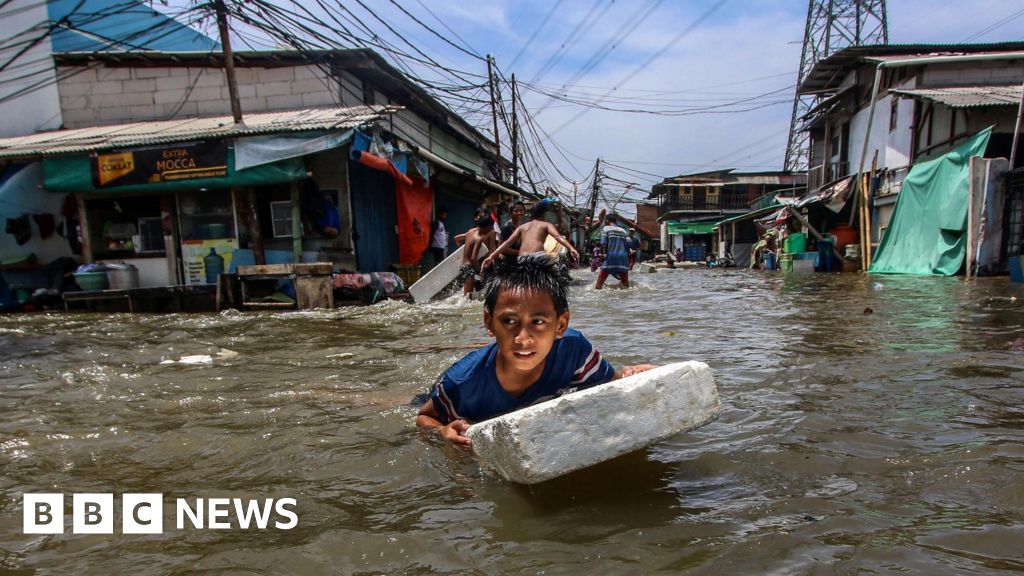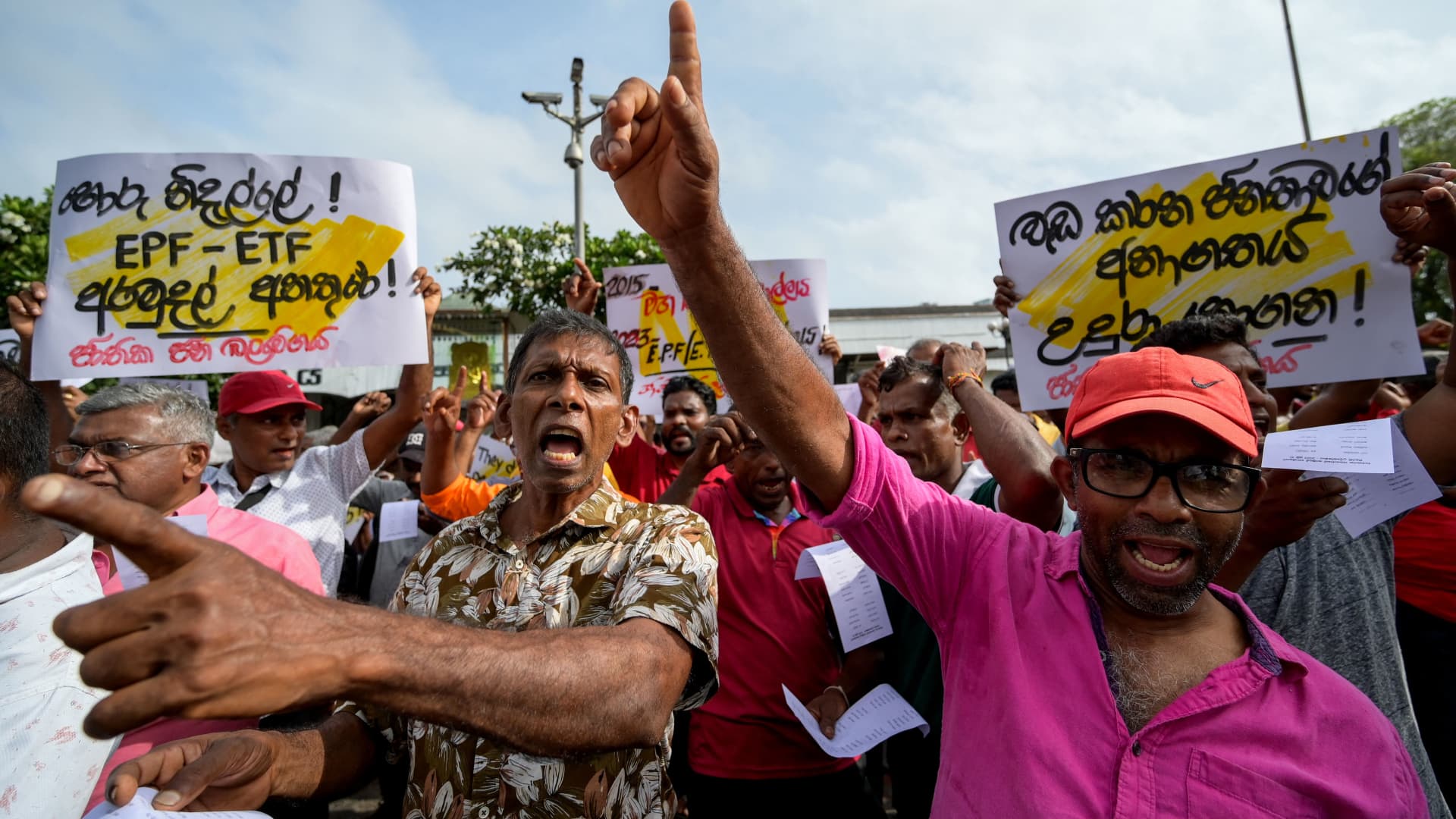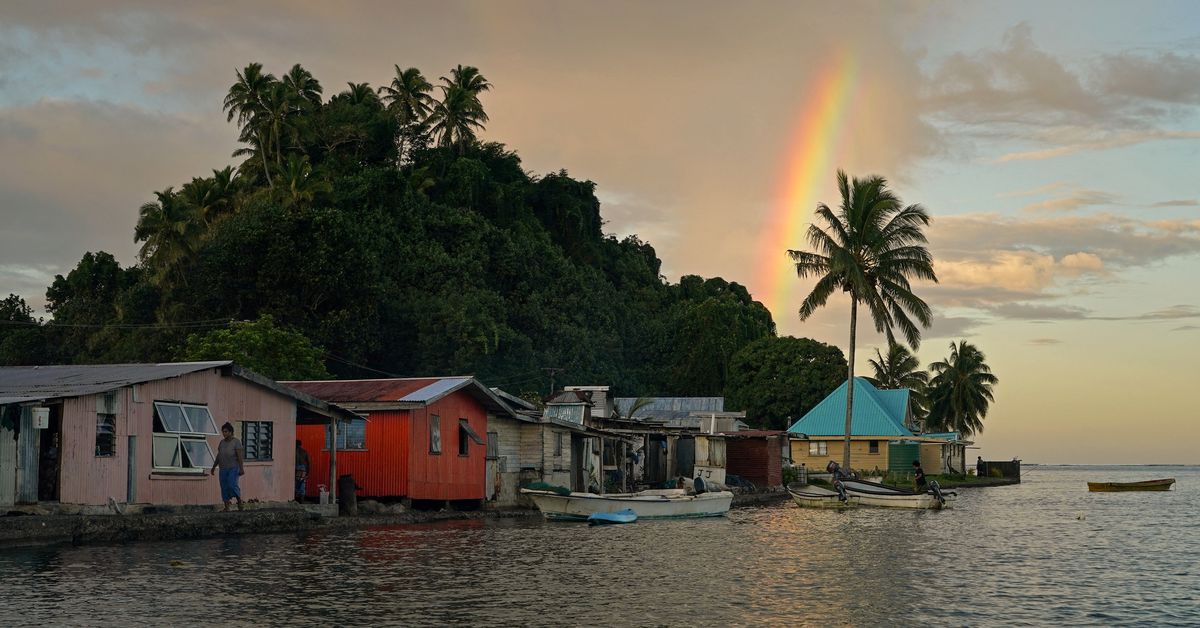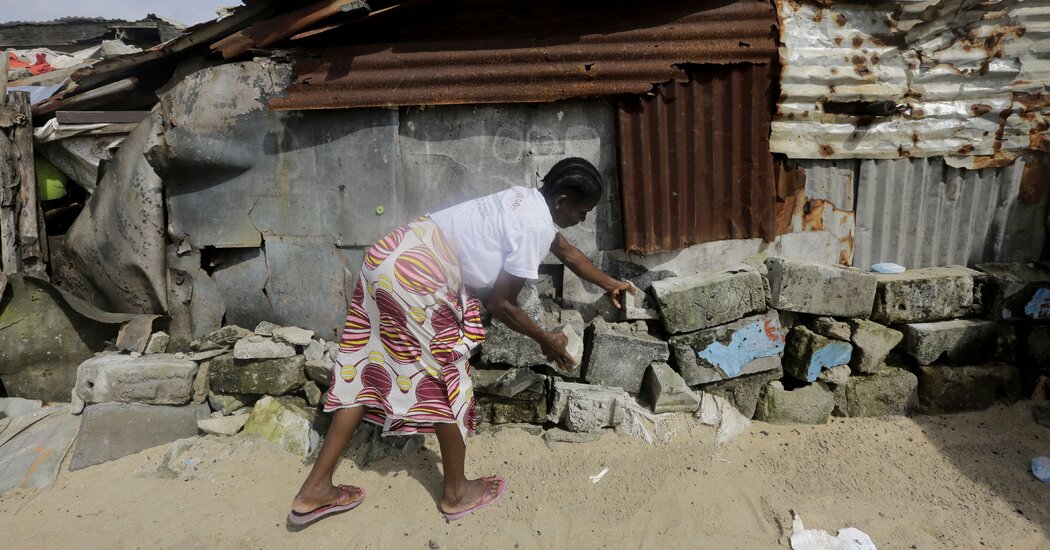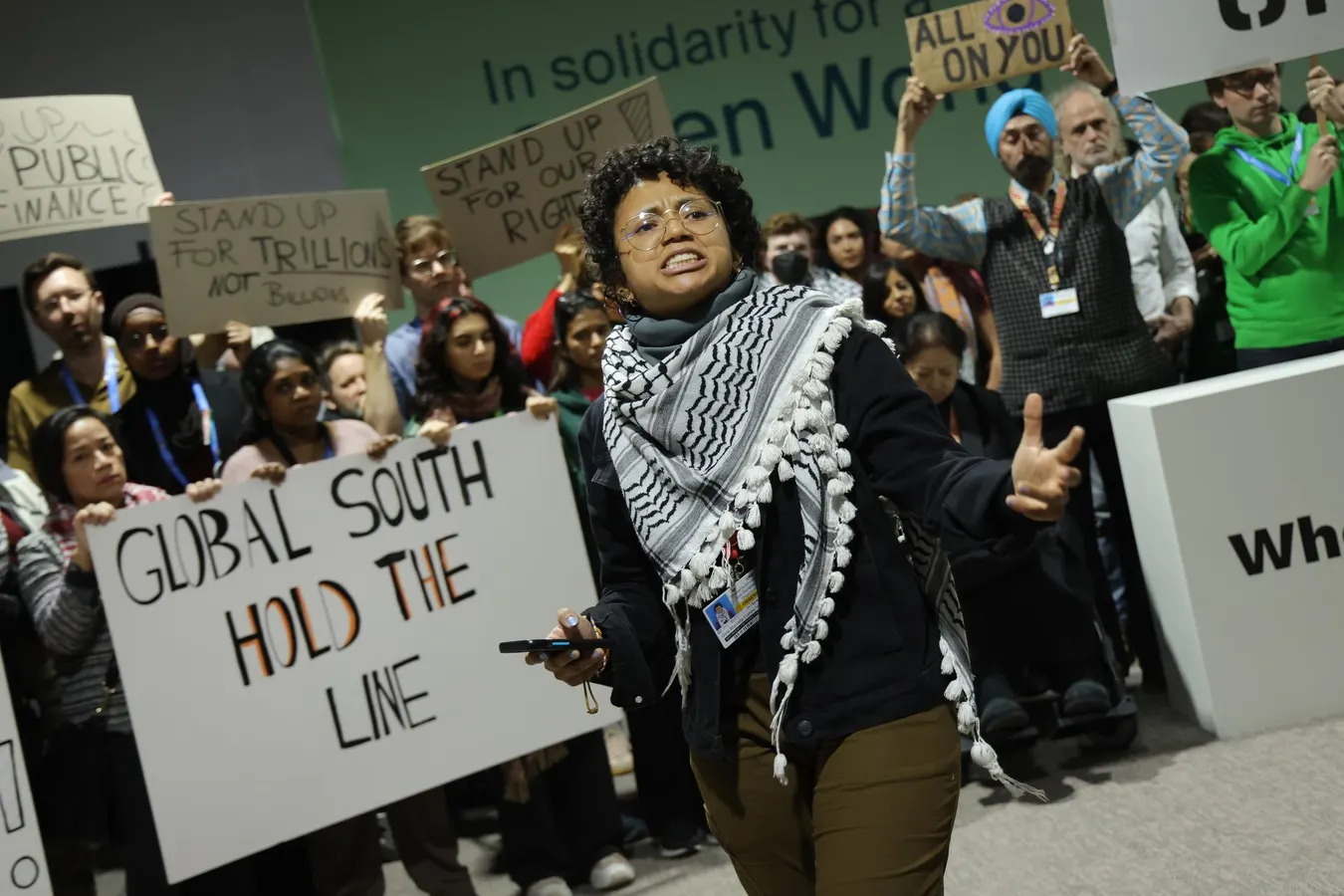
The COP29 climate conference in Baku ended in disarray as developing nations and NGOs rejected a $300 billion climate finance deal proposed by wealthy countries, demanding at least $1.3 trillion in grants instead. Key nations like India, Nigeria, and Bolivia opposed the agreement, criticizing it as insufficient and laden with loans rather than grants. Civil society groups labeled the outcome a betrayal, highlighting the failure of developed countries to meet their historical responsibilities. The controversy has sparked calls for reforming the COP process amid growing climate urgency.
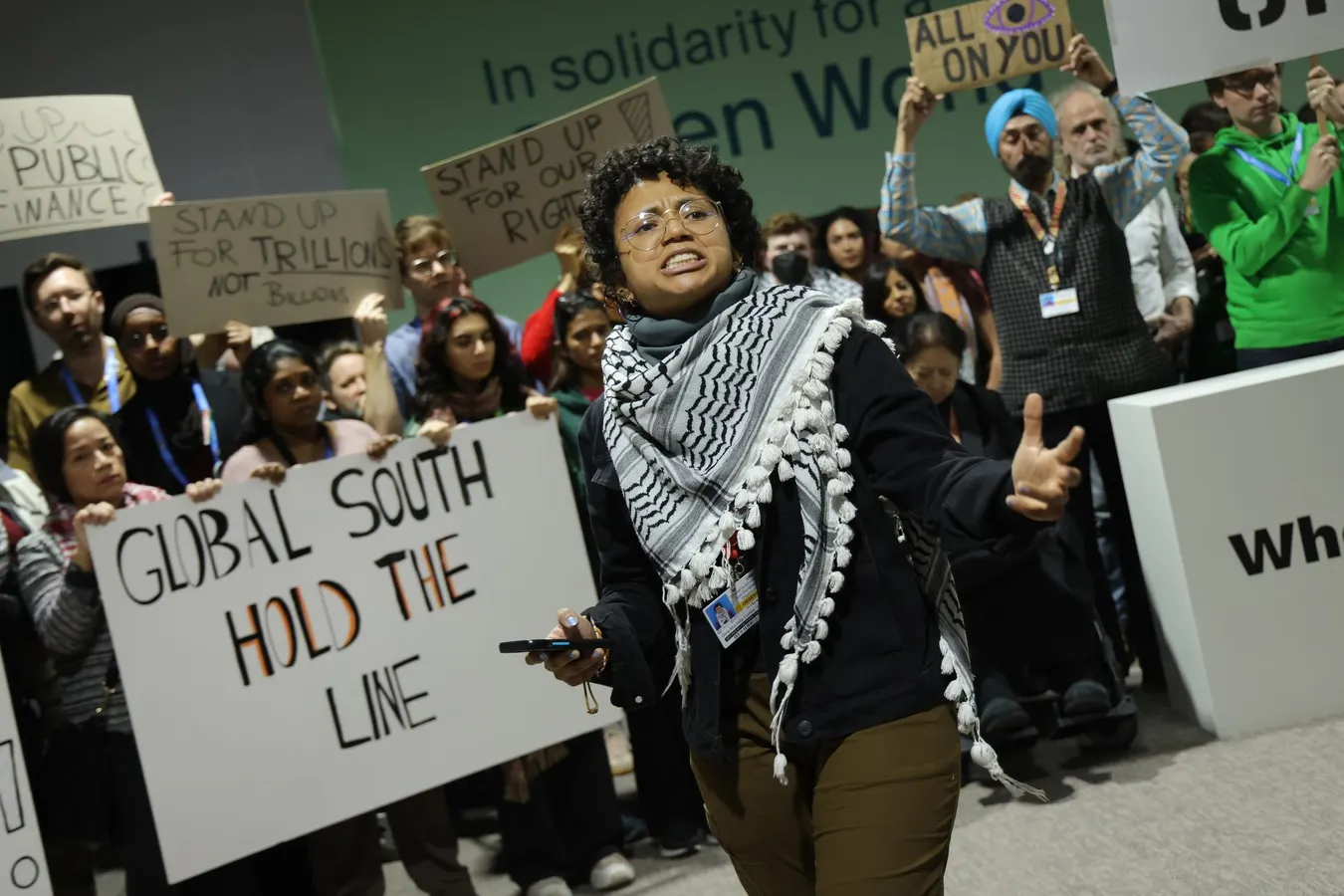
The COP29 climate conference in Baku ended in disarray as developing nations and nonprofits rejected a $300 billion climate finance deal proposed by wealthy countries, demanding at least $1.3 trillion in grants instead. Key nations like India, Nigeria, and Bolivia opposed the agreement, citing insufficient funds and unmet promises. Civil society groups criticized the deal as a betrayal, highlighting the burden of debt it imposes on poorer countries. The conference faced additional controversies, prompting calls for reforming the COP process amid urgent climate challenges.
A recent climate summit concluded with a contentious agreement where developed nations, including the U.S. and EU members, pledged at least $300 billion in climate finance to developing countries, though the latter had sought more substantial support. The negotiations highlighted tensions, with representatives from vulnerable island nations expressing dissatisfaction. Meanwhile, China's dominance in clean energy technology has bolstered its influence over developing nations, overshadowing efforts by the U.S. and Europe. The agreement's future is uncertain, especially with potential policy shifts in the U.S. under a new Trump era.
At COP29 in Azerbaijan, wealthier nations pledged a record $300 billion to help developing countries combat climate change, despite the talks nearly collapsing and failing to advance commitments to reduce fossil fuel use. The deal, reached after intense negotiations, aims to support vulnerable nations disproportionately affected by climate change, though it faced criticism for insufficient action and funding. The agreement highlights ongoing global efforts to address climate issues, but geopolitical challenges and the absence of U.S. support under President Trump complicate progress.
Negotiators at the COP29 climate summit in Baku are finalizing a deal to provide $300 billion annually by 2035 to help poorer nations combat climate change. This agreement comes as China positions itself as a leader in climate action, following the re-election of climate-change skeptic Donald Trump as U.S. president.
Developing countries spent a record $443.5 billion in 2022 to service their public debt, a 5% increase from the previous year, as global interest rates surged, according to the World Bank. The cost of servicing debt for the world's poorest nations could surge by as much as 39% in 2023 and 2024, putting them at high risk of debt distress. The World Bank highlighted that there were 18 sovereign defaults in 10 developing countries in the last three years, more than the total in the previous two decades combined. Multilateral banks have increased efforts to help developing countries refinance their debt as new financing options from private sources shrink.
Ukrainian President Volodymyr Zelenskyy visited Argentina to attend the inauguration of President Javier Milei, seeking support from developing nations in Ukraine's fight against Russia. Milei, who ran on a pro-Western foreign policy platform, offered to host a summit between Ukraine and Latin American states. Zelenskyy also met with leaders from Cape Verde, Paraguay, Ecuador, and Uruguay. He had a phone conversation with French President Emmanuel Macron regarding defense support for Ukraine. Meanwhile, Russian shelling in Ukraine's Kharkiv and Kherson regions resulted in civilian casualties.
Ukrainian President Volodymyr Zelenskyy traveled to Argentina to attend the swearing-in ceremony of Argentina's new president, Javier Milei. Zelenskyy aims to gain support from developing nations for Ukraine's ongoing fight against Russia's invading forces. He met with leaders from Cape Verde, Paraguay, Ecuador, and Uruguay, and discussed defense packages with French President Emmanuel Macron. Zelenskyy's visit to Argentina is part of Ukraine's efforts to strengthen relationships with countries in the global south and garner support for its fight for freedom and democracy.
The World Bank is set to host a "loss and damage" fund aimed at helping poor countries affected by climate disasters, despite concerns from developing nations and the United States. The fund, which was hailed as a breakthrough at last year's UN climate talks, has faced challenges in reaching consensus on details such as funding and location. Developing countries have raised concerns about the World Bank's influence and high fees for recipients. To address these concerns, it was agreed that the World Bank would serve as an interim trustee and host for a four-year period. However, there is still disagreement on whether wealthy nations should have a strict financial obligation to contribute to the fund. The recommendations will be presented at the upcoming COP28 climate summit in Dubai.
Wealthy countries have reduced their financial commitment to helping developing nations cope with the impacts of climate change, with aid for climate adaptation falling to $21 billion in 2021, a 15% drop from the previous year. The United States saw one of the largest reductions in climate adaptation aid, with a 47% decrease. However, developing nations will need between $215 billion and $387 billion annually this decade to protect against climate shocks, which is significantly higher than the amount committed by wealthy countries. The report highlights the growing demand for adaptation assistance and the need for increased ambition in climate action.
A top US official is set to meet with representatives from developing nations who are skeptical of Ukraine's war with Russia. The meeting is part of a diplomatic effort to build support for Ukraine and counter Russian aggression in the region. The US has been a key ally of Ukraine in its conflict with Russia, which began in 2014.
The G-7 has pledged to take necessary steps to counter attempts to undermine economic sanctions on Russia, warning countries such as India that trade with Moscow. The bloc's financial ministers and central bank governors also included plans to enhance support for developing nations, recognizing that more engagement with non-members is necessary to prevent non-democratic states such as Russia and China from enhancing their influence through economic ties.
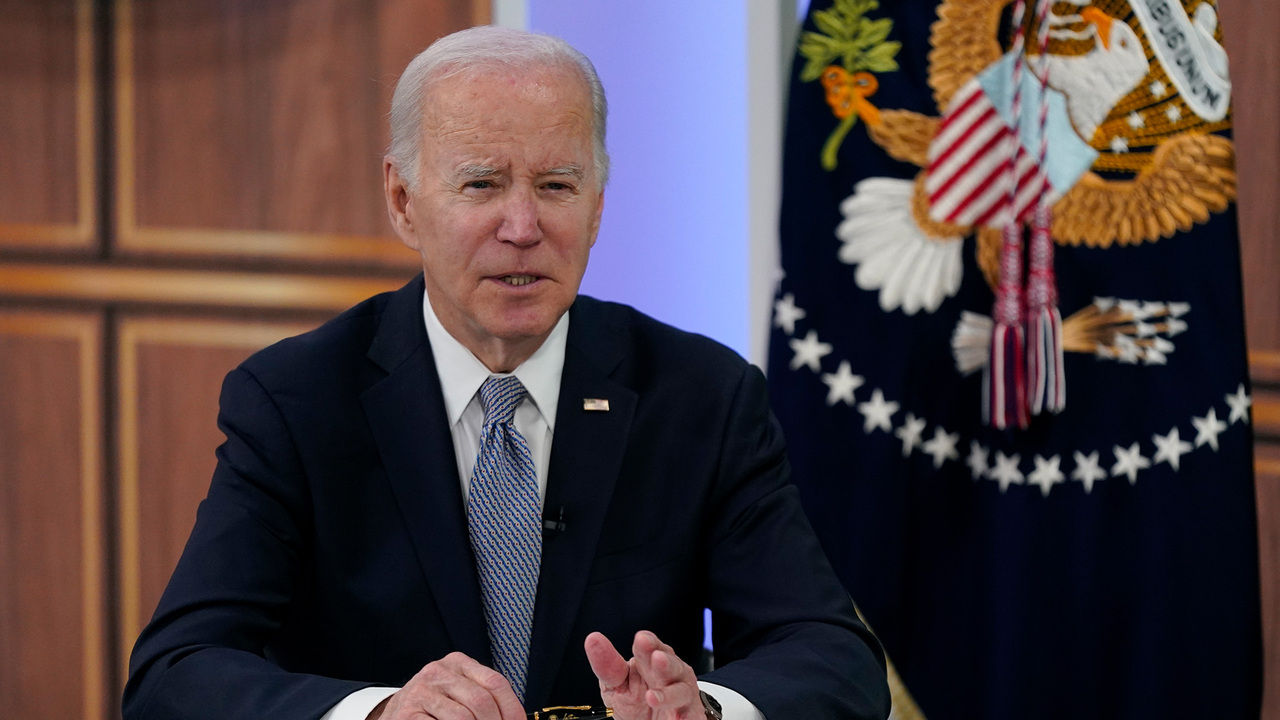
President Joe Biden pledged $1 billion to the Green Climate Fund, bringing the US contribution to $2 billion, still short of Obama's initial $3 billion promise. Biden also announced a new "Methane Finance Sprint" to raise at least $200 million and requested $500 million over five years from Congress for the Amazon Fund. Biden aims to deliver $11 billion in climate finance annually by 2024 and reshape multilateral development banks to fight climate change.