Tag

Earthhistory

All articles tagged with #earthhistory

science1 year ago

Ancient Asteroid Impact Supercharged Earth's Evolution 3.2 Billion Years Ago

A recent study published in the Proceedings of the National Academy of Sciences reveals the catastrophic impact of the S2 asteroid, which struck Earth 3.2 billion years ago. With a diameter between 40 and 60 kilometers, the asteroid caused massive shockwaves, ocean boiling, and mega tsunamis, creating apocalyptic conditions. Despite these challenges, life on Earth, particularly non-photosynthetic microorganisms, thrived due to the release of nutrients like phosphorus and iron. This event highlights the resilience of life and offers insights into the potential for life in extreme conditions on other planets.

science-and-environment2 years ago

"Breakthrough Fossil Discovery Reveals Photosynthesis Origin 1.75 Billion Years Ago"

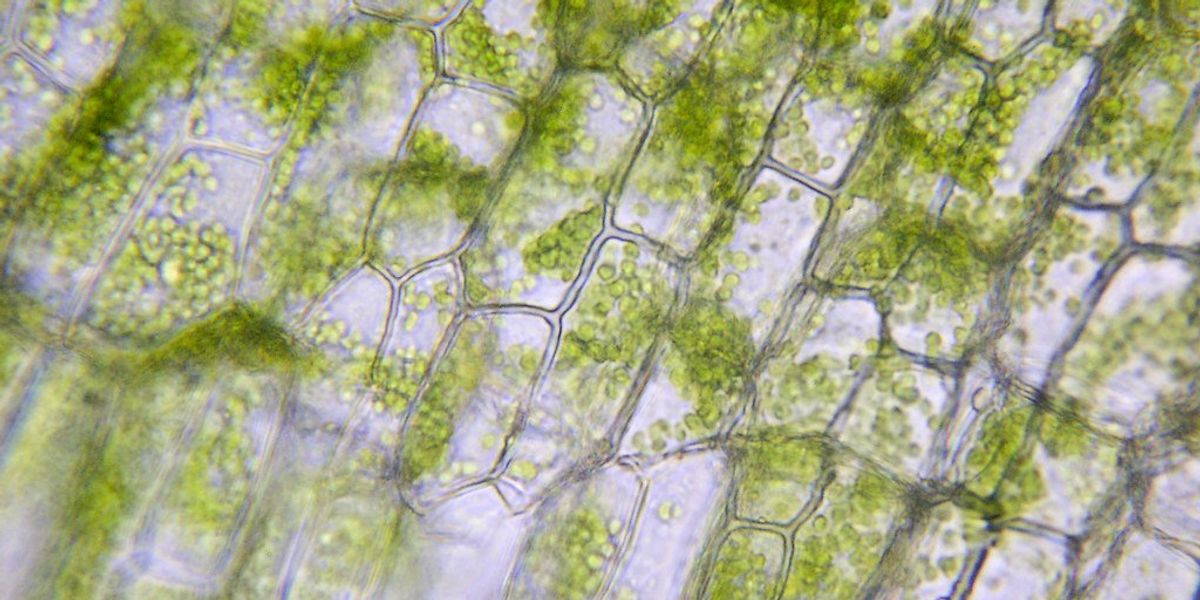
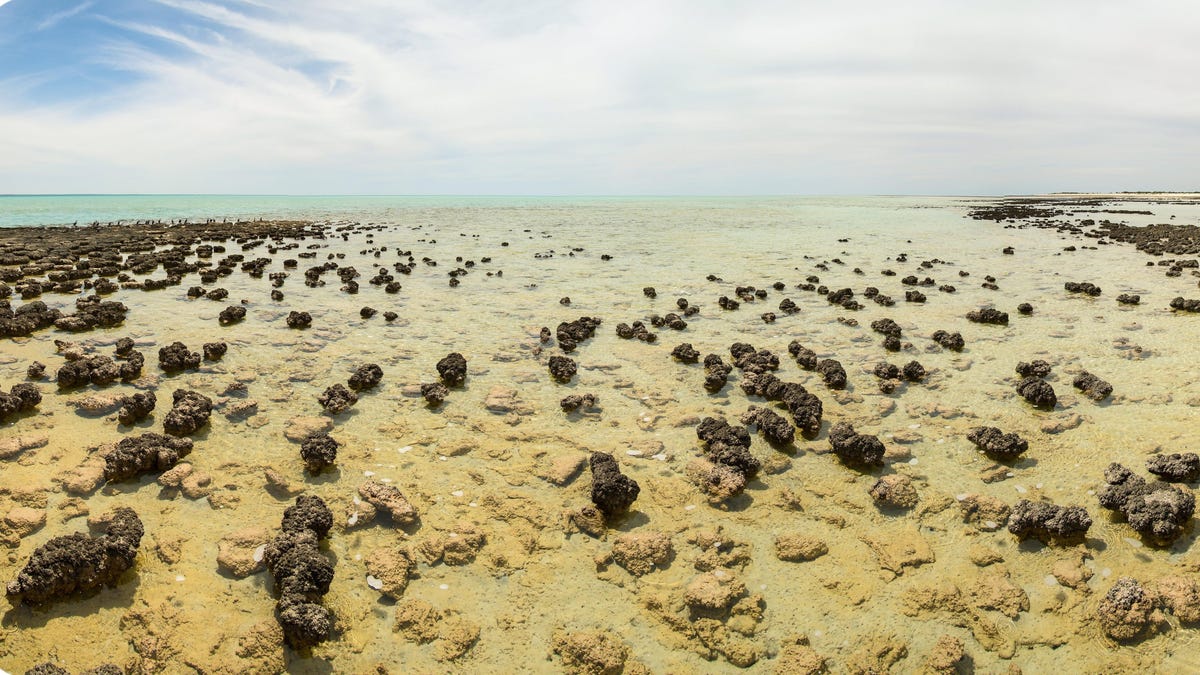
Scientists have discovered fossils dating back 1.75 billion years, providing evidence of ancient oxygenic photosynthetic structures that predate previous findings by over a billion years. This discovery, detailed in a study published in Nature, could shed light on the origins of life on Earth and the Great Oxygenation Event, which filled the atmosphere with oxygen and allowed diverse life forms to emerge. The fossils were found in the McDermott Formation in Australia, and the research highlights the significant impact these early photosynthetic organisms had on the planet's atmosphere and biosphere.

science-and-environment2 years ago

"Discovery of 1.75-Billion-Year-Old Fossils Rewrites History of Photosynthesis"

Researchers have discovered 1.75-billion-year-old microfossils in Australia, which represent the oldest known evidence of oxygenic photosynthesis. These microfossils, identified as Navifusa majensis, are believed to be a type of cyanobacteria that used sunlight to convert water and carbon dioxide into glucose and oxygen. This finding, published in Nature, pushes back the fossil record of photosynthetic structures by over a billion years and provides significant insights into the early development of one of Earth's most crucial life processes.